 English
 中文简体
中文简体 Español
 عربى
عربى


Guoguang are specialized in thin wall high-speed moulds, almost all cutlery moulds can be customized by us.
Injection plastic round cap molds are specifically designed to manufacture round plastic caps with h...
See Details

In the fast-paced world of snack food manufacturing and retail, packaging must be lightweight, cost-effective, and produced at immense speed. This demand is met by a specialized industrial tool: the thin wall snack box mould. This high-precision mould is the core component in injection moulding machines, defining the exact shape, structural integrity, and surface finish of containers for items like cookies, candies, nuts, and pre-packaged salads. The design and performance of the thin wall snack box mould are critical to achieving the ultra-short production cycles and material efficiency required in this competitive sector, where fractions of a second in cycle time and grams of plastic per unit translate directly into profitability.
The defining challenge and focus of the thin wall snack box mould is the "thin wall" specification itself. To less material use and cost while maintaining sufficient rigidity, walls of these snack boxes are often designed to be exceptionally thin, frequently below 0.7 millimeters. This requires the thin wall snack box mould to be machined to badly tight tolerances to ensure uniform wall thickness and flawless part ejection. The mould design must facilitate the badly rapid injection of molten plastic—typically polypropylene or polystyrene—and ensure swift, even cooling to solidify the thin walls quickly. Every feature, from the gate design and runner system to the venting and cooling channels within the thin wall snack box mould, is optimized for up to throughput and consistency.
Material durability is paramount for a production thin wall snack box mould. Subjected to continuous high-pressure, high-temperature cycles and the potential abrasiveness of certain plastic compounds or colorants, the mould cavities and cores are manufactured from hardened tool steels or specialized alloys. These materials resist wear, deformation, and corrosion over millions of cycles. The surface finish of the mould cavity is polished to a high gloss, which is replicated onto the plastic snack box, providing an attractive, smooth appearance that is also functionally important for easy filling on production lines and clear product visibility for consumers.
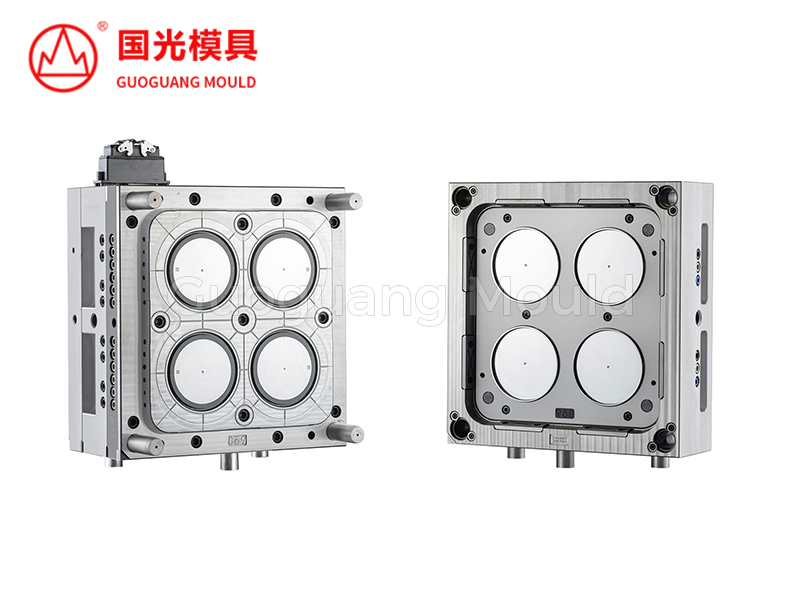
The architecture of a modern thin wall snack box mould is often highly complex to improve output. Multi-cavity configurations are standard, with a single mould producing numerous identical boxes every machine cycle. To eliminate material waste and further speed production, hot runner systems are almost universally integrated into high-volume thin wall snack box mould designs. This technology keeps the plastic molten within heated manifolds inside the mould, delivering it directly to each cavity gate. This eliminates the need to process and recycle solidified cold runner waste, improving material yield and cycle time—critical factors for the economics of the thin wall snack box mould process.
Innovation in thin wall snack box mould technology is driven by the dual pressures of sustainability and ever-higher efficiency. Mould designers are adapting to process new grades of recycled plastics and bio-based polymers, which may require adjustments to thermal profiles and gating. There is a strong focus on advanced cooling techniques, such as conformal cooling channels that follow the 3D contours of the cavity, to achieve faster, more uniform cooling and further reduce cycle times. As snack manufacturers seek to balance consumer demand, cost control, and environmental goals, the continuous refinement of the high-performance thin wall snack box mould remains essential, ensuring the reliable, efficient production of the lightweight containers that fill supermarket shelves worldwide.
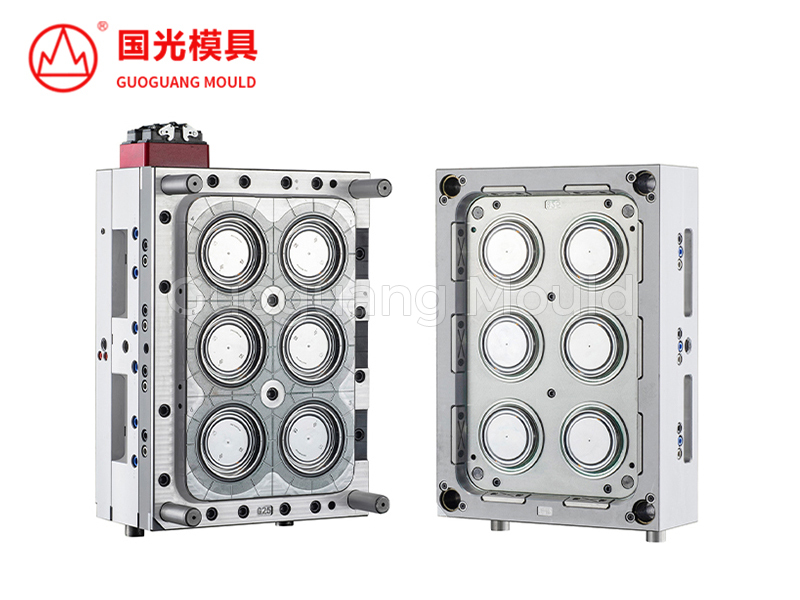
Injection plastic round cap molds are specifically designed to manufacture round plastic caps with h...
See Details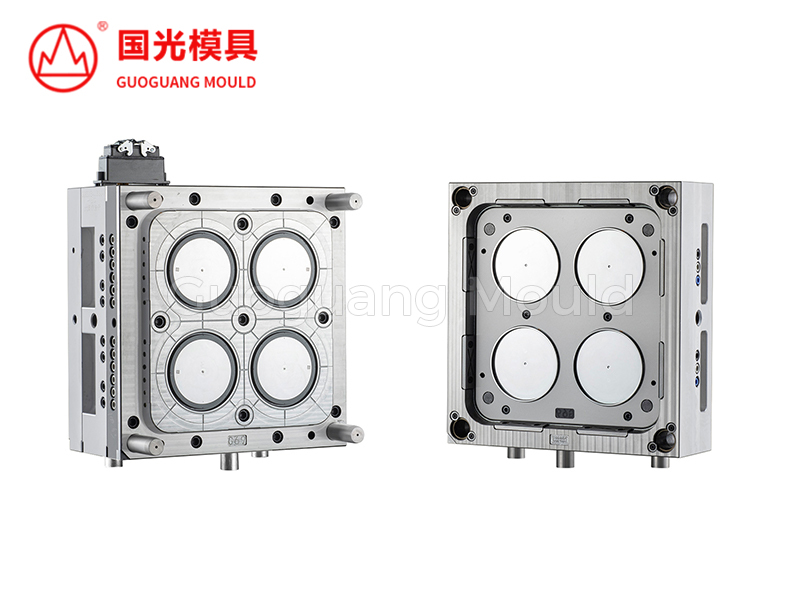
Injection plastic round bowl moulds are designed to create high-quality, durable plastic round bowls...
See Details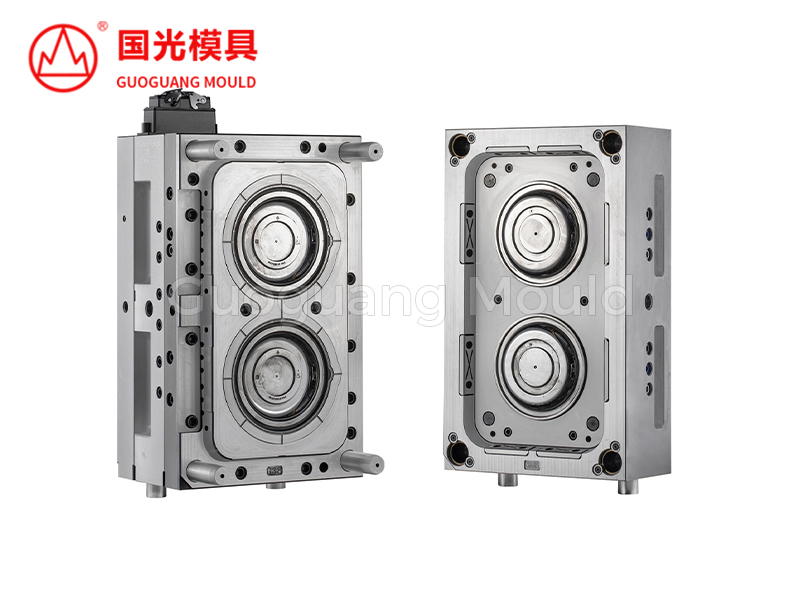
The Thin Wall American Style Large Round Cover Mould is a specialised tool designed for the producti...
See Details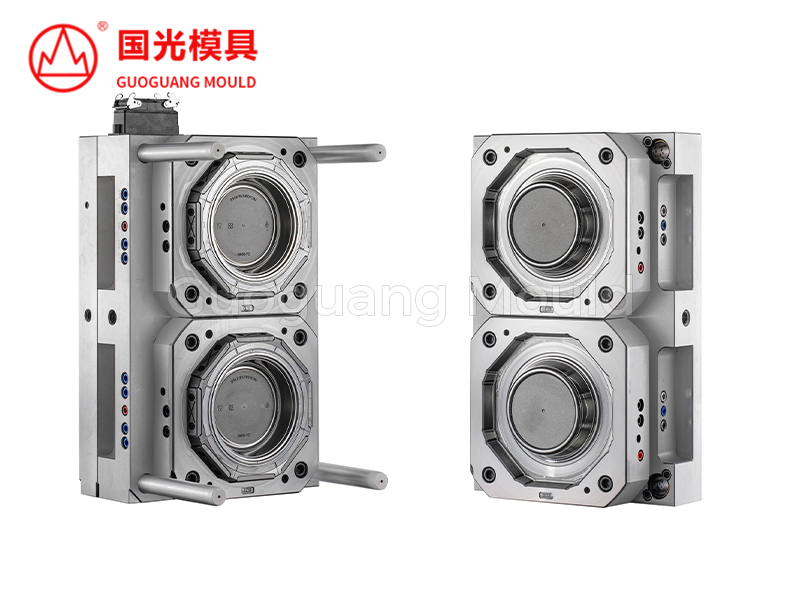
The Injection Plastic American Style Large Round Bowl Mold is an advanced tool designed specifically...
See Details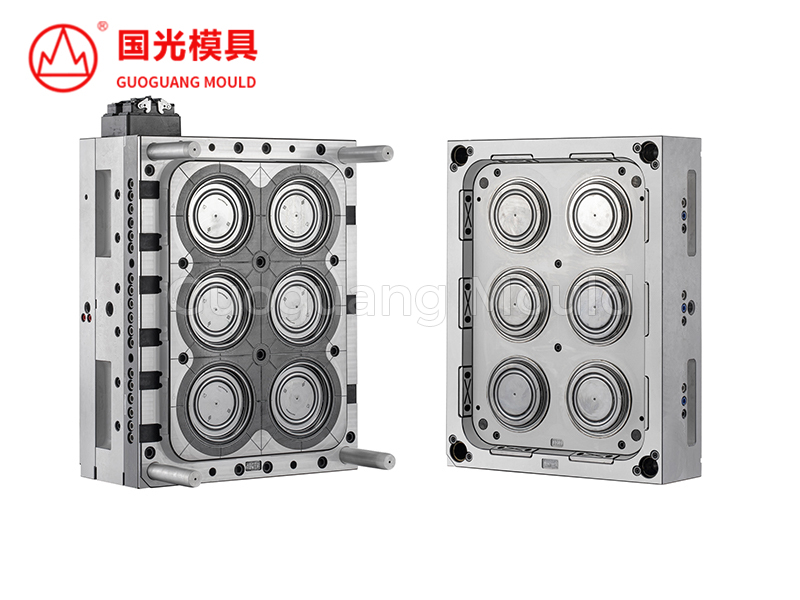
The Thin Wall American Medium Round Cap Mould is a highly efficient tool designed for the production...
See Details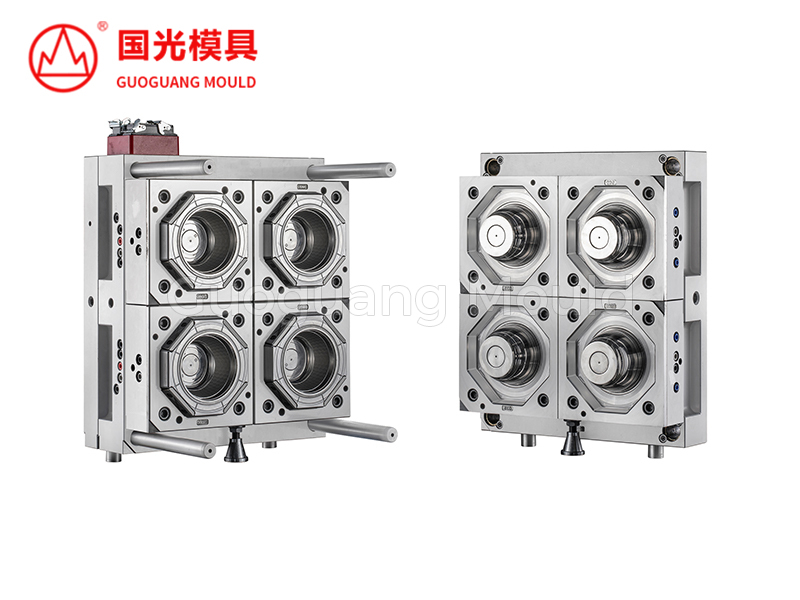
The Thin Wall Medium Size American Bowl Mould is designed for efficient production of medium-sized b...
See Details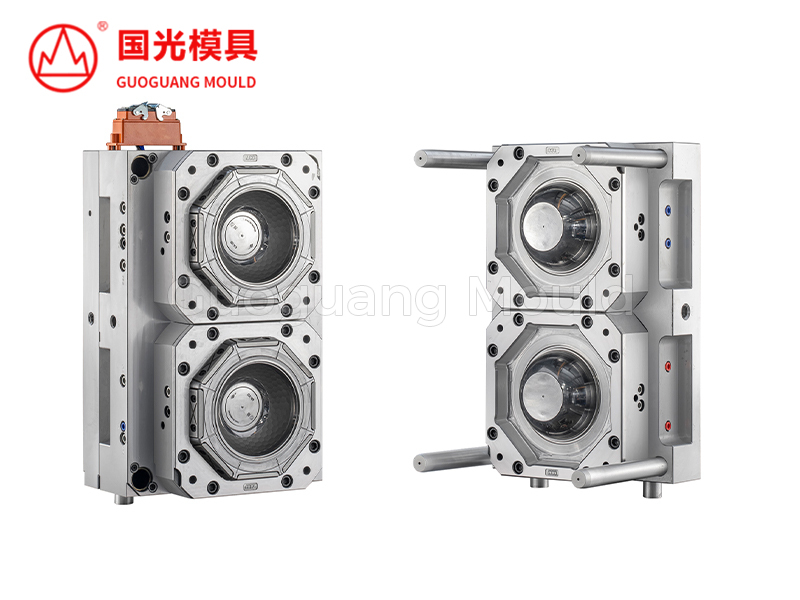
The Injection Plastic Large Round Bowl Mould is a specialized tool designed to produce large round p...
See Details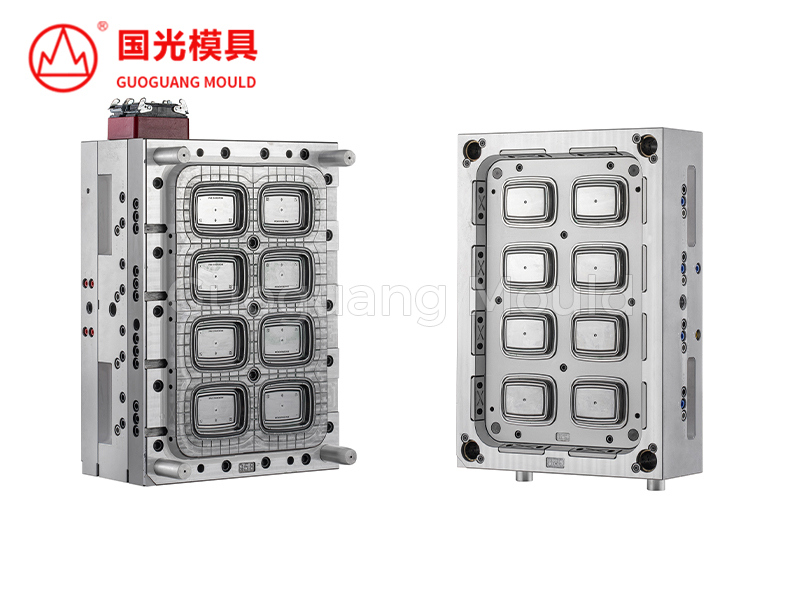
The Thin Wall American Style Small Square Cover Mold is designed for the production of small, square...
See Details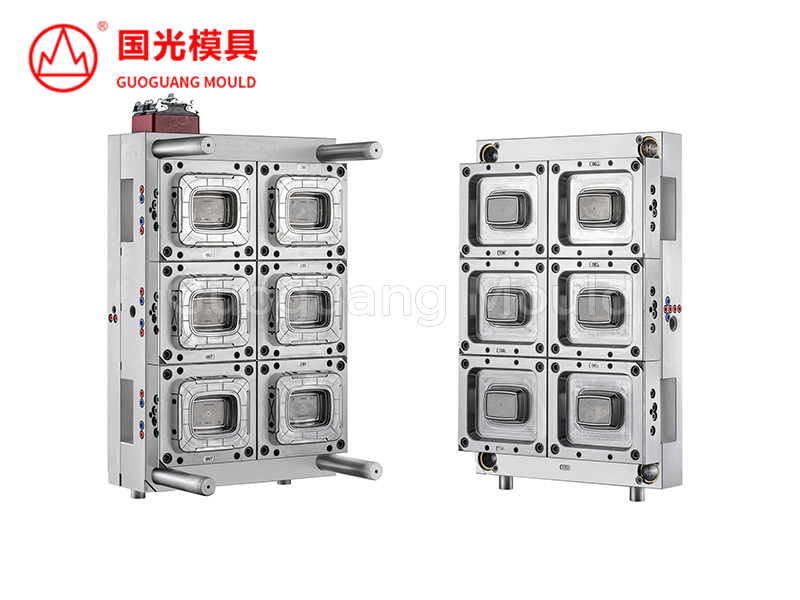
The Plastic Mould for Packaged Food Square Cover is an essential tool for creating square plastic co...
See Details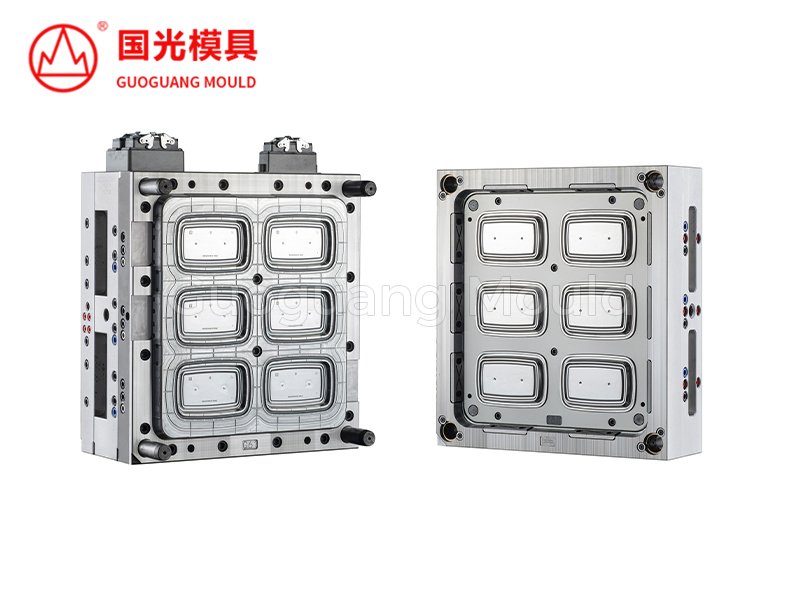
The Thin Wall Square Box Mould is designed for the production of small, square boxes, ensuring effic...
See Details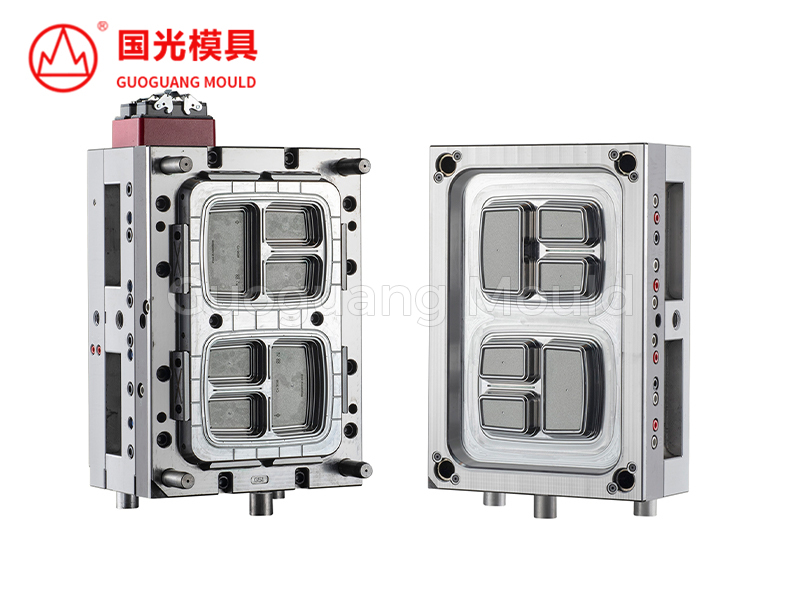
The Restaurant Packaged Three-Compartment Lunch Box Mold is designed for producing plastic lunch box...
See Details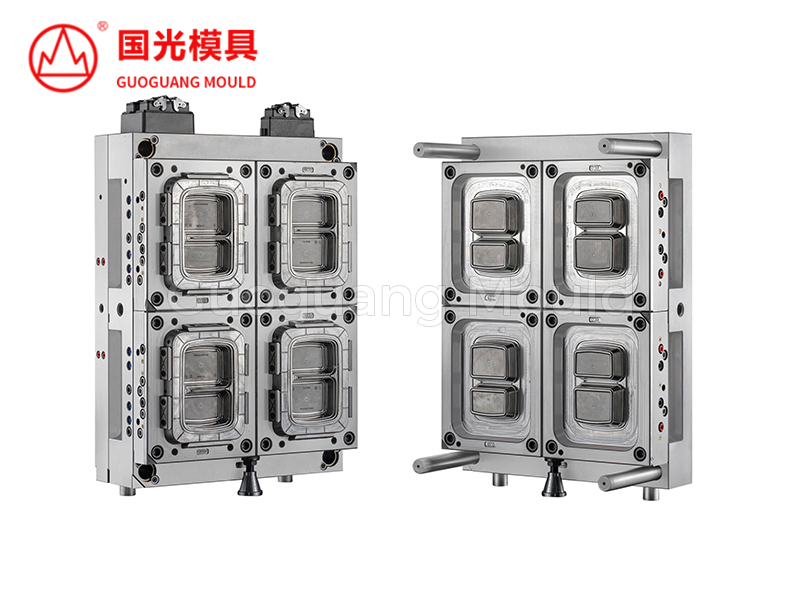
This mould is ideal for high-volume manufacturing, ensuring precise, efficient production of lunch ...
See Details
Guoguang are specialized in thin wall high-speed moulds, almost all cutlery moulds can be customized by us.
Copyright © Zhejiang Taizhou Guoguang Mould Plastic Co., Ltd. All Rights Reserved.
Thin Wall Mold Manufacturer
