 English
 中文简体
中文简体 Español
 عربى
عربى


Guoguang are specialized in thin wall high-speed moulds, almost all cutlery moulds can be customized by us.
Injection plastic round cap molds are specifically designed to manufacture round plastic caps with h...
See Details

Across the global food service industry, from quick-service restaurants and takeaway outlets to supermarket delis and corporate cafeterias, disposable food boxes are a ubiquitous presence. These single-use containers, typically made from plastic, paperboard, or molded fiber, provide a practical solution for packaging, transporting, and consuming meals. The widespread use of disposable food boxes is driven by undeniable convenience, hygiene benefits, and operational efficiency, yet it exists within a growing dialogue about material waste and sustainable alternatives, making their design and lifecycle a subject of significant innovation and debate.
The fundamental role of disposable food boxes is to securely contain food items, preserving freshness, preventing leakage, and facilitating convenient consumption. Different materials serve different needs. Clear plastic disposable food boxes, often made from polypropylene, offer visibility, durability, and are suitable for both hot and cold foods, including those with sauces. Paperboard boxes, sometimes lined with a thin plastic or wax coating, are common for dry items like pastries, pizza, or fried foods. Molded fiber boxes, made from recycled paper or sugarcane bagasse, provide a compostable option for salads and lighter meals. The design of these disposable food boxes frequently includes features like secure-closing lids, built-in compartments to separate foods, and vents to manage condensation.
From an operational perspective, disposable food boxes are integral to the speed and scalability of modern food service. They eliminate the labor and resource costs associated with washing reusable dishes, a critical factor for businesses with high turnover and delivery models. Their standardized sizes and shapes streamline packing processes and optimize storage space. For consumers, disposable food boxes represent immediate convenience, allowing meals to be easily taken away, stored, and often reheated directly in the container, aligning with increasingly mobile and time-pressed lifestyles.
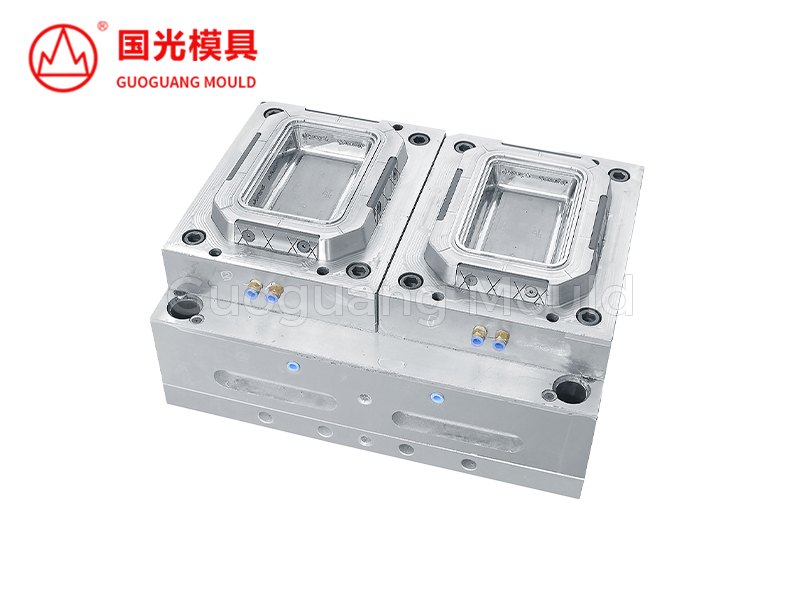
However, the prevalence of disposable food boxes has intensified scrutiny of their environmental impact. The linear model of "take, make, dispose" contributes to landfill volume and, in the case of certain plastics, to litter and marine pollution. This has spurred significant shifts within the industry. Regulatory pressures, such as bans on specific single-use plastics, and changing consumer preferences are driving demand for more sustainable disposable food boxes. This includes boxes made from recycled content, materials certified from responsibly managed forests, and plant-based polymers that are industrially compostable.
Innovation in the sector is increasingly focused on improving the environmental profile of disposable food boxes without sacrificing functionality. Developments include water-based barrier coatings for paperboard to replace traditional plastic linings, advanced recycling technologies to create food-grade recycled plastic for new boxes, and designs that use less material overall while maintaining strength. The goal for many producers is to create a disposable food box that performs flawlessly for its intended, brief use but can then re-enter the material stream effectively, either through composting, recycling, or another recovery pathway.
The evolution of disposable food boxes will be shaped by a complex interplay of regulation, material science, and consumer behavior. The future points toward a more diversified material portfolio, with a greater role for certified, compostable, and easily recyclable options. There may also be increased innovation in design for circularity, making it easier to sort and process these items after use. While the core demand for the convenience they provide is unlikely to diminish, the next generation of disposable food boxes will be expected to deliver that convenience with a significantly reduced environmental footprint, reflecting a broader societal move toward more responsible consumption in all forms.
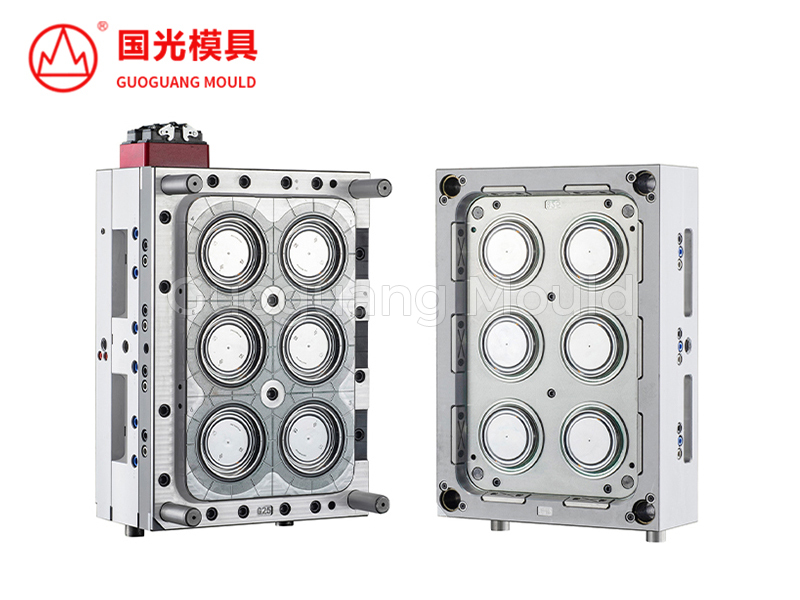
Injection plastic round cap molds are specifically designed to manufacture round plastic caps with h...
See Details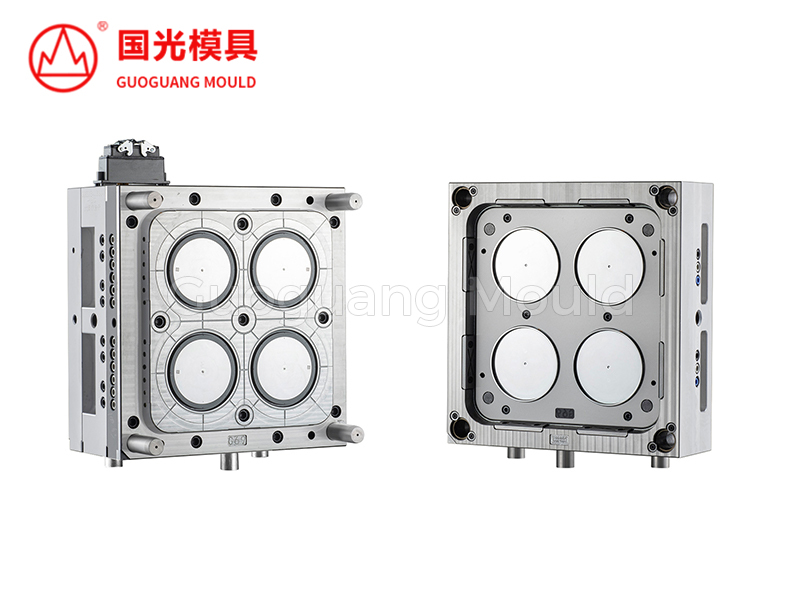
Injection plastic round bowl moulds are designed to create high-quality, durable plastic round bowls...
See Details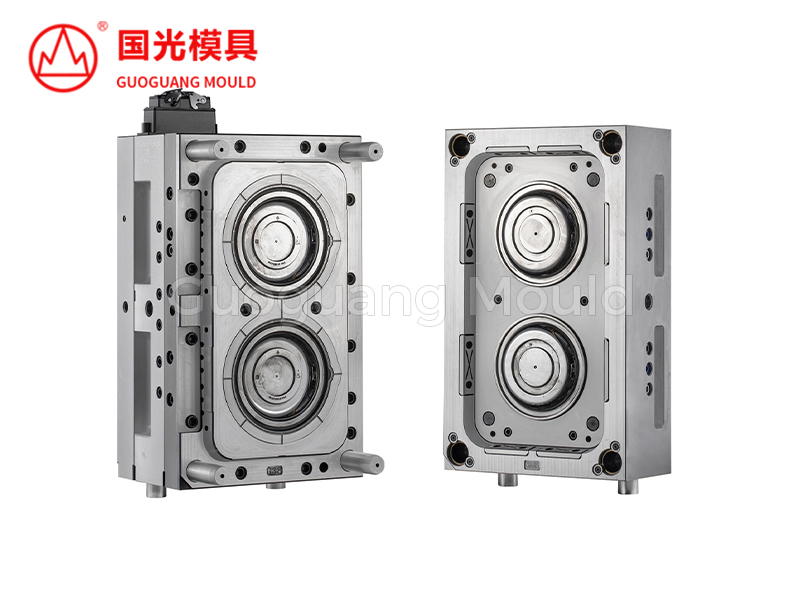
The Thin Wall American Style Large Round Cover Mould is a specialised tool designed for the producti...
See Details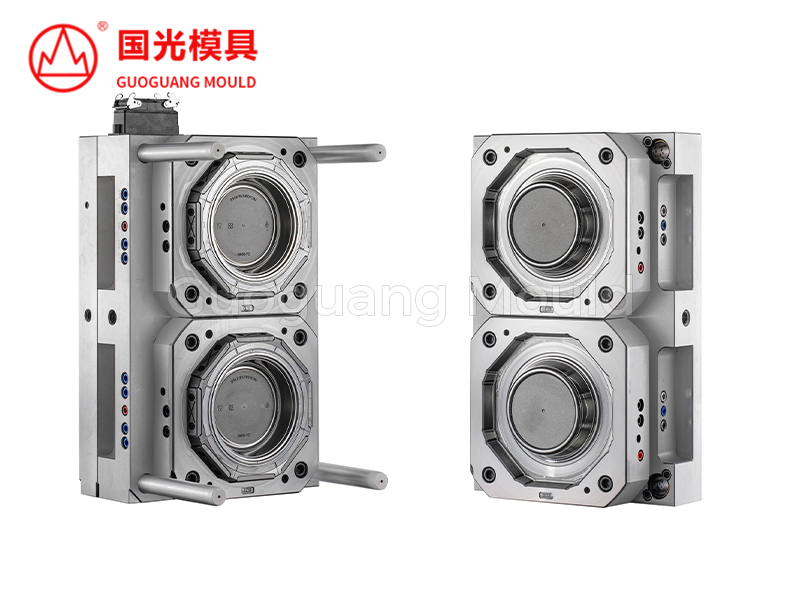
The Injection Plastic American Style Large Round Bowl Mold is an advanced tool designed specifically...
See Details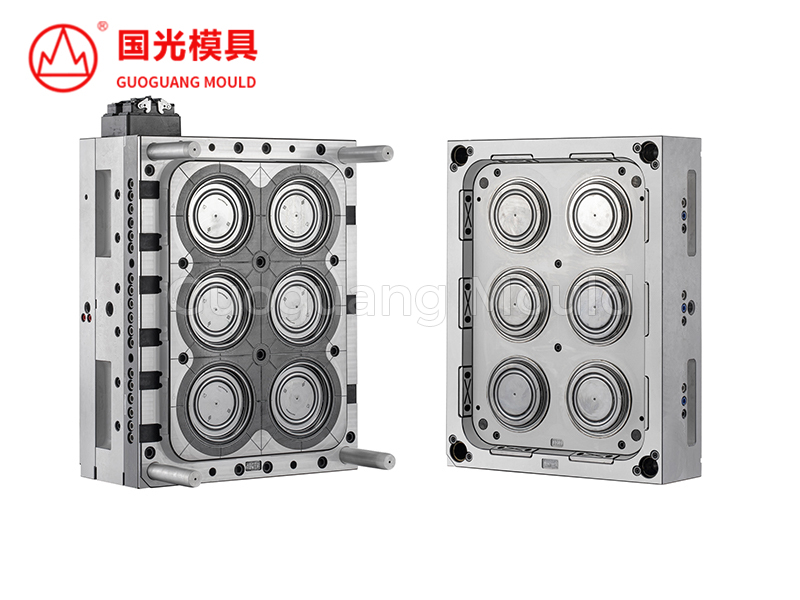
The Thin Wall American Medium Round Cap Mould is a highly efficient tool designed for the production...
See Details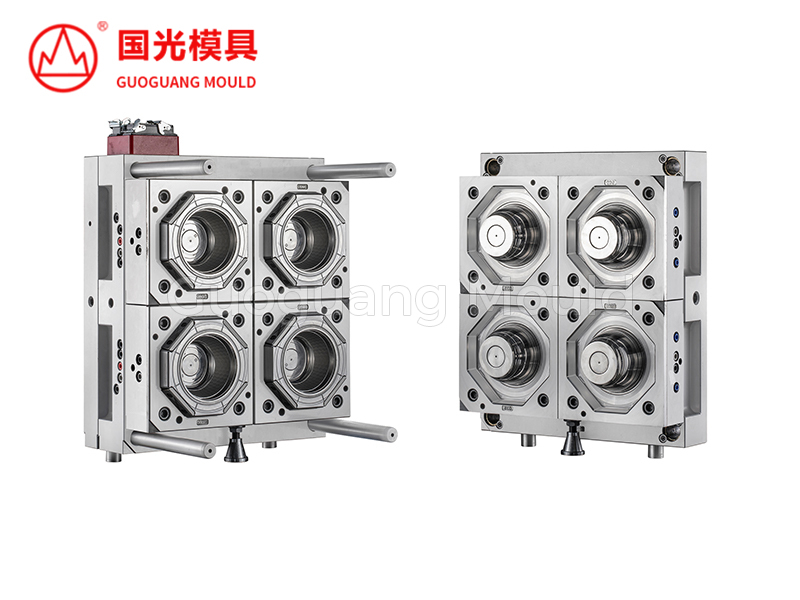
The Thin Wall Medium Size American Bowl Mould is designed for efficient production of medium-sized b...
See Details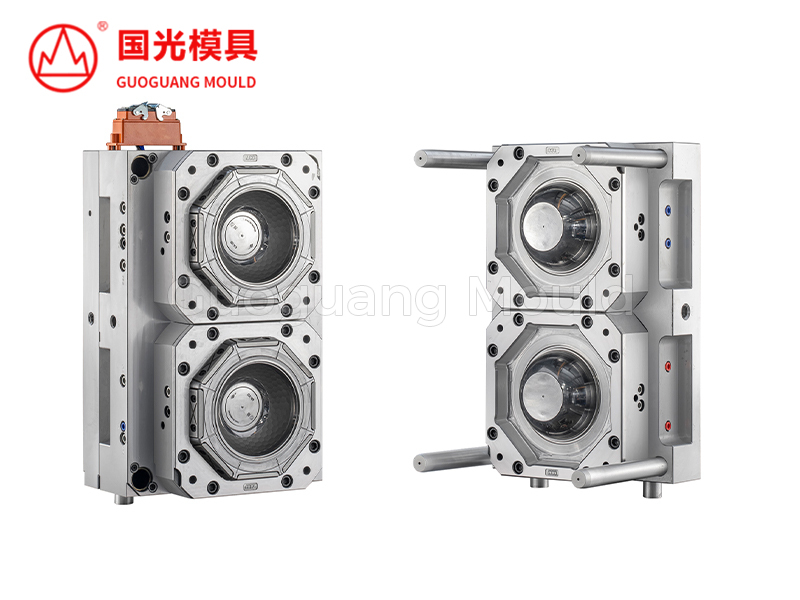
The Injection Plastic Large Round Bowl Mould is a specialized tool designed to produce large round p...
See Details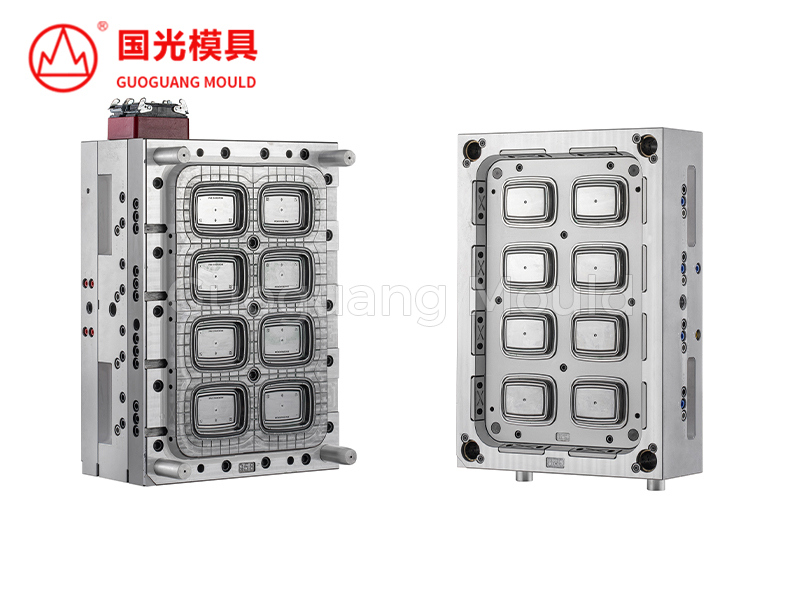
The Thin Wall American Style Small Square Cover Mold is designed for the production of small, square...
See Details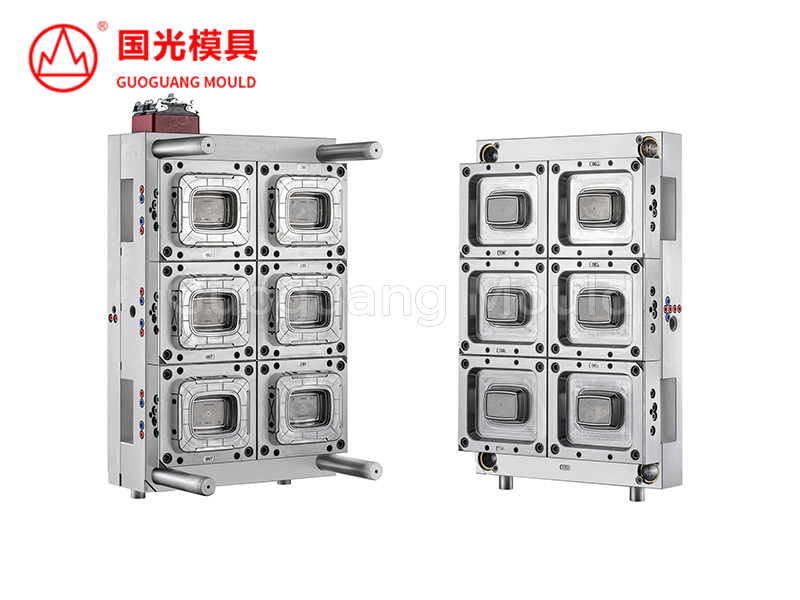
The Plastic Mould for Packaged Food Square Cover is an essential tool for creating square plastic co...
See Details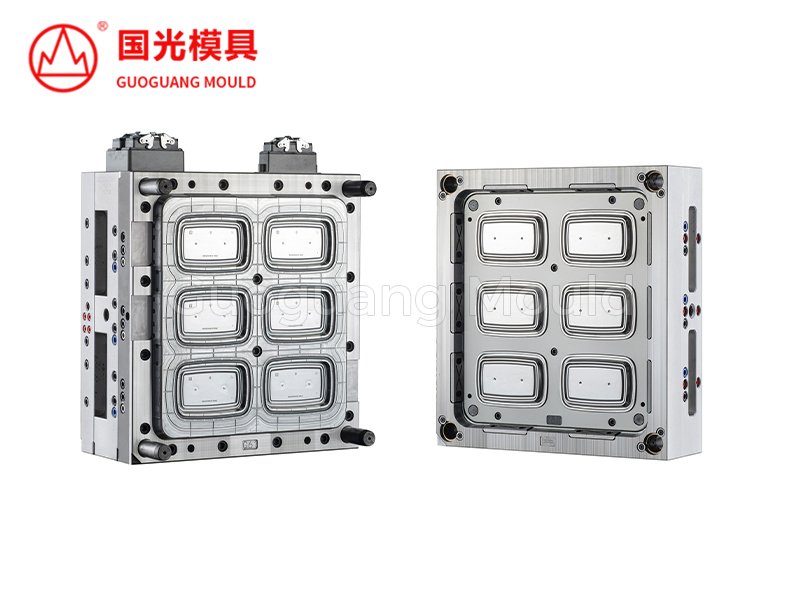
The Thin Wall Square Box Mould is designed for the production of small, square boxes, ensuring effic...
See Details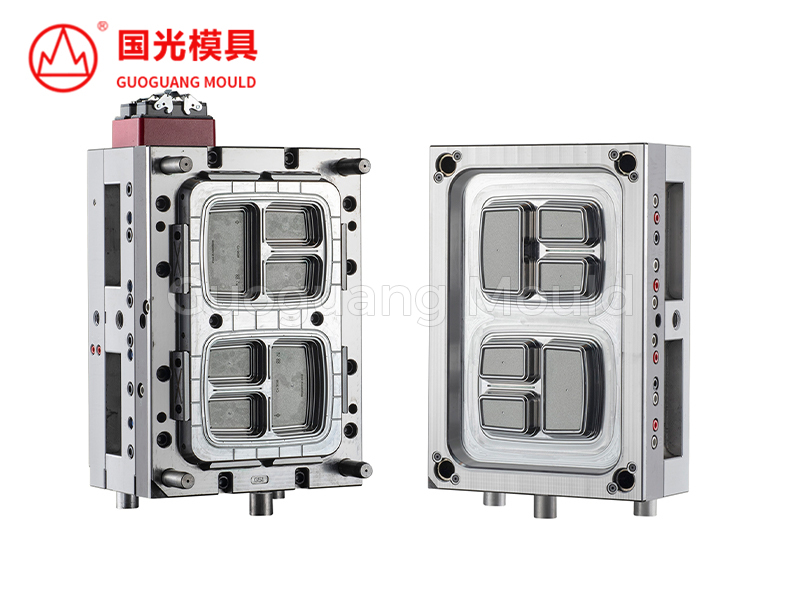
The Restaurant Packaged Three-Compartment Lunch Box Mold is designed for producing plastic lunch box...
See Details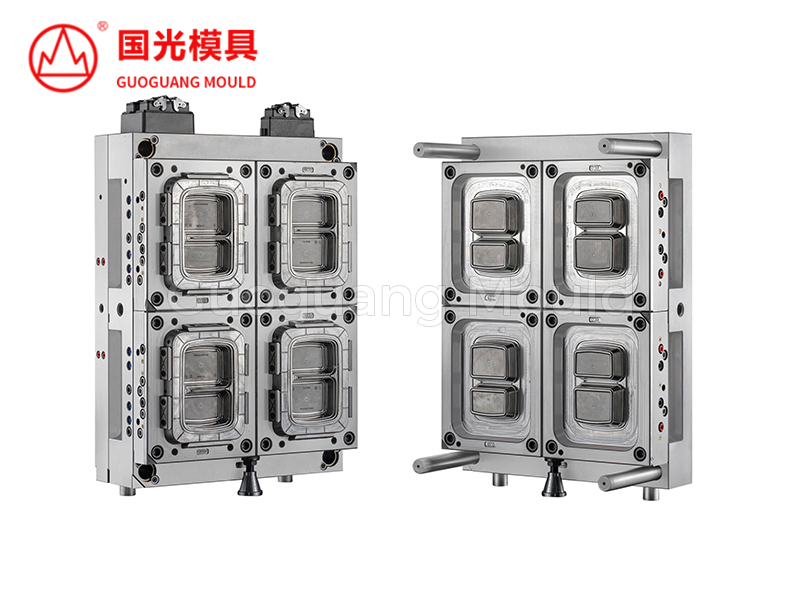
This mould is ideal for high-volume manufacturing, ensuring precise, efficient production of lunch ...
See Details
Guoguang are specialized in thin wall high-speed moulds, almost all cutlery moulds can be customized by us.
Copyright © Zhejiang Taizhou Guoguang Mould Plastic Co., Ltd. All Rights Reserved.
Thin Wall Mold Manufacturer
