 English
 中文简体
中文简体 Español
 عربى
عربى


Guoguang are specialized in thin wall high-speed moulds, almost all cutlery moulds can be customized by us.
Injection plastic round cap molds are specifically designed to manufacture round plastic caps with h...
See Details

The global landscape of food service, retail, and takeaway is heavily reliant on a specific category of products: single-use plates, bowls, cups, and clamshells. At the industrial core of manufacturing these ubiquitous items lies a highly engineered tool: the disposable food packaging container mold. This precision mold is the definitive master form within an injection molding or thermoforming machine, responsible for mass-producing consistent, functional, and cost-effective containers. The design, durability, and performance of the disposable food packaging container mold directly influence production speed, product quality, and material efficiency for a sector defined by high volume and thin margins.
The primary function of a disposable food packaging container mold is to transform raw plastic material—commonly polypropylene, polystyrene, or PET—into a finished, ready-to-use container with every machine cycle. In injection molding, molten plastic is forced under high pressure into a cooled mold cavity; in thermoforming, a heated plastic sheet is vacuum-formed or pressure-formed over a mold. In both processes, the disposable food packaging container mold defines every detail: the container's shape, wall thickness, rim strength, stacking features, and often the surface texture. Given the badly high production volumes, even minor optimizations in the mold design can yield significant savings in material usage and cycle time, making the disposable food packaging container mold a critical focus for cost and efficiency engineering.
Material and construction requirements for a disposable food packaging container mold are demanding. To withstand constant thermal cycling, mechanical stress, and potential abrasion from filled plastics or additives, the mold is typically manufactured from high-grade tool steel or aluminum. Steel molds offer predominant durability for long production runs in injection molding, while aluminum molds are often used for thermoforming and for their outstanding thermal conductivity. The interior surfaces of the mold cavity are polished to a high finish to ensure easy release of the formed container and to impart a clean, smooth appearance to the final product. Robust cooling channels are integrated into the mold to ensure rapid and uniform solidification of the plastic, which is essential for achieving fast cycle times.
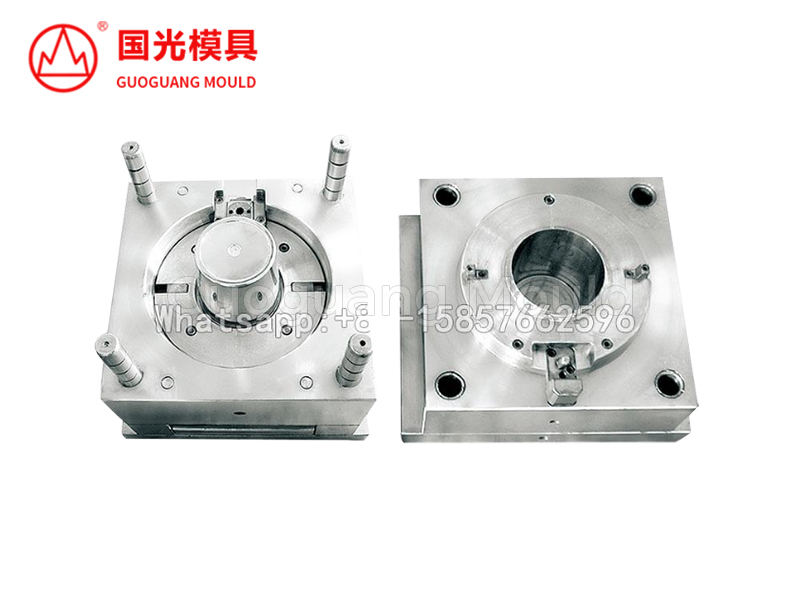
The design complexity of a modern disposable food packaging container mold often goes beyond a simple single cavity. To improve output, multi-cavity molds are standard, producing multiple identical containers simultaneously. Some advanced molds are designed as "family molds," creating a complementary set—such as a container and its matching lid—in a single cycle. For injection molding, the integration of hot runner systems is common in high-volume production. This technology maintains the plastic in a molten state within the mold's internal manifold, eliminating solid waste from sprues and runners, improving material efficiency, and enhancing flow consistency for the disposable food packaging container mold process.
Innovation in disposable food packaging container mold technology is increasingly influenced by sustainability trends and material evolution. Mold designers are adapting to new bio-polymers and grades of recycled content, which can have different flow and cooling properties than virgin plastics. There is also a focus on designs that less plastic use through even thinner yet structurally sound walls, and on advanced cooling techniques to further reduce energy consumption per unit produced. As the demand for disposable packaging persists alongside pressure for greater environmental responsibility, the disposable food packaging container mold will continue to evolve, remaining the essential, high-precision tool that shapes the very form of modern food service convenience.
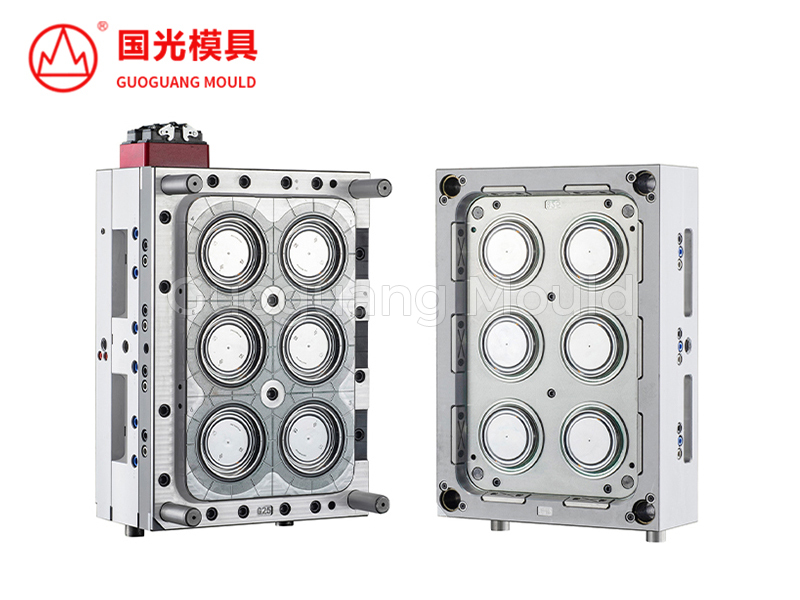
Injection plastic round cap molds are specifically designed to manufacture round plastic caps with h...
See Details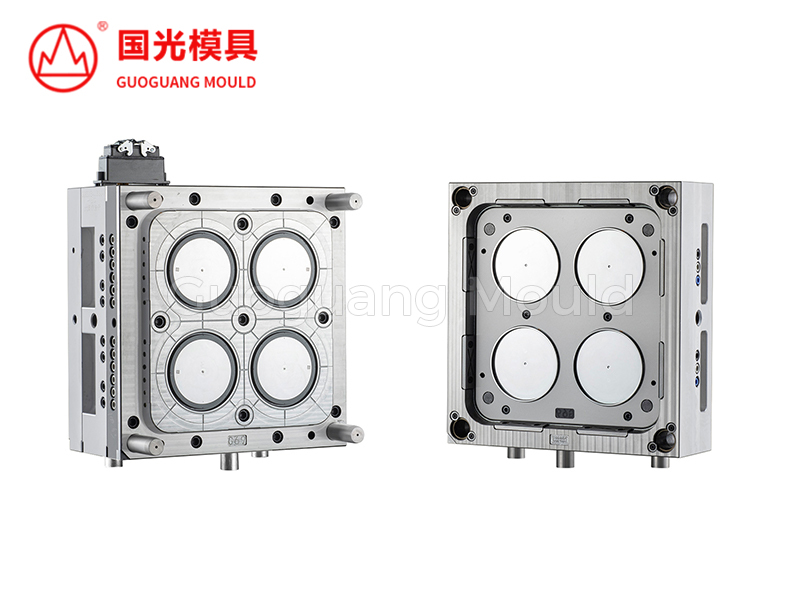
Injection plastic round bowl moulds are designed to create high-quality, durable plastic round bowls...
See Details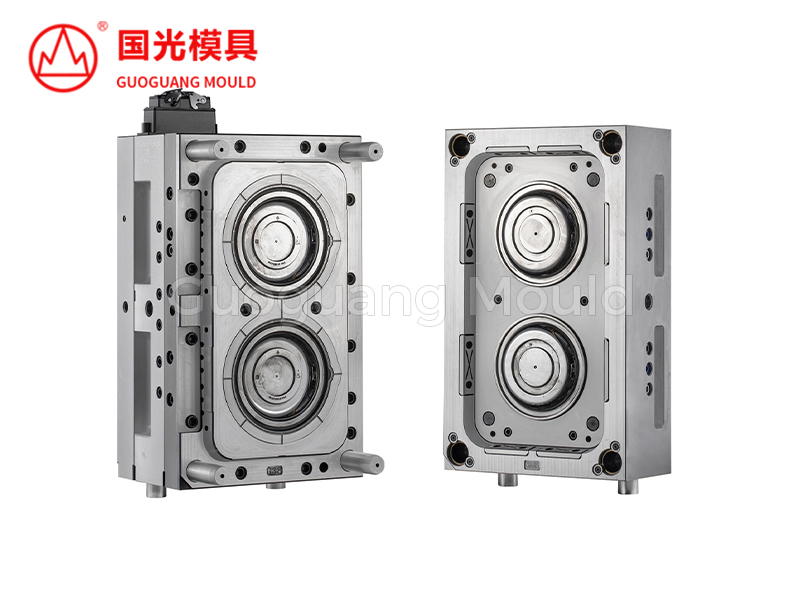
The Thin Wall American Style Large Round Cover Mould is a specialised tool designed for the producti...
See Details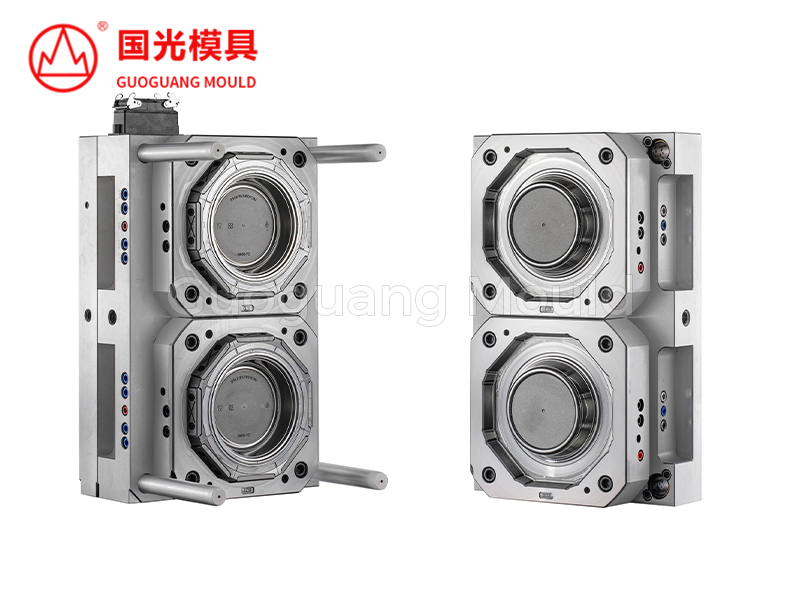
The Injection Plastic American Style Large Round Bowl Mold is an advanced tool designed specifically...
See Details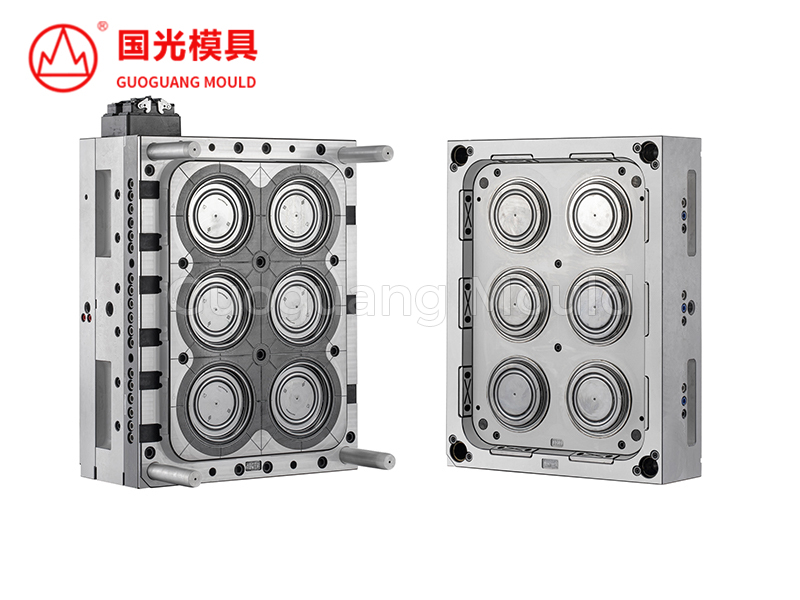
The Thin Wall American Medium Round Cap Mould is a highly efficient tool designed for the production...
See Details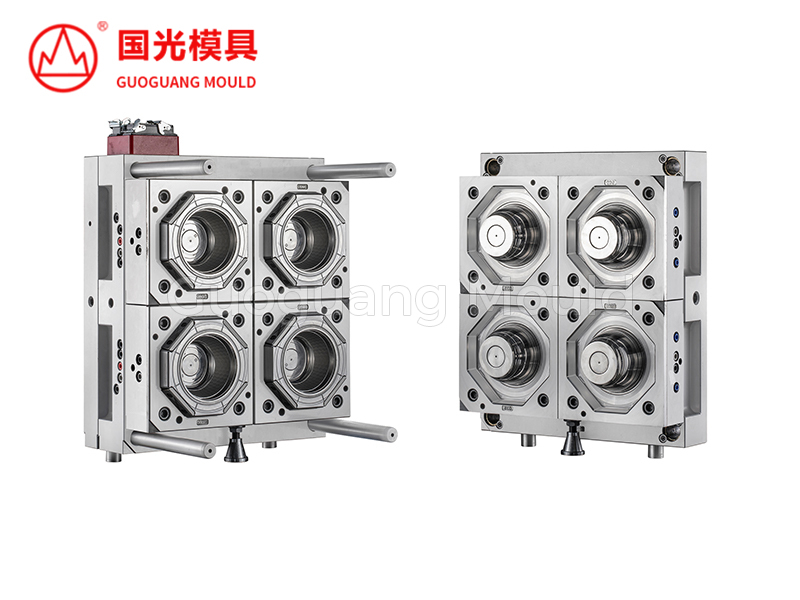
The Thin Wall Medium Size American Bowl Mould is designed for efficient production of medium-sized b...
See Details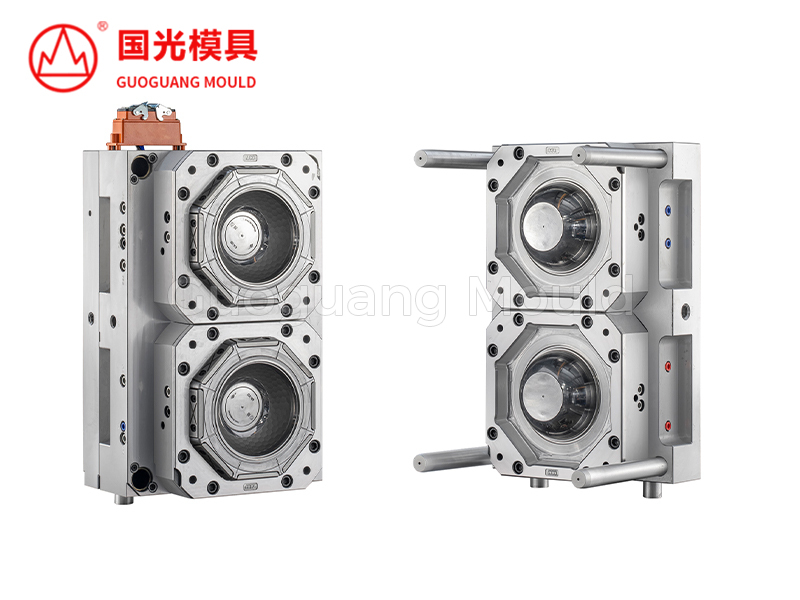
The Injection Plastic Large Round Bowl Mould is a specialized tool designed to produce large round p...
See Details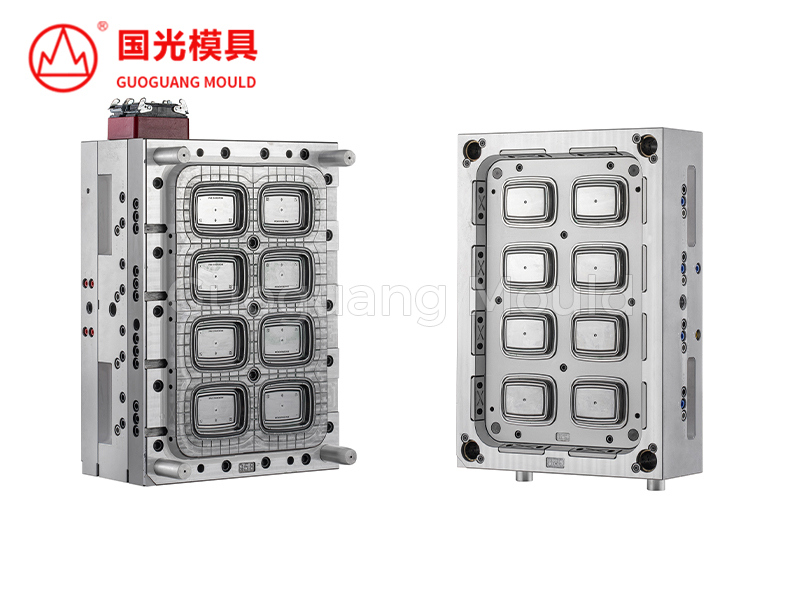
The Thin Wall American Style Small Square Cover Mold is designed for the production of small, square...
See Details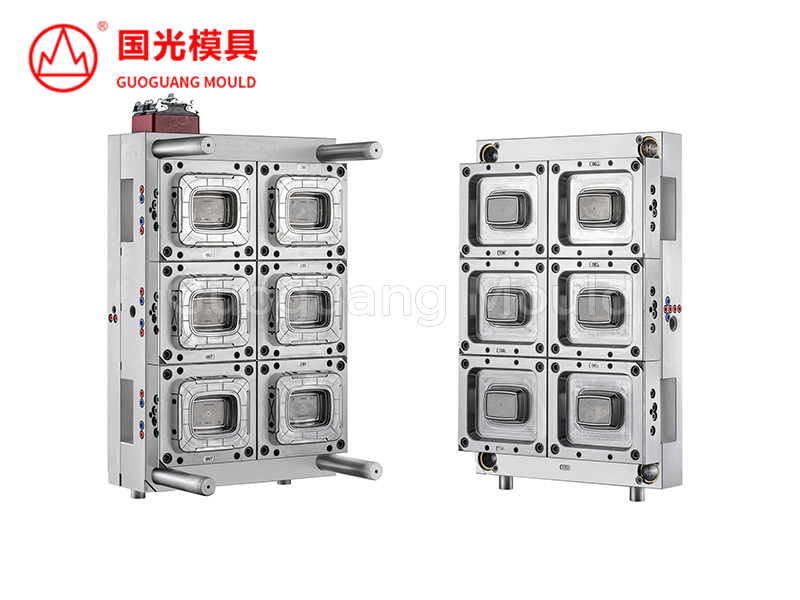
The Plastic Mould for Packaged Food Square Cover is an essential tool for creating square plastic co...
See Details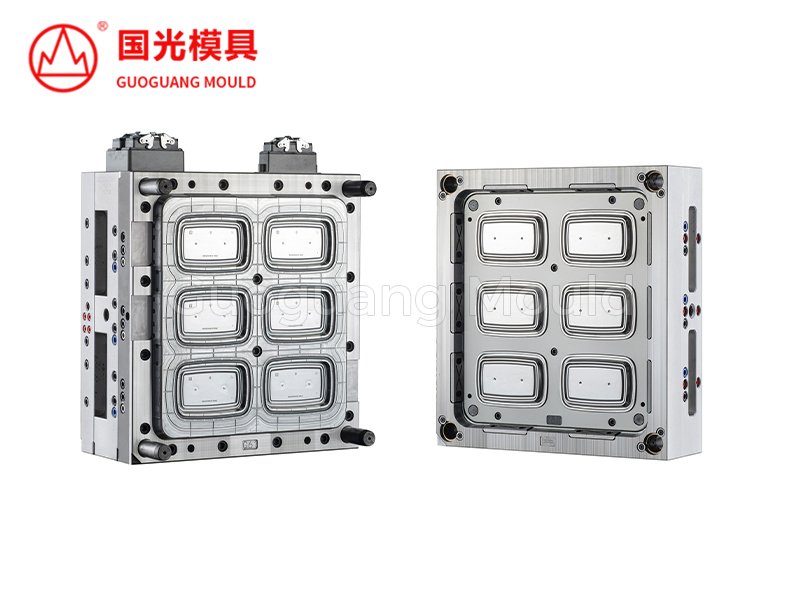
The Thin Wall Square Box Mould is designed for the production of small, square boxes, ensuring effic...
See Details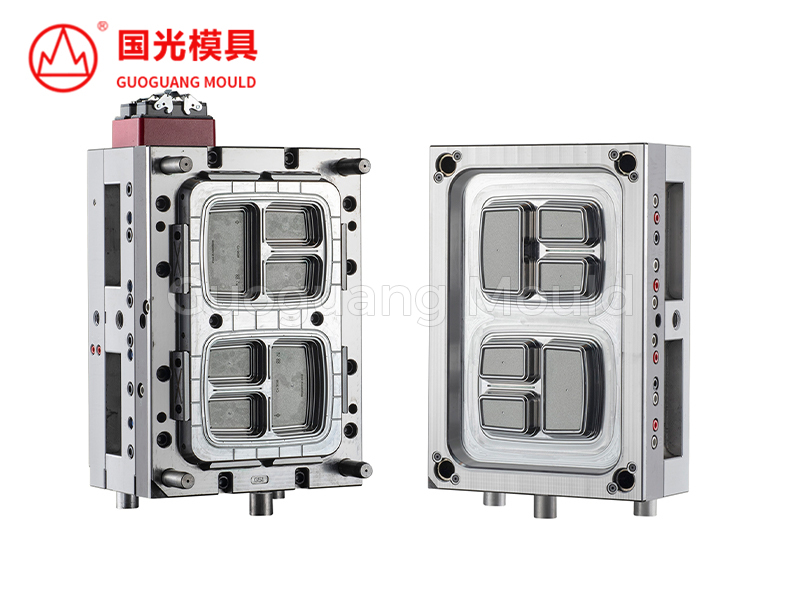
The Restaurant Packaged Three-Compartment Lunch Box Mold is designed for producing plastic lunch box...
See Details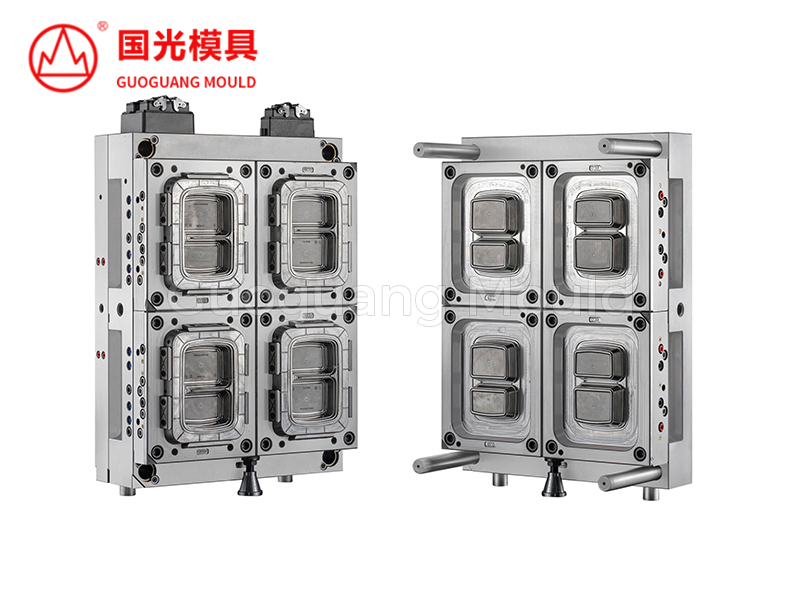
This mould is ideal for high-volume manufacturing, ensuring precise, efficient production of lunch ...
See Details
Guoguang are specialized in thin wall high-speed moulds, almost all cutlery moulds can be customized by us.
Copyright © Zhejiang Taizhou Guoguang Mould Plastic Co., Ltd. All Rights Reserved.
Thin Wall Mold Manufacturer
