 English
 中文简体
中文简体 Español
 عربى
عربى


Guoguang are specialized in thin wall high-speed moulds, almost all cutlery moulds can be customized by us.
Injection plastic round cap molds are specifically designed to manufacture round plastic caps with h...
See Details

In the global packaging industry, where demand for lightweight, durable, and sanitary single-use containers remains strong, a highly specialized tool is at the heart of production: the plastic injection thin wall food container mold. This precision-engineered mold is the critical component in an injection molding machine, defining the form, finish, and functionality of items like yogurt cups, deli trays, fruit punnets, and takeaway clamshells. The design and manufacturing of a plastic injection thin wall food container mold represent a complex intersection of materials science, thermal management, and high-speed manufacturing, focused on producing millions of consistent, safe containers efficiently.
The defining characteristic of this technology is the "thin wall" specification. To reduce material usage, weight, and cooling time, walls of these containers are often less than 1 millimeter thick. This demands exceptional precision from the plastic injection thin wall food container mold. The mold must be machined to exacting tolerances to form these delicate walls uniformly. Furthermore, the mold design must facilitate the badly rapid injection of molten plastic—typically polypropylene or polystyrene—and its subsequent swift and even cooling to achieve short cycle times. Every detail of the plastic injection thin wall food container mold, from the gate design (where plastic enters the cavity) to the venting (to allow air escape) and the ejection system, is optimized for speed and consistency.
Material selection and durability are paramount for a plastic injection thin wall food container mold. Given the high-pressure, high-temperature cycles and abrasive nature of some plastic compounds, mold cores and cavities are typically crafted from hardened tool steels or specialty alloys. These materials resist wear, corrosion from potential additives, and the mechanical stress of millions of cycles. The surface finish of the mold cavity is also crucial, as it is directly replicated onto the plastic container. A high-polish, often chrome-plated finish ensures easy part ejection and gives the final food container a clean, attractive appearance that is also easy to clean and prevents bacterial adherence.
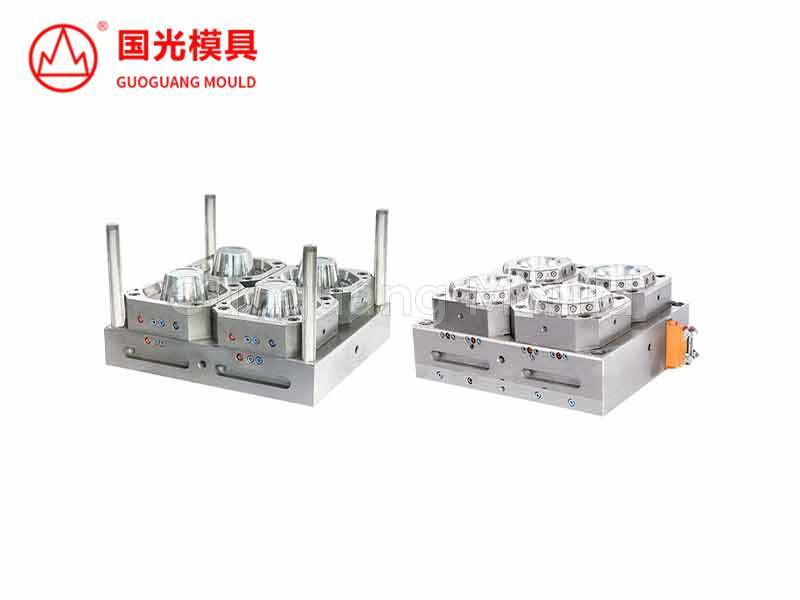
The role of the mold extends into critical aspects of food safety and compliance. A well-designed plastic injection thin wall food container mold must facilitate the production of containers that meet relevant food contact regulations. This includes ensuring the design allows for proper cleaning during molding to prevent contaminant buildup and that the chosen mold materials do not impart any unwanted substances into the plastic. The precision of the mold also ensures consistent wall thickness, which is vital for both structural integrity during transportation and for providing an effective barrier to protect the food contents.
Innovation in plastic injection thin wall food container mold technology is driven by sustainability goals and the need for greater efficiency. Trends include molds designed for use with new, bio-based or recycled plastics, which may have different flow and cooling characteristics. There is also a focus on developing even faster cycle times through improved cooling channel designs, such as conformal cooling, where channels follow the contour of the mold cavity for ideal heat extraction. As the packaging industry evolves, the plastic injection thin wall food container mold will remain the sophisticated, high-precision tool that enables the mass production of the lightweight, functional containers essential to modern food distribution and consumption.
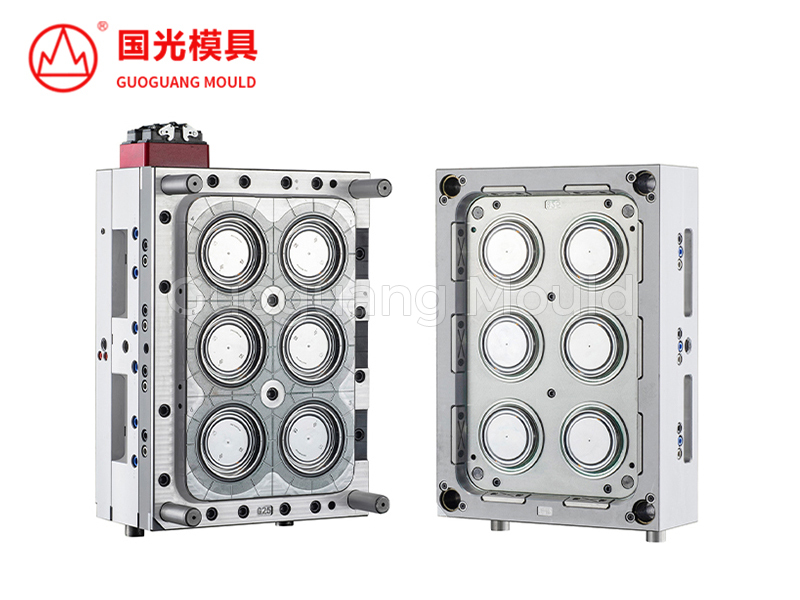
Injection plastic round cap molds are specifically designed to manufacture round plastic caps with h...
See Details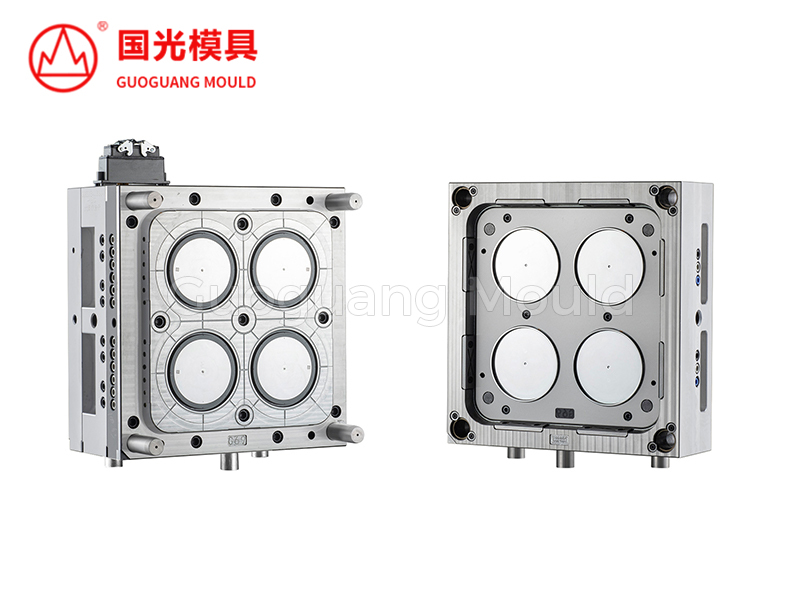
Injection plastic round bowl moulds are designed to create high-quality, durable plastic round bowls...
See Details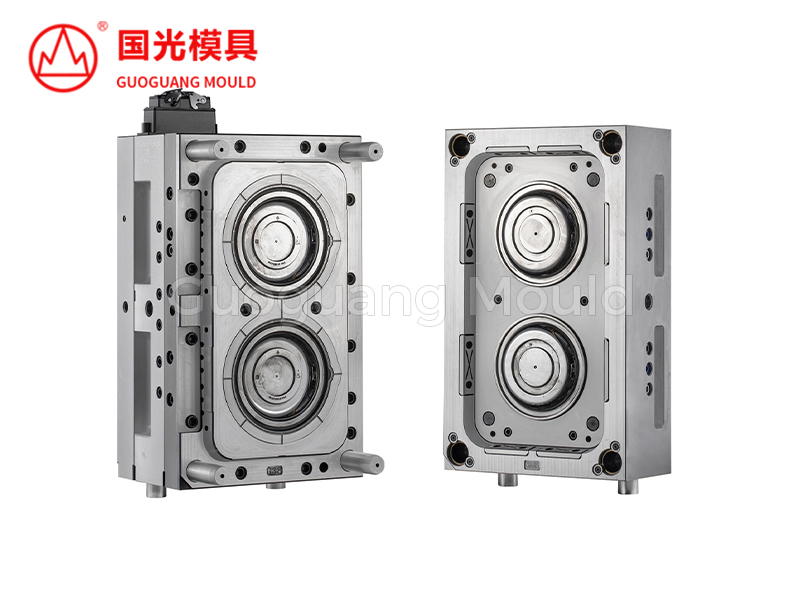
The Thin Wall American Style Large Round Cover Mould is a specialised tool designed for the producti...
See Details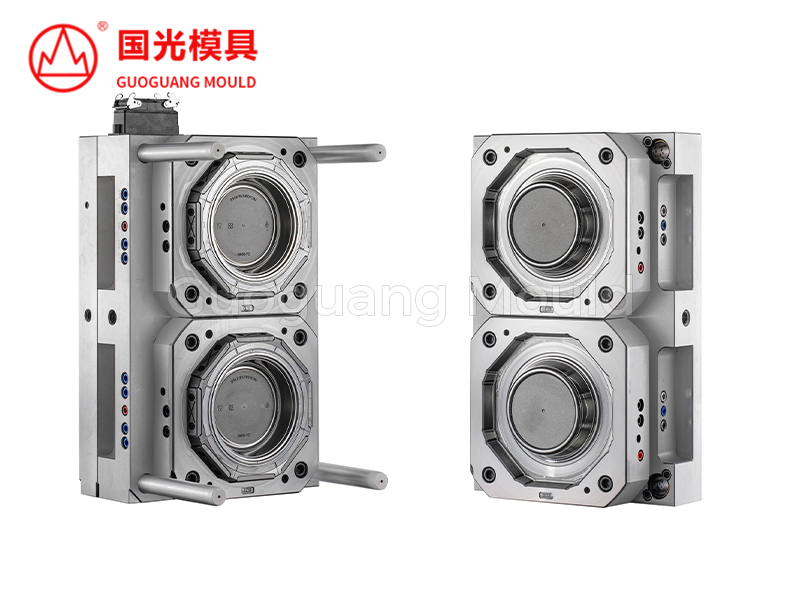
The Injection Plastic American Style Large Round Bowl Mold is an advanced tool designed specifically...
See Details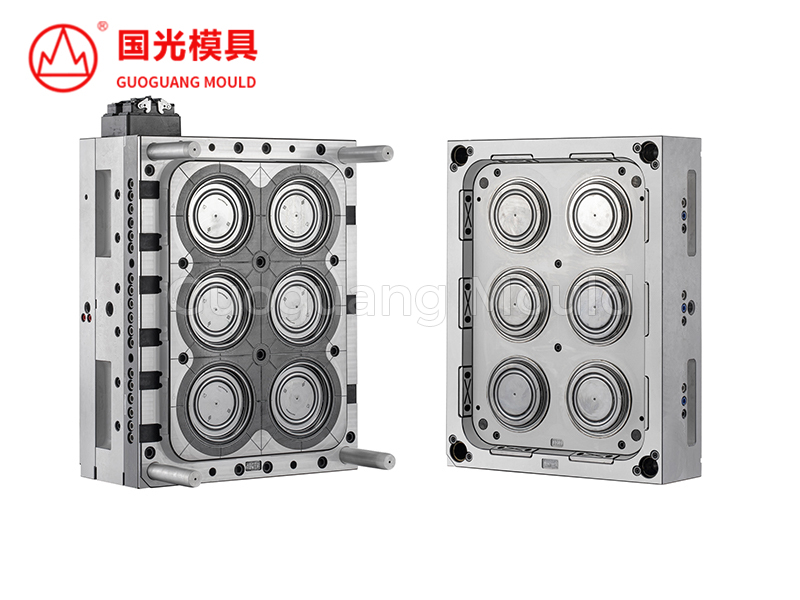
The Thin Wall American Medium Round Cap Mould is a highly efficient tool designed for the production...
See Details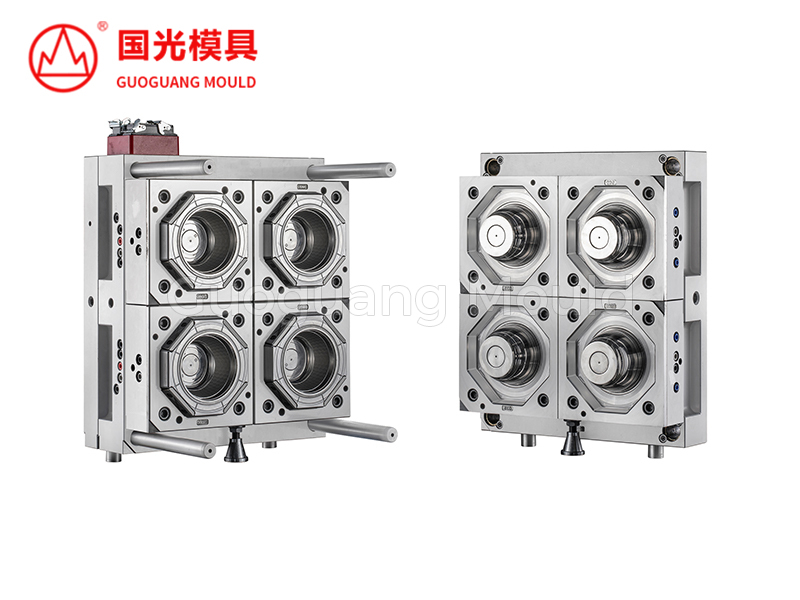
The Thin Wall Medium Size American Bowl Mould is designed for efficient production of medium-sized b...
See Details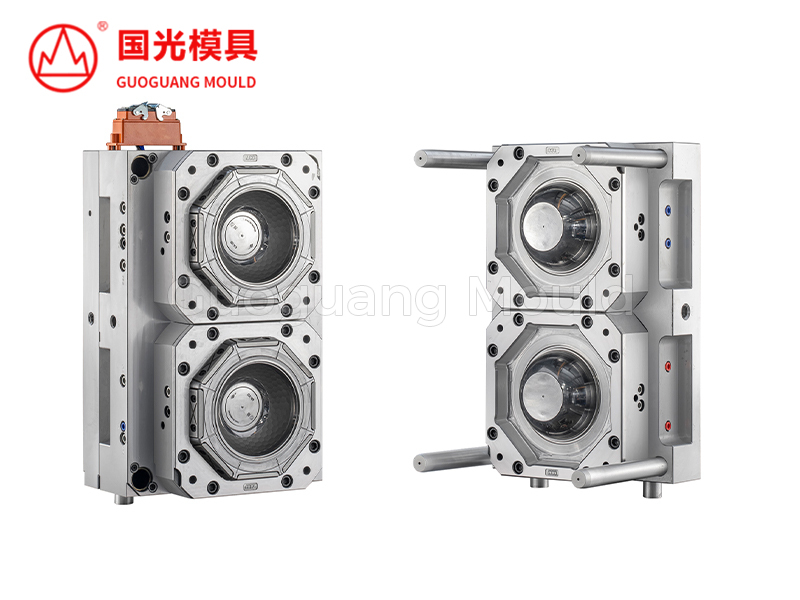
The Injection Plastic Large Round Bowl Mould is a specialized tool designed to produce large round p...
See Details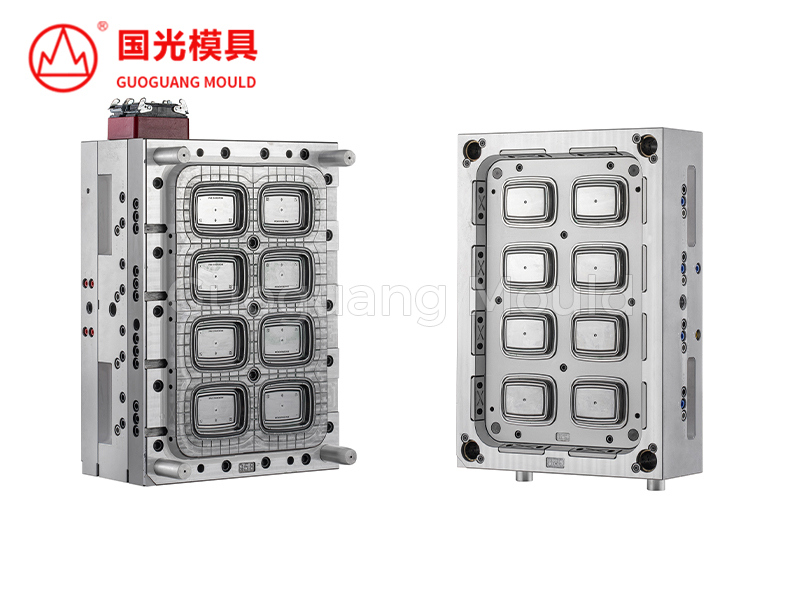
The Thin Wall American Style Small Square Cover Mold is designed for the production of small, square...
See Details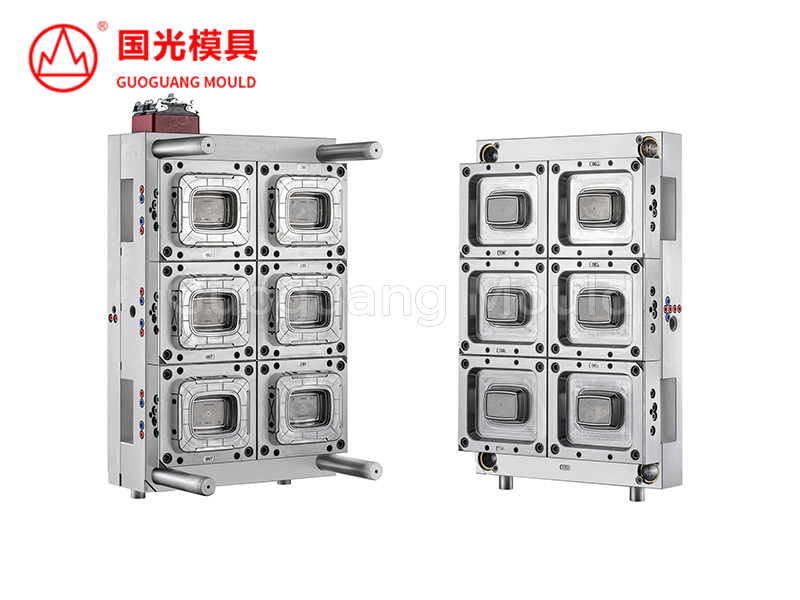
The Plastic Mould for Packaged Food Square Cover is an essential tool for creating square plastic co...
See Details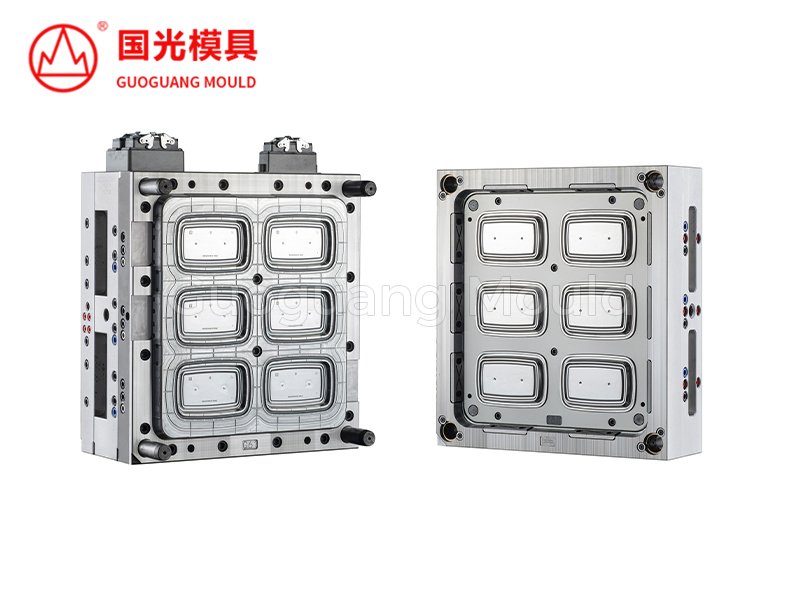
The Thin Wall Square Box Mould is designed for the production of small, square boxes, ensuring effic...
See Details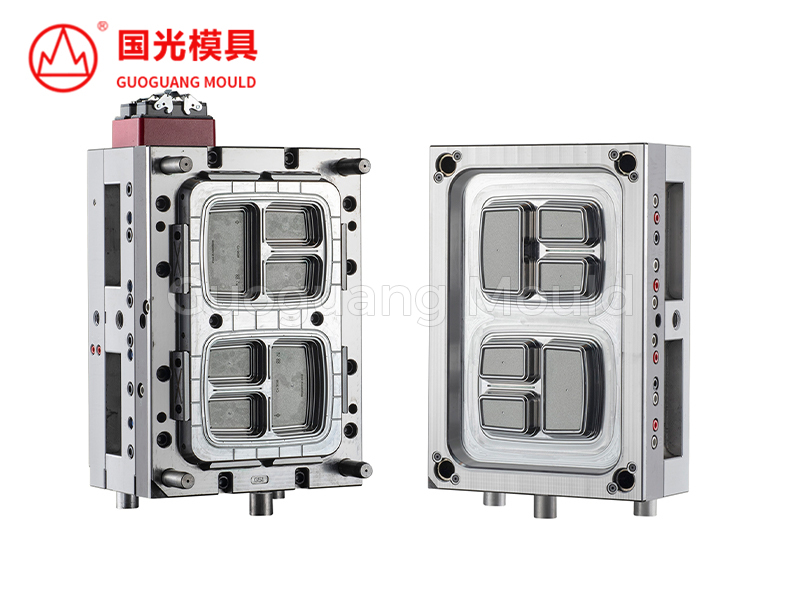
The Restaurant Packaged Three-Compartment Lunch Box Mold is designed for producing plastic lunch box...
See Details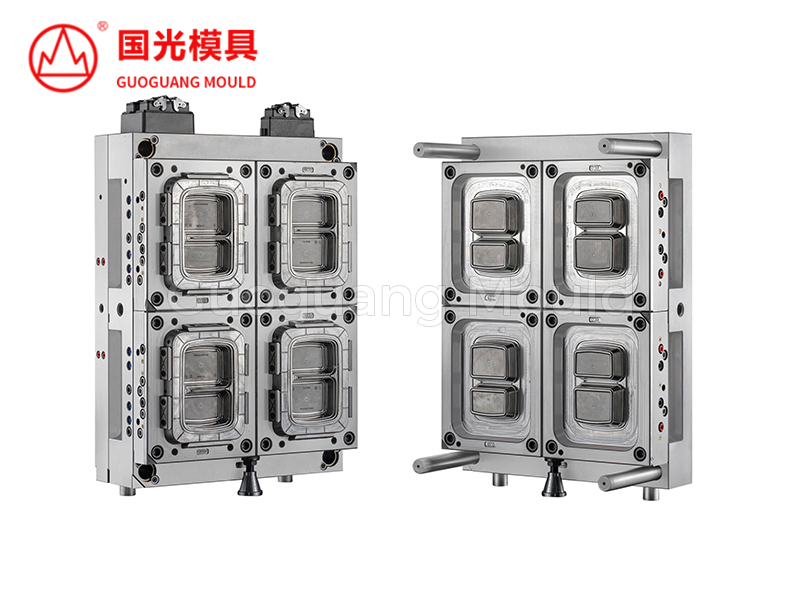
This mould is ideal for high-volume manufacturing, ensuring precise, efficient production of lunch ...
See Details
Guoguang are specialized in thin wall high-speed moulds, almost all cutlery moulds can be customized by us.
Copyright © Zhejiang Taizhou Guoguang Mould Plastic Co., Ltd. All Rights Reserved.
Thin Wall Mold Manufacturer
