 English
 中文简体
中文简体 Español
 عربى
عربى


Guoguang are specialized in thin wall high-speed moulds, almost all cutlery moulds can be customized by us.
Injection plastic round cap molds are specifically designed to manufacture round plastic caps with h...
See Details

The design and manufacture of reusable and disposable lunch containers with multiple food sections is closely tied to the specialized tooling of the plastic compartment lunch box mould. This category of injection mould is engineered to produce single-unit containers featuring integrated dividers, creating distinct compartments within a single lid-and-base assembly. The demand for the plastic compartment lunch box mould reflects ongoing consumer preferences for convenient, portion-controlled, and organized meal packaging for school, work, and takeaway purposes.
The primary function of a plastic compartment lunch box mould is to form a container that securely separates different food items. Achieving this requires a mould with a more complex internal geometry than a standard lunch box mould. The plastic compartment lunch box mould must create thin yet robust divider walls that are seamlessly integrated into the container's base. This involves precise machining of the mould's core and cavity to ensure these internal walls have consistent thickness and height, and draft angles that allow for proper ejection of the finished part. The cooling system design within the plastic compartment lunch box mould is also critical, as it must manage heat extraction evenly across both the outer walls and the internal divider structures to prevent warping and ensure dimensional stability.
Market trends significantly influence the specifications for a new plastic compartment lunch box mould. There is a notable focus on designs that enhance user experience, such as compartments with varying depths or specifically shaped sections for dressings, fruits, or main dishes. The versatility offered by a well-designed plastic compartment lunch box mould allows brands to differentiate their products in a competitive market. Furthermore, the plastic compartment lunch box mould is increasingly expected to facilitate production that meets certain material efficiency goals. Optimizing the design to use the small necessary plastic without compromising the rigidity of the dividers is a key consideration for mould engineers and their clients.
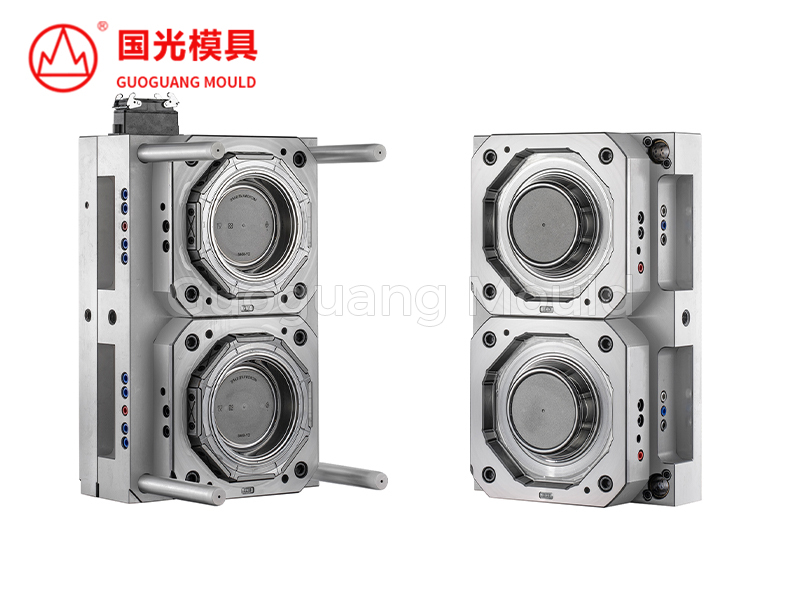
From a production standpoint, the operational efficiency of a plastic compartment lunch box mould is paramount. These moulds are used in high-volume manufacturing environments where cycle time directly impacts cost. A robust plastic compartment lunch box mould is built to endure continuous cycling, with particular attention paid to the ejection mechanism that must release the more complex container shape cleanly. The durability of the steel and the application of specialized surface treatments help the plastic compartment lunch box mould resist wear, especially on the thinner divider core sections, thereby extending its service life and maintaining consistent part quality over long production runs.
The evolution of the plastic compartment lunch box mould is likely to follow developments in material usage and manufacturing technology. This may include adapting mould designs for new types of resins, such as more durable copolymers for reusable products or certified food-grade recycled materials. Innovations in mould manufacturing, like conformal cooling channels, could further improve cycle times and energy efficiency for the plastic compartment lunch box mould. As demand for convenient, functional, and sustainable food packaging continues, the role of the specialized plastic compartment lunch box mould as an enabler of product innovation remains secure. Its ongoing refinement demonstrates how precision tooling directly supports the creation of everyday products that meet specific functional and market-driven requirements.
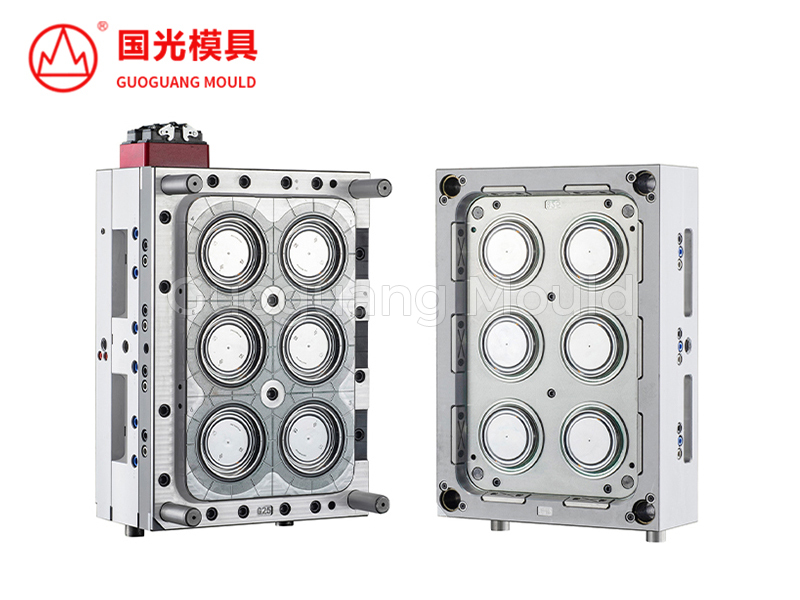
Injection plastic round cap molds are specifically designed to manufacture round plastic caps with h...
See Details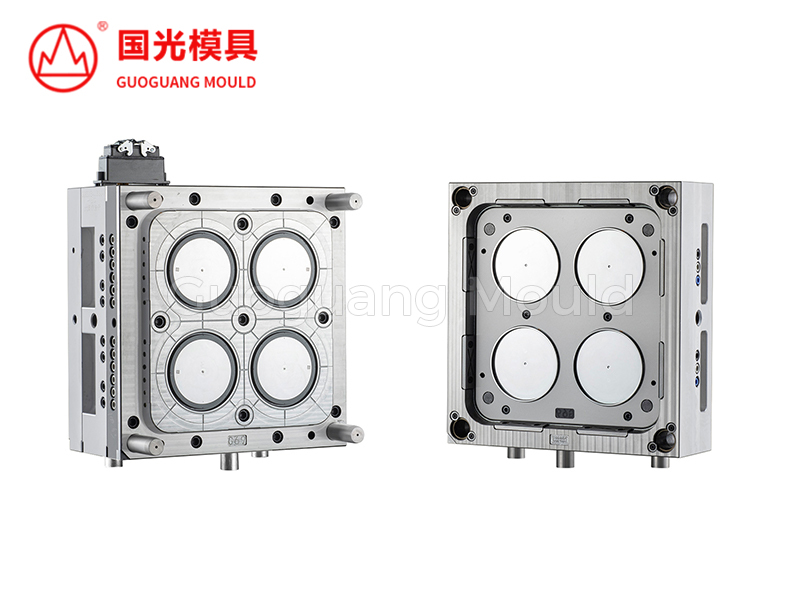
Injection plastic round bowl moulds are designed to create high-quality, durable plastic round bowls...
See Details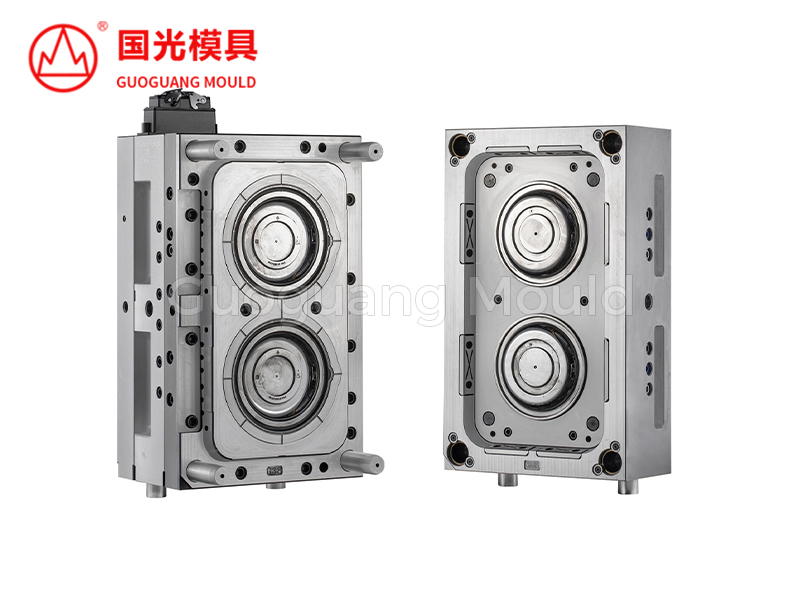
The Thin Wall American Style Large Round Cover Mould is a specialised tool designed for the producti...
See Details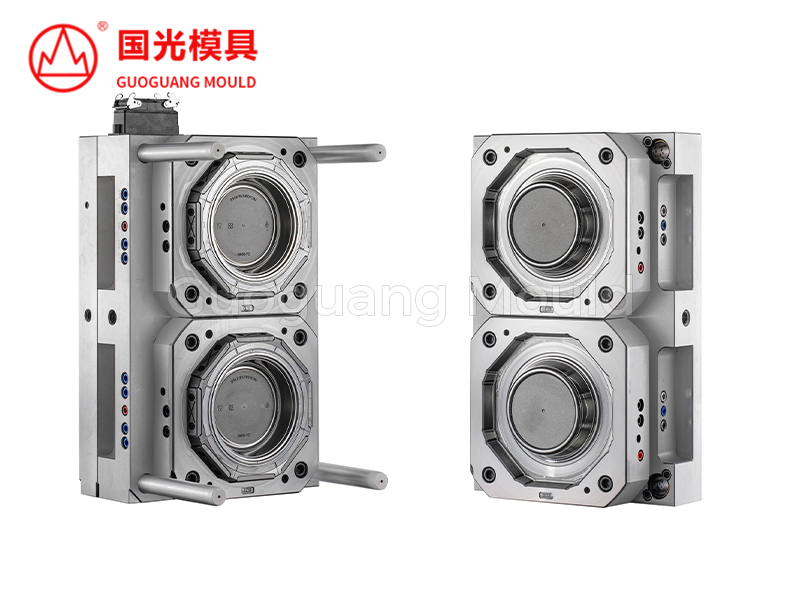
The Injection Plastic American Style Large Round Bowl Mold is an advanced tool designed specifically...
See Details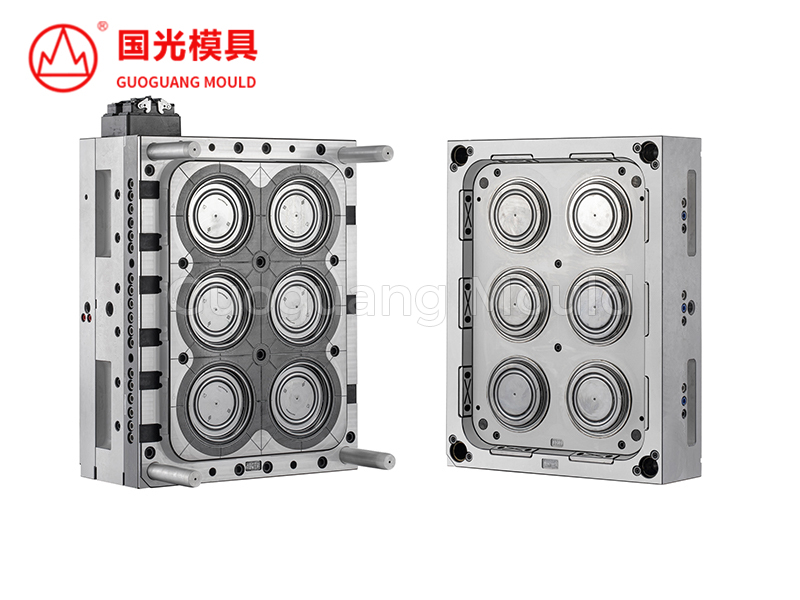
The Thin Wall American Medium Round Cap Mould is a highly efficient tool designed for the production...
See Details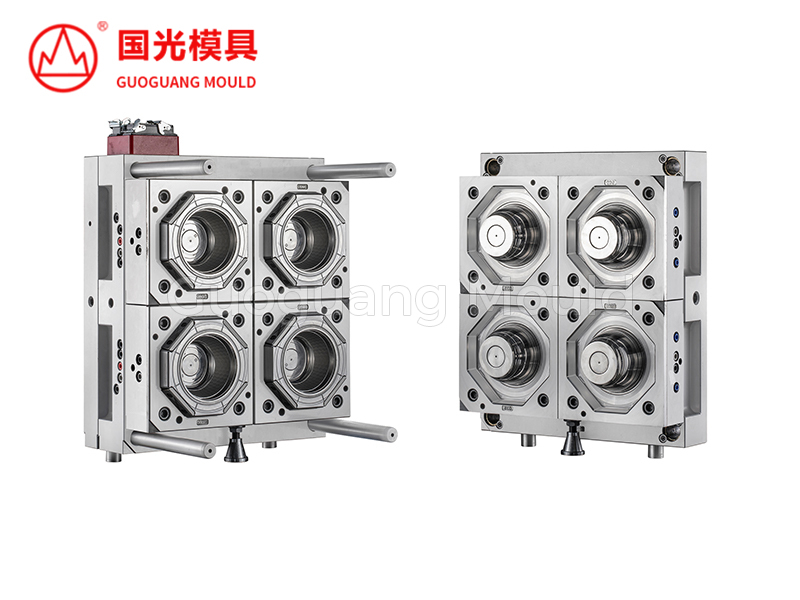
The Thin Wall Medium Size American Bowl Mould is designed for efficient production of medium-sized b...
See Details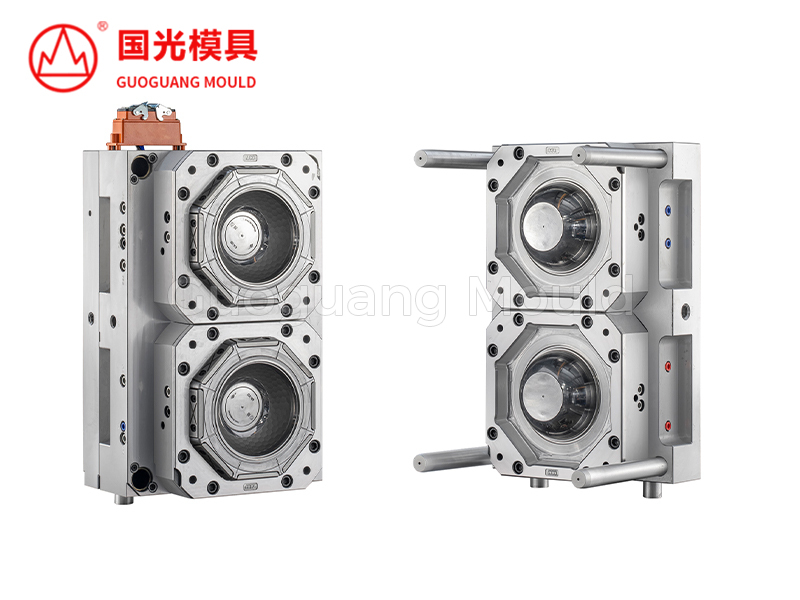
The Injection Plastic Large Round Bowl Mould is a specialized tool designed to produce large round p...
See Details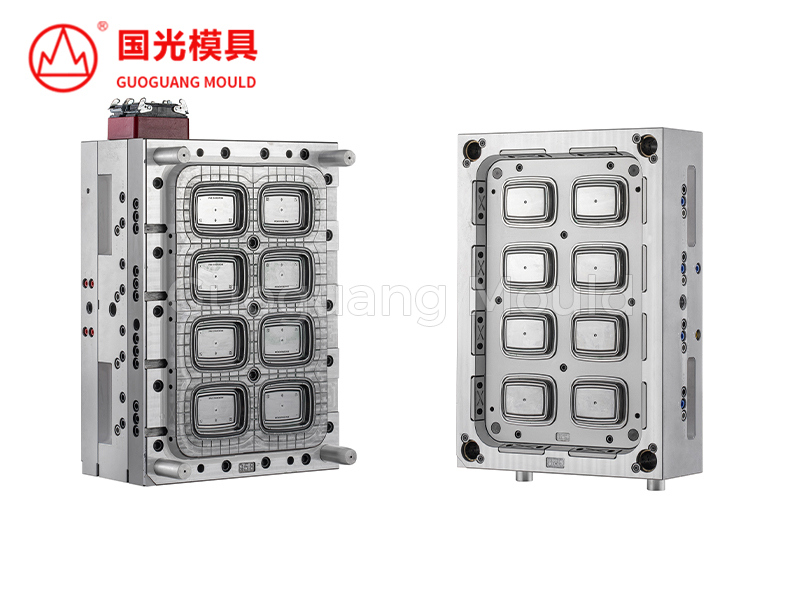
The Thin Wall American Style Small Square Cover Mold is designed for the production of small, square...
See Details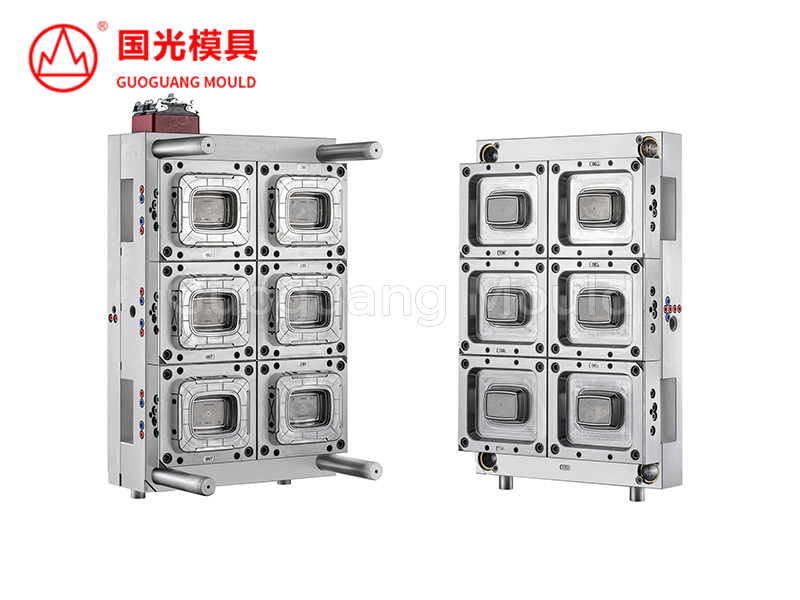
The Plastic Mould for Packaged Food Square Cover is an essential tool for creating square plastic co...
See Details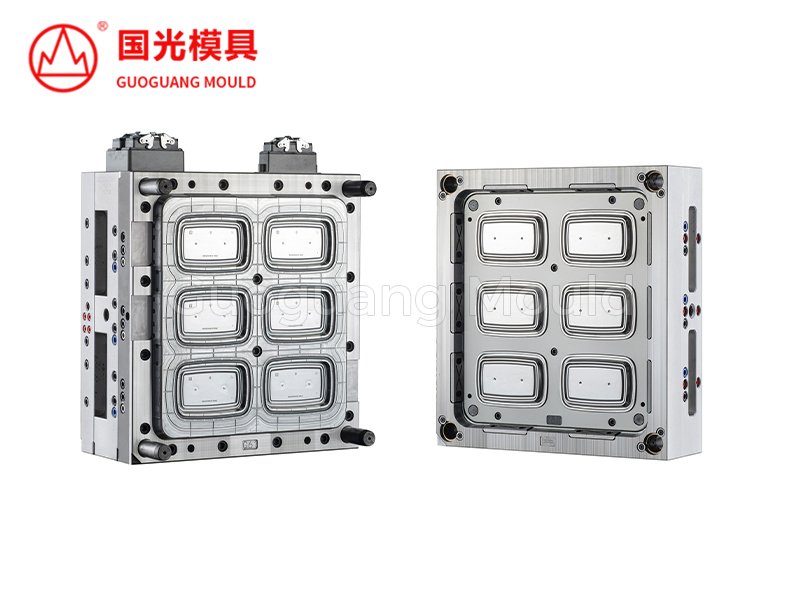
The Thin Wall Square Box Mould is designed for the production of small, square boxes, ensuring effic...
See Details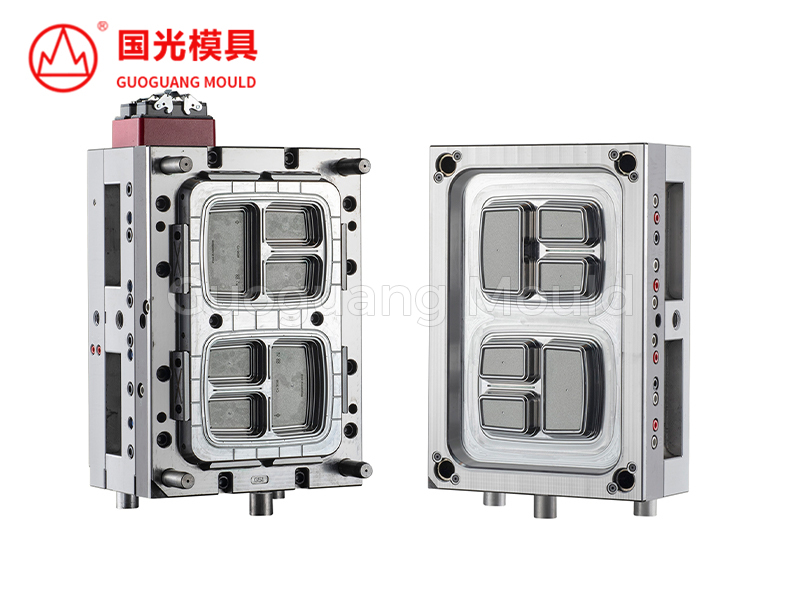
The Restaurant Packaged Three-Compartment Lunch Box Mold is designed for producing plastic lunch box...
See Details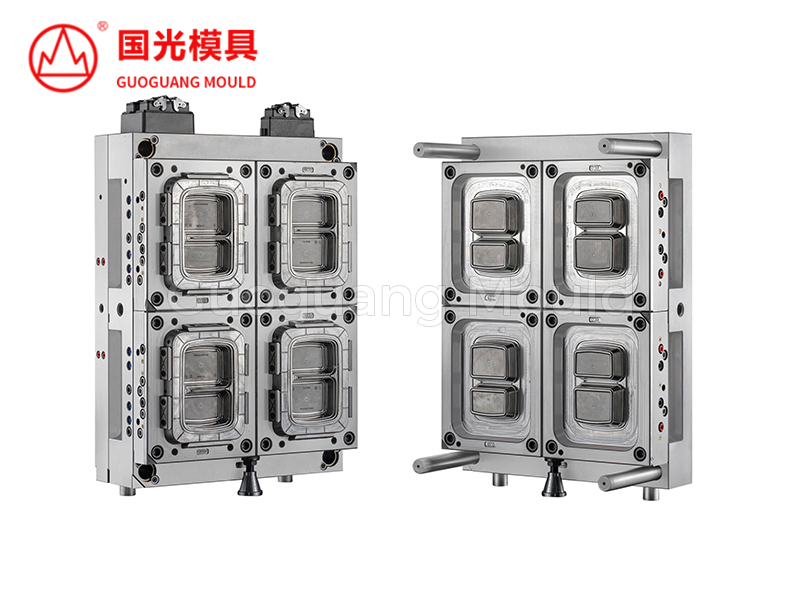
This mould is ideal for high-volume manufacturing, ensuring precise, efficient production of lunch ...
See Details
Guoguang are specialized in thin wall high-speed moulds, almost all cutlery moulds can be customized by us.
Copyright © Zhejiang Taizhou Guoguang Mould Plastic Co., Ltd. All Rights Reserved.
Thin Wall Mold Manufacturer
