 English
 中文简体
中文简体 Español
 عربى
عربى


Guoguang are specialized in thin wall high-speed moulds, almost all cutlery moulds can be customized by us.
Injection plastic round cap molds are specifically designed to manufacture round plastic caps with h...
See Details

The production of single-serving dairy and beverage cups is closely linked to the specialized engineering of the thin wall milk cup mold. This category of injection mold is designed to manufacture lightweight, stackable plastic cups with consistent, small wall thickness. As consumer demand for portable dairy products, yogurt, and similar items remains steady, the performance of the thin wall milk cup mold directly influences manufacturing efficiency, product integrity, and material usage within the packaging sector.
The core technical challenge addressed by the thin wall milk cup mold is achieving structural stability with small resin. These molds are engineered to produce cups with walls often measuring less than a millimeter in thickness. To accomplish this, the design of a thin wall milk cup mold prioritizes precision in every aspect. The cavities and cores are machined to exacting tolerances, ensuring uniform wall distribution and consistent cup dimensions. The cooling system within the thin wall milk cup mold is critical; it must rapidly and evenly extract heat from the thin plastic to facilitate fast cycle times and prevent warping or other defects in the finished milk cup.
Economic and sustainability factors are significant drivers for innovation in thin wall milk cup mold technology. Reducing the weight of each cup by a fraction of a gram, enabled by a more precise thin wall milk cup mold, leads to substantial material savings over a production run of millions of units. This source reduction is a key objective for producers aiming to lower costs and less environmental impact. Furthermore, the thin wall milk cup mold must reliably process various plastic materials, including polypropylene and polystyrene, and increasingly, grades containing post-consumer recycled content, which can have different flow properties than virgin resin.
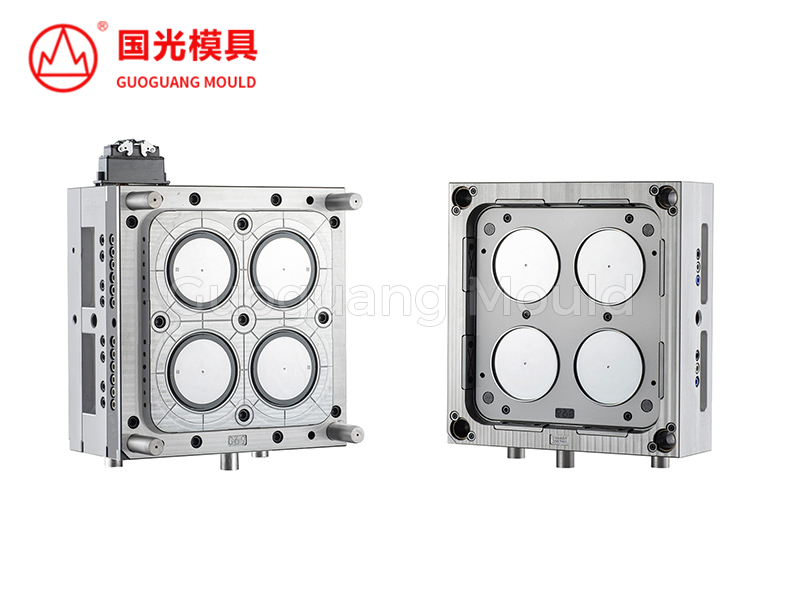
Operational efficiency on the production floor is heavily dependent on the reliability of the thin wall milk cup mold. In high-speed molding operations, the thin wall milk cup mold must withstand continuous cycling with small downtime. Features such as robust ejection systems, wear-resistant coatings on critical surfaces, and effective venting to allow air escape during injection are essential for the longevity and performance of a thin wall milk cup mold. A well-maintained thin wall milk cup mold can produce hundreds of thousands of cups with consistent quality, which is vital for meeting the large-volume orders typical of the dairy industry.
The development of the thin wall milk cup mold is expected to align with broader industry trends. This includes the potential adoption of molds designed for new biopolymer materials and continued refinement for even faster cycle times through advanced cooling channel designs. The integration of sensor technology for monitoring temperature and pressure inside the thin wall milk cup mold could provide valuable data for predictive maintenance and process optimization. As the market for single-serve dairy and beverage products persists, the thin wall milk cup mold will remain a crucial and evolving piece of manufacturing technology. Its ongoing advancement reflects the packaging industry's continuous effort to balance cost-effectiveness, production speed, material efficiency, and product performance in a competitive and environmentally conscious marketplace.
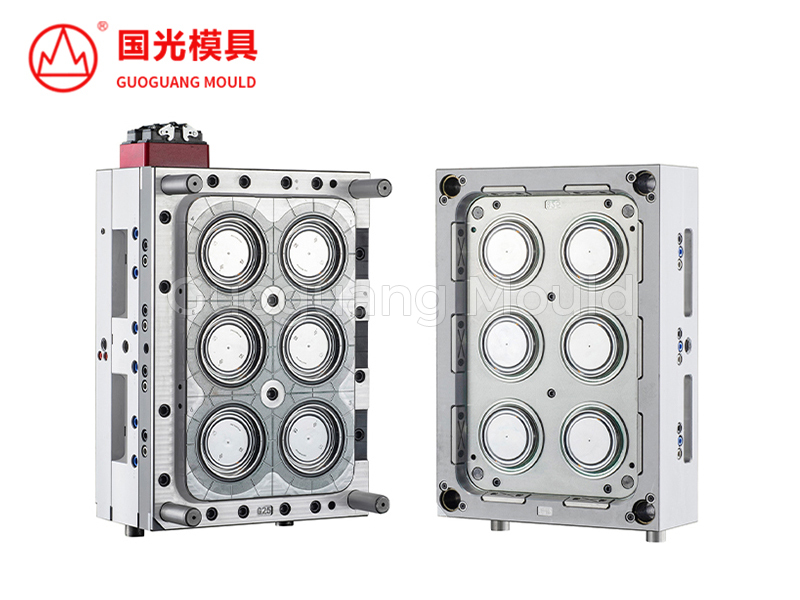
Injection plastic round cap molds are specifically designed to manufacture round plastic caps with h...
See Details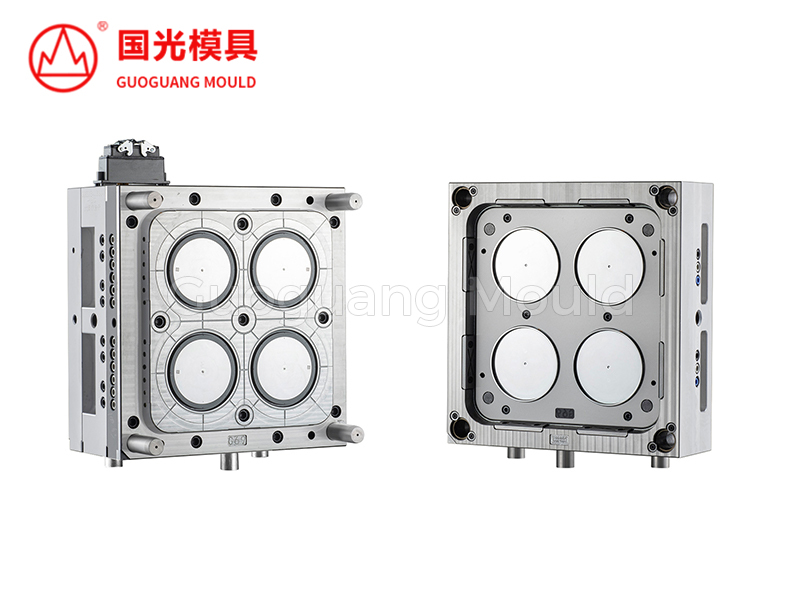
Injection plastic round bowl moulds are designed to create high-quality, durable plastic round bowls...
See Details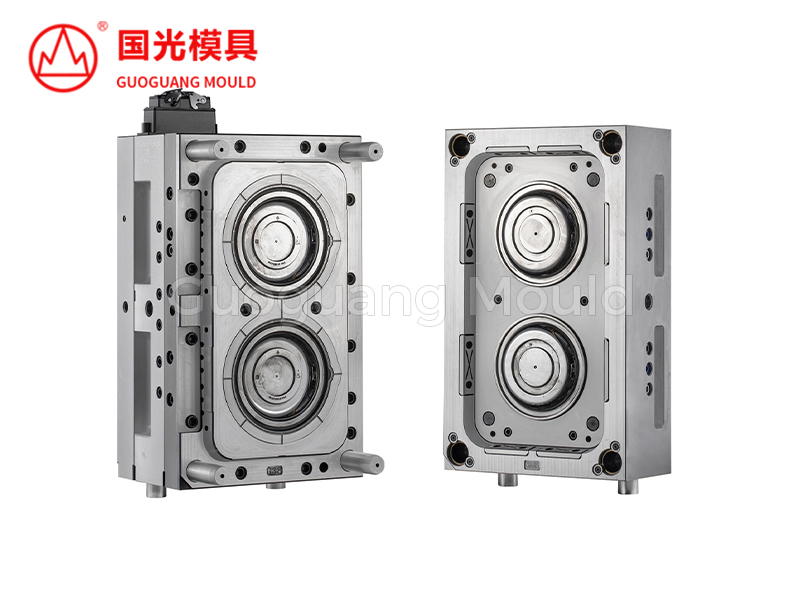
The Thin Wall American Style Large Round Cover Mould is a specialised tool designed for the producti...
See Details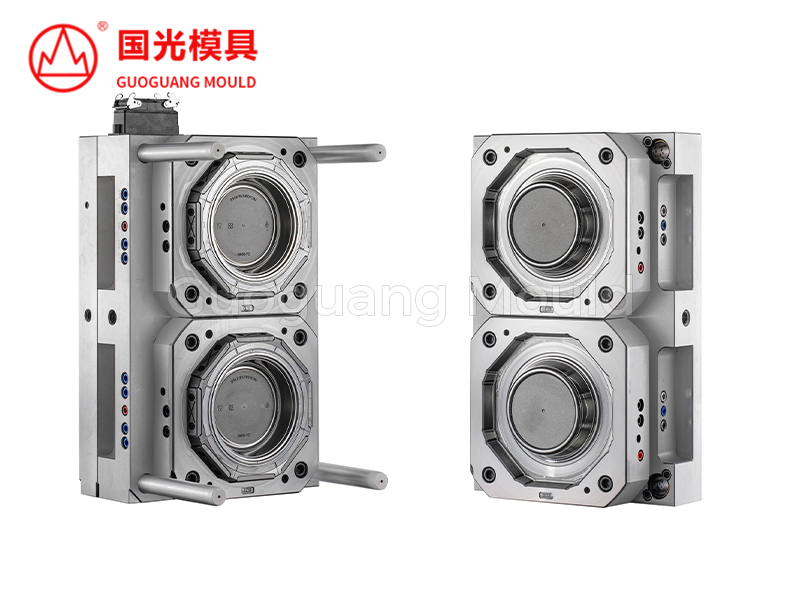
The Injection Plastic American Style Large Round Bowl Mold is an advanced tool designed specifically...
See Details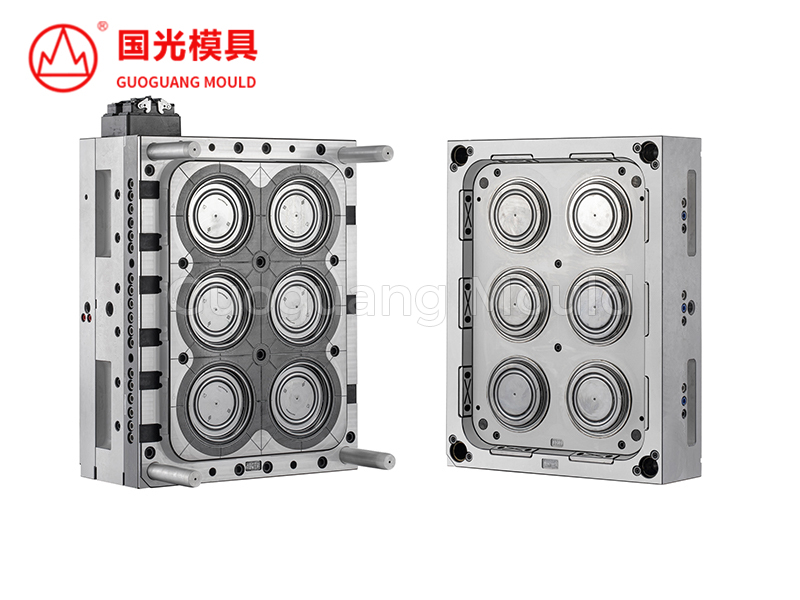
The Thin Wall American Medium Round Cap Mould is a highly efficient tool designed for the production...
See Details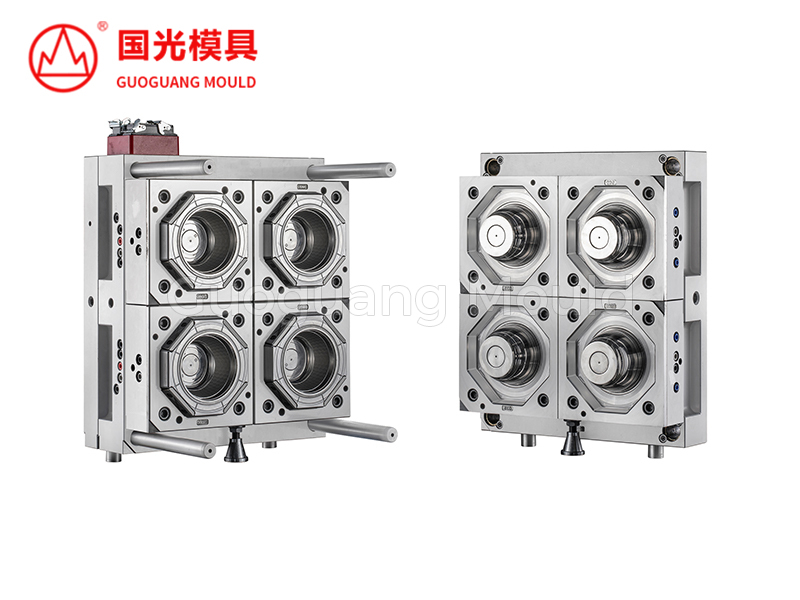
The Thin Wall Medium Size American Bowl Mould is designed for efficient production of medium-sized b...
See Details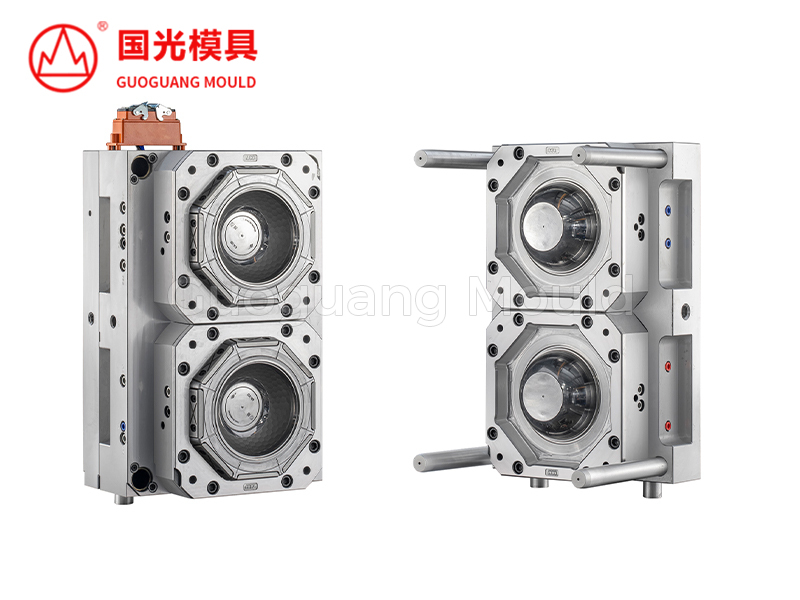
The Injection Plastic Large Round Bowl Mould is a specialized tool designed to produce large round p...
See Details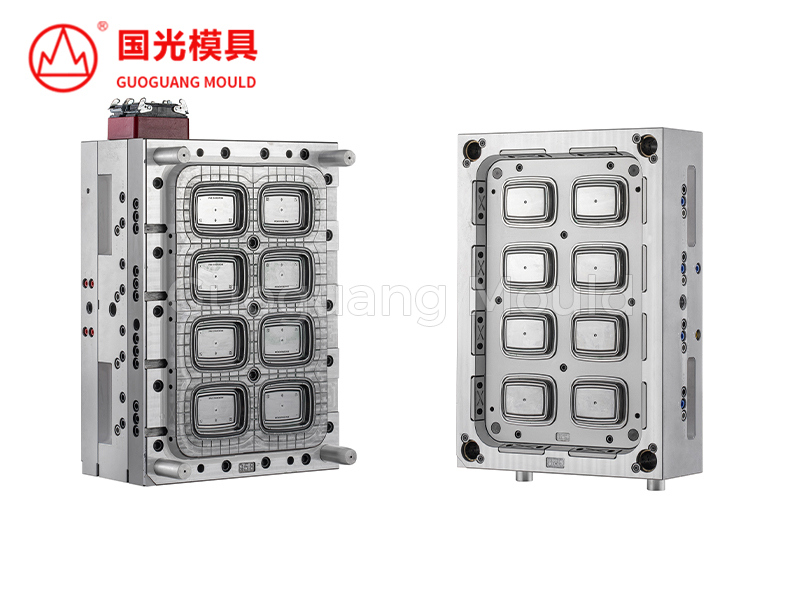
The Thin Wall American Style Small Square Cover Mold is designed for the production of small, square...
See Details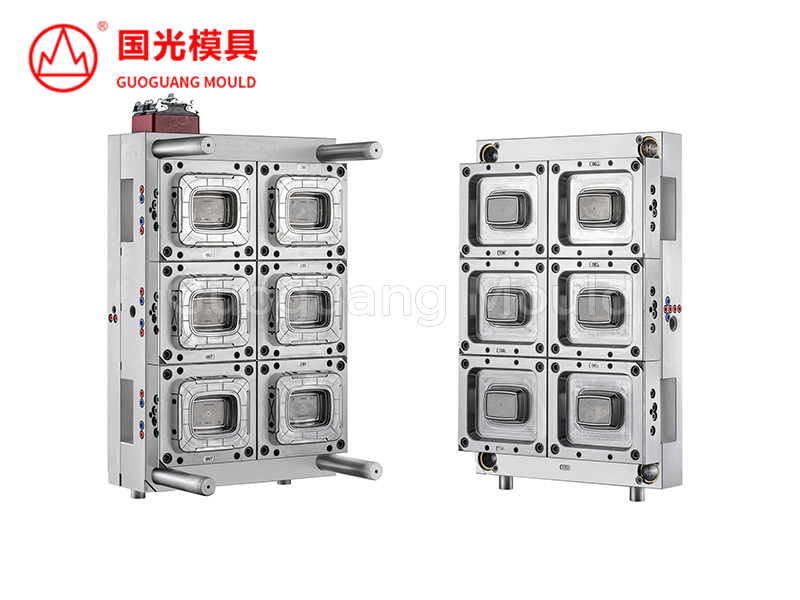
The Plastic Mould for Packaged Food Square Cover is an essential tool for creating square plastic co...
See Details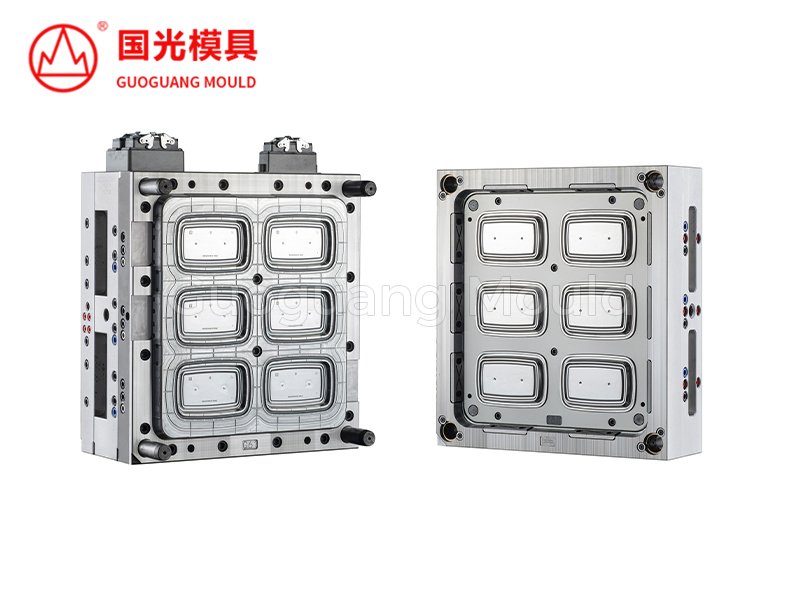
The Thin Wall Square Box Mould is designed for the production of small, square boxes, ensuring effic...
See Details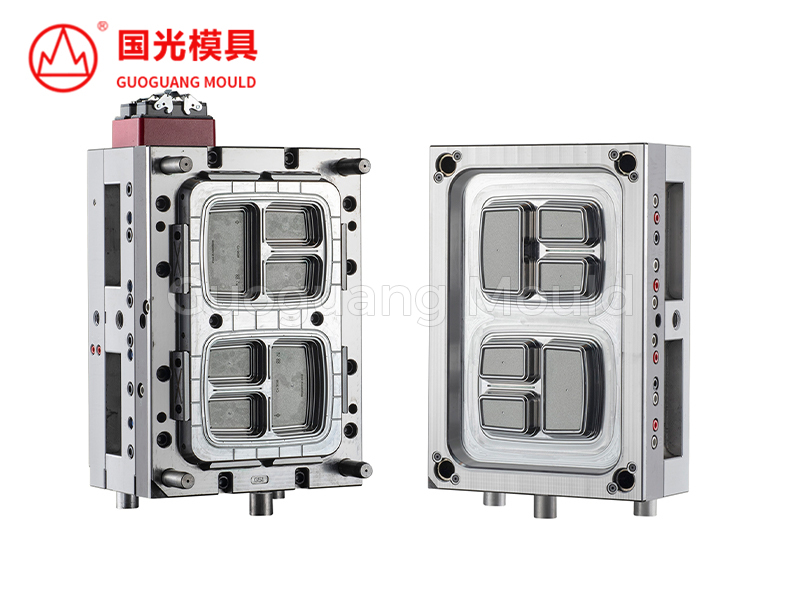
The Restaurant Packaged Three-Compartment Lunch Box Mold is designed for producing plastic lunch box...
See Details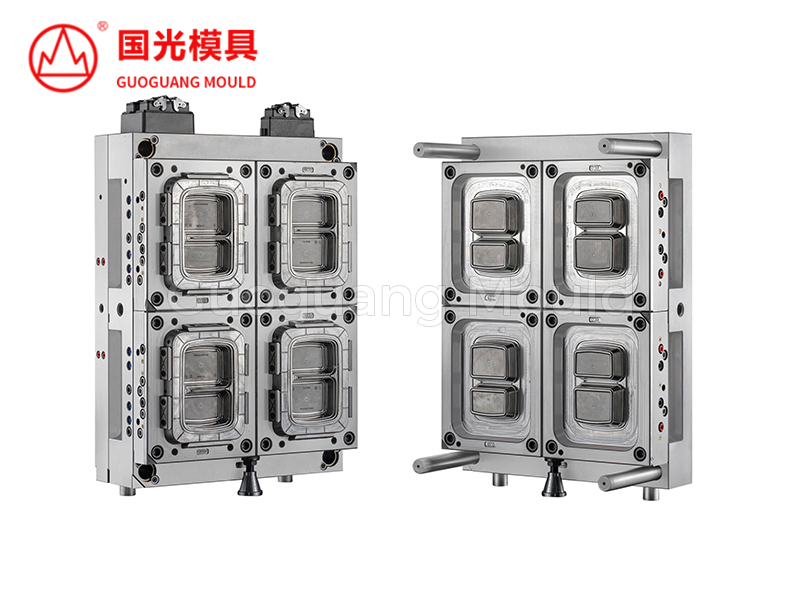
This mould is ideal for high-volume manufacturing, ensuring precise, efficient production of lunch ...
See Details
Guoguang are specialized in thin wall high-speed moulds, almost all cutlery moulds can be customized by us.
Copyright © Zhejiang Taizhou Guoguang Mould Plastic Co., Ltd. All Rights Reserved.
Thin Wall Mold Manufacturer
