 English
 中文简体
中文简体 Español
 عربى
عربى


Guoguang are specialized in thin wall high-speed moulds, almost all cutlery moulds can be customized by us.
Injection plastic round cap molds are specifically designed to manufacture round plastic caps with h...
See Details

The specialized segment of tooling dedicated to the fast-food thin-wall lunch box mold is witnessing consistent development, driven by the steady global demand for quick-service restaurant packaging and evolving consumer expectations. A fast-food thin-wall lunch box mold is a precision injection mold engineered to produce the specific clamshell containers, bowls, and hinged boxes commonly used for takeaway and delivery meals. The performance of the fast-food thin-wall lunch box mold directly impacts production efficiency, container functionality, material usage, and the overall economics of disposable foodservice packaging.
The design and manufacturing of a modern fast-food thin-wall lunch box mold require a focus on several critical parameters. The mold must create containers with walls thin enough to less plastic consumption and cost, yet thick enough to provide necessary rigidity, heat resistance, and leak resistance. Achieving this balance is the core challenge addressed by a well-engineered fast-food thin-wall lunch box mold. It involves precision-machined cavities and cores, often using hardened tool steels, to ensure dimensional stability over millions of cycles. Furthermore, the cooling system within the fast-food thin-wall lunch box mold is strategically designed to extract heat rapidly and uniformly, enabling the very short cycle times essential for profitable high-volume production of these low-unit-cost items.
A primary industry driver for innovation in the fast-food thin-wall lunch box mold is the push for source reduction and sustainability. Brands and packaging converters are actively seeking ways to use less plastic per container without compromising performance. This places a premium on the capabilities of the fast-food thin-wall lunch box mold to produce containers with optimized, consistent wall thickness. A minor improvement in the precision of a fast-food thin-wall lunch box mold can translate into significant resin savings across millions of units, aligning with environmental goals and reducing material costs. Additionally, the fast-food thin-wall lunch box mold must often accommodate new formulations of recycled content or bio-based polymers, which can have different flow and cooling characteristics than virgin resin.
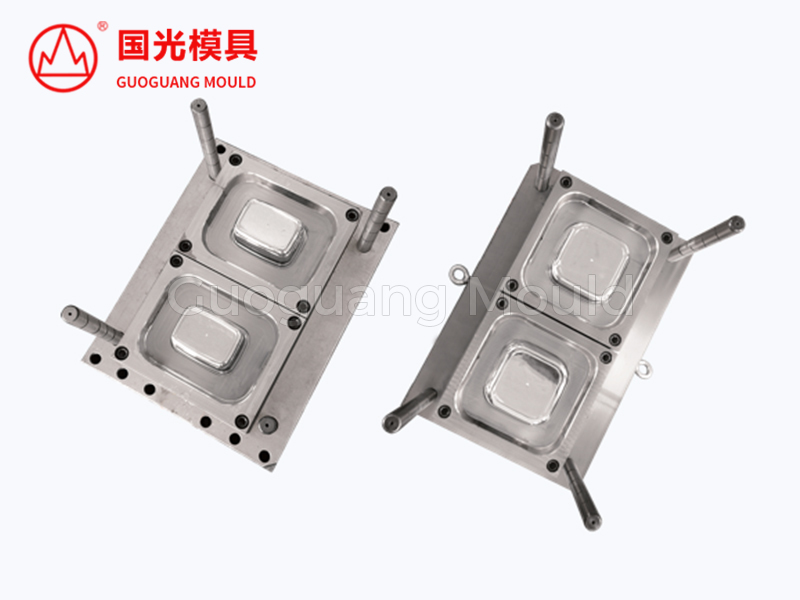
Operational efficiency is another crucial factor tied to the fast-food thin-wall lunch box mold. The fast-food industry relies on just-in-time packaging supply chains, placing a premium on molding machine uptime and output. A robust and reliable fast-food thin-wall lunch box mold lesss downtime for maintenance and cleaning. Features like durable ejector systems, wear-resistant coatings on critical surfaces, and efficient venting to prevent surface defects all contribute to the productivity of a fast-food thin-wall lunch box mold. The ability of a single fast-food thin-wall lunch box mold to produce hundreds of thousands of containers with consistent quality is fundamental to meeting the large-scale needs of national and international restaurant chains.
The development of the fast-food thin-wall lunch box mold is expected to follow trends in automation, material science, and design complexity. There may be an increased use of simulation software to superb mold designs before machining begins, further optimizing cooling and material flow. The integration of sensor technology for process monitoring within the fast-food thin-wall lunch box mold itself could also become more common. As the fast-food and delivery sectors continue to grow, the demand for efficient, cost-effective, and increasingly sustainable packaging will keep the fast-food thin-wall lunch box mold at the forefront of packaging manufacturing technology, underscoring its role as an essential and evolving tool in the global foodservice supply chain.
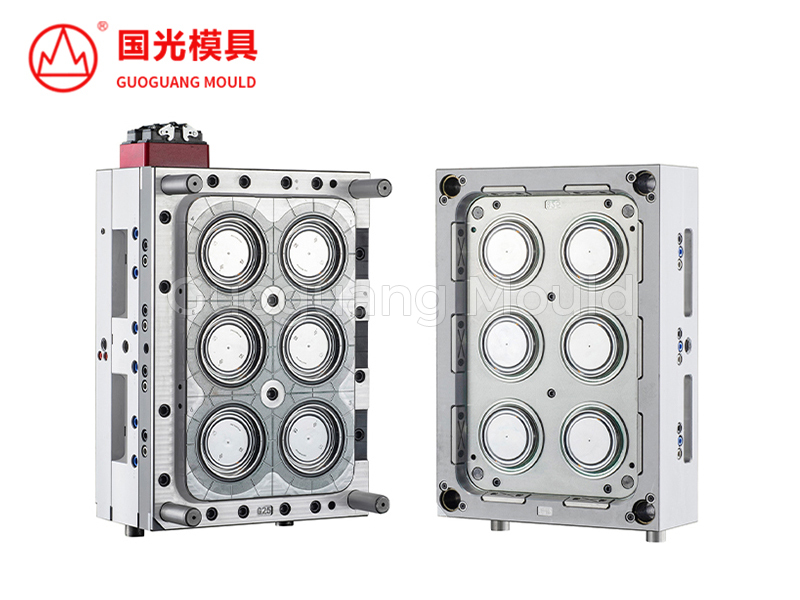
Injection plastic round cap molds are specifically designed to manufacture round plastic caps with h...
See Details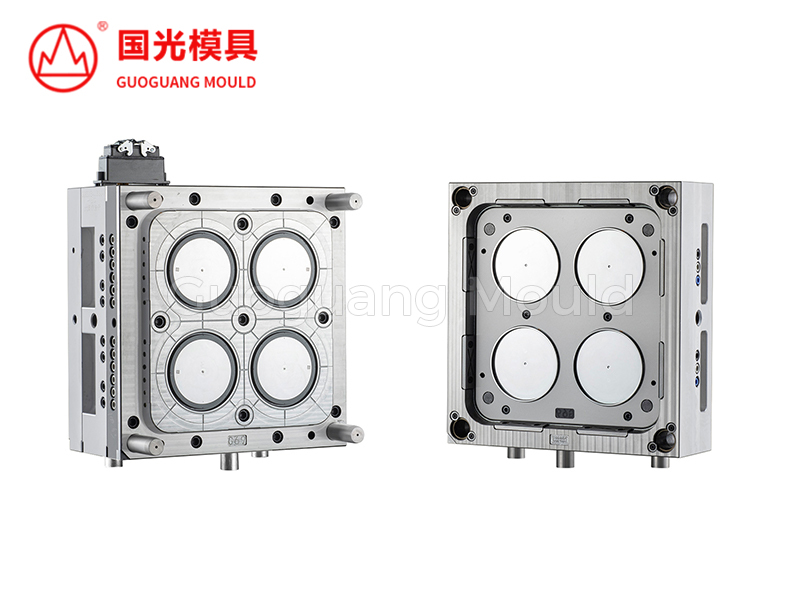
Injection plastic round bowl moulds are designed to create high-quality, durable plastic round bowls...
See Details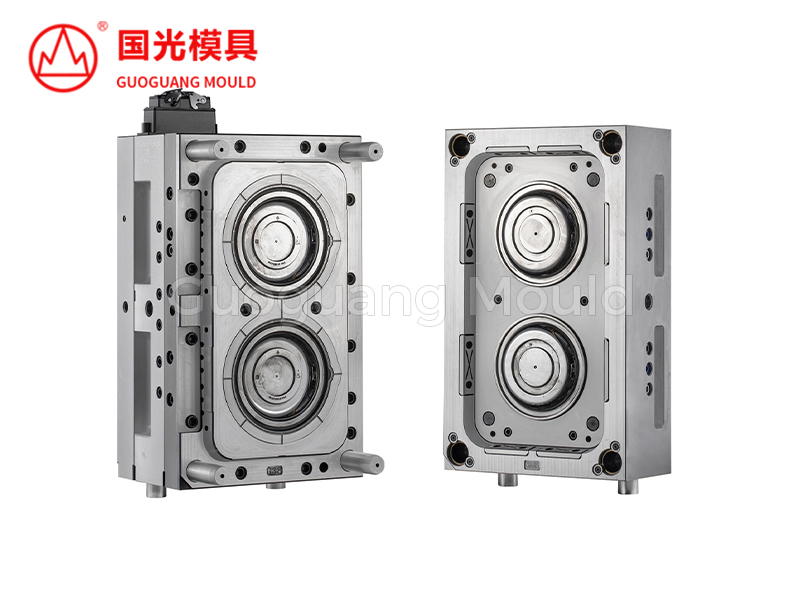
The Thin Wall American Style Large Round Cover Mould is a specialised tool designed for the producti...
See Details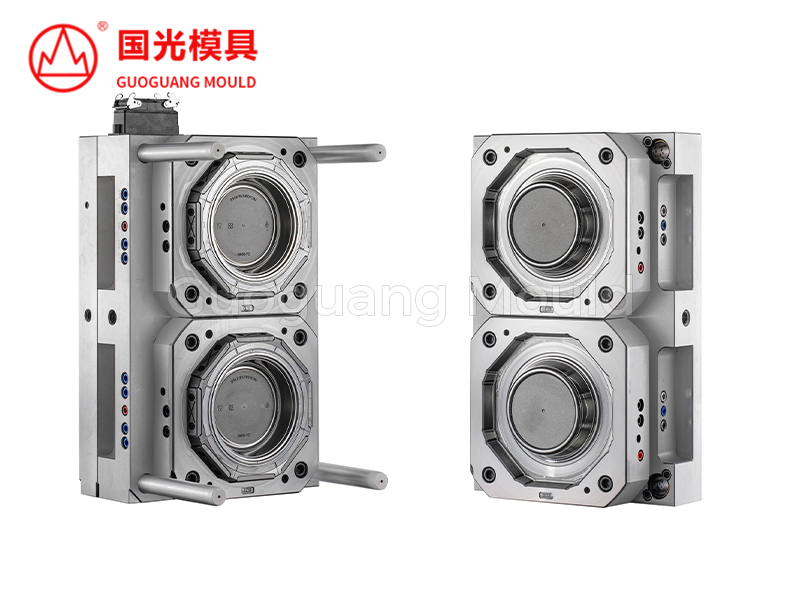
The Injection Plastic American Style Large Round Bowl Mold is an advanced tool designed specifically...
See Details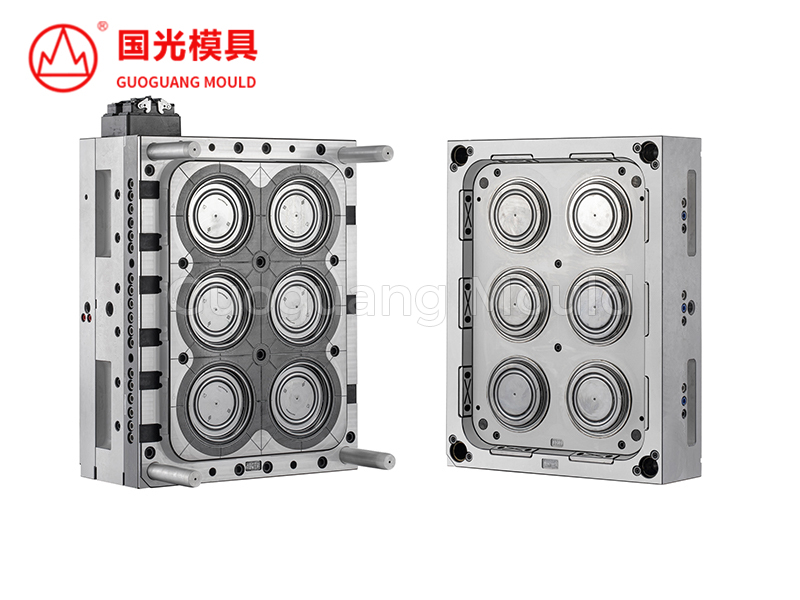
The Thin Wall American Medium Round Cap Mould is a highly efficient tool designed for the production...
See Details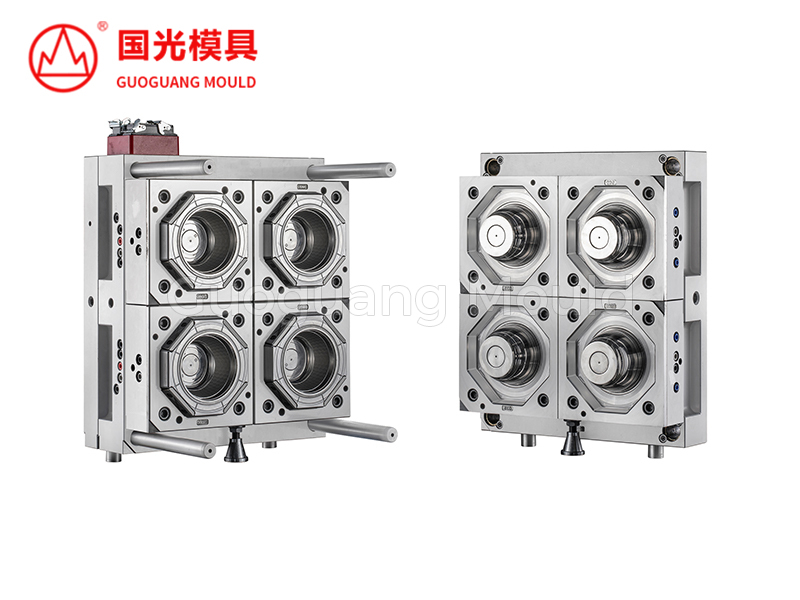
The Thin Wall Medium Size American Bowl Mould is designed for efficient production of medium-sized b...
See Details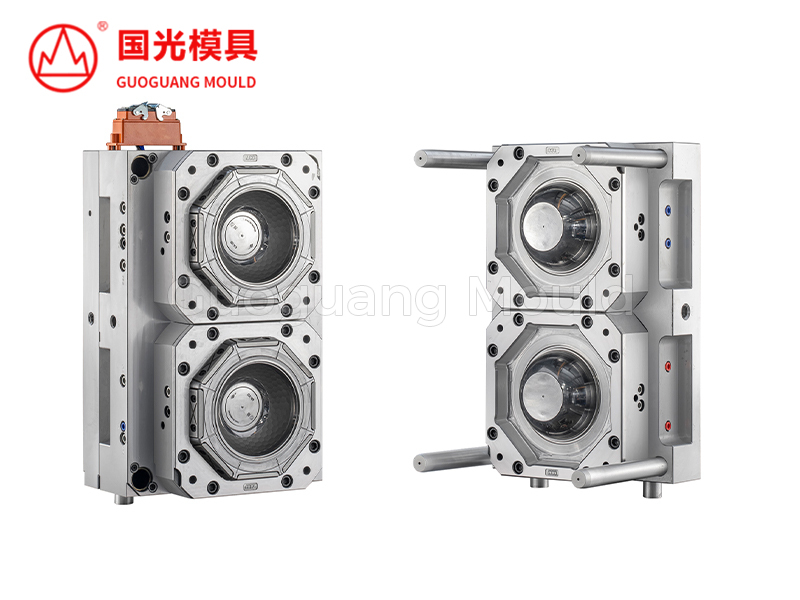
The Injection Plastic Large Round Bowl Mould is a specialized tool designed to produce large round p...
See Details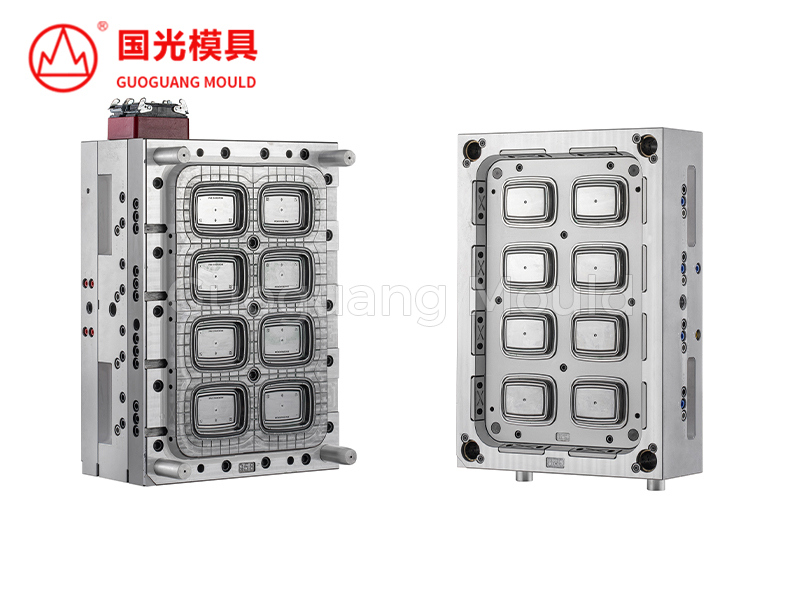
The Thin Wall American Style Small Square Cover Mold is designed for the production of small, square...
See Details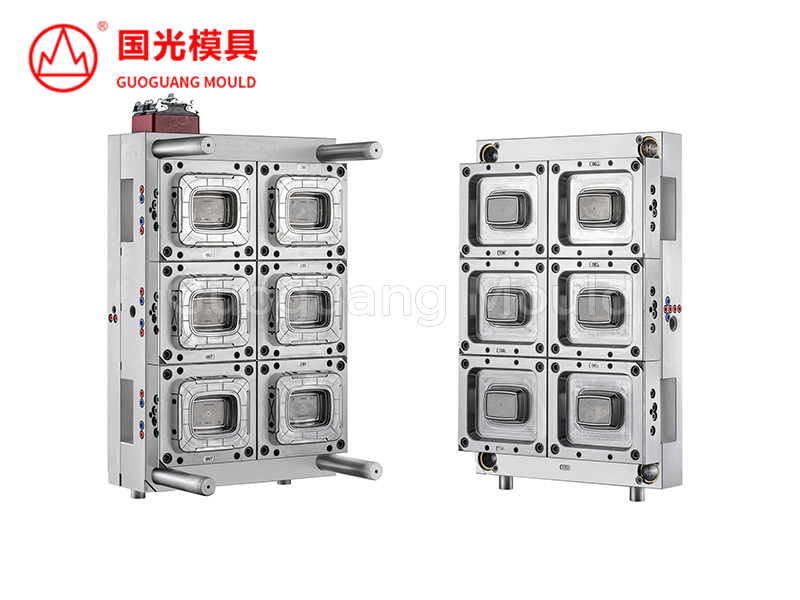
The Plastic Mould for Packaged Food Square Cover is an essential tool for creating square plastic co...
See Details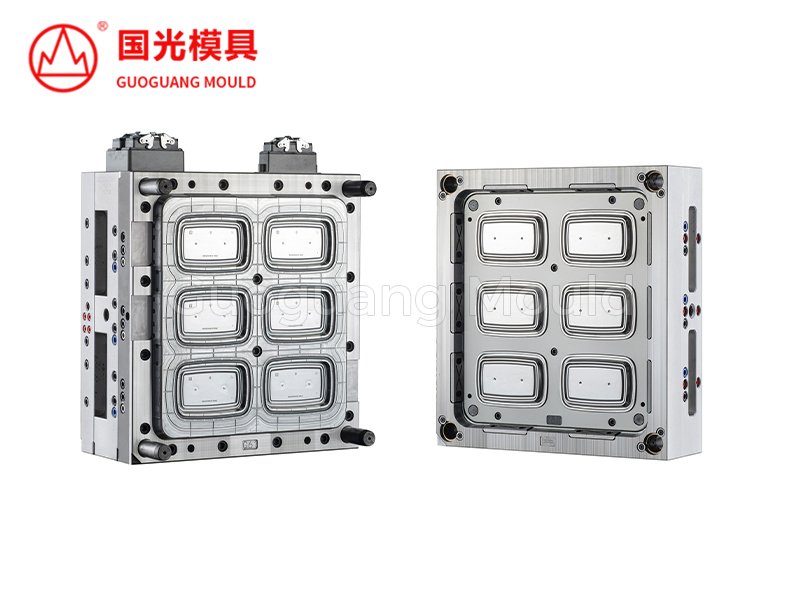
The Thin Wall Square Box Mould is designed for the production of small, square boxes, ensuring effic...
See Details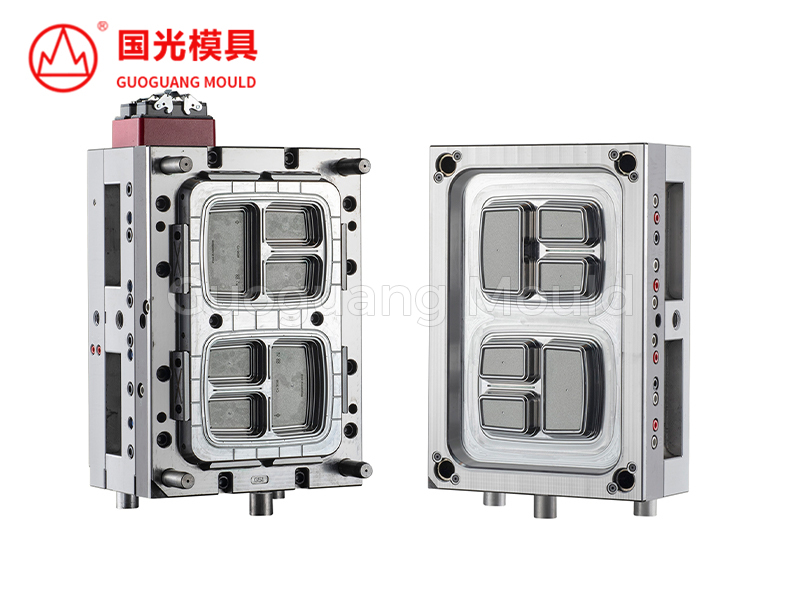
The Restaurant Packaged Three-Compartment Lunch Box Mold is designed for producing plastic lunch box...
See Details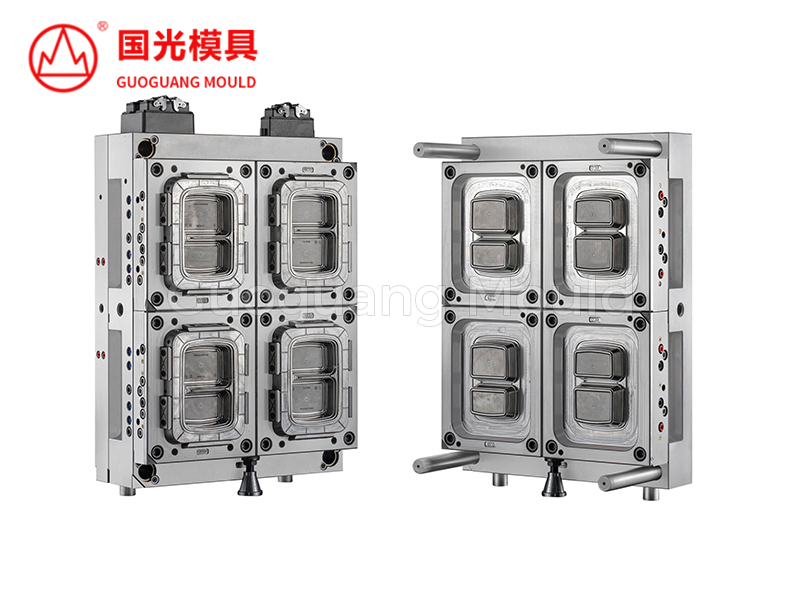
This mould is ideal for high-volume manufacturing, ensuring precise, efficient production of lunch ...
See Details
Guoguang are specialized in thin wall high-speed moulds, almost all cutlery moulds can be customized by us.
Copyright © Zhejiang Taizhou Guoguang Mould Plastic Co., Ltd. All Rights Reserved.
Thin Wall Mold Manufacturer
