 English
 中文简体
中文简体 Español
 عربى
عربى


Guoguang are specialized in thin wall high-speed moulds, almost all cutlery moulds can be customized by us.
Injection plastic round cap molds are specifically designed to manufacture round plastic caps with h...
See Details

The manufacturing of disposable food containers, lids, and trays is increasingly reliant on the technology of the high precision thin-wall mold for food packaging. This specialized tooling category represents a critical intersection of advanced engineering, material science, and production efficiency within the packaging industry. The development and application of a high precision thin-wall mold for food packaging directly influence product quality, material consumption, and manufacturing cycle times, making it a focal point for innovation as brands and converters seek to meet evolving market and sustainability expectations.
The defining characteristic of a high precision thin-wall mold for food packaging is its ability to produce consistent, lightweight plastic parts with badly uniform wall thicknesses. Achieving this requires exceptional accuracy in the mold's cavity and core design, often manufactured with advanced CNC machining and electrical discharge machining processes. The cooling channel layout within a high precision thin-wall mold for food packaging is also meticulously engineered to ensure rapid and even heat extraction from the molten plastic, which is crucial for achieving fast cycle times and preventing defects like warping or sink marks in the final thin-walled part. The durability of the steel used in a high precision thin-wall mold for food packaging is paramount to withstand the high injection pressures and rapid cycling inherent in high-volume production.
The drive toward source reduction and lightweighting is a major factor amplifying the need for a high precision thin-wall mold for food packaging. By enabling the production of containers that use less plastic resin while maintaining structural integrity and performance, a well-designed high precision thin-wall mold for food packaging contributes directly to material savings and reduced environmental footprint. This aligns with both regulatory pressures on single-use plastics and corporate sustainability goals. Furthermore, the precision offered by such a mold ensures leak-proof seals for lidded containers and consistent stacking strength, which are essential for logistics and consumer satisfaction in the food packaging market.
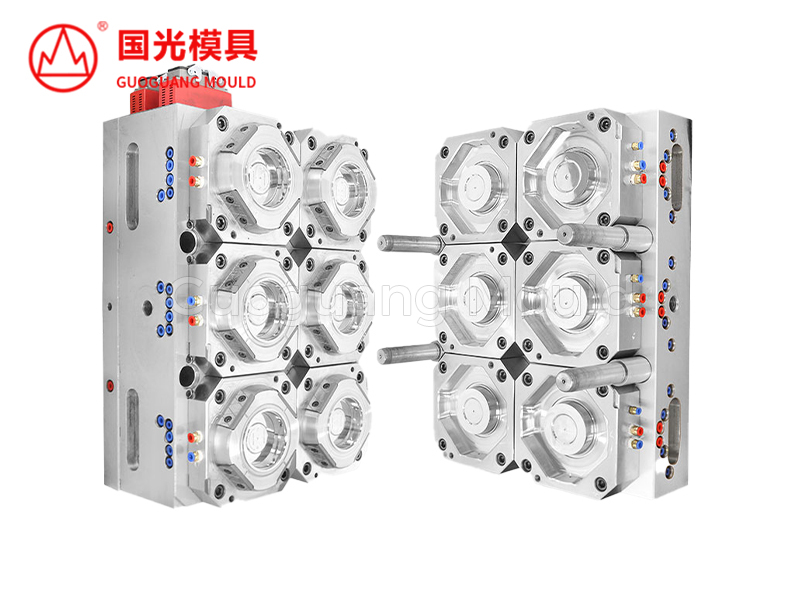
Operational efficiency is another critical benefit delivered by a modern high precision thin-wall mold for food packaging. In high-volume injection molding, every fraction of a second saved in the cycle time translates into significant production capacity over a year. The optimized thermal management and ejection systems of a contemporary high precision thin-wall mold for food packaging are designed to improve this efficiency. Reduced downtime for maintenance and cleaning, afforded by the use of durable mold steels and sophisticated surface treatments, further enhances the productivity of a production line centered on a high precision thin-wall mold for food packaging. This efficiency is vital for serving the fast-moving consumer goods sector, where demand can be high and timelines tight.
The evolution of the high precision thin-wall mold for food packaging is linked to several industry trends. This includes the development of molds compatible with new bio-based or recycled resin streams, which may have different flow and cooling characteristics. Innovations in mold coatings to reduce wear and improve release properties, as well as the integration of sensors for real-time process monitoring within the mold itself, are areas of active development. As the food packaging industry continues to balance performance, cost, and sustainability, the role of the high precision thin-wall mold for food packaging as an enabling technology becomes ever more pronounced.
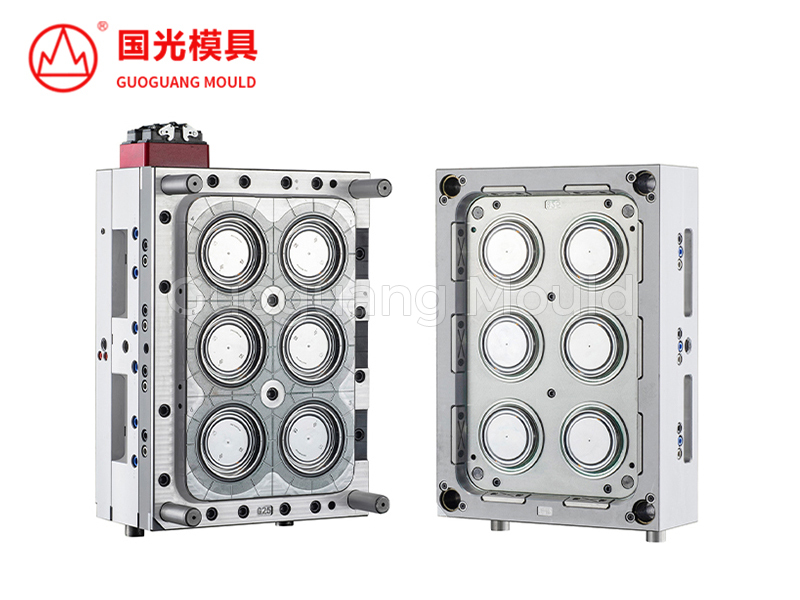
Injection plastic round cap molds are specifically designed to manufacture round plastic caps with h...
See Details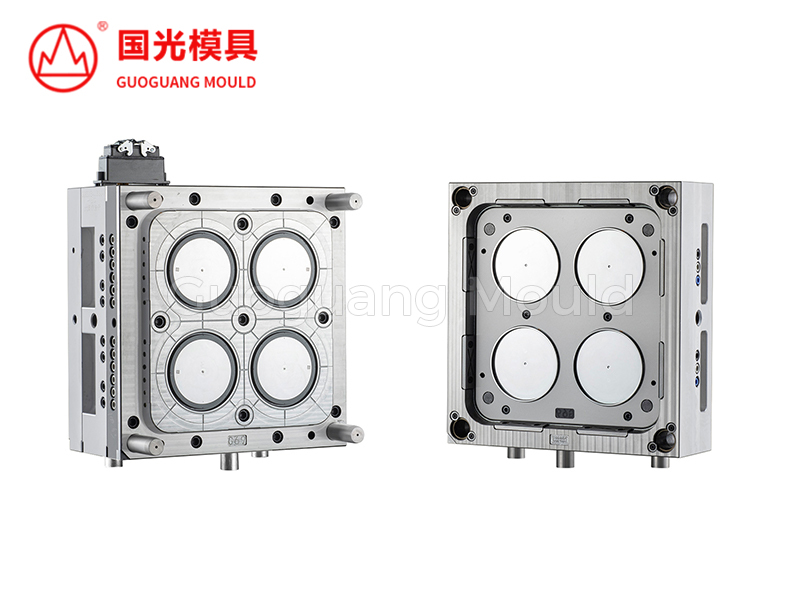
Injection plastic round bowl moulds are designed to create high-quality, durable plastic round bowls...
See Details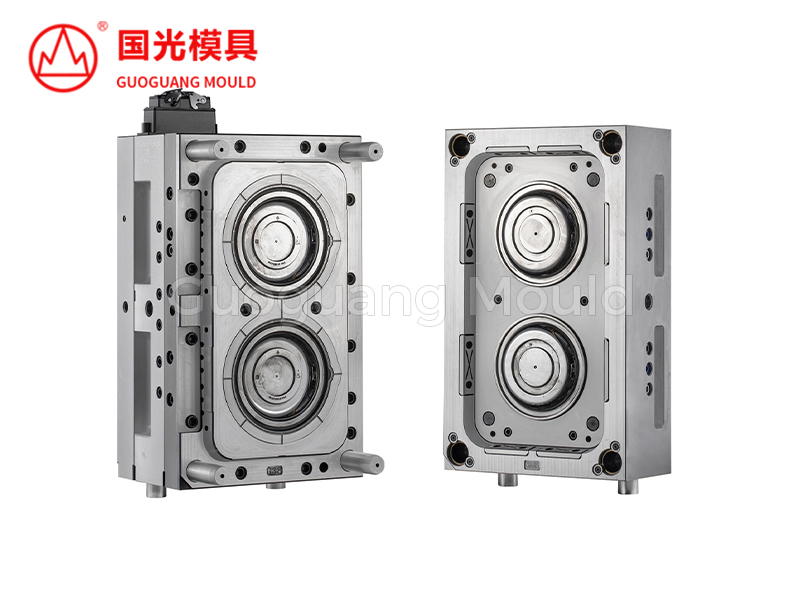
The Thin Wall American Style Large Round Cover Mould is a specialised tool designed for the producti...
See Details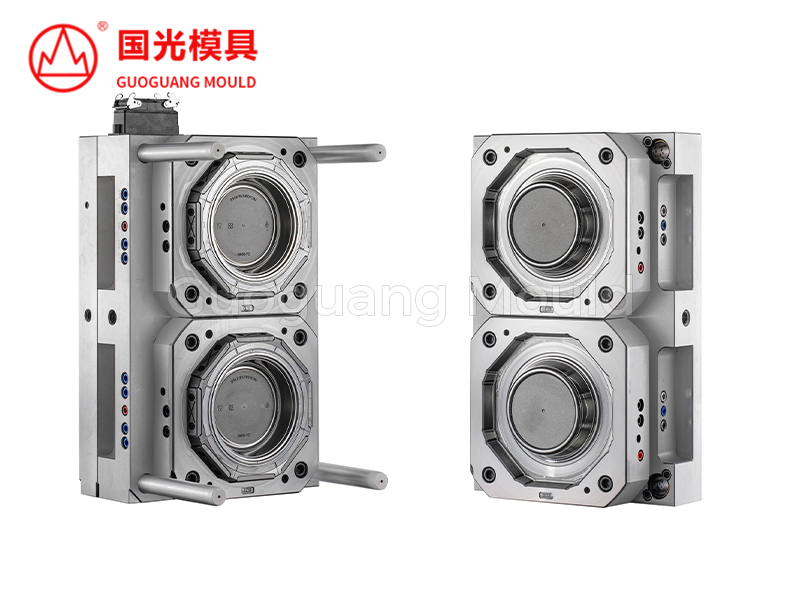
The Injection Plastic American Style Large Round Bowl Mold is an advanced tool designed specifically...
See Details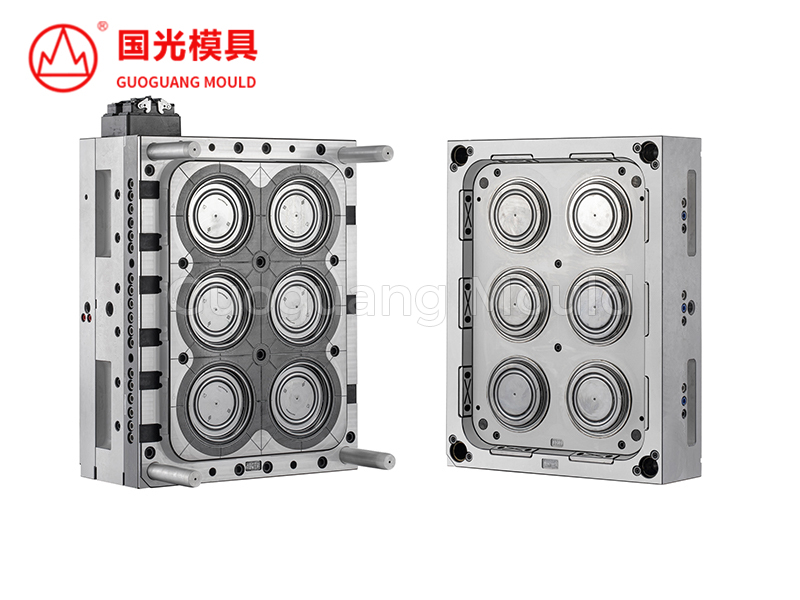
The Thin Wall American Medium Round Cap Mould is a highly efficient tool designed for the production...
See Details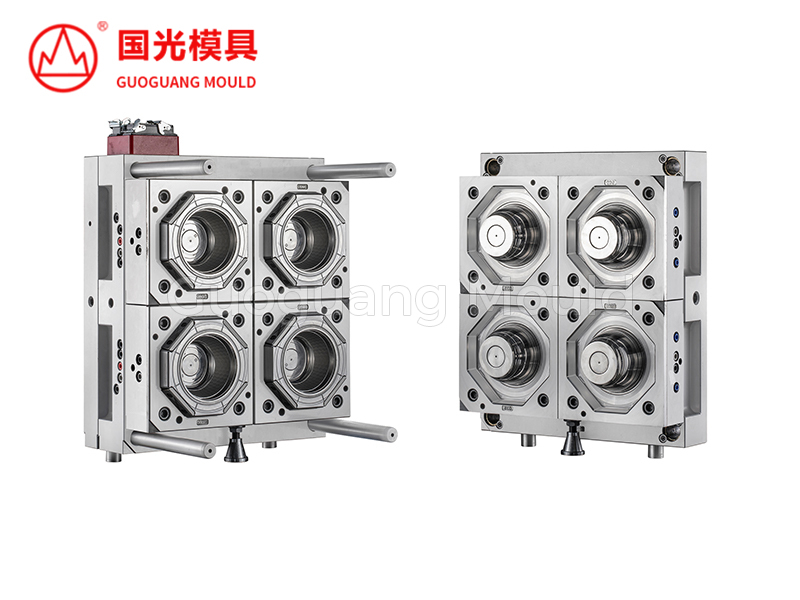
The Thin Wall Medium Size American Bowl Mould is designed for efficient production of medium-sized b...
See Details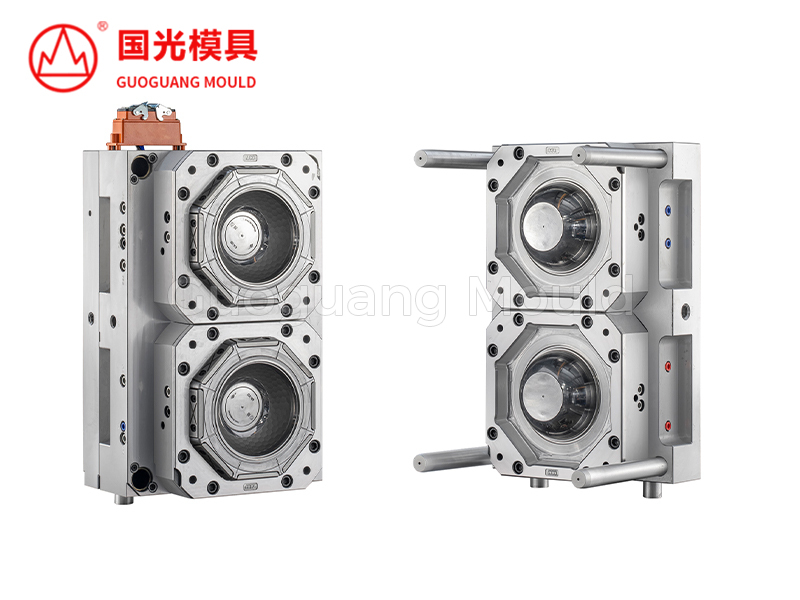
The Injection Plastic Large Round Bowl Mould is a specialized tool designed to produce large round p...
See Details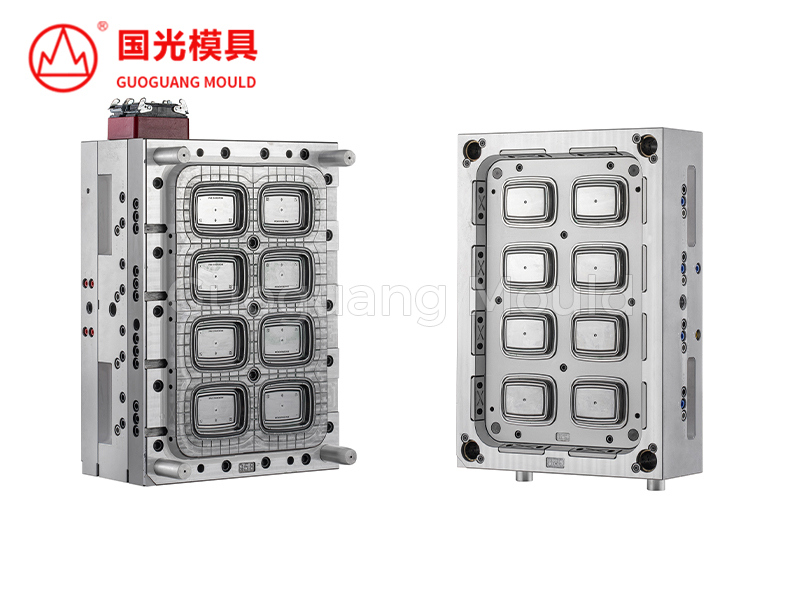
The Thin Wall American Style Small Square Cover Mold is designed for the production of small, square...
See Details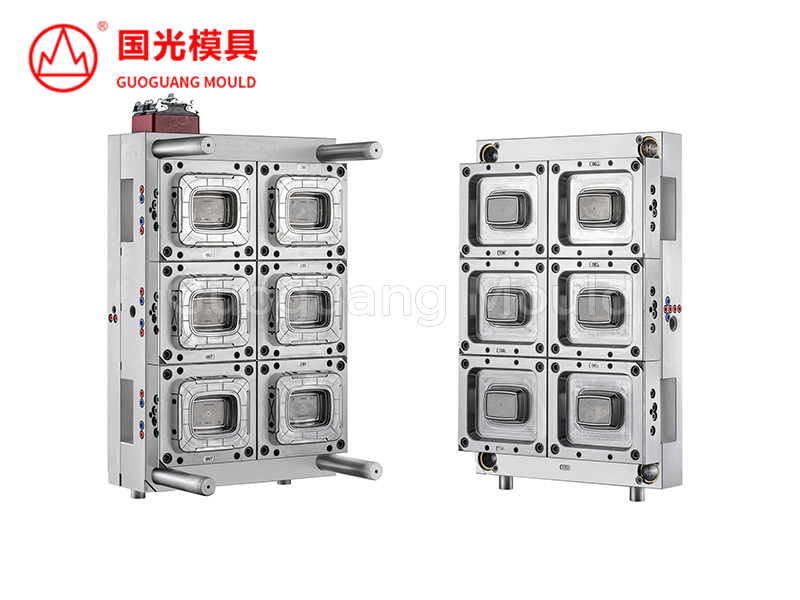
The Plastic Mould for Packaged Food Square Cover is an essential tool for creating square plastic co...
See Details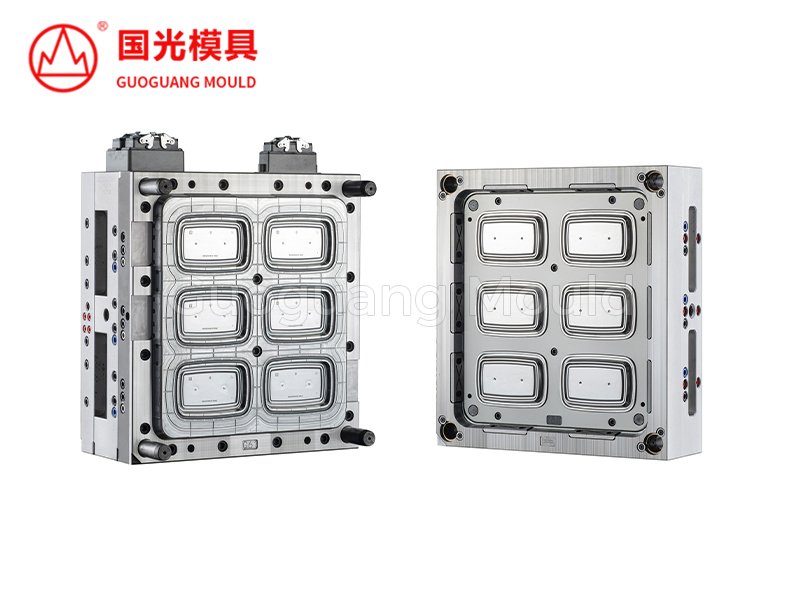
The Thin Wall Square Box Mould is designed for the production of small, square boxes, ensuring effic...
See Details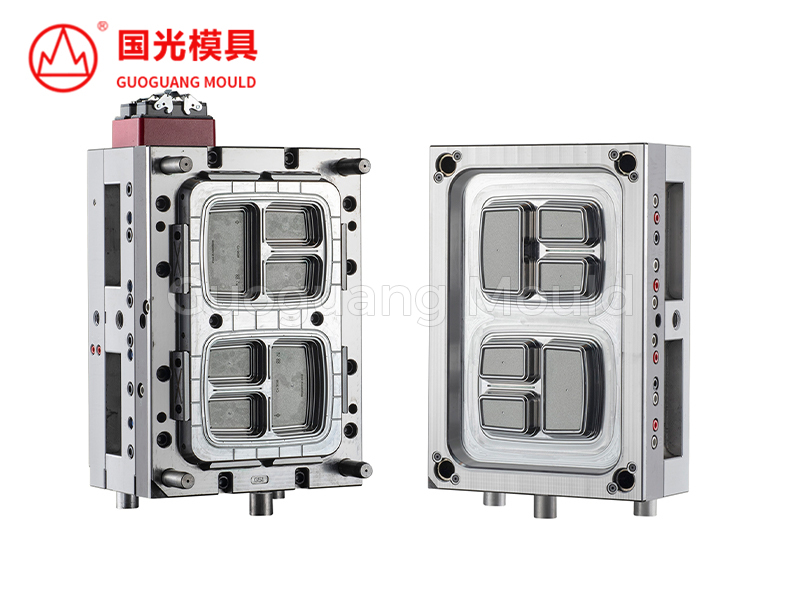
The Restaurant Packaged Three-Compartment Lunch Box Mold is designed for producing plastic lunch box...
See Details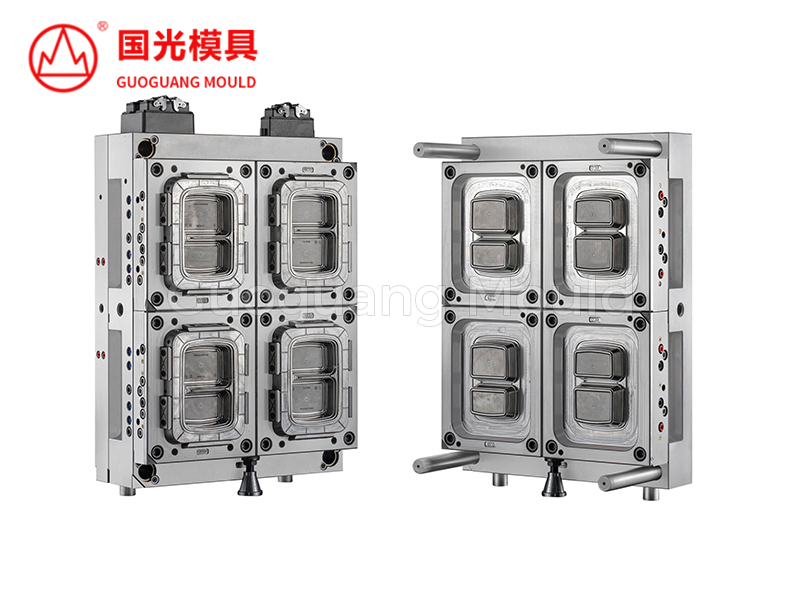
This mould is ideal for high-volume manufacturing, ensuring precise, efficient production of lunch ...
See Details
Guoguang are specialized in thin wall high-speed moulds, almost all cutlery moulds can be customized by us.
Copyright © Zhejiang Taizhou Guoguang Mould Plastic Co., Ltd. All Rights Reserved.
Thin Wall Mold Manufacturer
