 English
 中文简体
中文简体 Español
 عربى
عربى


Guoguang are specialized in thin wall high-speed moulds, almost all cutlery moulds can be customized by us.
Injection plastic round cap molds are specifically designed to manufacture round plastic caps with h...
See Details

The global demand for lightweight, cost-effective, and functional food packaging continues to drive significant innovation in manufacturing tooling, particularly in the realm of the plastic injection thin wall food container mold. This highly specialized type of mold is engineered to produce disposable items like clamshells, takeaway bowls, cups, and trays with very slim wall sections, often measuring less than a millimeter in thickness. The precision and efficiency of the plastic injection thin wall food container mold directly influence production speed, material usage, and the final container's performance, making it a critical focus for manufacturers and brand owners.
The design and engineering of a plastic injection thin wall food container mold present distinct challenges and require advanced solutions. Every feature is optimized to facilitate the rapid flow of molten plastic—typically polypropylene (PP) or polystyrene (PS)—into a large, shallow cavity and to ensure quick, uniform cooling. This involves sophisticated hot runner systems to eliminate material waste from cold sprues, a high number of precisely placed cooling channels to solidify the part swiftly, and venting to prevent air traps that can cause defects.
Material science plays a pivotal role in the performance of the plastic injection thin wall food container mold. The mold itself is constructed from high-grade, polished tool steels that resist wear and corrosion over millions of cycles. The interaction between this steel and the flowing polymer is crucial; specific surface finishes are applied to the mold cavity to ensure easy part release and a consistent, food-safe surface on the container. Furthermore, the development of new polymer grades with higher flow rates and improved stiffness allows molders to achieve the required thin-wall rigidity with less material, a key consideration for both cost and sustainability that is enabled by a well-designed plastic injection thin wall food container mold.
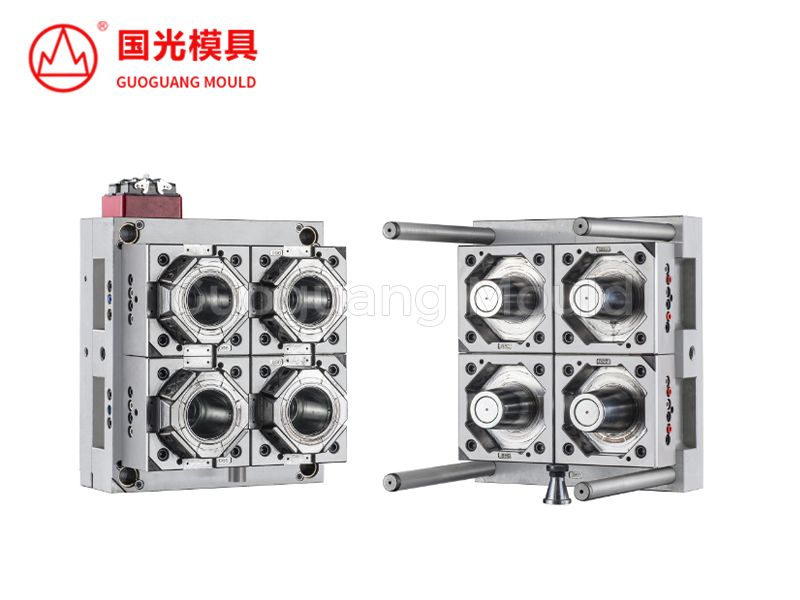
The push for sustainability is increasingly shaping the requirements for the plastic injection thin wall food container mold. As brands explore the use of post-consumer recycled (PCR) content or alternative biopolymers, molds must accommodate materials with different flow and cooling characteristics. A robust plastic injection thin wall food container mold must provide the consistency needed to process these sometimes-variable materials without compromising production speed or part quality. Additionally, the mold's design influences the container's structural efficiency, enabling source reduction—using the small amount of plastic necessary for functionality.
Market trends toward more complex container designs also impact the plastic injection thin wall food container mold. Consumers and food service operators seek containers with improved functionality, such as integrated compartments, secure locking lids, and better stackability for storage and transport. These features require molds with more complex actions, including side-cores and lifters, all of which must operate flawlessly within the stringent timing of a fast-cycling thin-wall process. The ability of a plastic injection thin wall food container mold to produce such detailed features consistently is a testament to advanced mold-making capabilities.
The plastic injection thin wall food container mold is far more than a simple template; it is a high-precision engineering system that balances speed, material science, and design complexity. Its continuous evolution is central to meeting the dual demands of the market: producing affordable, functional food packaging at high volumes while adapting to new materials and heightened expectations for efficiency and environmental responsibility. The innovation within this niche underscores the critical role of precision tooling in everyday consumer goods.
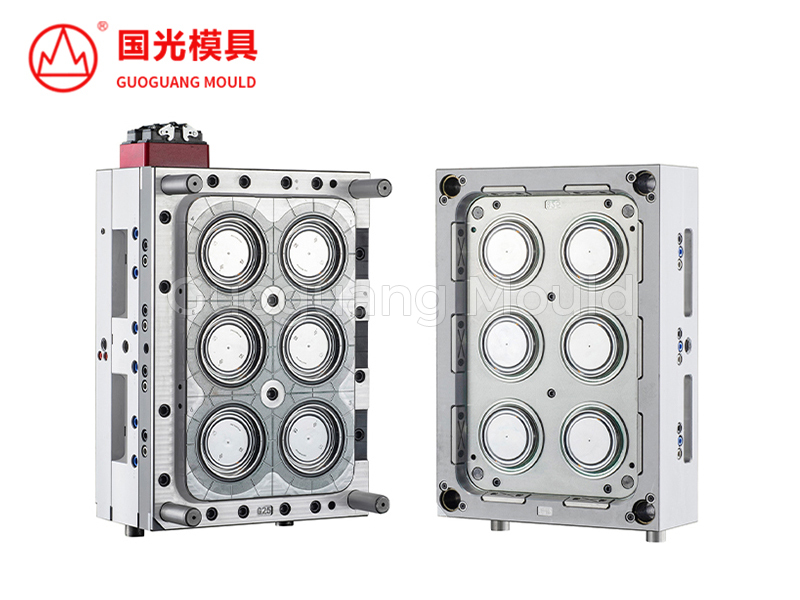
Injection plastic round cap molds are specifically designed to manufacture round plastic caps with h...
See Details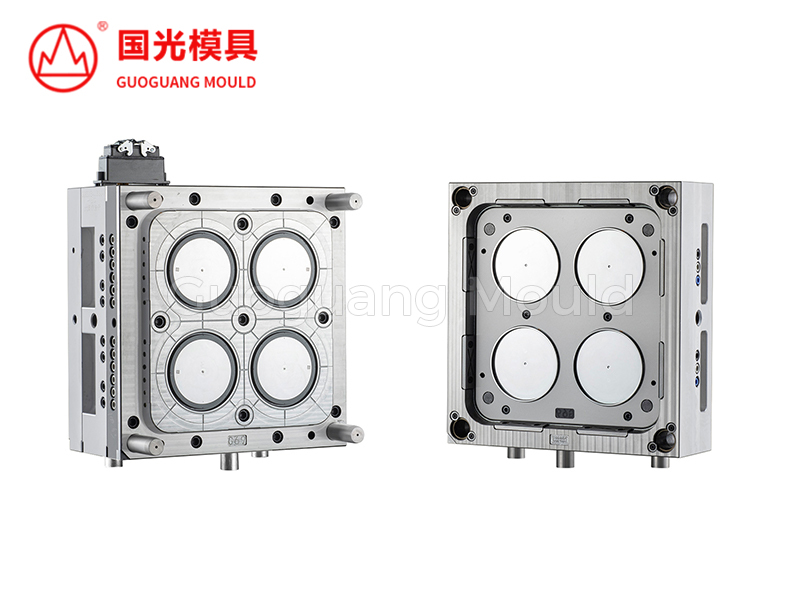
Injection plastic round bowl moulds are designed to create high-quality, durable plastic round bowls...
See Details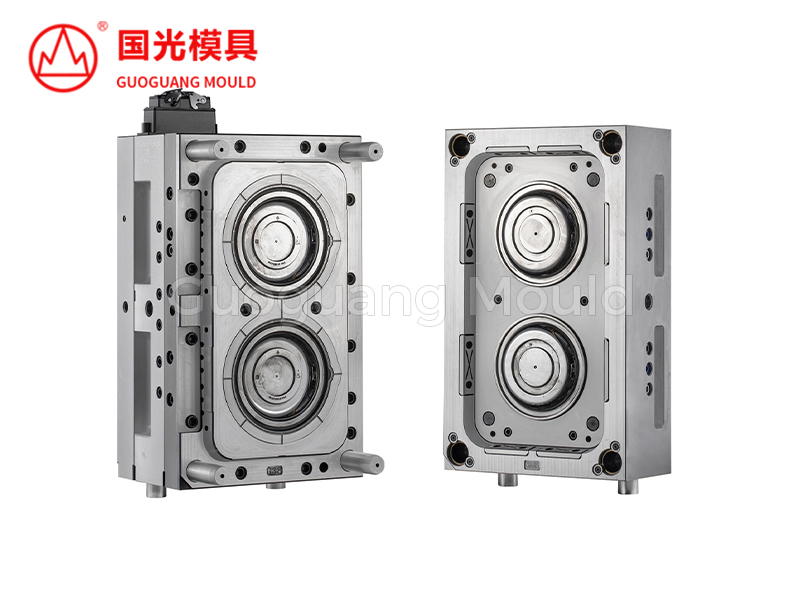
The Thin Wall American Style Large Round Cover Mould is a specialised tool designed for the producti...
See Details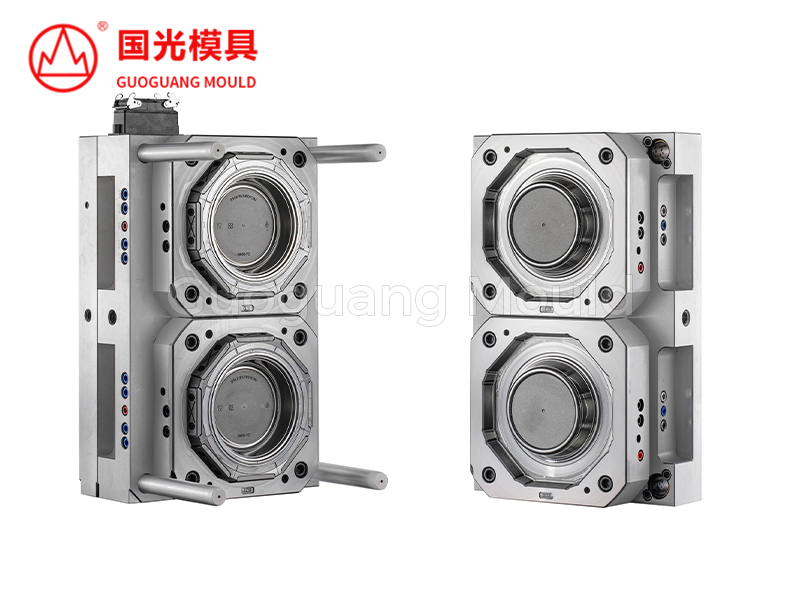
The Injection Plastic American Style Large Round Bowl Mold is an advanced tool designed specifically...
See Details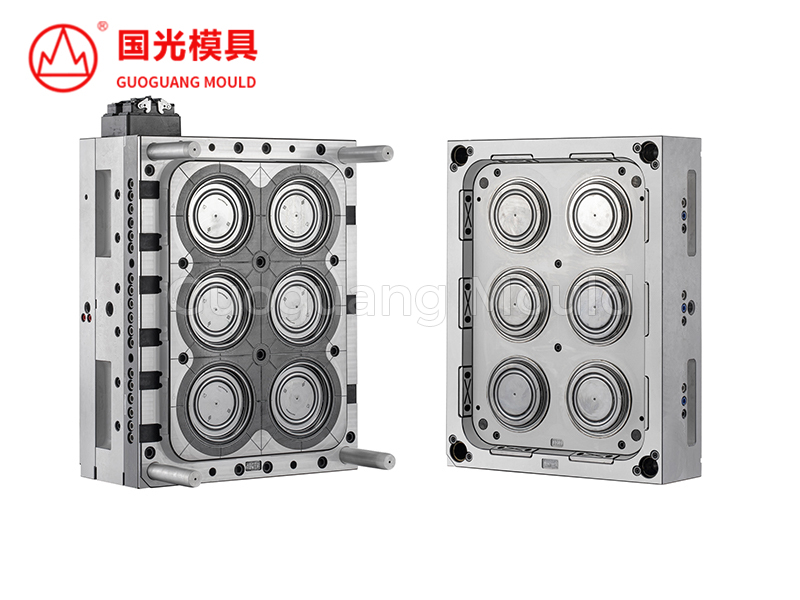
The Thin Wall American Medium Round Cap Mould is a highly efficient tool designed for the production...
See Details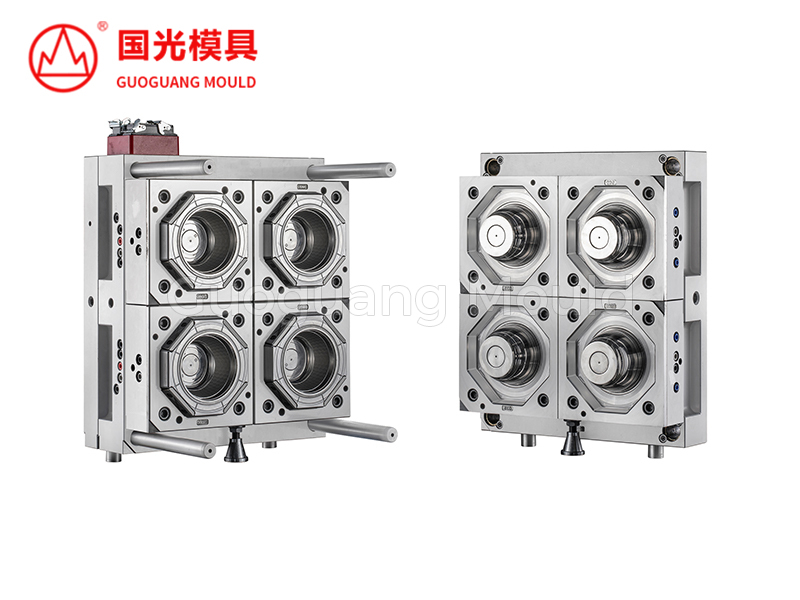
The Thin Wall Medium Size American Bowl Mould is designed for efficient production of medium-sized b...
See Details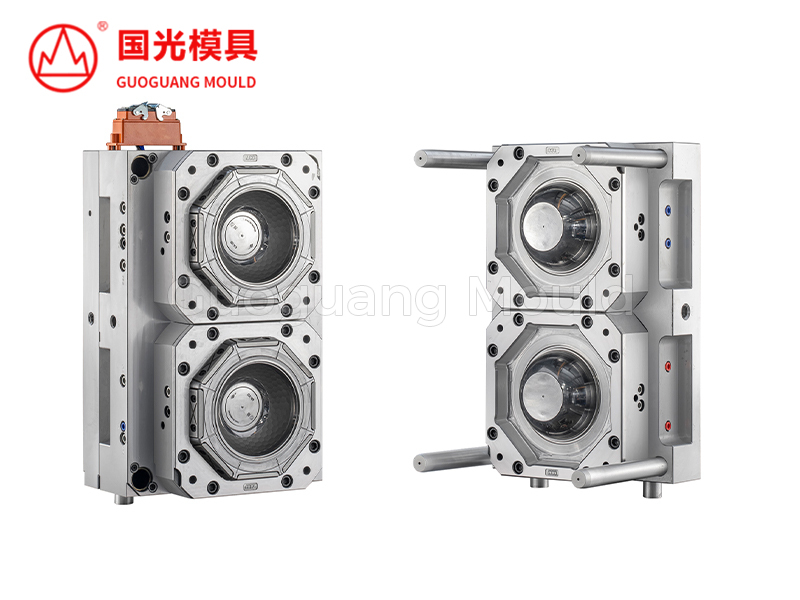
The Injection Plastic Large Round Bowl Mould is a specialized tool designed to produce large round p...
See Details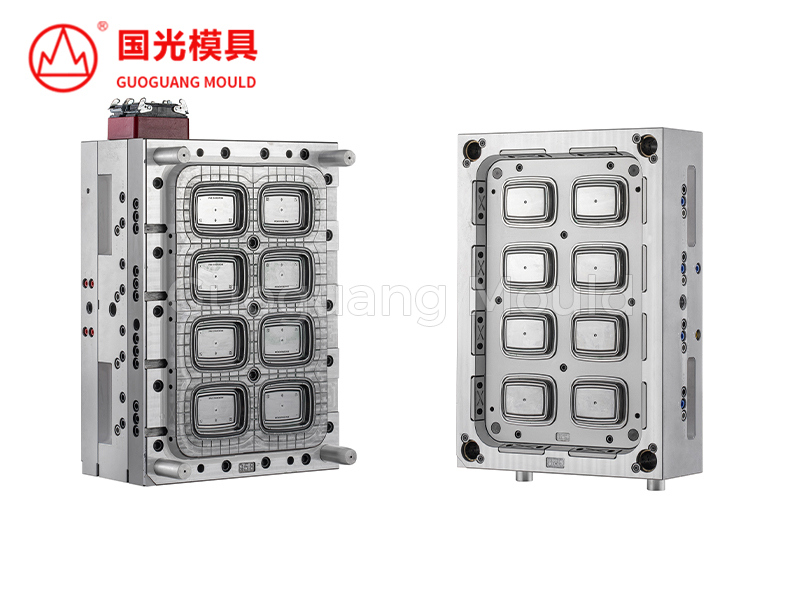
The Thin Wall American Style Small Square Cover Mold is designed for the production of small, square...
See Details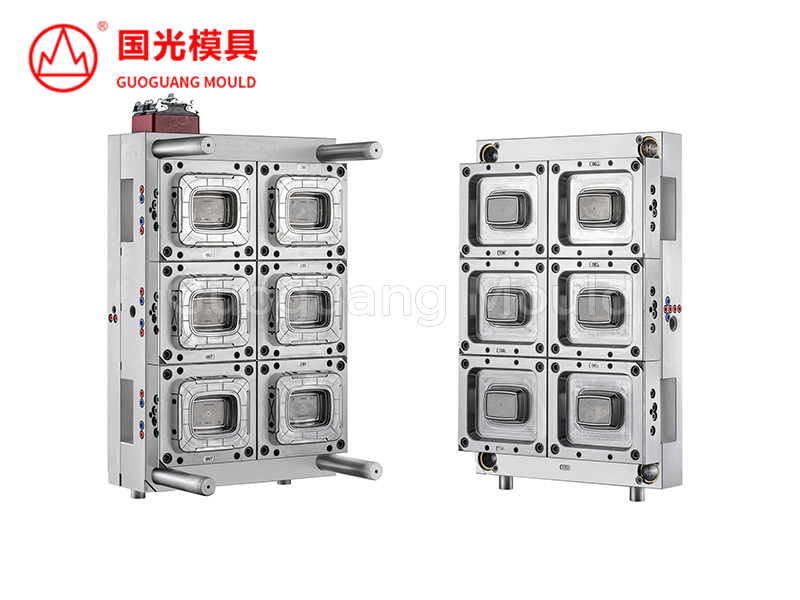
The Plastic Mould for Packaged Food Square Cover is an essential tool for creating square plastic co...
See Details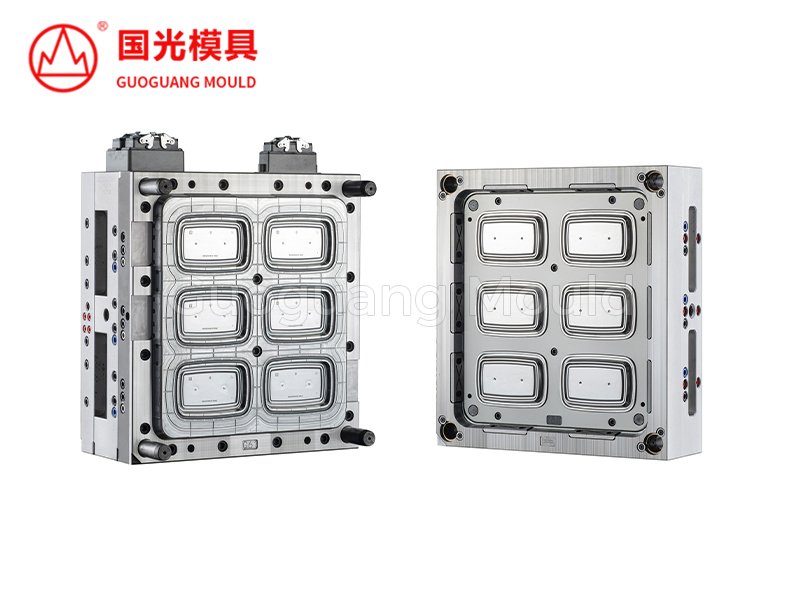
The Thin Wall Square Box Mould is designed for the production of small, square boxes, ensuring effic...
See Details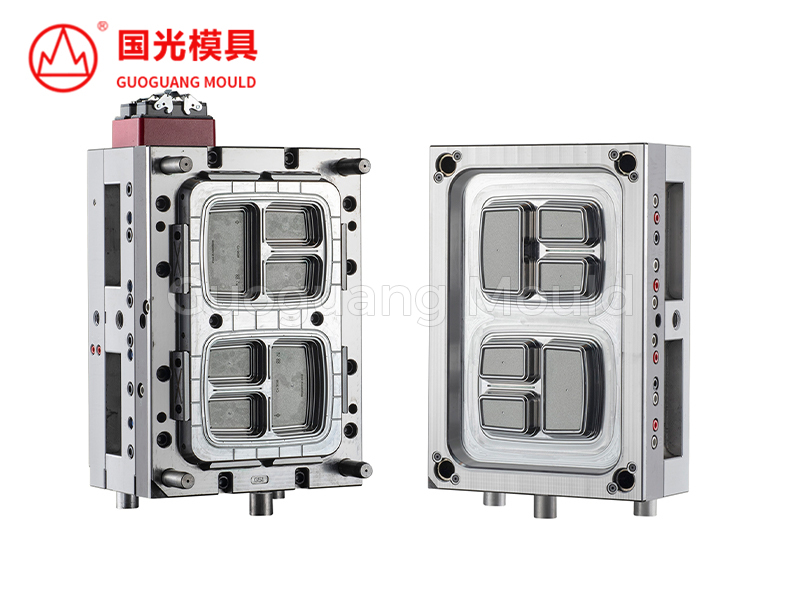
The Restaurant Packaged Three-Compartment Lunch Box Mold is designed for producing plastic lunch box...
See Details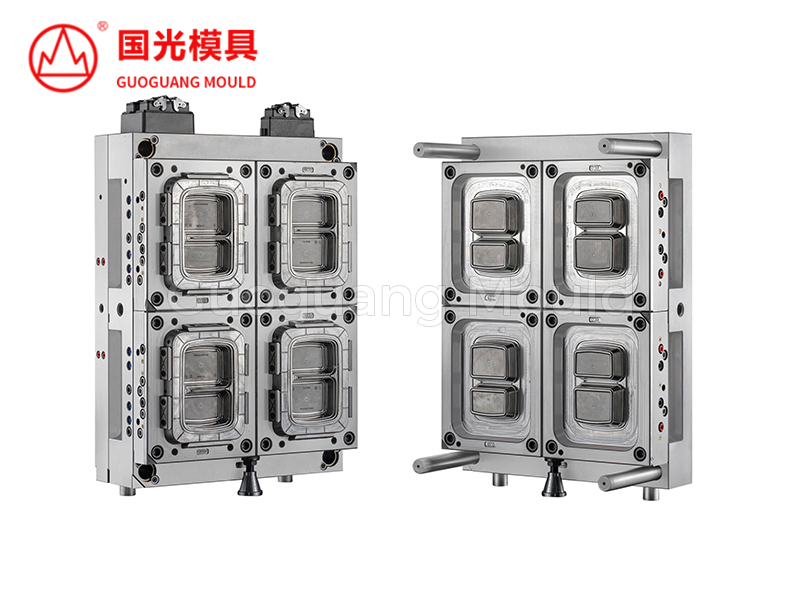
This mould is ideal for high-volume manufacturing, ensuring precise, efficient production of lunch ...
See Details
Guoguang are specialized in thin wall high-speed moulds, almost all cutlery moulds can be customized by us.
Copyright © Zhejiang Taizhou Guoguang Mould Plastic Co., Ltd. All Rights Reserved.
Thin Wall Mold Manufacturer
