 English
 中文简体
中文简体 Español
 عربى
عربى


Guoguang are specialized in thin wall high-speed moulds, almost all cutlery moulds can be customized by us.
Injection plastic round cap molds are specifically designed to manufacture round plastic caps with h...
See Details

The packaging industry continues to evolve as producers seek efficient methods for manufacturing containers that balance material conservation with functional performance. Within this sector, the thin wall milk cup mold represents a specialized tool used in the production of lightweight plastic cups designed for dairy products and similar applications. The thin wall milk cup mold enables manufacturers to produce containers that less material usage while maintaining the structural integrity required for filling, handling, and transportation.
The design considerations for a thin wall milk cup mold focus on achieving consistent wall thickness across the finished product. A thin wall milk cup mold must accommodate the flow characteristics of molten plastic as it fills the cavity, ensuring uniform distribution before solidification. The cooling channel layout within a thin wall milk cup mold significantly influences cycle times, as efficient heat removal allows for faster production rates. Engineers who develop thin wall milk cup mold designs balance these factors to achieve ideal manufacturing efficiency.
Material selection for thin wall milk cup mold construction reflects the demands of high-volume production environments. The steel used in a thin wall milk cup mold must withstand repeated heating and cooling cycles while maintaining precise dimensional tolerances. A well-constructed thin wall milk cup mold incorporates wear-resistant materials at critical points where moving components interact. The durability of a thin wall milk cup mold directly affects its service life and the consistency of the parts produced over extended production runs.
The production process utilizing a thin wall milk cup mold involves injection molding technology, where molten plastic is injected into the mold cavity under controlled pressure. The thin wall milk cup mold then holds the material while it cools and solidifies into the final cup shape. The ejection system incorporated into a thin wall milk cup mold removes the finished part without causing deformation, particularly important given the lightweight nature of thin wall containers. Facilities operating thin wall milk cup mold systems monitor parameters such as injection speed, pressure, and cooling time to maintain product quality.
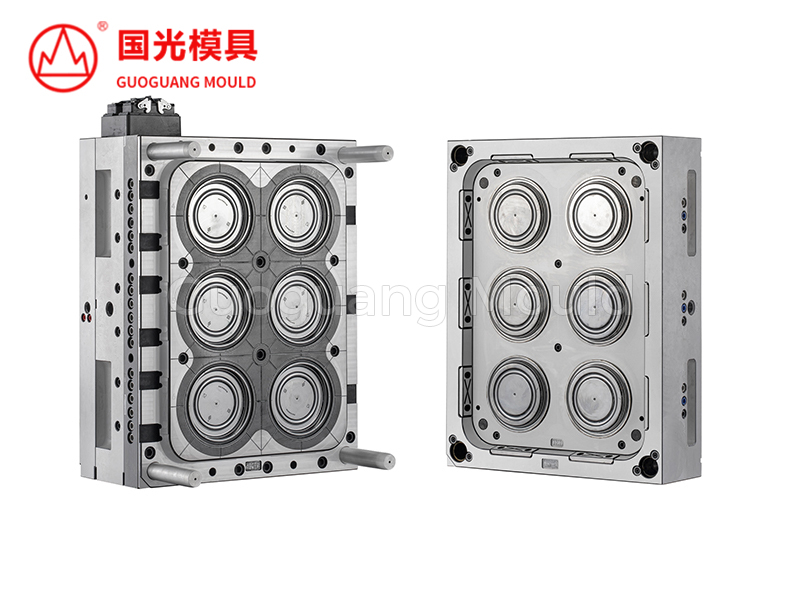
Quality control measures for parts produced from a thin wall milk cup mold focus on dimensional accuracy and structural consistency. Cups manufactured using a thin wall milk cup mold are checked for wall thickness uniformity, rim integrity, and resistance to deformation under typical handling conditions. The thin wall milk cup mold itself undergoes periodic inspection to verify that cavity surfaces remain smooth and that moving components operate within specified tolerances. These quality practices support the production of containers that meet the requirements of food packaging applications.
The thin wall milk cup mold market has seen ongoing development as packaging producers seek to reduce material consumption while maintaining product performance. Advances in mold design software allow engineers to simulate filling patterns and cooling behavior before physical mold construction begins. This simulation capability helps optimize thin wall milk cup mold designs for specific plastic materials and production equipment configurations. The ability to predict mold performance prior to manufacturing reduces development time and helps ensure production readiness.
The thin wall milk cup mold sector is expected to continue serving the packaging industry as demand for efficient, material-conscious container solutions persists. Advances in mold manufacturing techniques may yield thin wall milk cup mold designs with improved cooling efficiency and extended service life. For producers of dairy and other packaged products, the thin wall milk cup mold remains an essential tool in delivering containers that meet both performance requirements and material efficiency goals.
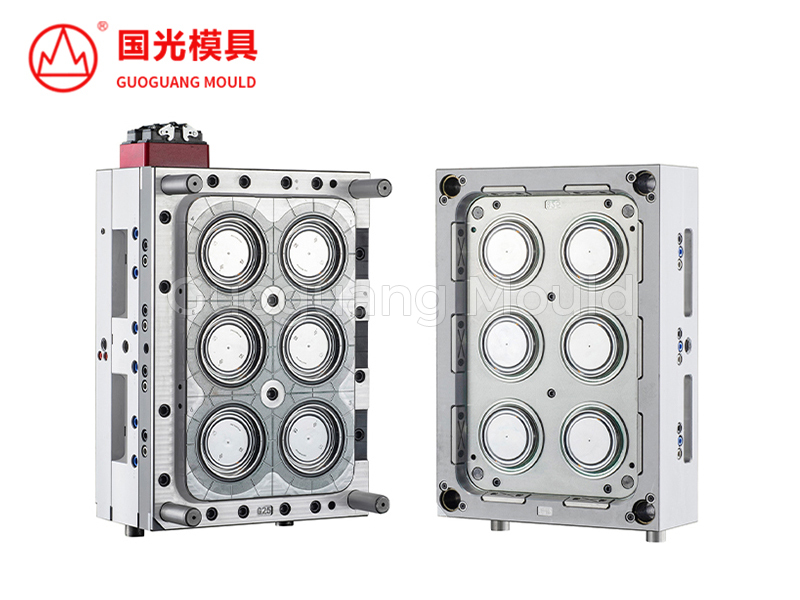
Injection plastic round cap molds are specifically designed to manufacture round plastic caps with h...
See Details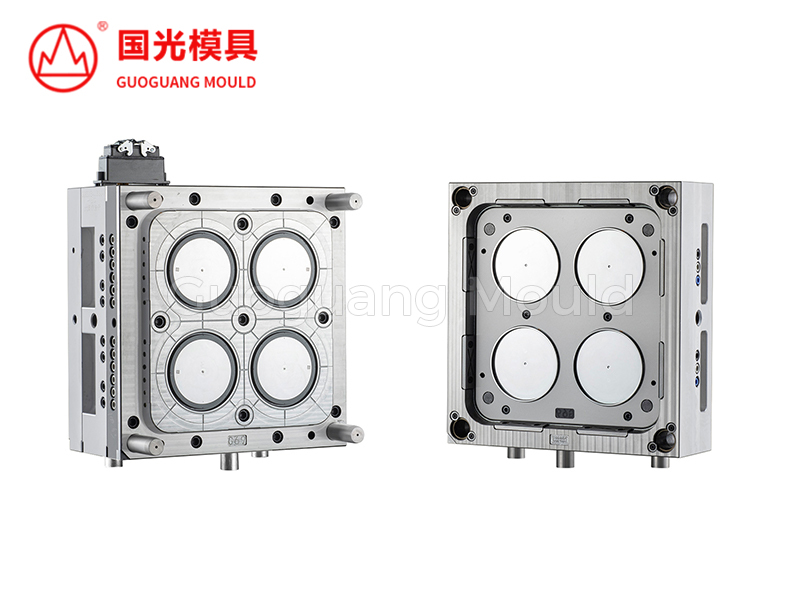
Injection plastic round bowl moulds are designed to create high-quality, durable plastic round bowls...
See Details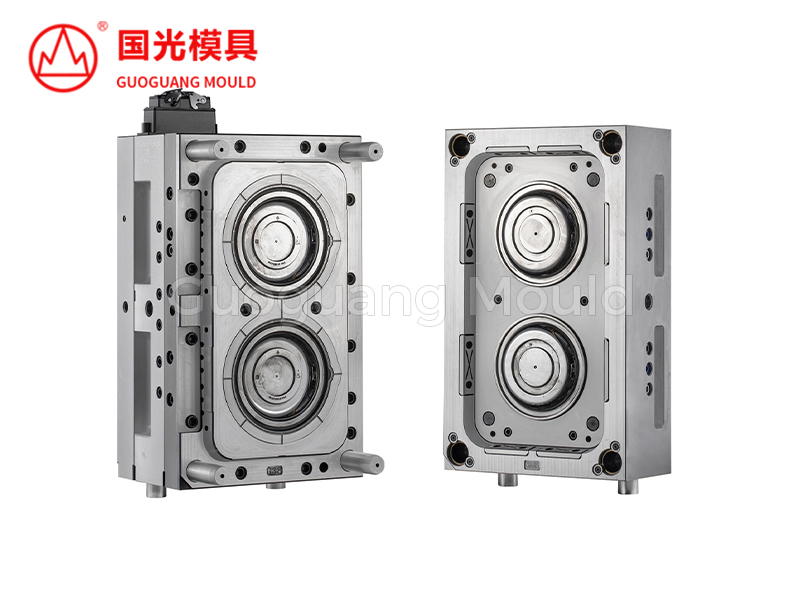
The Thin Wall American Style Large Round Cover Mould is a specialised tool designed for the producti...
See Details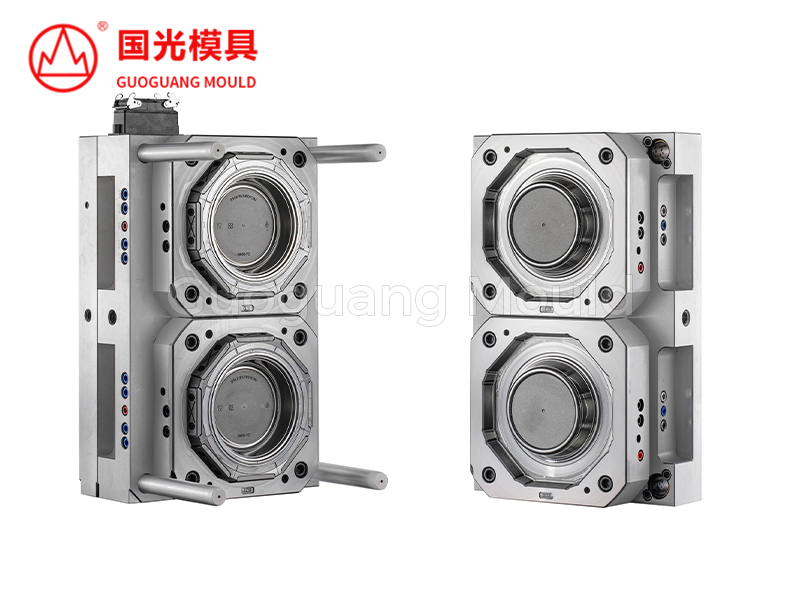
The Injection Plastic American Style Large Round Bowl Mold is an advanced tool designed specifically...
See Details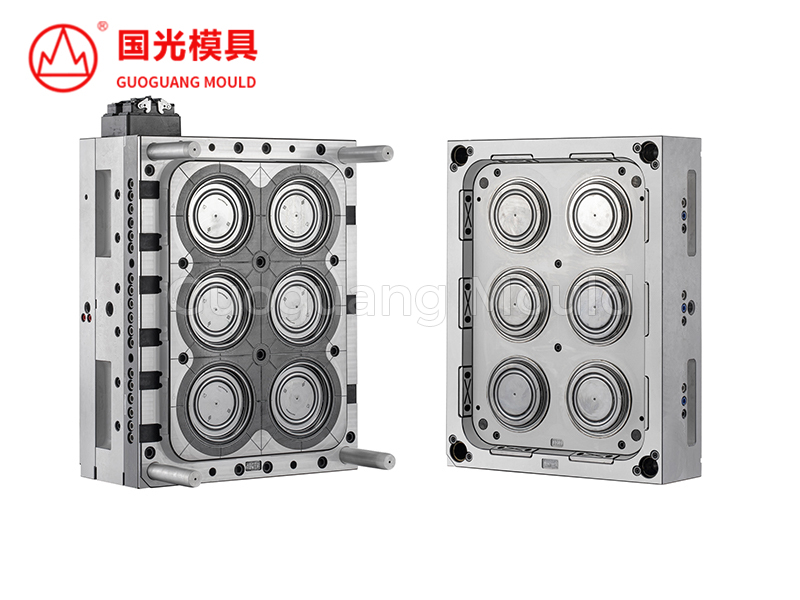
The Thin Wall American Medium Round Cap Mould is a highly efficient tool designed for the production...
See Details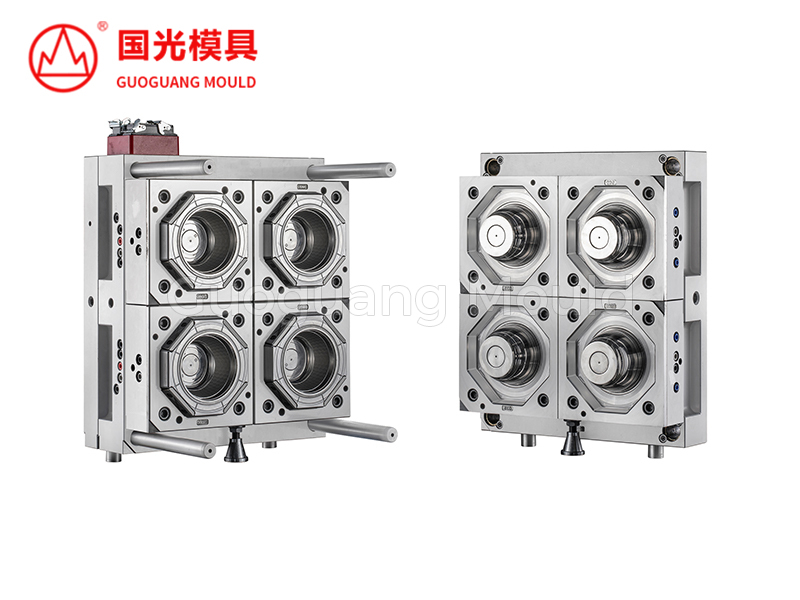
The Thin Wall Medium Size American Bowl Mould is designed for efficient production of medium-sized b...
See Details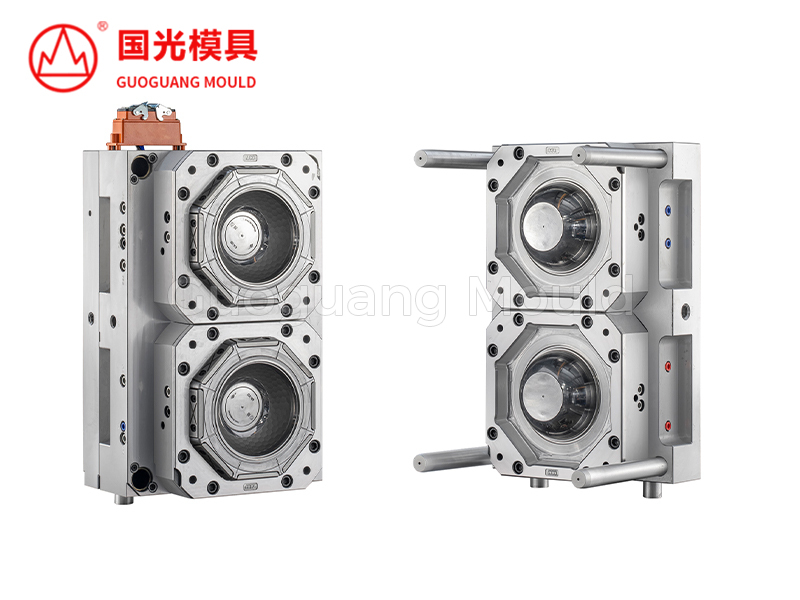
The Injection Plastic Large Round Bowl Mould is a specialized tool designed to produce large round p...
See Details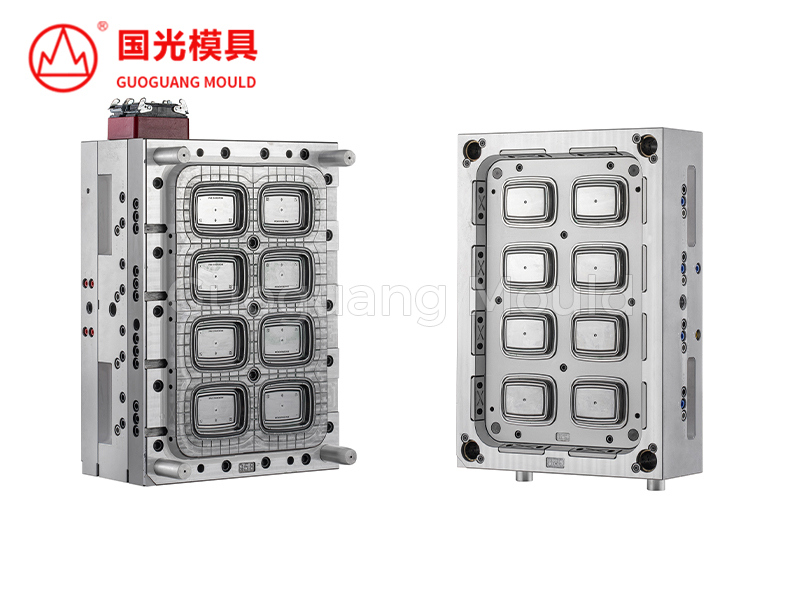
The Thin Wall American Style Small Square Cover Mold is designed for the production of small, square...
See Details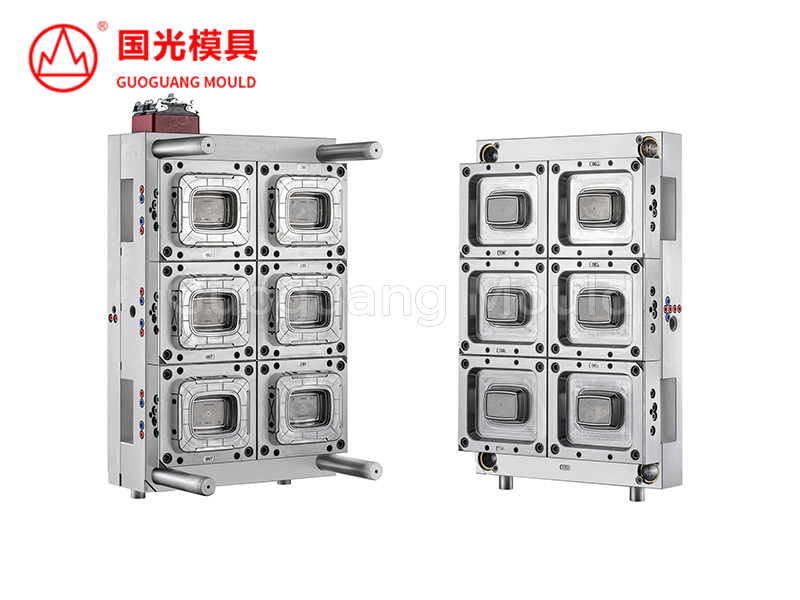
The Plastic Mould for Packaged Food Square Cover is an essential tool for creating square plastic co...
See Details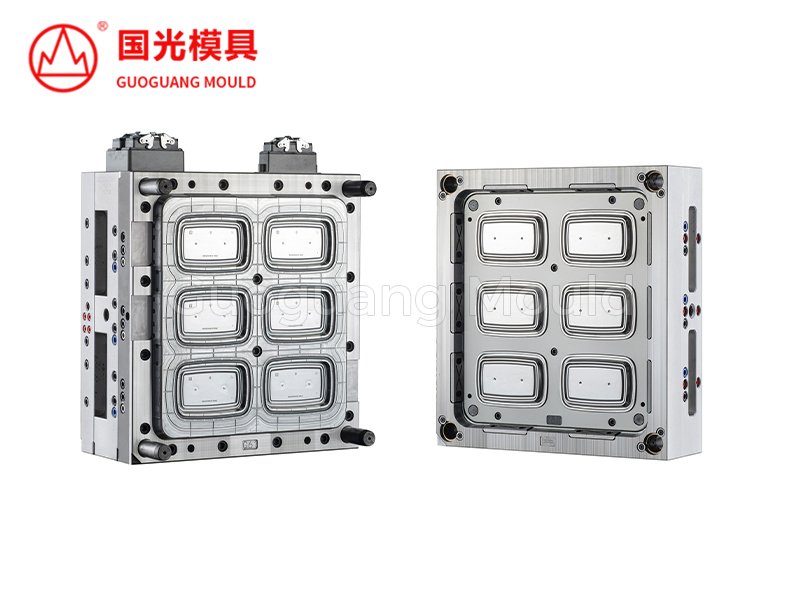
The Thin Wall Square Box Mould is designed for the production of small, square boxes, ensuring effic...
See Details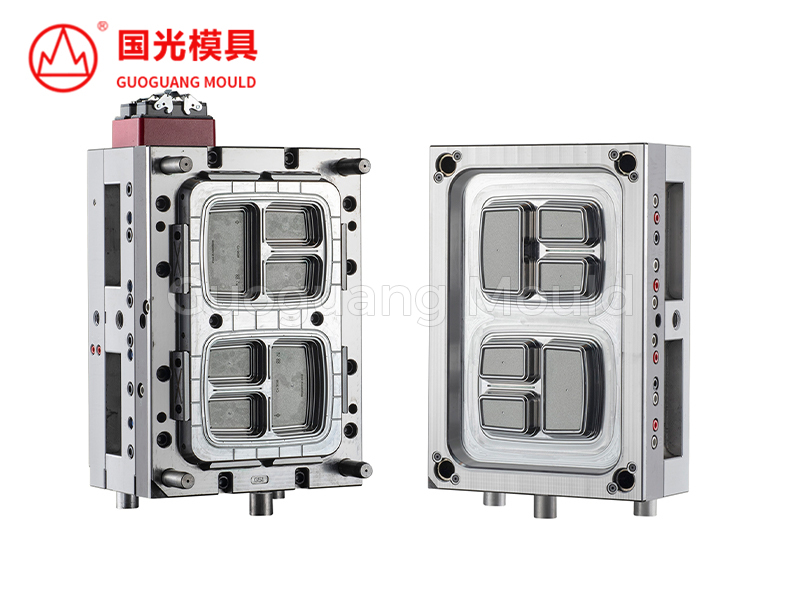
The Restaurant Packaged Three-Compartment Lunch Box Mold is designed for producing plastic lunch box...
See Details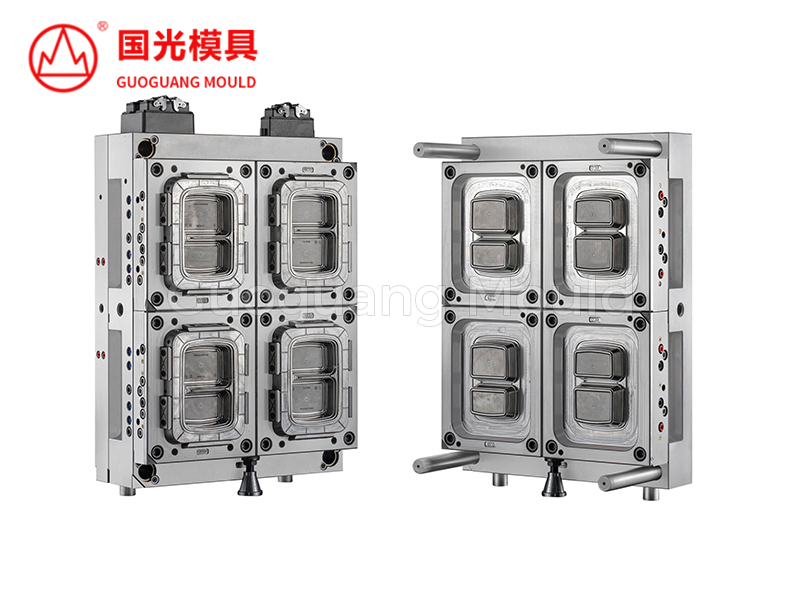
This mould is ideal for high-volume manufacturing, ensuring precise, efficient production of lunch ...
See Details
Guoguang are specialized in thin wall high-speed moulds, almost all cutlery moulds can be customized by us.
Copyright © Zhejiang Taizhou Guoguang Mould Plastic Co., Ltd. All Rights Reserved.
Thin Wall Mold Manufacturer
