 English
 中文简体
中文简体 Español
 عربى
عربى


Guoguang are specialized in thin wall high-speed moulds, almost all cutlery moulds can be customized by us.
Injection plastic round cap molds are specifically designed to manufacture round plastic caps with h...
See Details

The trend toward prepared meals, home meal prep, and convenient dining is supported by a key manufacturing innovation: the plastic compartment lunch box mould. This specialized tool is engineered for the production of single-use or reusable containers featuring multiple separate sections within a single unit. The design and precision of the plastic compartment lunch box mould directly influence the functionality, appeal, and production viability of these popular containers, making it a significant focus for packaging manufacturers serving retail, food service, and consumer markets.
The primary function of the plastic compartment lunch box mould is to create a container that keeps different food items separate within a single lid-closed package. Typically produced via injection molding, the mould forms a base with raised dividers, creating distinct compartments for main dishes, sides, salads, or sauces. The engineering challenge for a plastic compartment lunch box mould is substantial. It must facilitate the uniform flow of plastic to fill both the larger base area and the often thin, tall divider walls simultaneously and completely. This requires a highly balanced runner and gating system within the plastic compartment lunch box mould to prevent weak spots or sink marks. Efficient cooling is also critical, as uneven heat dissipation can cause the delicate dividers to warp.
The construction of a durable and effective plastic compartment lunch box mould involves advanced design and high-grade materials. Mould makers use hardened steels or aluminum alloys, machined to exacting tolerances. The surfaces defining the compartments are polished to a smooth finish for easy food release and cleaning, particularly important for reusable containers. The mould also forms critical features such as stacking ribs, sealing grooves for an airtight lid, and often a hinge area if the lid is attached. The precision of the plastic compartment lunch box mould ensures that dividers are straight and of consistent height, guaranteeing that lids fit securely and that compartments are truly separate to prevent food mixing.
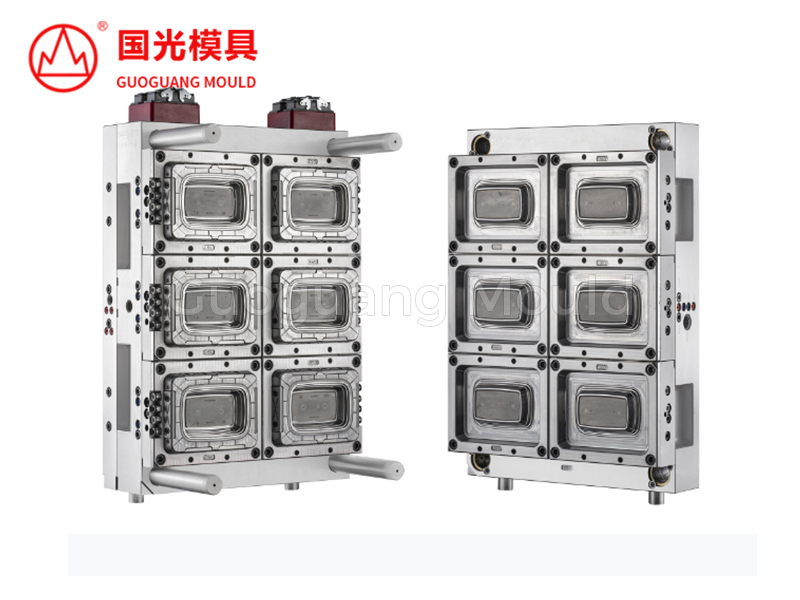
The market impact of a well-designed plastic compartment lunch box mould is multifaceted. For manufacturers, it enables efficient, high-volume production of a product with strong and consistent consumer demand. The mould’s quality determines cycle time, scrap rate, and maintenance frequency, all key factors in production cost. For brands and retailers, containers made from a high-quality plastic compartment lunch box mould offer predominant functionality and visual appeal, which can be a differentiator on store shelves. For consumers, the product addresses a practical need for organized, portion-controlled, and leak-resistant meal storage, supporting lifestyles that value convenience and organization.
Innovation in plastic compartment lunch box mould technology will continue to focus on versatility, efficiency, and material adaptation. Advances like conformal cooling channels can improve cycle times and part quality. The integration of Industry 4.0 principles may see moulds equipped with sensors to monitor wear and performance in real time. As the demand for convenient, portioned, and sustainable meal solutions persists globally, the plastic compartment lunch box mould will remain an important and evolving piece of manufacturing tooling. It quietly underpins the production of the organized containers that have become a staple in lunchboxes, supermarket chillers, and food delivery services worldwide.
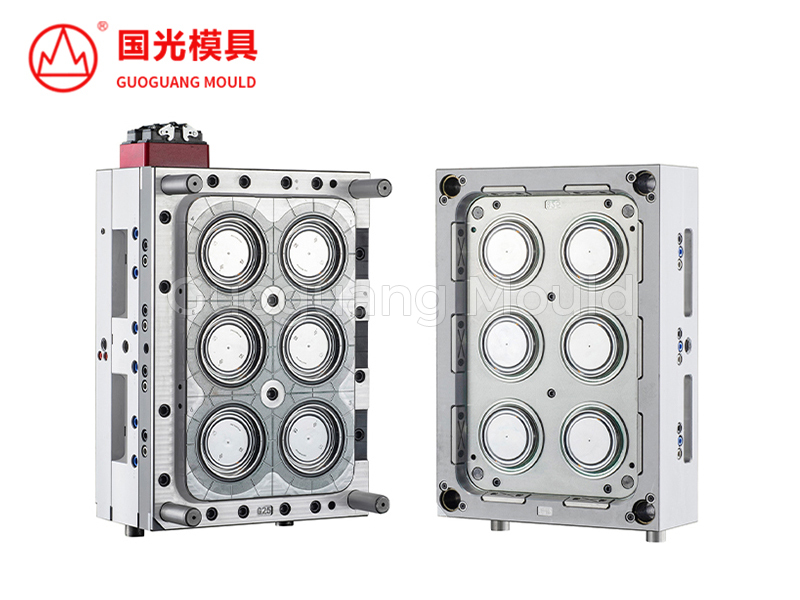
Injection plastic round cap molds are specifically designed to manufacture round plastic caps with h...
See Details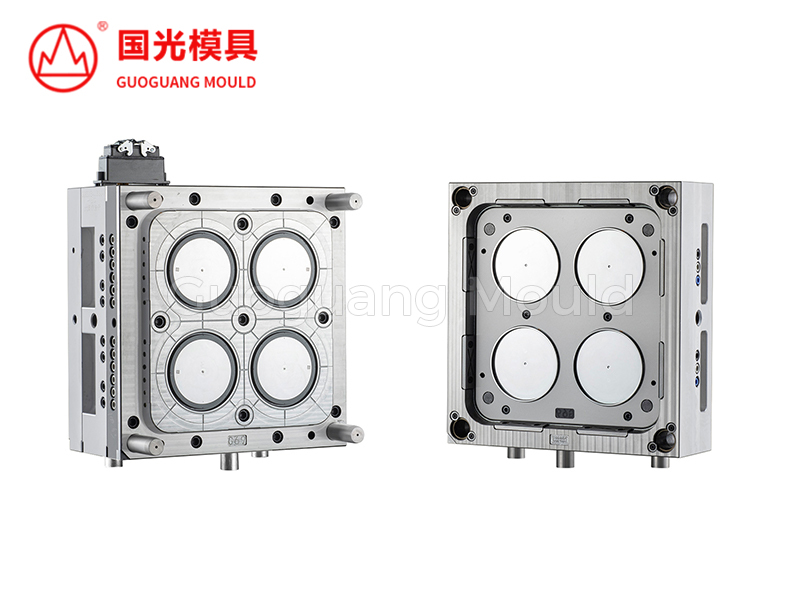
Injection plastic round bowl moulds are designed to create high-quality, durable plastic round bowls...
See Details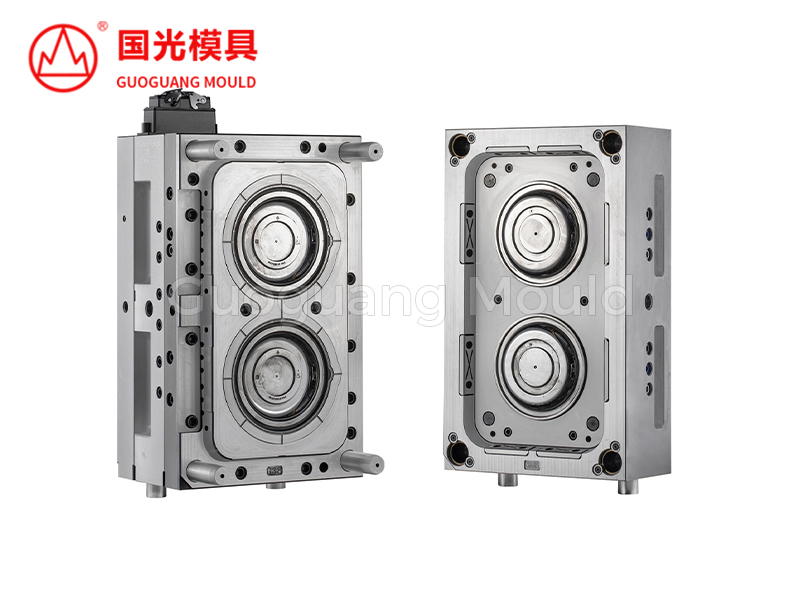
The Thin Wall American Style Large Round Cover Mould is a specialised tool designed for the producti...
See Details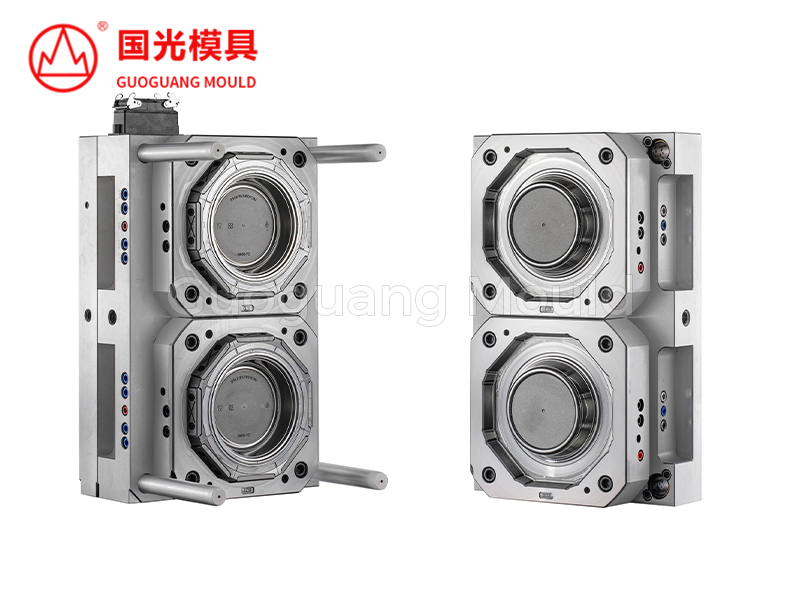
The Injection Plastic American Style Large Round Bowl Mold is an advanced tool designed specifically...
See Details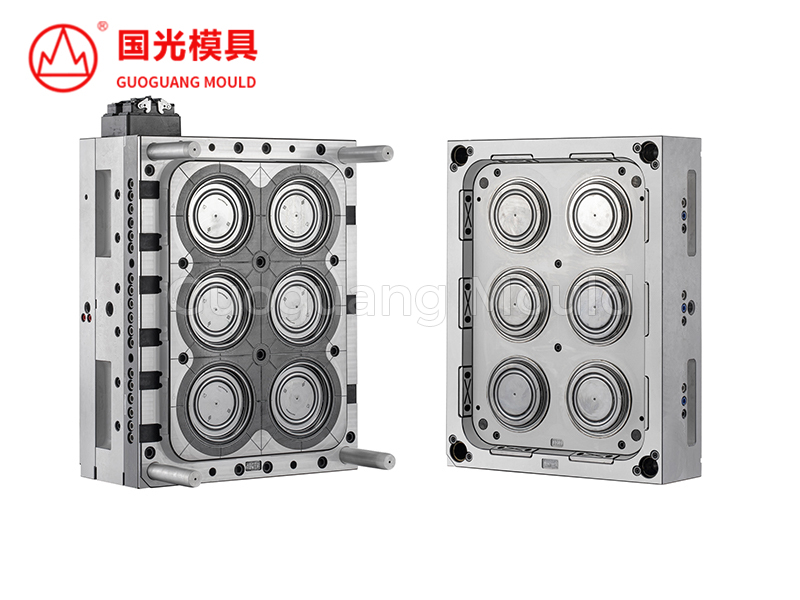
The Thin Wall American Medium Round Cap Mould is a highly efficient tool designed for the production...
See Details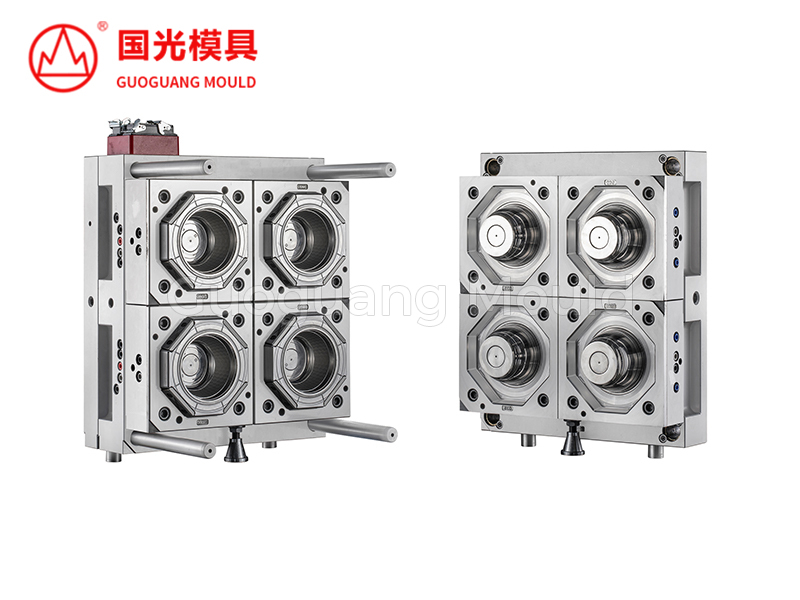
The Thin Wall Medium Size American Bowl Mould is designed for efficient production of medium-sized b...
See Details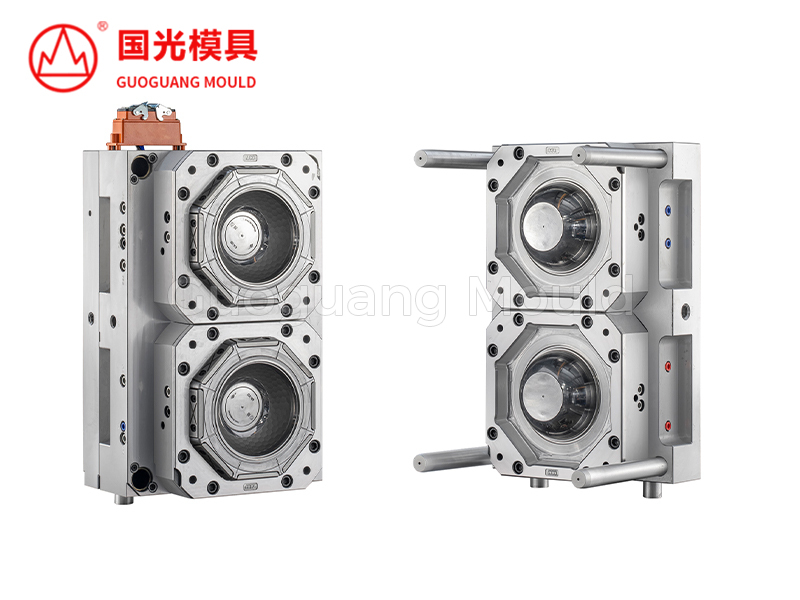
The Injection Plastic Large Round Bowl Mould is a specialized tool designed to produce large round p...
See Details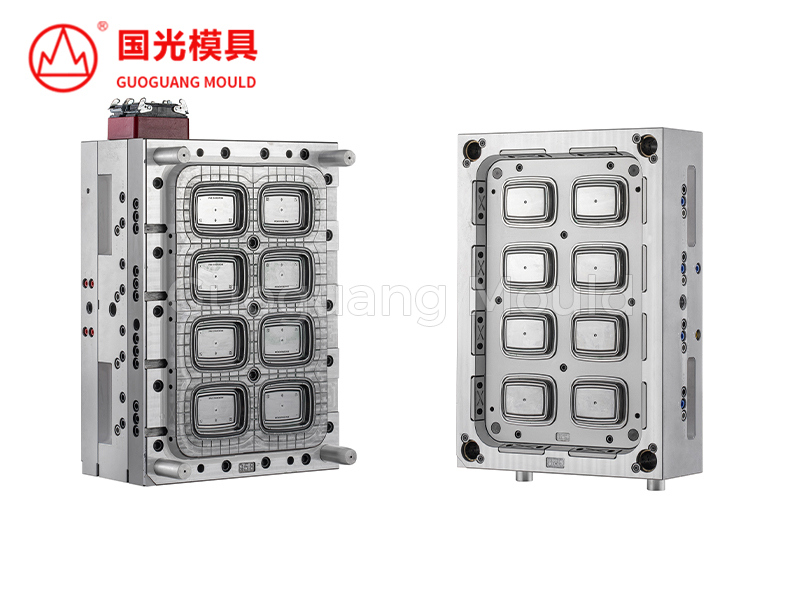
The Thin Wall American Style Small Square Cover Mold is designed for the production of small, square...
See Details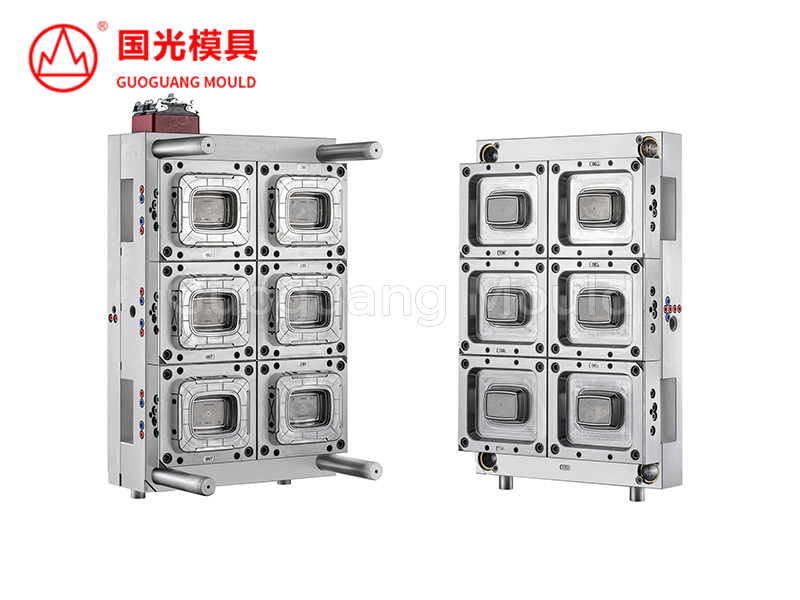
The Plastic Mould for Packaged Food Square Cover is an essential tool for creating square plastic co...
See Details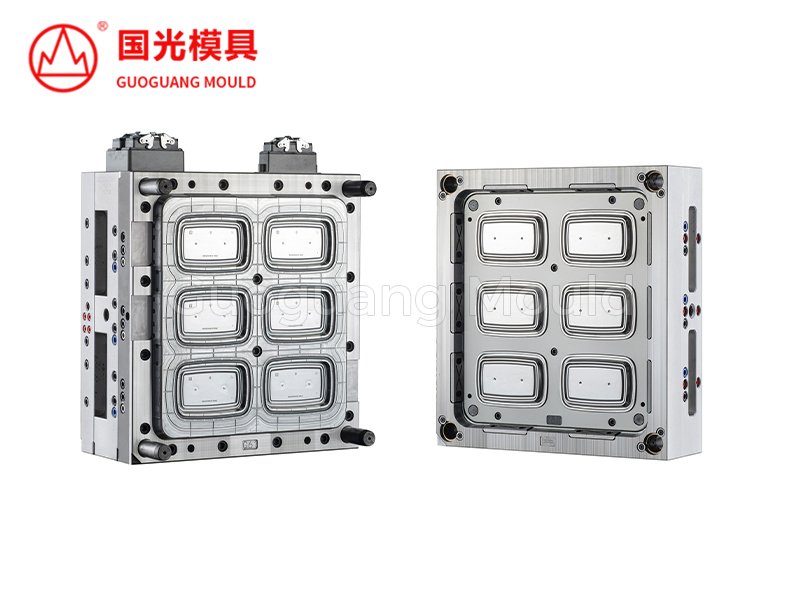
The Thin Wall Square Box Mould is designed for the production of small, square boxes, ensuring effic...
See Details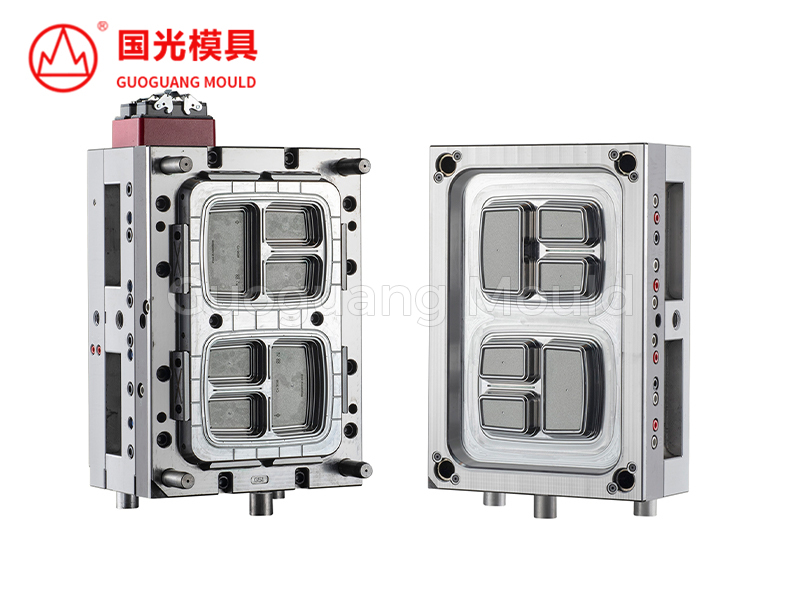
The Restaurant Packaged Three-Compartment Lunch Box Mold is designed for producing plastic lunch box...
See Details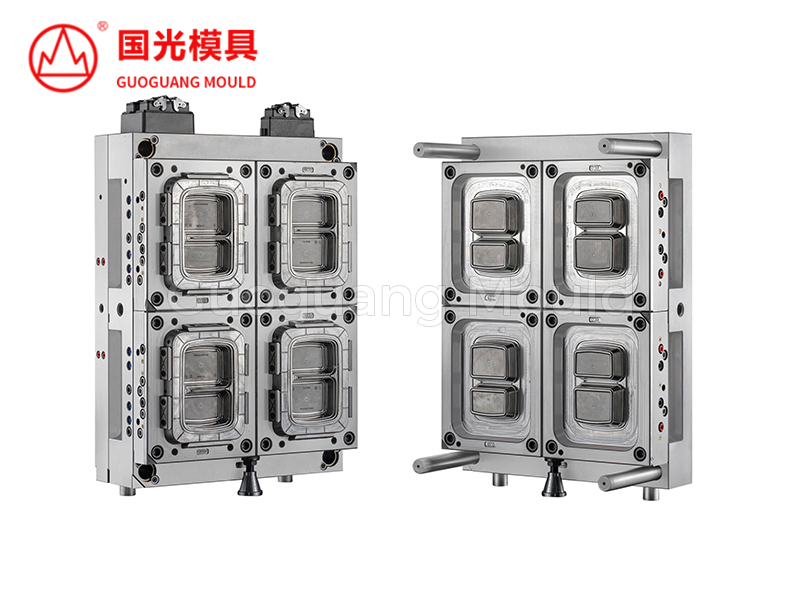
This mould is ideal for high-volume manufacturing, ensuring precise, efficient production of lunch ...
See Details
Guoguang are specialized in thin wall high-speed moulds, almost all cutlery moulds can be customized by us.
Copyright © Zhejiang Taizhou Guoguang Mould Plastic Co., Ltd. All Rights Reserved.
Thin Wall Mold Manufacturer
