 English
 中文简体
中文简体 Español
 عربى
عربى


Guoguang are specialized in thin wall high-speed moulds, almost all cutlery moulds can be customized by us.
Injection plastic round cap molds are specifically designed to manufacture round plastic caps with h...
See Details

In the competitive dairy and beverage packaging sector, a specialized tool is fundamental to producing the lightweight, single-serve containers found in refrigerators worldwide: the thin wall milk cup mold. This precision-engineered component is designed for the high-speed, high-volume manufacturing of cups used for milk, yogurt, desserts, and other liquid dairy products. The performance and design of the thin wall milk cup mold directly impact production efficiency, material consumption, and the functional characteristics of the final cup, making it a critical element for both large-scale dairies and packaging converters.
The primary function of the thin wall milk cup mold is to shape food-grade polymers, such as polypropylene (PP) or polystyrene (PS), into rigid, leak-proof containers with walls significantly thinner than those of standard containers. Achieving this requires a mold engineered for the unique challenges of thin-wall injection molding. The thin wall milk cup mold must facilitate the badly fast and uniform flow of molten plastic to completely fill the intricate cavity—including features like stacking ribs, tamper-evident bead rings, and smooth drinking rims—before the material begins to solidify. This necessitates a meticulously designed gating system, precise venting to eliminate trapped air, and a highly efficient cooling circuit within the thin wall milk cup mold to rapidly set the plastic, enabling cycle times often measured in just a few seconds.
The engineering and construction of a high-performance thin wall milk cup mold demand advanced expertise and high-quality materials. Mold makers typically utilize hardened tool steels to withstand the intense pressure and abrasive wear of continuous production. The cavity and core surfaces of the thin wall milk cup mold are polished to an ultra-smooth finish to ensure easy part release and to provide the glossy, hygienic appearance expected of dairy packaging. Critical to the mold's success is its thermal management system; an array of cooling channels is strategically routed to ensure even heat extraction, preventing defects like warping or inconsistent wall thickness that could compromise the cup's integrity or stackability.
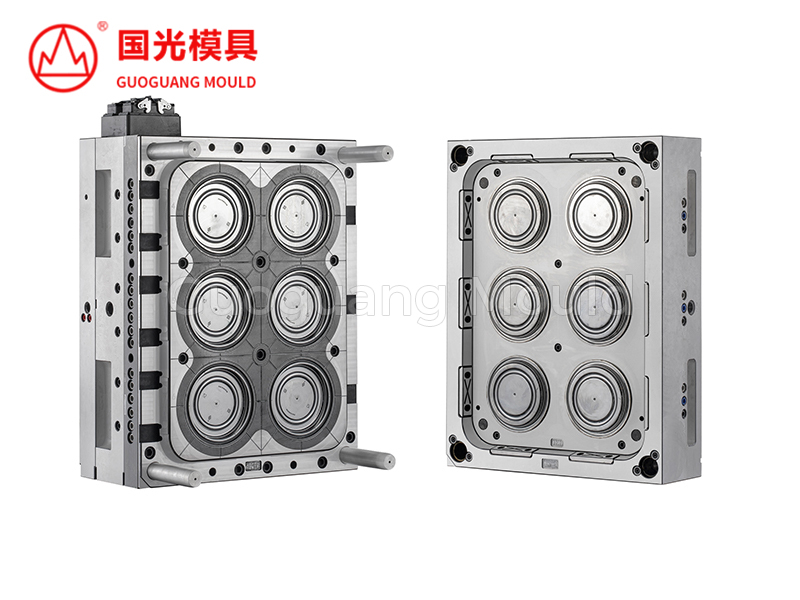
The operational and economic importance of a reliable thin wall milk cup mold is considerable. For packaging manufacturers, a well-designed mold improves output by small cycle time and reducing waste from defective cups. Its robust construction ensures longevity, capable of producing tens of millions of units before major servicing. Furthermore, the thin wall milk cup mold is a key enabler of sustainability and cost control. By allowing for the consistent production of cups with thinner walls, it directly reduces the amount of plastic resin required per unit. This source reduction lowers material costs and aligns with environmental goals by decreasing the overall plastic footprint of each container without sacrificing its required strength and barrier properties.
Innovation in thin wall milk cup mold technology will continue to focus on precision, speed, and sustainability. Advances such as conformal cooling channels, made possible by additive manufacturing, promise more uniform temperature control and faster cycles. The integration of smart sensors for real-time monitoring of pressure and temperature can enable predictive maintenance and tighter quality control. As dairy consumption patterns evolve and the emphasis on efficient, responsible packaging intensifies, the thin wall milk cup mold will remain an indispensable piece of industrial tooling, quietly enabling the safe, efficient, and cost-effective delivery of fresh products to consumers globally.
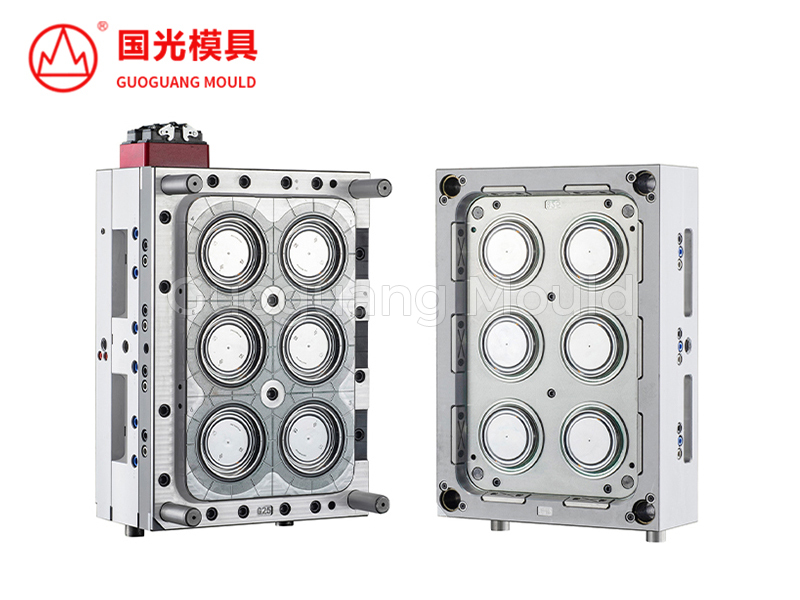
Injection plastic round cap molds are specifically designed to manufacture round plastic caps with h...
See Details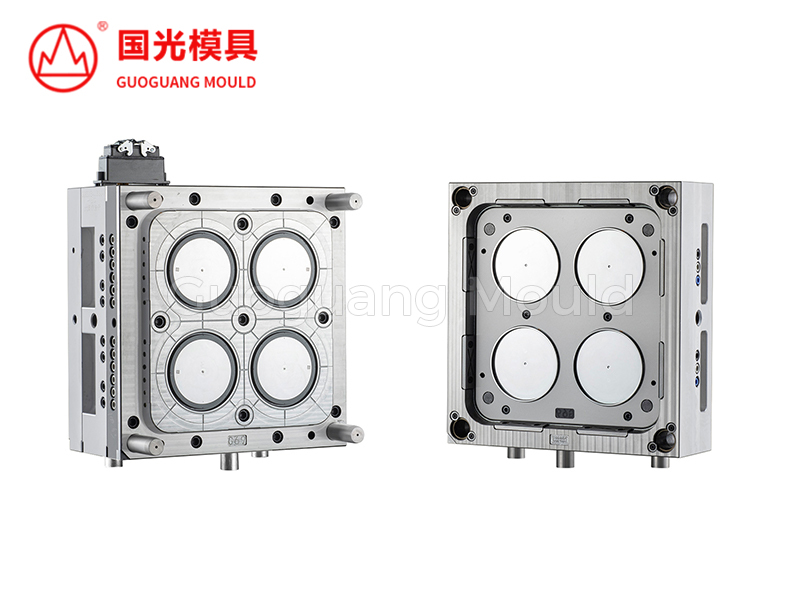
Injection plastic round bowl moulds are designed to create high-quality, durable plastic round bowls...
See Details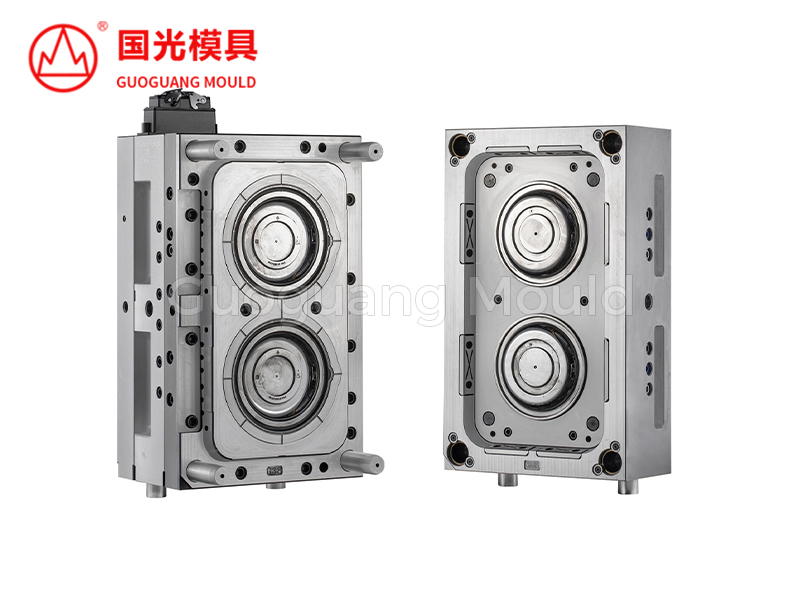
The Thin Wall American Style Large Round Cover Mould is a specialised tool designed for the producti...
See Details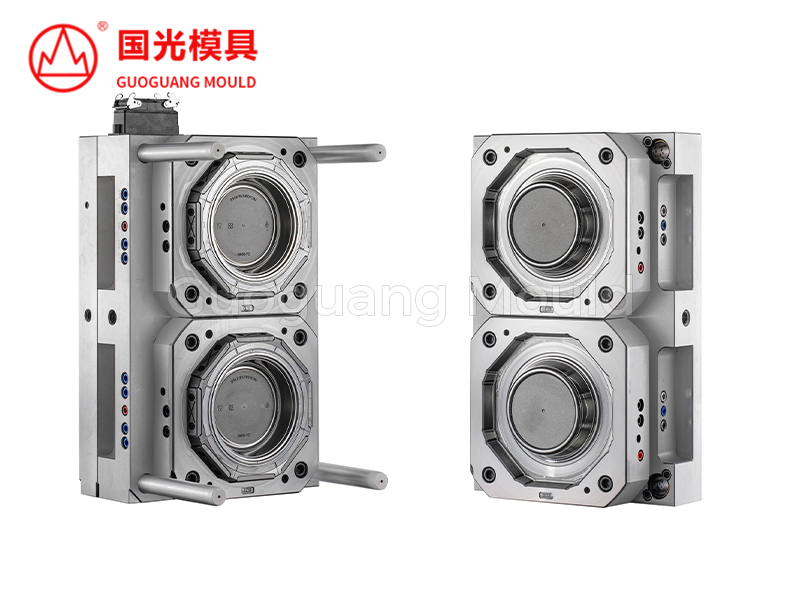
The Injection Plastic American Style Large Round Bowl Mold is an advanced tool designed specifically...
See Details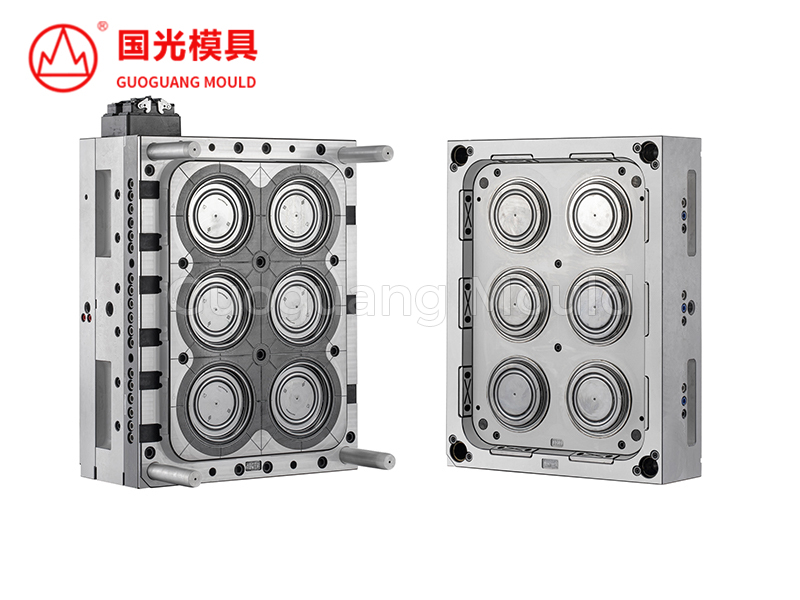
The Thin Wall American Medium Round Cap Mould is a highly efficient tool designed for the production...
See Details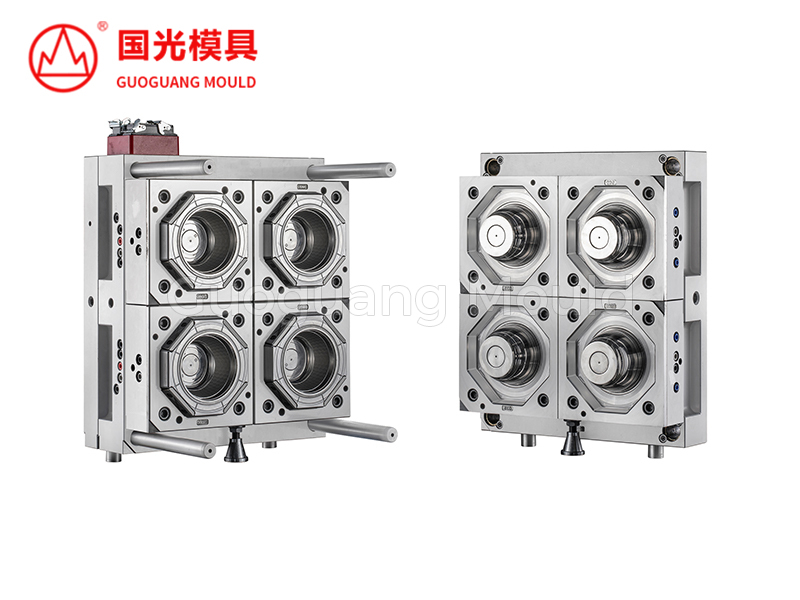
The Thin Wall Medium Size American Bowl Mould is designed for efficient production of medium-sized b...
See Details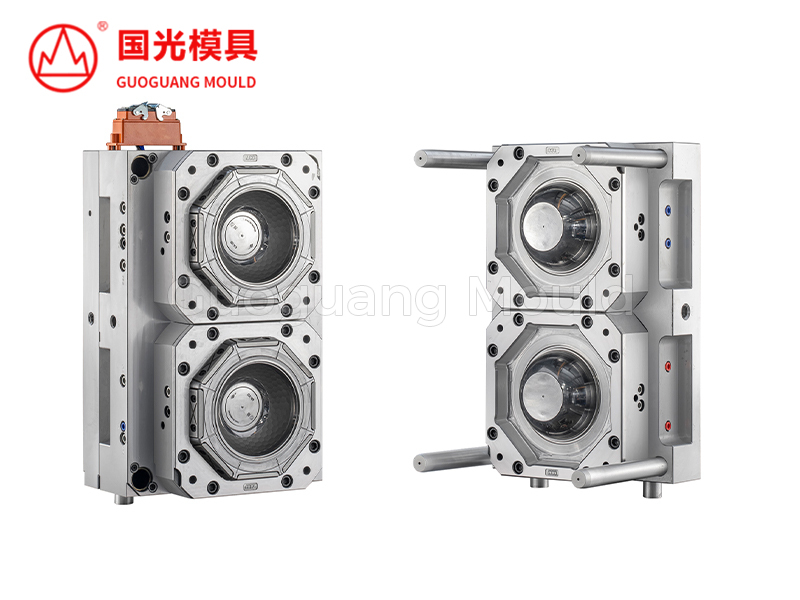
The Injection Plastic Large Round Bowl Mould is a specialized tool designed to produce large round p...
See Details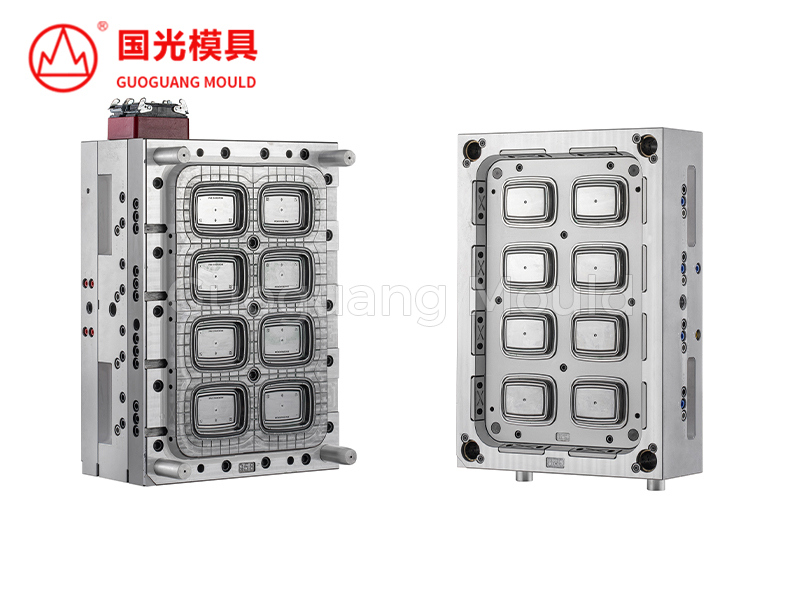
The Thin Wall American Style Small Square Cover Mold is designed for the production of small, square...
See Details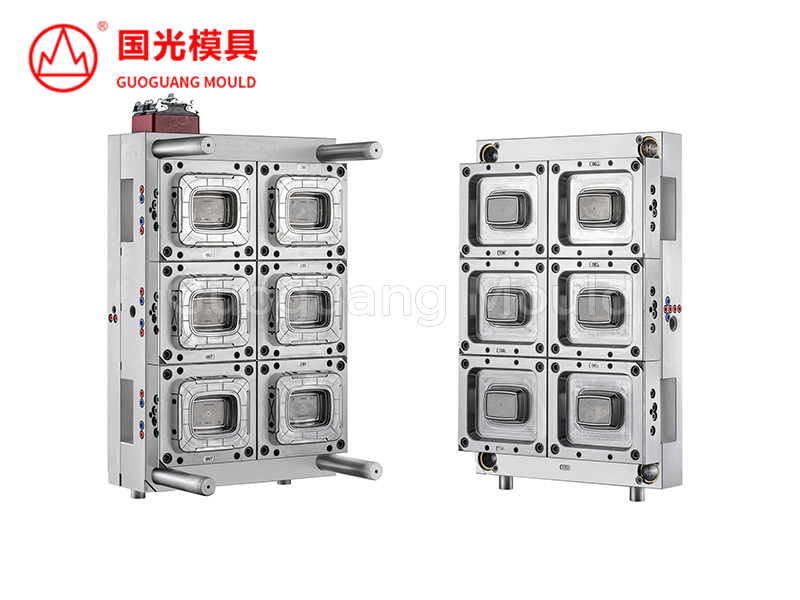
The Plastic Mould for Packaged Food Square Cover is an essential tool for creating square plastic co...
See Details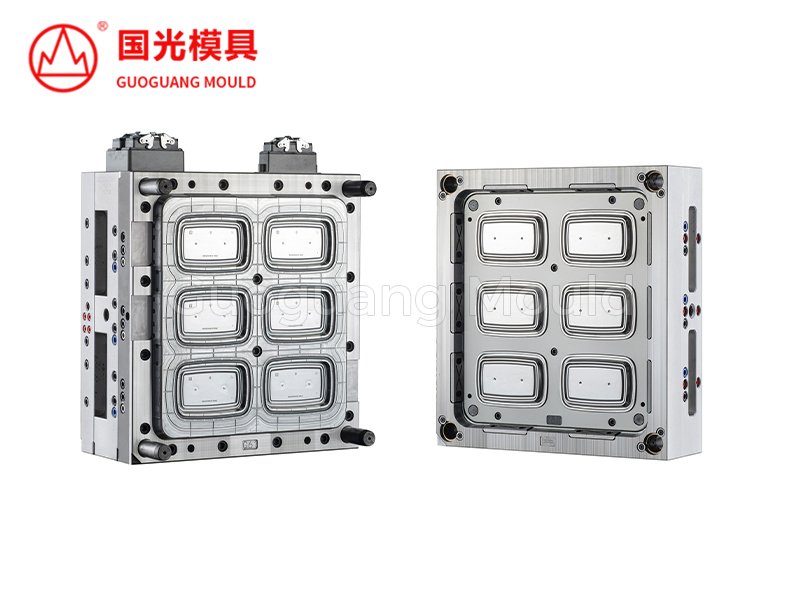
The Thin Wall Square Box Mould is designed for the production of small, square boxes, ensuring effic...
See Details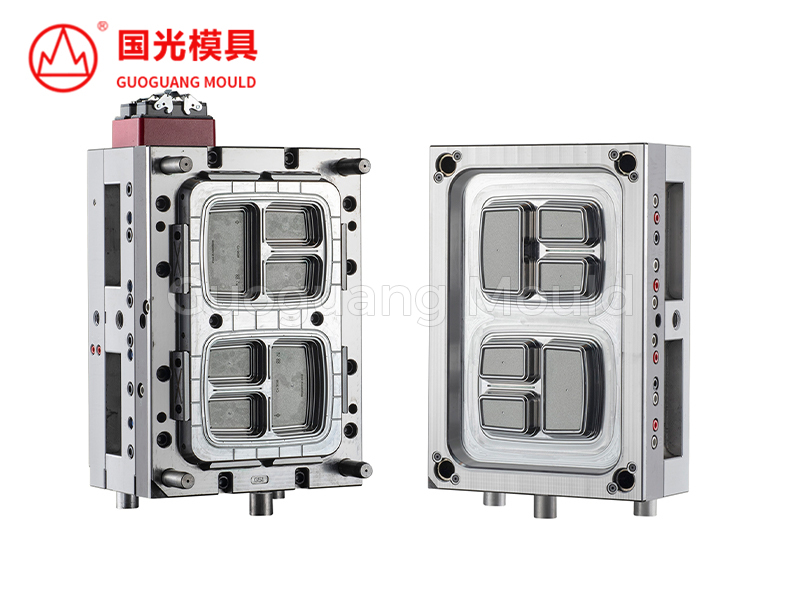
The Restaurant Packaged Three-Compartment Lunch Box Mold is designed for producing plastic lunch box...
See Details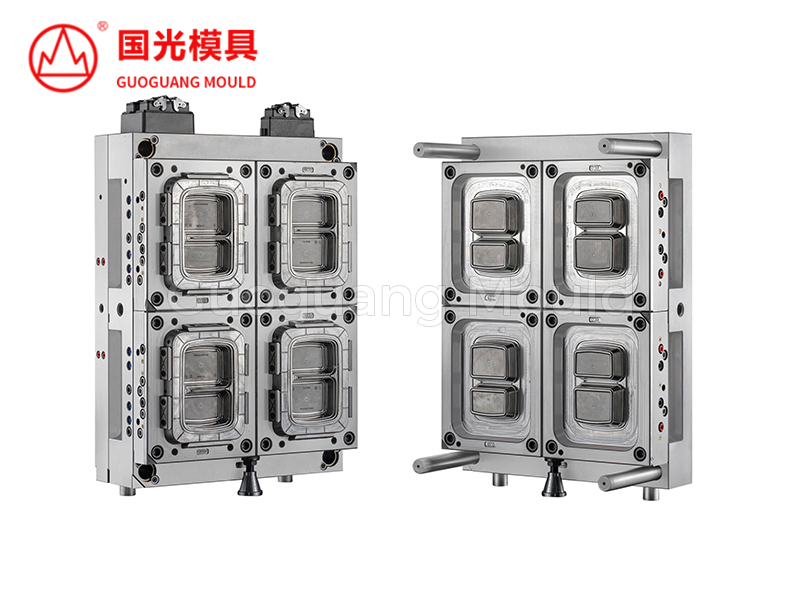
This mould is ideal for high-volume manufacturing, ensuring precise, efficient production of lunch ...
See Details
Guoguang are specialized in thin wall high-speed moulds, almost all cutlery moulds can be customized by us.
Copyright © Zhejiang Taizhou Guoguang Mould Plastic Co., Ltd. All Rights Reserved.
Thin Wall Mold Manufacturer
