 English
 中文简体
中文简体 Español
 عربى
عربى


Guoguang are specialized in thin wall high-speed moulds, almost all cutlery moulds can be customized by us.
Injection plastic round cap molds are specifically designed to manufacture round plastic caps with h...
See Details

In the dynamic world of quick-service restaurants and takeaway dining, a key component driving both operational efficiency and product consistency is the fast-food thin-wall lunch box mold. This specialized tool is engineered for the high-volume production of the disposable containers that hold salads, burgers, sides, and hot meals. The design and performance of the fast-food thin-wall lunch box mold directly influence production speed, material usage, and the functional integrity of the final packaging, making it a vital asset for the global food service supply chain.
The primary function of a fast-food thin-wall lunch box mold is to form polypropylene, polystyrene, or other food-grade polymers into lightweight, rigid containers through the injection molding process. The term "thin-wall" refers to the design necessity for these containers to have small material thickness—often under 1 millimeter—to reduce cost and weight while maintaining sufficient strength. Creating such items requires a fast-food thin-wall lunch box mold with exceptional precision. The mold cavity must facilitate badly rapid flow of molten plastic to fill the thin sections completely before cooling begins. This demands a superbly balanced runner system, strategically placed vents to avoid air traps, and an efficient cooling network integrated into the fast-food thin-wall lunch box mold to solidify the product quickly for ejection. The goal is a cycle time of mere seconds, enabling the production of thousands of units per hour.
The engineering behind a high-performance fast-food thin-wall lunch box mold involves sophisticated design and durable materials. Mold makers typically use hardened steel or aluminum to withstand the high pressures and repetitive cycles of production. The internal surfaces of the fast-food thin-wall lunch box mold are polished to a high gloss or given a specific texture, which not only defines the container's appearance but also aids in the release of the finished part. Features like living hinges for attached lids, stacking ribs, and precise rim profiles are all machined into the fast-food thin-wall lunch box mold with accuracy to ensure containers are leak-resistant, stackable, and compatible with automated filling and sealing equipment in restaurants.
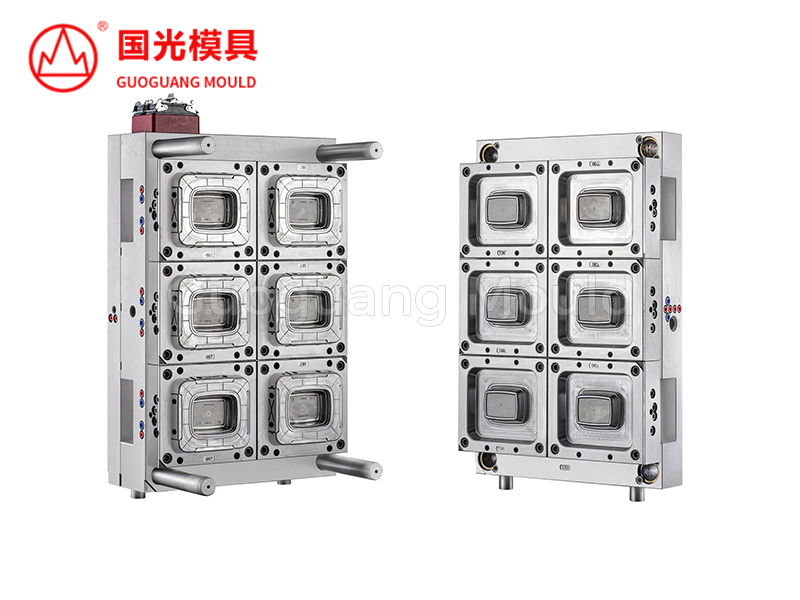
The economic and practical significance of a reliable fast-food thin-wall lunch box mold is substantial for packaging manufacturers. A well-designed mold improves productivity by small cycle time and reducing scrap rates due to defects like short shots or warping. Its durability ensures a long service life, producing millions of containers before requiring significant maintenance. Furthermore, the fast-food thin-wall lunch box mold is instrumental in material efficiency. By enabling the consistent production of robust yet thin containers, it helps reduce the amount of plastic resin used per unit, aligning with both cost-saving initiatives and broader industry efforts to less environmental impact through source reduction.
Innovation in the realm of the fast-food thin-wall lunch box mold will focus on enhancing precision, speed, and adaptability. Advances in mold-making technology, such as conformal cooling channels created via additive manufacturing, promise more uniform cooling and faster cycle times. The integration of Industry 4.0 sensors for real-time monitoring of temperature and pressure will enable predictive maintenance and ideal process control. As the fast-food and food-to-go sectors continue to expand globally, the fast-food thin-wall lunch box mold will remain an indispensable piece of engineering, underpinning the rapid, cost-effective, and reliable production of the packaging that serves millions of meals every day.
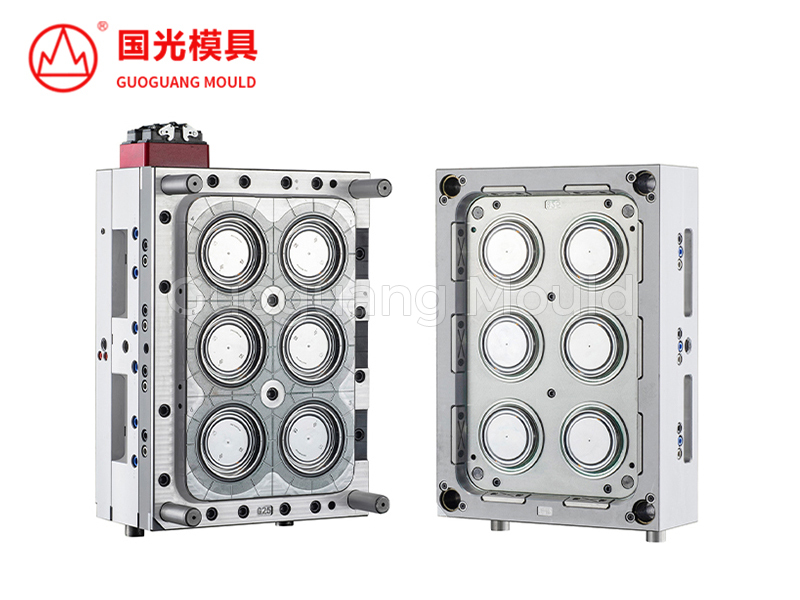
Injection plastic round cap molds are specifically designed to manufacture round plastic caps with h...
See Details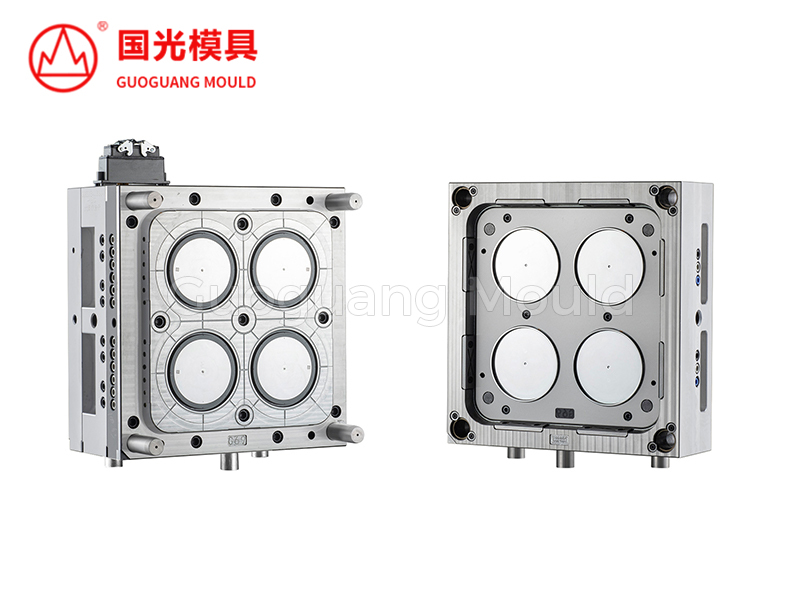
Injection plastic round bowl moulds are designed to create high-quality, durable plastic round bowls...
See Details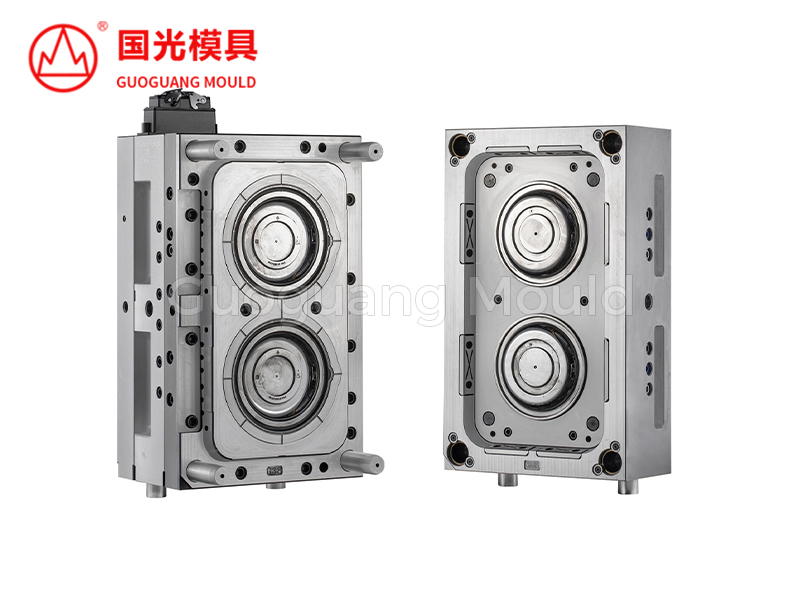
The Thin Wall American Style Large Round Cover Mould is a specialised tool designed for the producti...
See Details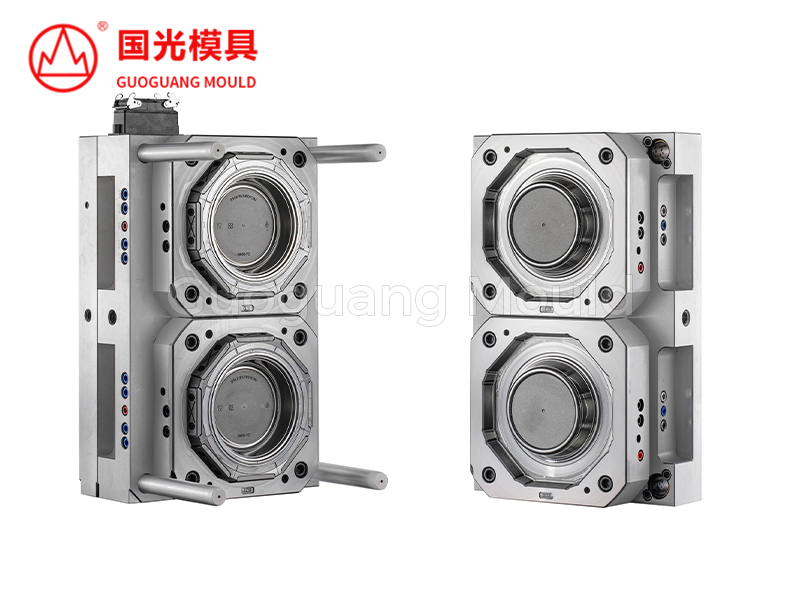
The Injection Plastic American Style Large Round Bowl Mold is an advanced tool designed specifically...
See Details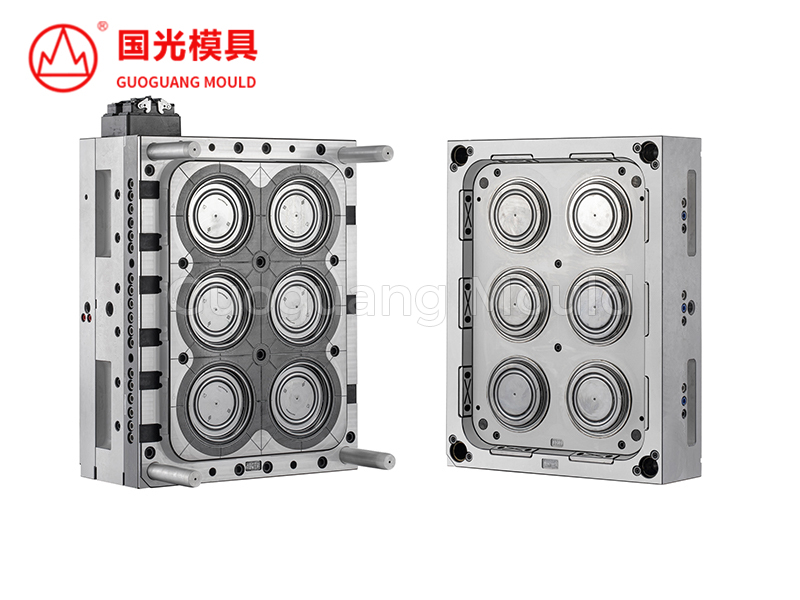
The Thin Wall American Medium Round Cap Mould is a highly efficient tool designed for the production...
See Details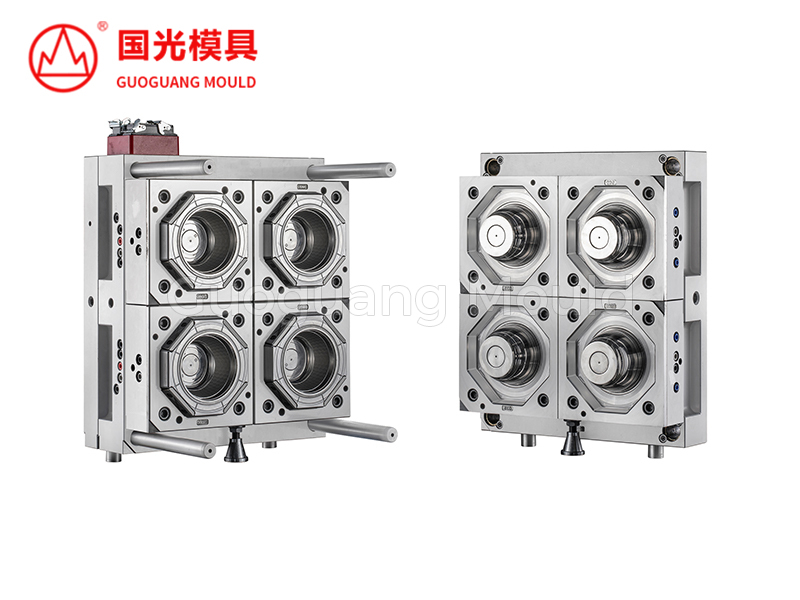
The Thin Wall Medium Size American Bowl Mould is designed for efficient production of medium-sized b...
See Details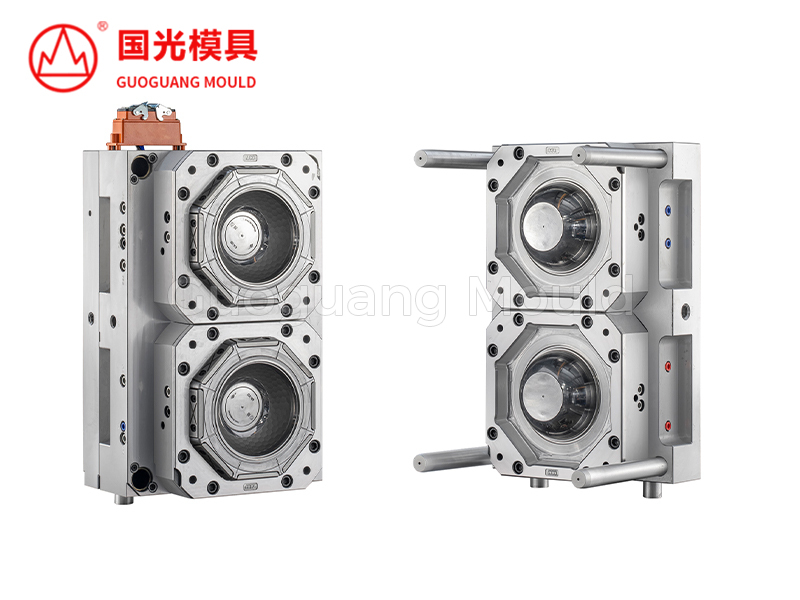
The Injection Plastic Large Round Bowl Mould is a specialized tool designed to produce large round p...
See Details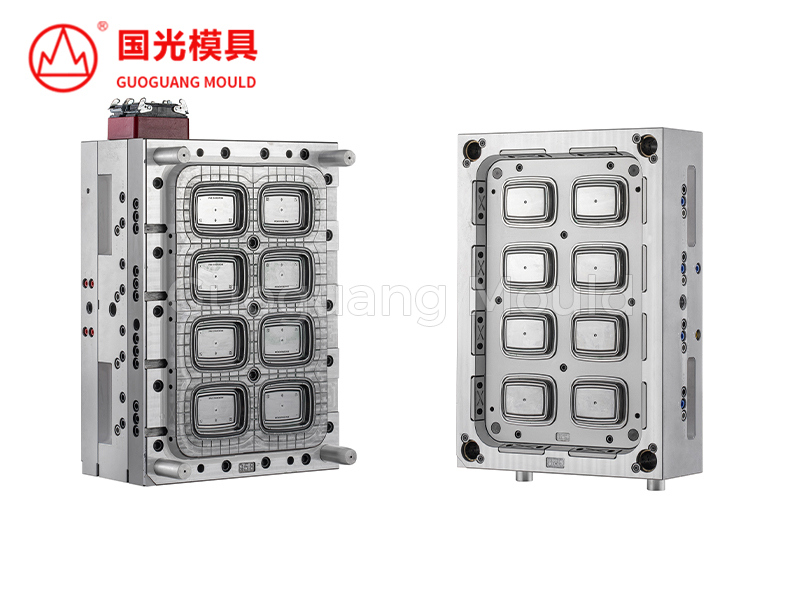
The Thin Wall American Style Small Square Cover Mold is designed for the production of small, square...
See Details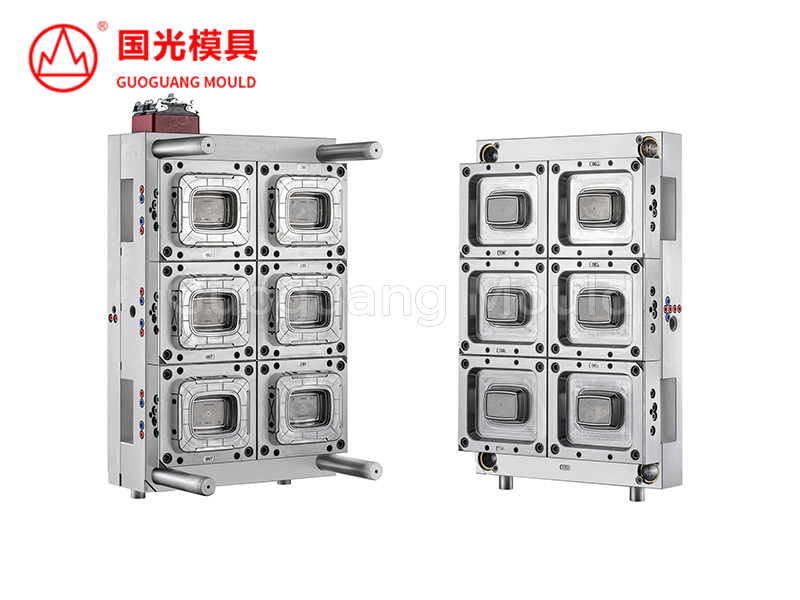
The Plastic Mould for Packaged Food Square Cover is an essential tool for creating square plastic co...
See Details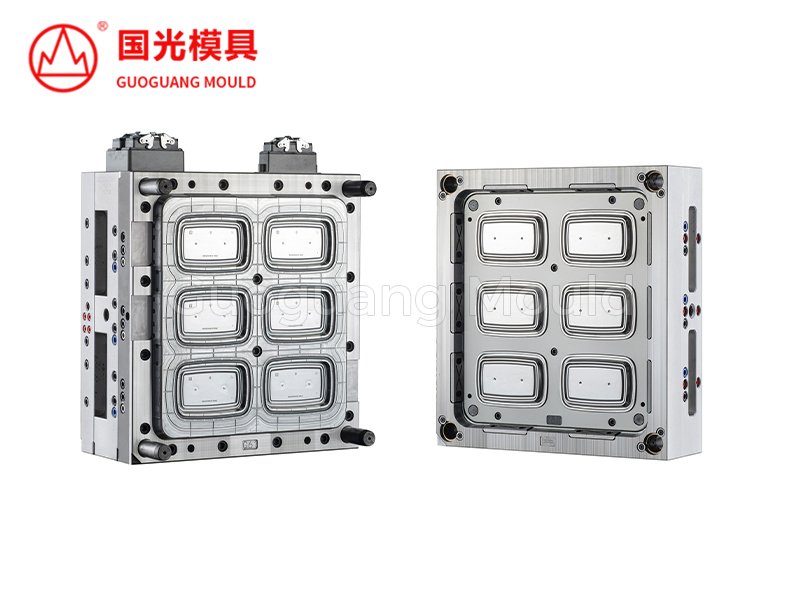
The Thin Wall Square Box Mould is designed for the production of small, square boxes, ensuring effic...
See Details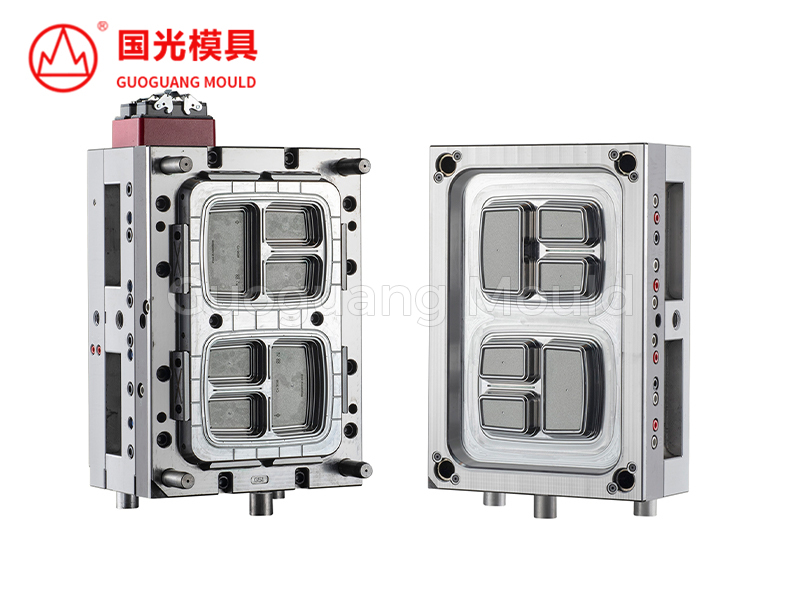
The Restaurant Packaged Three-Compartment Lunch Box Mold is designed for producing plastic lunch box...
See Details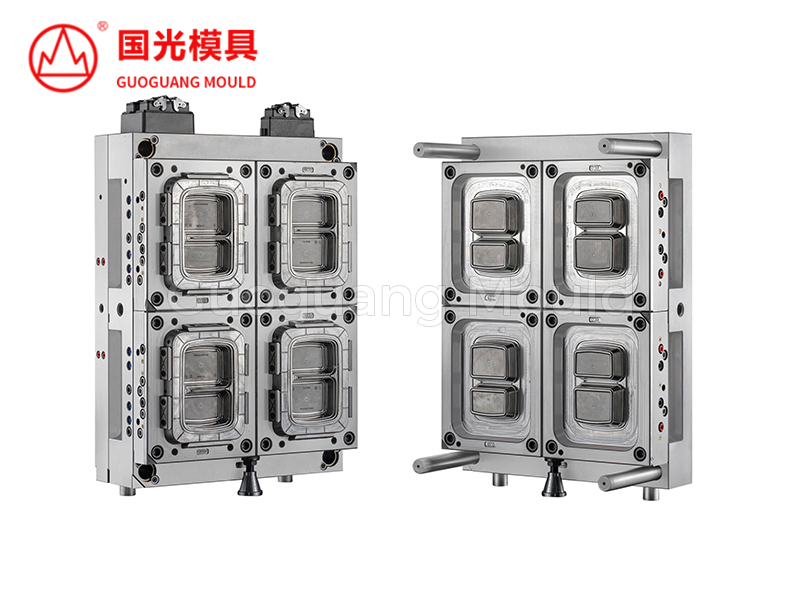
This mould is ideal for high-volume manufacturing, ensuring precise, efficient production of lunch ...
See Details
Guoguang are specialized in thin wall high-speed moulds, almost all cutlery moulds can be customized by us.
Copyright © Zhejiang Taizhou Guoguang Mould Plastic Co., Ltd. All Rights Reserved.
Thin Wall Mold Manufacturer
