 English
 中文简体
中文简体 Español
 عربى
عربى


Guoguang are specialized in thin wall high-speed moulds, almost all cutlery moulds can be customized by us.
Injection plastic round cap molds are specifically designed to manufacture round plastic caps with h...
See Details

The precision tooling that shapes the billions of containers used daily for takeout meals, grocery packaging, and food service is experiencing significant technological evolution. The disposable food packaging container mold, which determines the form, function, and quality of finished products, has become increasingly sophisticated as environmental concerns reshape the industry and performance expectations rise. As the global food service industry expands and regulatory requirements evolve, disposable food packaging container mold technology continues to advance to meet diverse manufacturing demands.
At the foundation of disposable food packaging container mold function is the precise shaping of molten polymer into finished containers through thermoforming, injection molding, or compression molding processes. The mold determines every aspect of the finished container: its dimensions and wall thickness, its structural features like ribs and stacking lugs, its aesthetic qualities including surface texture and finish, and its functional characteristics like sealability and stackability. The quality of the disposable food packaging container mold directly translates into the quality of the millions of containers produced from it.
The construction of disposable food packaging container molds reflects the demanding requirements of high-volume production. Mold bases must provide rigid support for cavity and core components while accommodating cooling channels and ejection systems. Cavity and core inserts, precision-machined from tool steels or aluminum alloys, shape the actual container and must maintain dimensional accuracy through millions of production cycles. Cooling systems remove heat efficiently to less cycle times and ensure consistent part quality. Ejection systems remove finished containers from the mold without damage. Every component must be engineered for the specific production requirements of each container design.
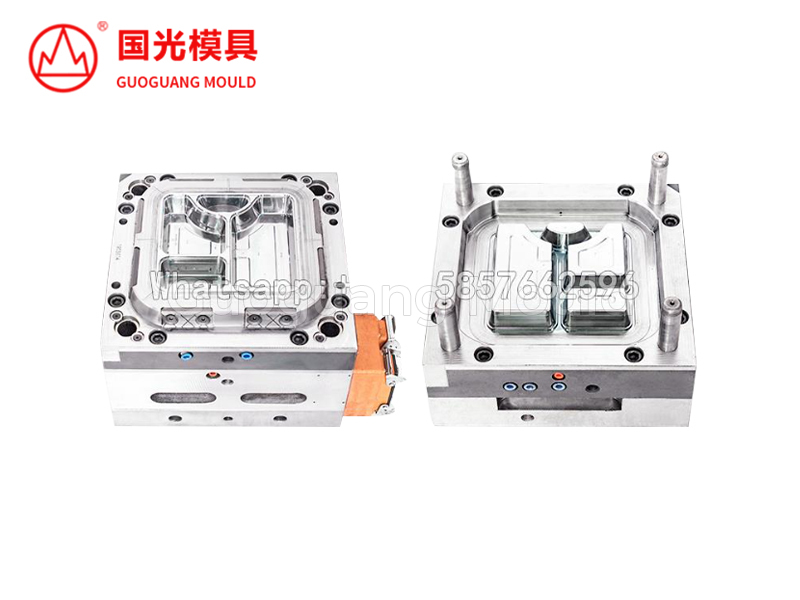
Material selection for disposable food packaging container molds involves balancing multiple factors. Tool steels offer exceptional wear resistance and durability for long production runs, maintaining dimensional accuracy through millions of cycles. Aluminum alloys provide faster heat transfer and lighter weight, reducing cycle times and making them preferred for applications where tool life requirements are moderate. Specialty materials may be specified for specific requirements like corrosion resistance when processing certain polymers. The choice of mold material significantly influences both initial cost and long-term production economics.
Cooling system design represents a critical aspect of disposable food packaging container mold engineering. Efficient cooling directly reduces cycle times, increasing production throughput and reducing manufacturing cost. Conformal cooling channels, machined to follow the contour of the mold cavity, provide more uniform and efficient heat removal than traditional straight-drilled passages. Computational fluid dynamics analysis optimizes cooling channel layout for up to heat transfer with small pressure drop. These cooling innovations enable faster production while maintaining consistent part quality.
As the food service industry continues to grow and environmental pressures reshape packaging requirements, the importance of advanced disposable food packaging container mold technology will only increase. The molds that shape the containers used for takeout meals, grocery items, and food service applications determine both the functionality and the environmental footprint of these important products. Through ongoing innovation in mold design, materials, and manufacturing, the industry continues to produce better containers more efficiently while adapting to changing material and performance requirements.
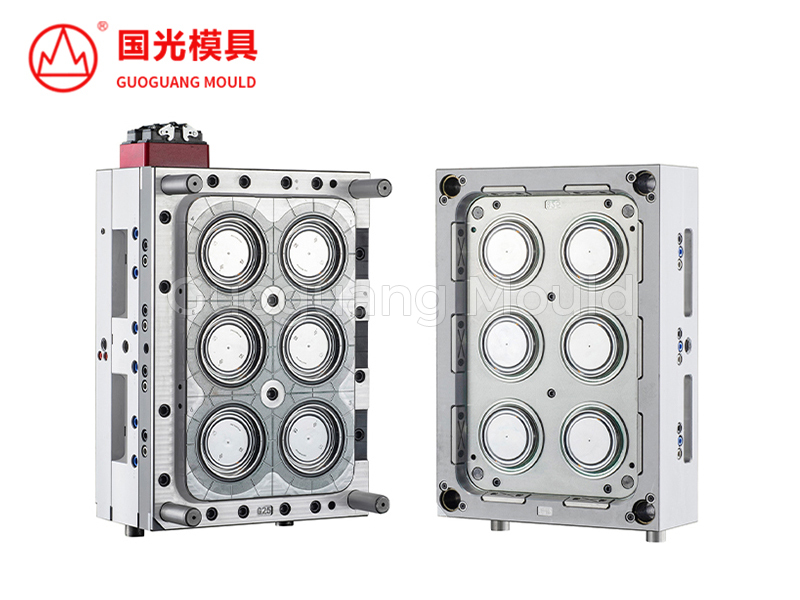
Injection plastic round cap molds are specifically designed to manufacture round plastic caps with h...
See Details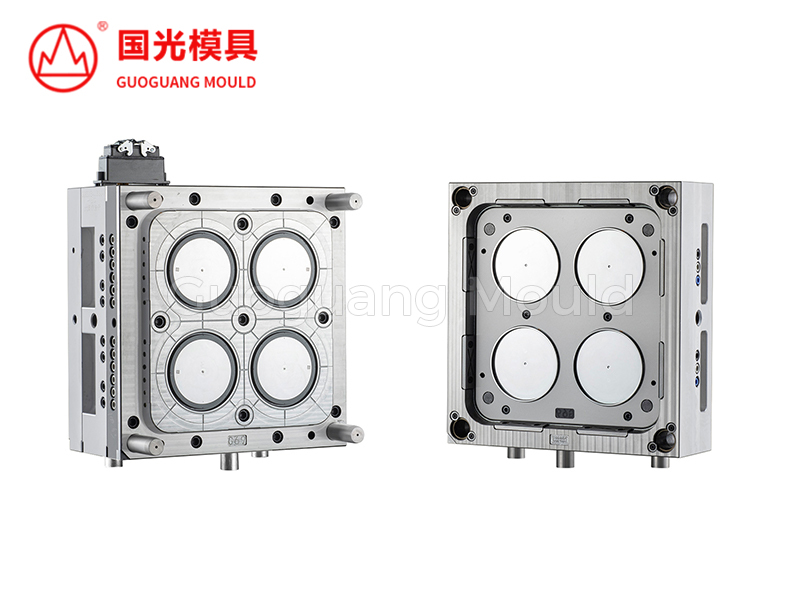
Injection plastic round bowl moulds are designed to create high-quality, durable plastic round bowls...
See Details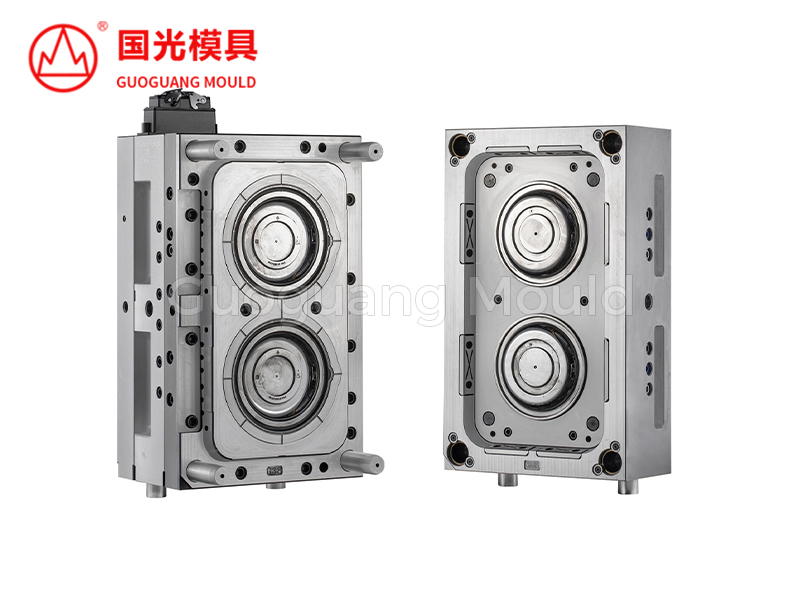
The Thin Wall American Style Large Round Cover Mould is a specialised tool designed for the producti...
See Details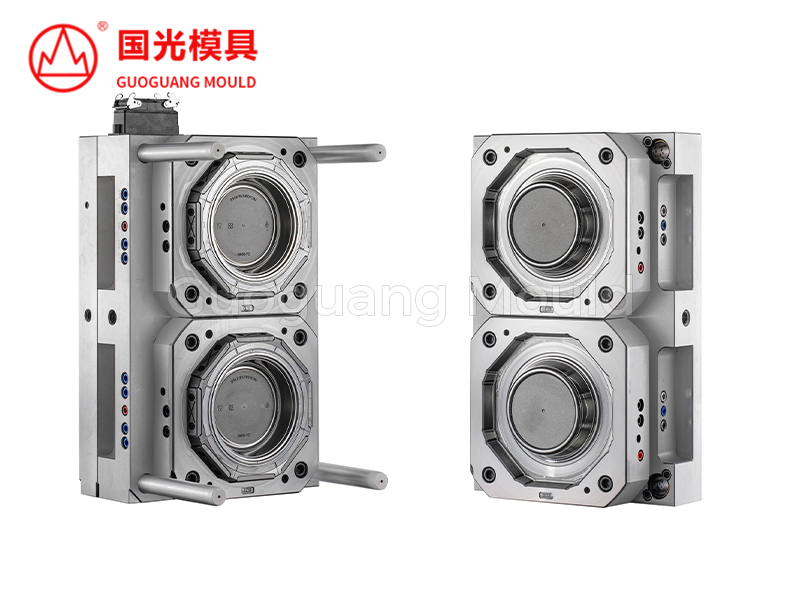
The Injection Plastic American Style Large Round Bowl Mold is an advanced tool designed specifically...
See Details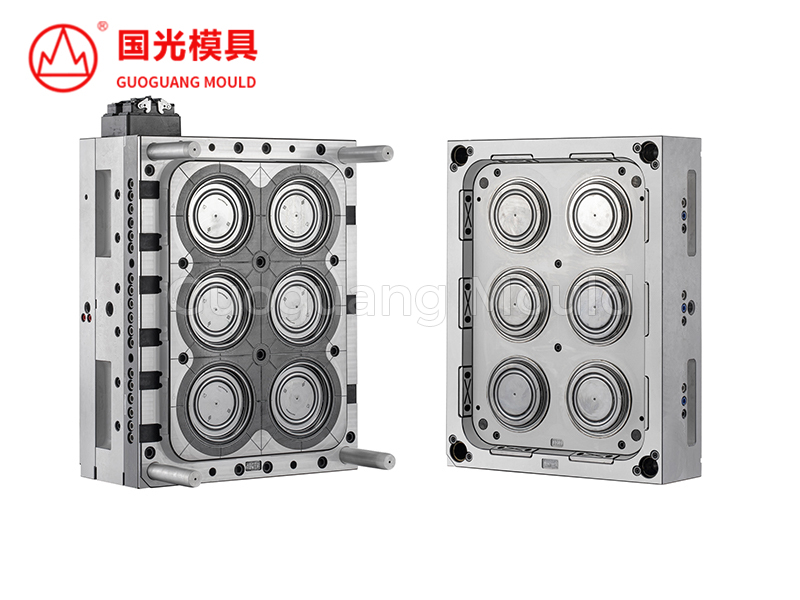
The Thin Wall American Medium Round Cap Mould is a highly efficient tool designed for the production...
See Details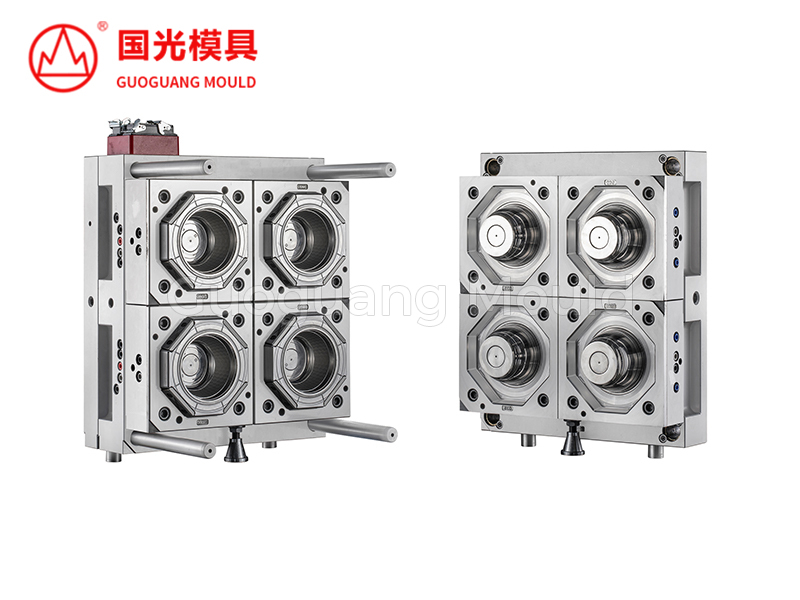
The Thin Wall Medium Size American Bowl Mould is designed for efficient production of medium-sized b...
See Details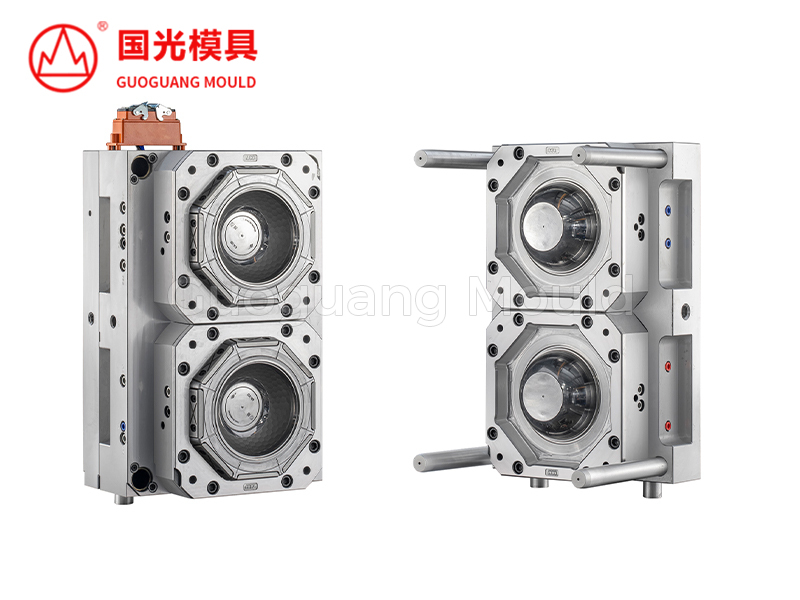
The Injection Plastic Large Round Bowl Mould is a specialized tool designed to produce large round p...
See Details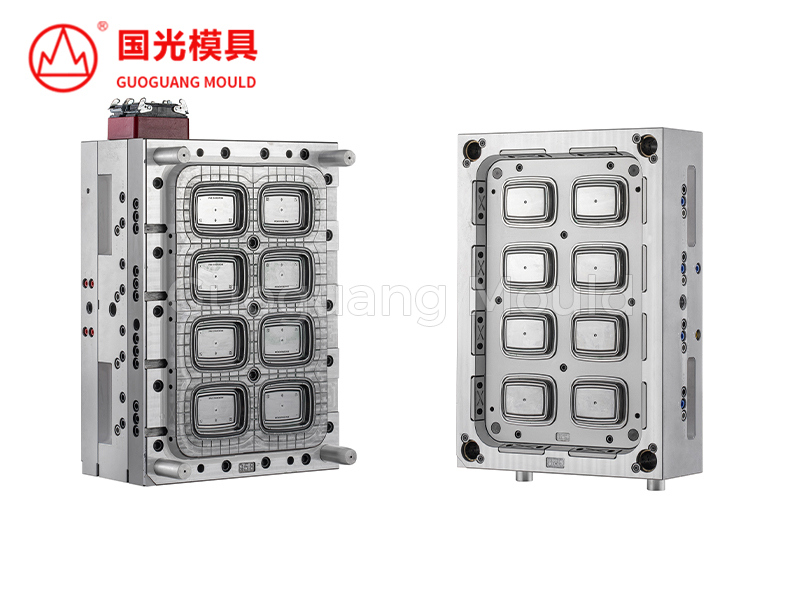
The Thin Wall American Style Small Square Cover Mold is designed for the production of small, square...
See Details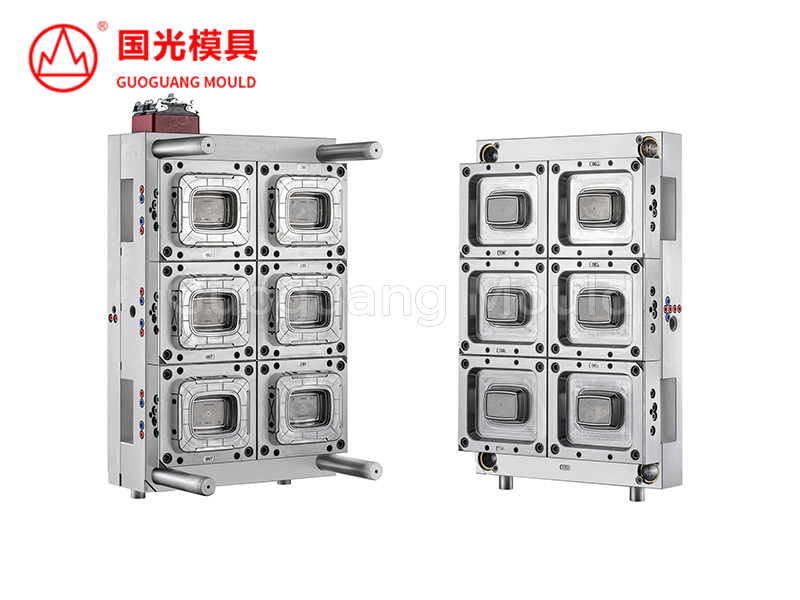
The Plastic Mould for Packaged Food Square Cover is an essential tool for creating square plastic co...
See Details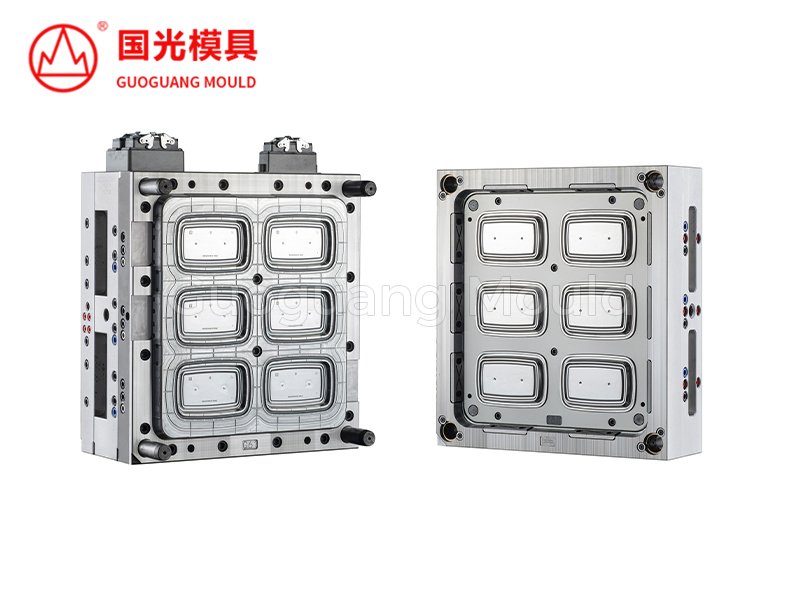
The Thin Wall Square Box Mould is designed for the production of small, square boxes, ensuring effic...
See Details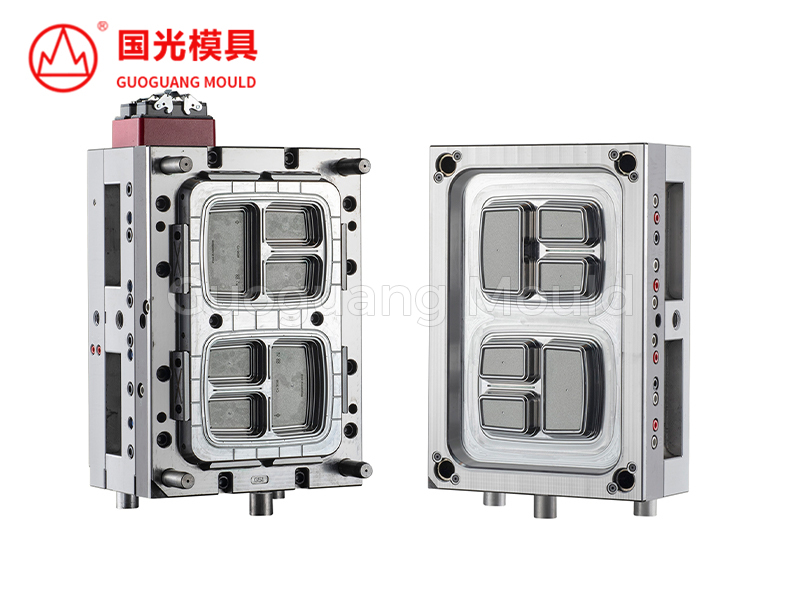
The Restaurant Packaged Three-Compartment Lunch Box Mold is designed for producing plastic lunch box...
See Details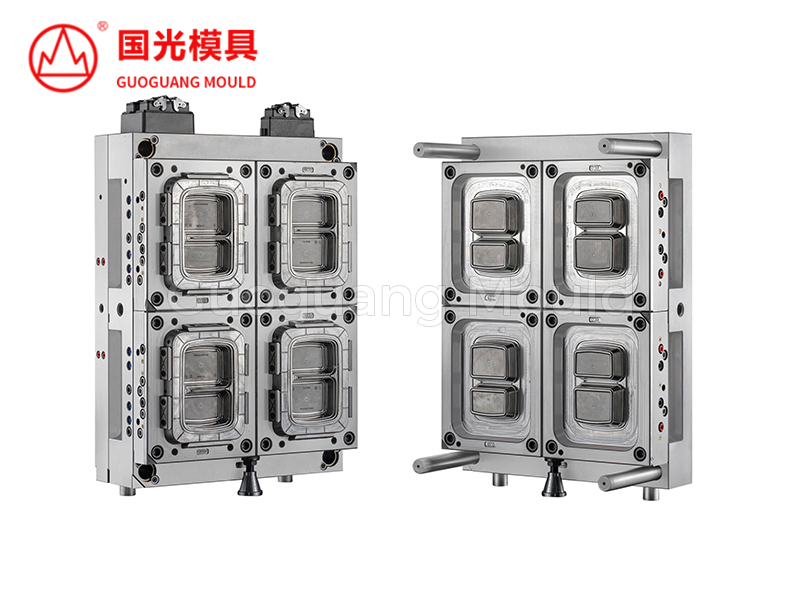
This mould is ideal for high-volume manufacturing, ensuring precise, efficient production of lunch ...
See Details
Guoguang are specialized in thin wall high-speed moulds, almost all cutlery moulds can be customized by us.
Copyright © Zhejiang Taizhou Guoguang Mould Plastic Co., Ltd. All Rights Reserved.
Thin Wall Mold Manufacturer
