 English
 中文简体
中文简体 Español
 عربى
عربى


Guoguang are specialized in thin wall high-speed moulds, almost all cutlery moulds can be customized by us.
Injection plastic round cap molds are specifically designed to manufacture round plastic caps with h...
See Details

The rapid expansion of ready-to-eat meals, food delivery services, and prepared lunch products has increased demand for reliable plastic packaging. Behind every stackable lunch box or compartment container is a carefully engineered mold designed for consistent production. As a result, the role of a Takeaway Lunch Packaging Container Mould Maker has become increasingly significant within the packaging manufacturing sector.
Modern packaging factories operate at high production speeds, requiring molds that deliver stable performance over long production cycles. Manufacturers are no longer focused only on producing container shapes. Greater attention is now given to dimensional consistency, material flow, cycle stability, and efficient mold layouts that support automated production.
This shift has encouraged mold makers to combine engineering expertise with advanced machining technology to create tooling solutions suitable for today's packaging industry.
The transition from engineering drawings to finished tooling requires multiple manufacturing technologies working together. Modern machining centers produce cavity blocks, core inserts, sliders, guide systems, and support plates with high dimensional accuracy.
A typical production workflow includes several coordinated processes:
| Manufacturing Stage | Primary Objective |
| CNC Milling | Forms cavity geometry and mold plates |
| EDM Processing | Produces detailed corners and deep features |
| Wire Cutting | Creates precision inserts and slots |
| Grinding | Improves dimensional accuracy and flatness |
| Polishing | Refines cavity surface quality |
Each manufacturing stage contributes to the overall precision of the mold. Even minor dimensional variations can influence container appearance, lid fit, or stacking performance after injection molding.
Carefully controlled machining allows the Takeaway Lunch Packaging Container Mould Maker to produce molds capable of supporting continuous industrial production.
Cooling channels receive considerable engineering attention because temperature distribution directly affects molded container quality. Uneven cooling may to dimensional variation, surface distortion, or inconsistent wall thickness.
Engineers position cooling circuits throughout the mold to maintain balanced temperatures around every cavity. Computer simulations assist with determining channel placement before drilling begins.
For multi-compartment lunch containers, the cooling layout becomes even more complex because different wall sections solidify at different rates. Proper thermal management helps each compartment retain its intended shape throughout production.
Cooling design also contributes to repeatable production cycles, allowing packaging manufacturers to maintain stable output during extended manufacturing operations.
Food packaging has become more diverse, requiring tooling capable of producing containers with increasingly detailed structures. A modern Takeaway Lunch Packaging Container Mould Maker often develops molds for products featuring divided meal compartments, reinforced bases, locking lids, and stackable profiles.
Several engineering elements commonly appear in current mold designs:
These features allow manufacturers to adapt tooling for different container dimensions while maintaining consistent molding performance across various packaging products.
Tool steel selection remains an essential part of mold manufacturing. Different mold components operate under varying mechanical conditions, making material choice an important engineering decision.
Cavity inserts, core sections, guide pillars, and wear components may use different grades of hardened steel depending on their functions within the mold assembly. Careful heat treatment improves structural stability before finishing operations begin.
Surface finishing is equally important. Smooth cavity surfaces help molten plastic flow evenly while producing containers with clean edges and attractive appearances. Precision polishing also supports reliable part release during automated production.
By combining suitable materials with accurate machining, the Takeaway Lunch Packaging Container Mould Maker creates tooling capable of maintaining dimensional consistency across large production volumes.
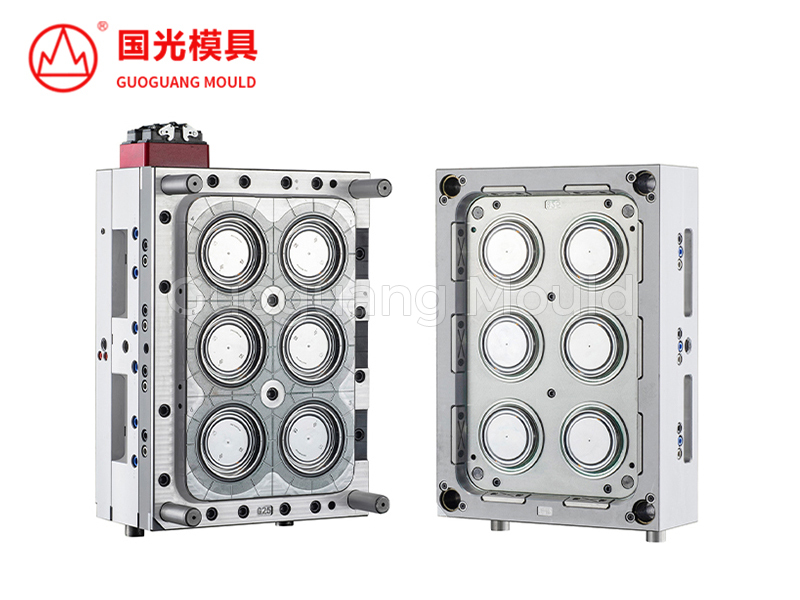
Injection plastic round cap molds are specifically designed to manufacture round plastic caps with h...
See Details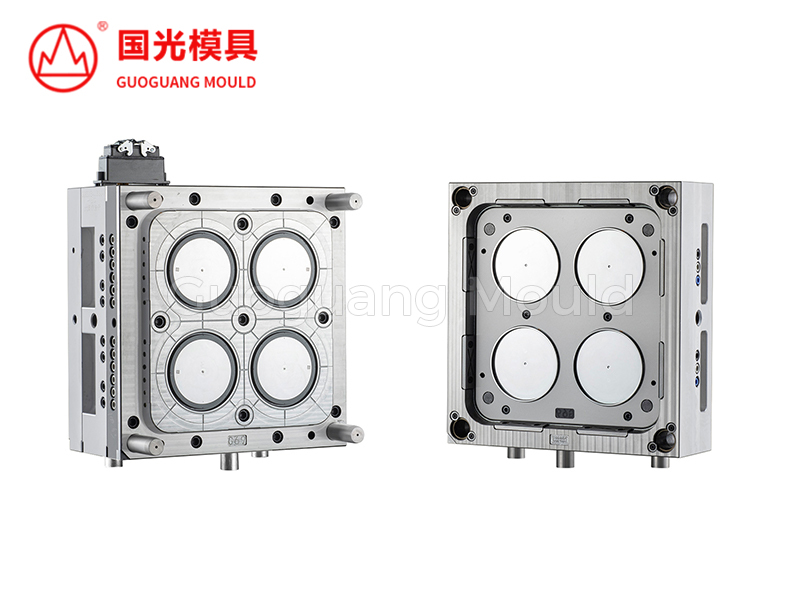
Injection plastic round bowl moulds are designed to create high-quality, durable plastic round bowls...
See Details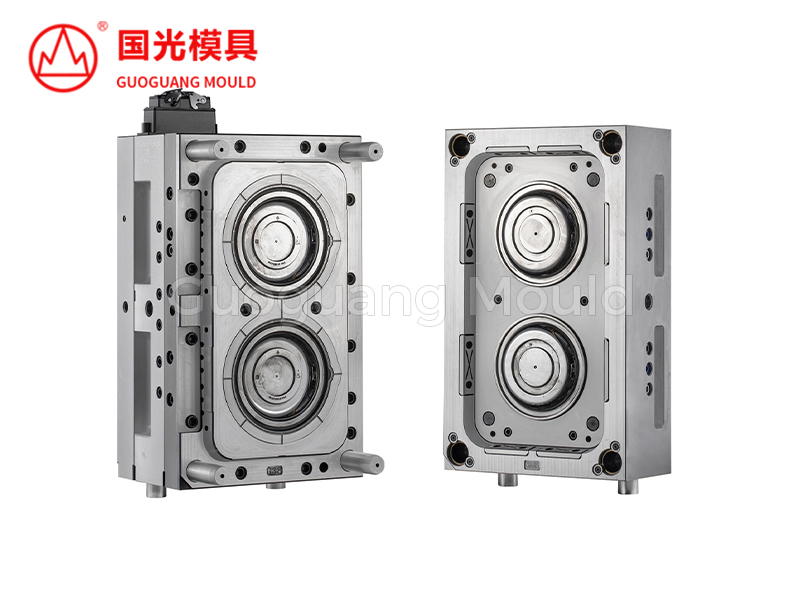
The Thin Wall American Style Large Round Cover Mould is a specialised tool designed for the producti...
See Details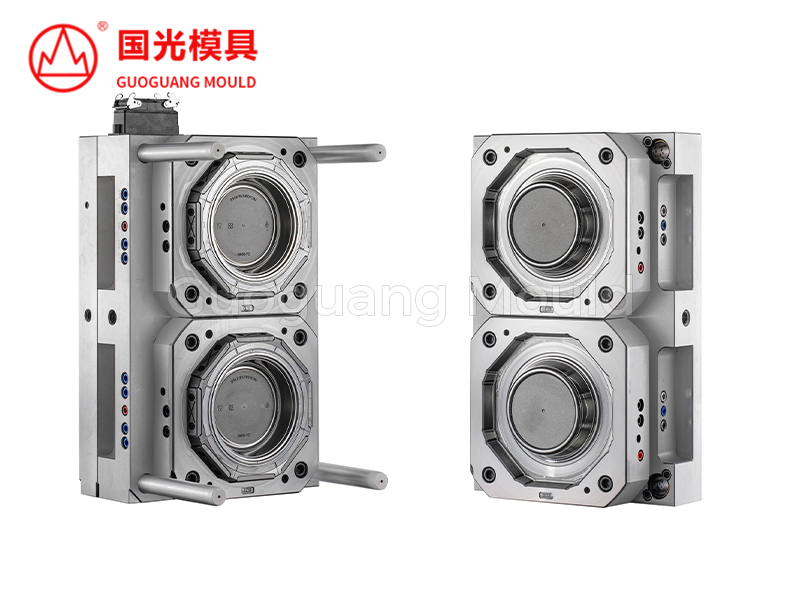
The Injection Plastic American Style Large Round Bowl Mold is an advanced tool designed specifically...
See Details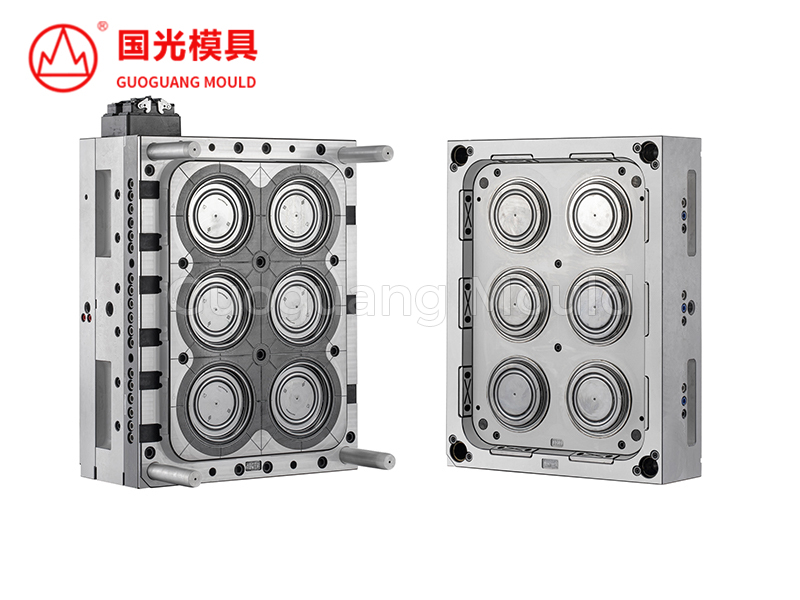
The Thin Wall American Medium Round Cap Mould is a highly efficient tool designed for the production...
See Details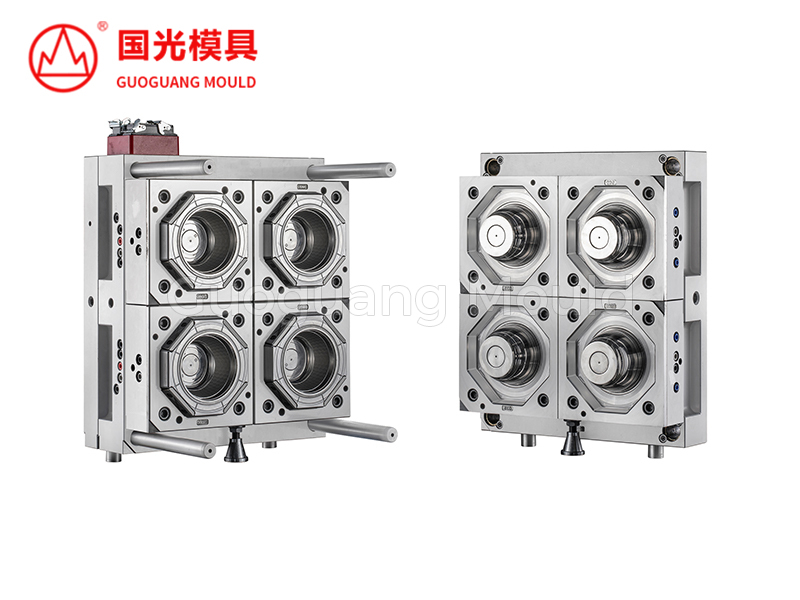
The Thin Wall Medium Size American Bowl Mould is designed for efficient production of medium-sized b...
See Details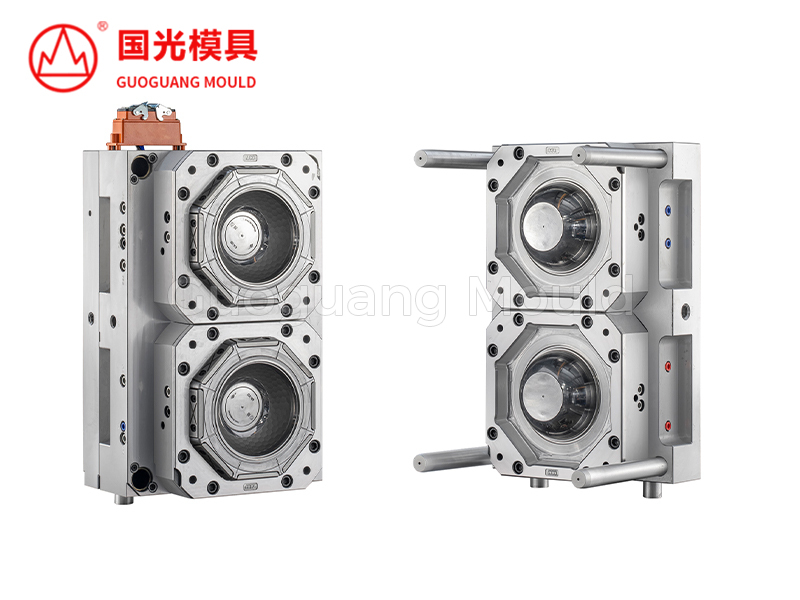
The Injection Plastic Large Round Bowl Mould is a specialized tool designed to produce large round p...
See Details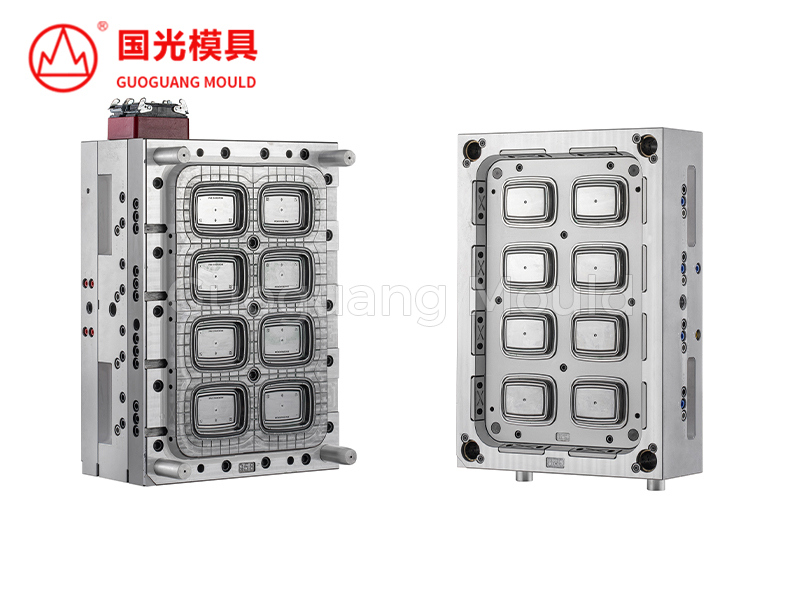
The Thin Wall American Style Small Square Cover Mold is designed for the production of small, square...
See Details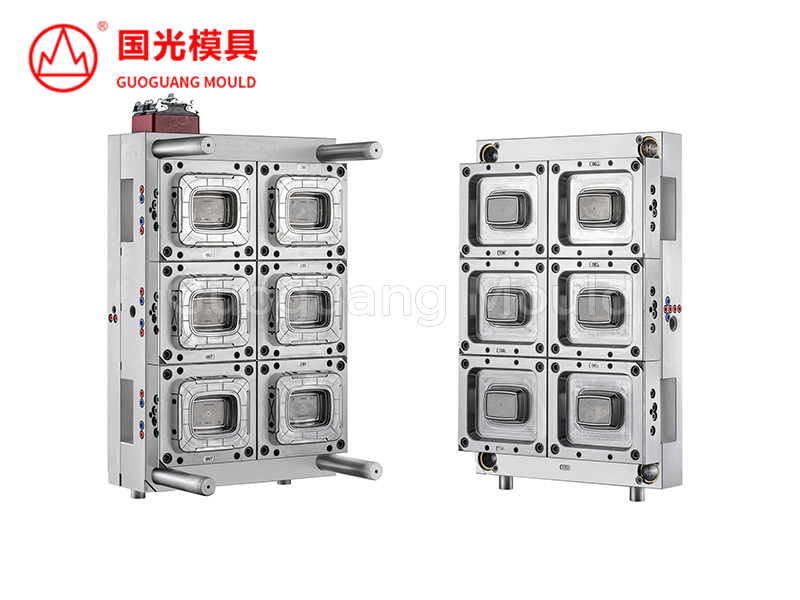
The Plastic Mould for Packaged Food Square Cover is an essential tool for creating square plastic co...
See Details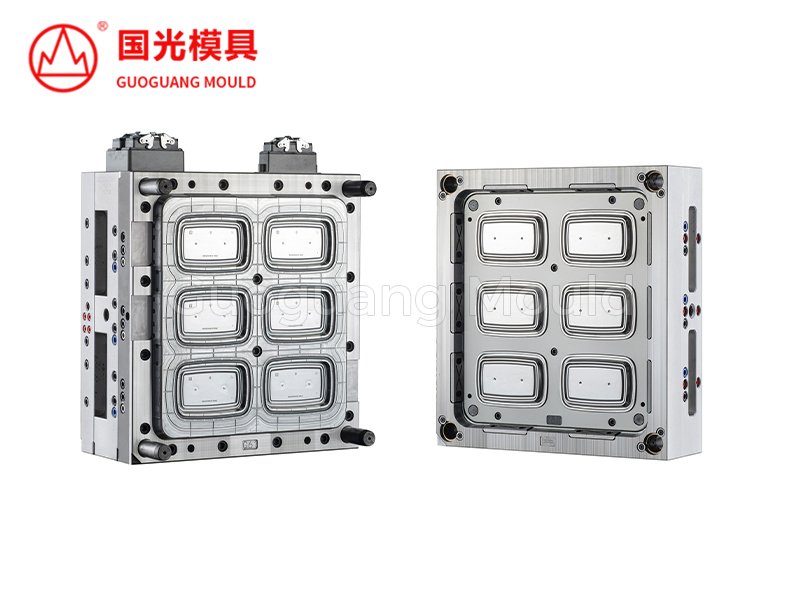
The Thin Wall Square Box Mould is designed for the production of small, square boxes, ensuring effic...
See Details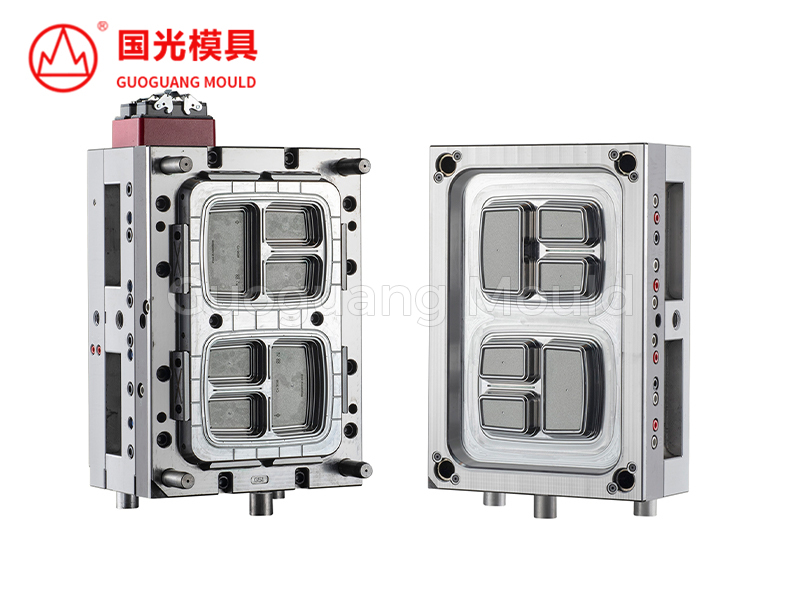
The Restaurant Packaged Three-Compartment Lunch Box Mold is designed for producing plastic lunch box...
See Details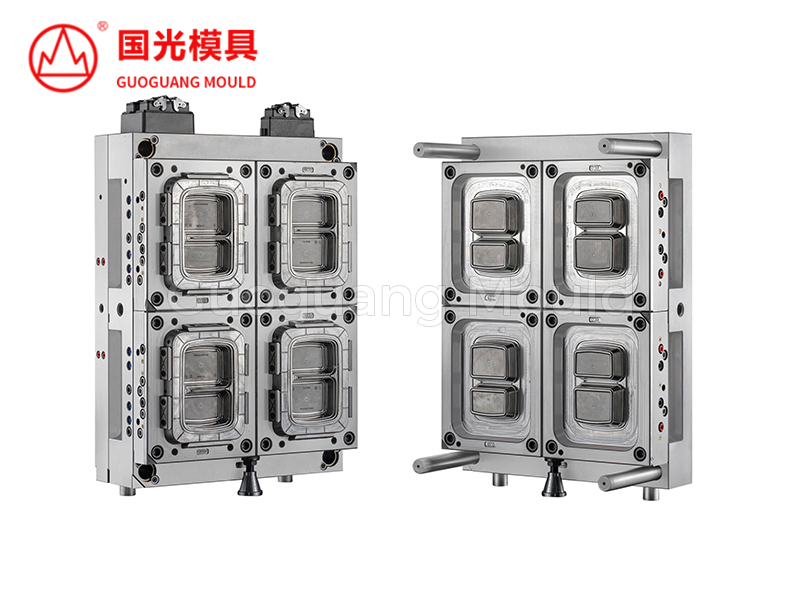
This mould is ideal for high-volume manufacturing, ensuring precise, efficient production of lunch ...
See Details
Guoguang are specialized in thin wall high-speed moulds, almost all cutlery moulds can be customized by us.
Copyright © Zhejiang Taizhou Guoguang Mould Plastic Co., Ltd. All Rights Reserved.
Thin Wall Mold Manufacturer
