 English
 中文简体
中文简体 Español
 عربى
عربى


Guoguang are specialized in thin wall high-speed moulds, almost all cutlery moulds can be customized by us.
Injection plastic round cap molds are specifically designed to manufacture round plastic caps with h...
See Details

Before a ceramic bowl reaches a restaurant table or a melamine plate lands in a hotel buffet line, it passes through a block of steel or aluminum that never touches food and never gets seen by a customer. That block is the mould, and the person who cut it — a professional tableware mould maker — is arguably doing the hardest part of the whole production chain. Get the mould wrong, and every single piece that comes out of it is wrong too.
A plate looks simple. It isn't. Rim thickness has to stay even all the way around, the base needs enough flatness to sit level on a table, and any curve in the bowl has to release cleanly from the mould without cracking or warping during cooling. A mould maker working in this category spends a lot of time on details that a diner would never consciously notice — a half-degree draft angle here, a slightly rounded internal corner there — because those small choices determine whether the finished piece stacks evenly, nests with its own size range, or chips at the rim during shipping.
A tableware mould maker working across ceramics, melamine, bone china, and plastic tableware isn't using one universal mould design — each material behaves differently under heat and pressure, and the mould has to account for it.
| Material | Mould Consideration | Typical Challenge |
| Ceramic/porcelain | Shrinkage during firing | Cavity oversized to compensate |
| Melamine | High-pressure compression | Even wall thickness for curing |
| Bone china | Fine detail retention | Delicate rim and handle areas |
| Plastic (PP/PS) | Injection flow paths | Avoiding weld lines and sink marks |
Ceramic shrinkage is probably the trickiest variable. A mould maker has to build in extra size — sometimes ten percent or more depending on the clay body — so the fired piece comes out at the intended dimensions rather than undersized.
Clients sourcing custom moulds — whether for a hotel supply line, a restaurant chain's private tableware, or a retail dinnerware brand — tend to circle back to a similar set of practical questions. How many pieces can a single mould cavity produce before wear becomes visible in the finished product? Can one mould run multiple cavities to increase output per cycle, or does the design require single-cavity precision? How long does sampling and adjustment typically take before a mould is cleared for full runs?
There's rarely a one-size-fits-all answer to any of these, since cavity count, material choice, and shape complexity all pull in different directions. A simple round plate might support a multi-cavity mould without much compromise, while an intricately handled cup often needs single-cavity tooling just to keep dimensional consistency intact.
Nobody eating dinner thinks about the mould their plate came from. That's sort of the nature of the trade — a professional tableware mould maker's work is judged entirely by its absence of problems downstream, not by any visible signature. When a stack of bowls nests evenly, when a set of mugs all hold the same volume, when a platter sits flat without rocking, that consistency traces back to decisions made in steel long before any clay or resin entered the picture.
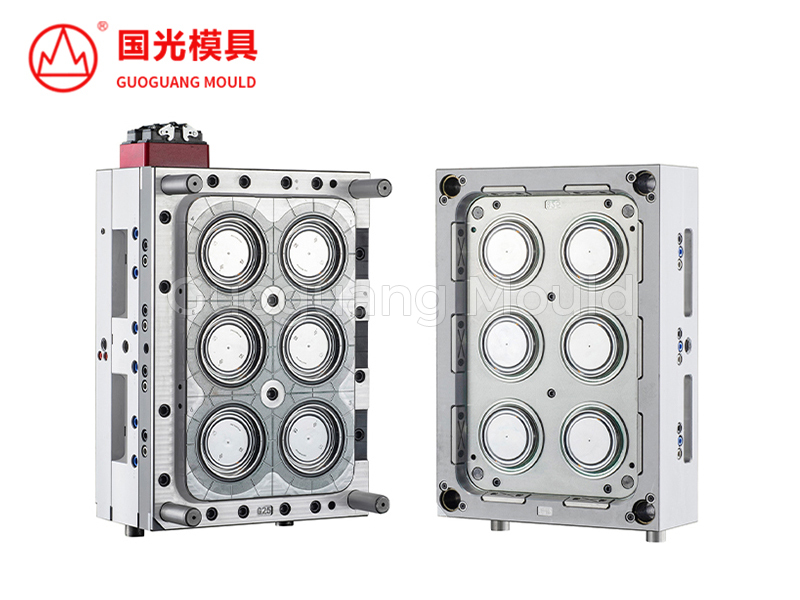
Injection plastic round cap molds are specifically designed to manufacture round plastic caps with h...
See Details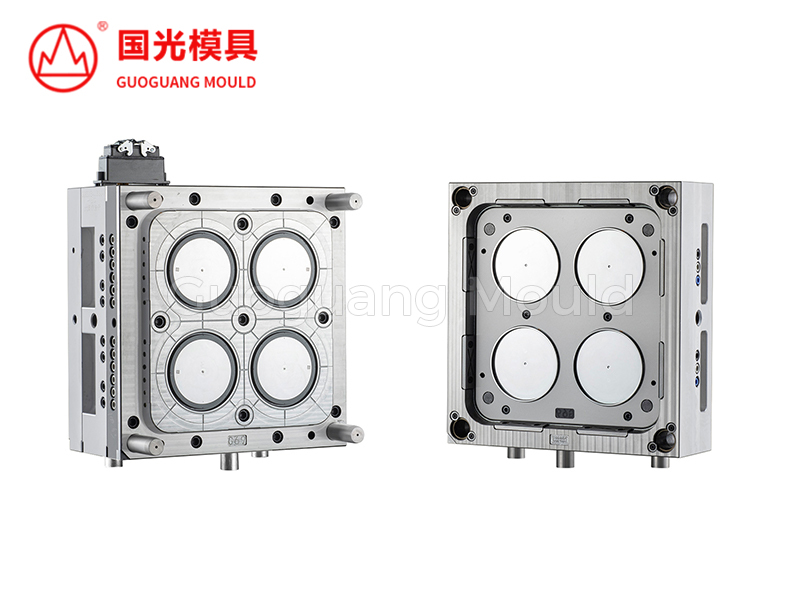
Injection plastic round bowl moulds are designed to create high-quality, durable plastic round bowls...
See Details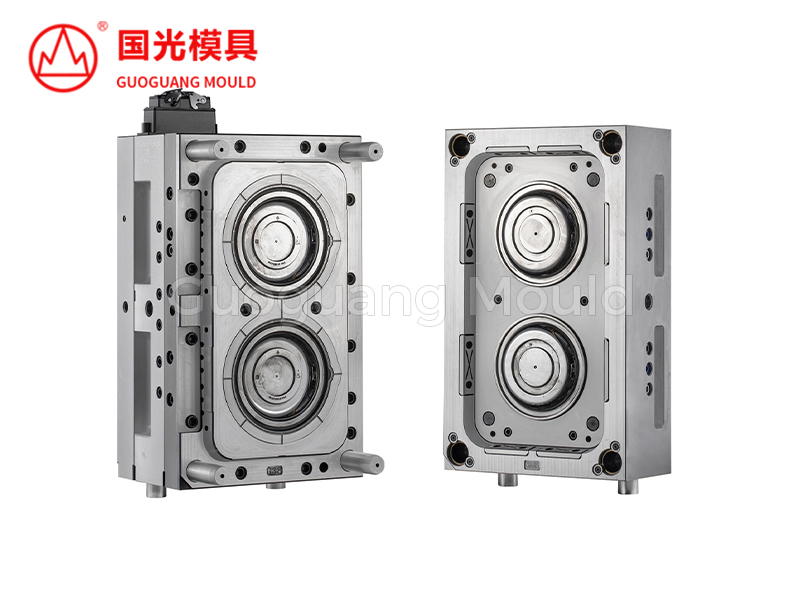
The Thin Wall American Style Large Round Cover Mould is a specialised tool designed for the producti...
See Details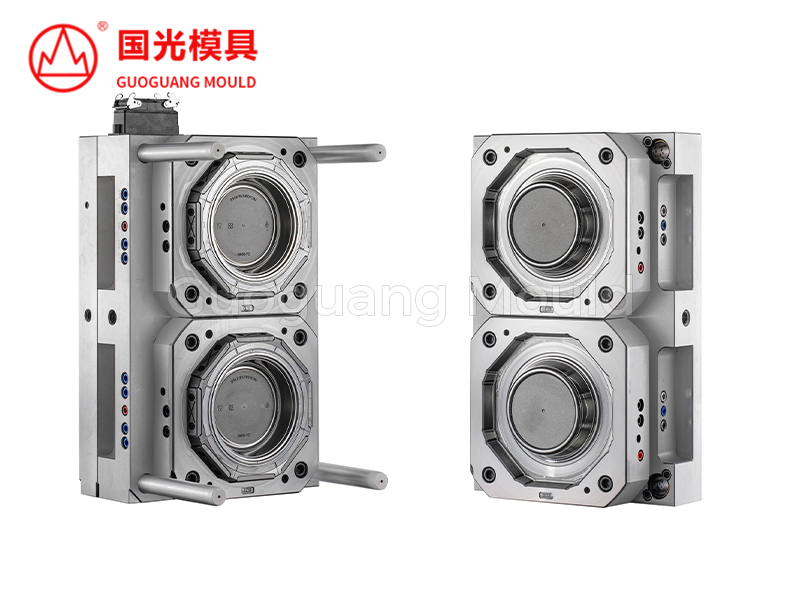
The Injection Plastic American Style Large Round Bowl Mold is an advanced tool designed specifically...
See Details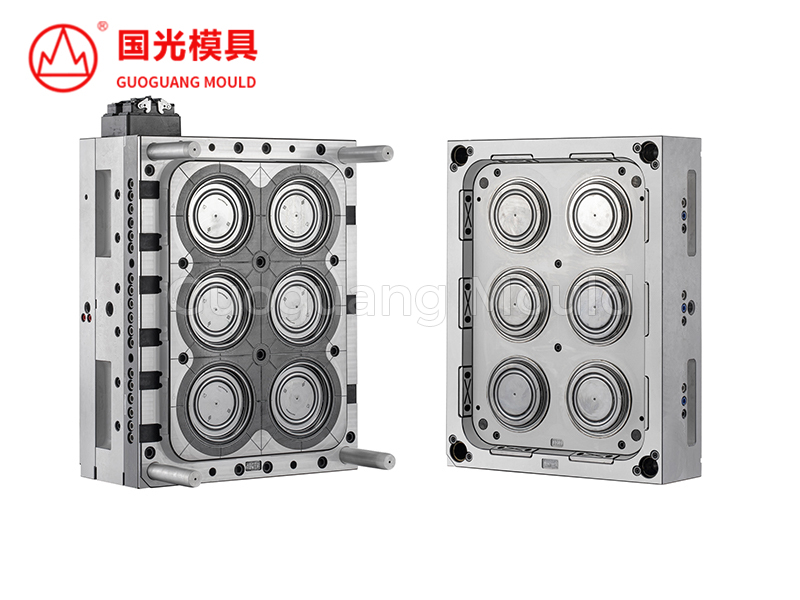
The Thin Wall American Medium Round Cap Mould is a highly efficient tool designed for the production...
See Details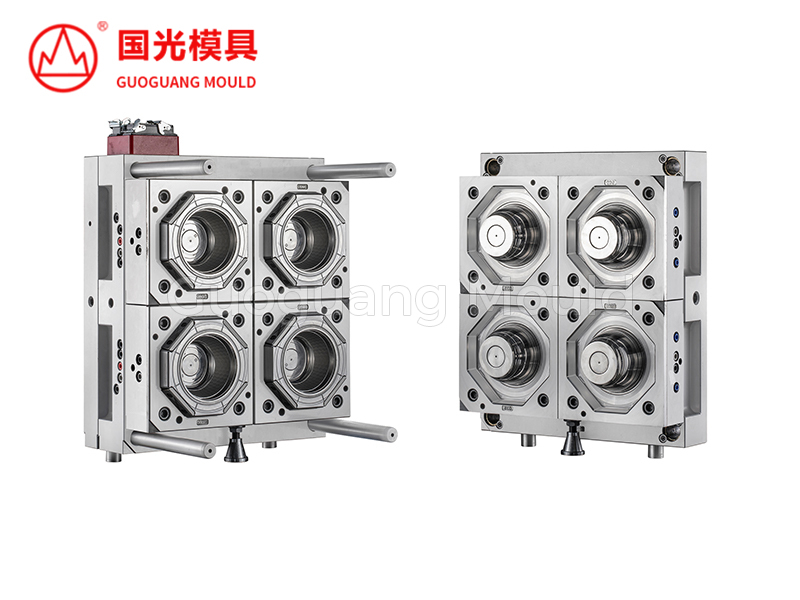
The Thin Wall Medium Size American Bowl Mould is designed for efficient production of medium-sized b...
See Details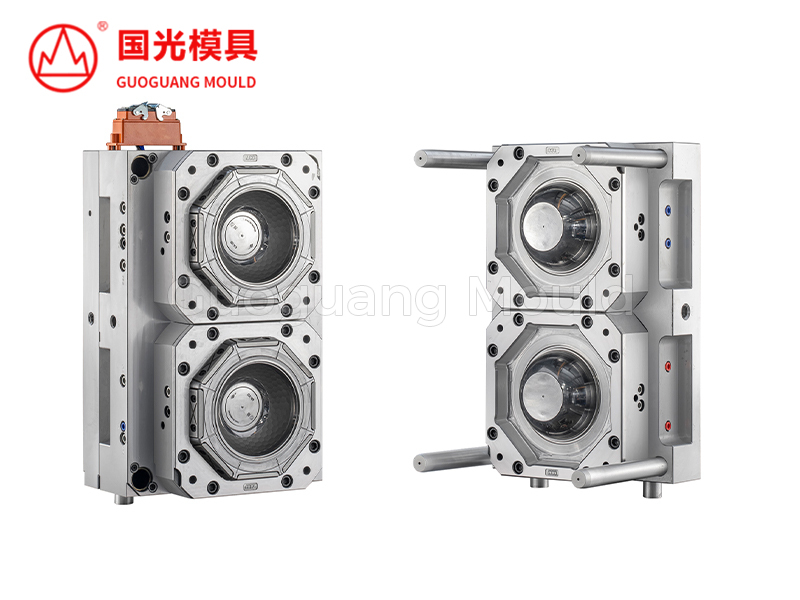
The Injection Plastic Large Round Bowl Mould is a specialized tool designed to produce large round p...
See Details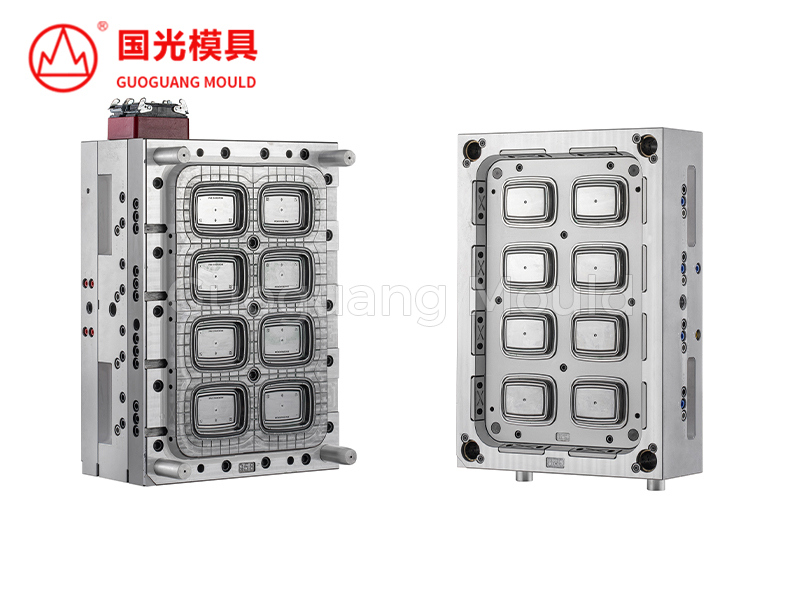
The Thin Wall American Style Small Square Cover Mold is designed for the production of small, square...
See Details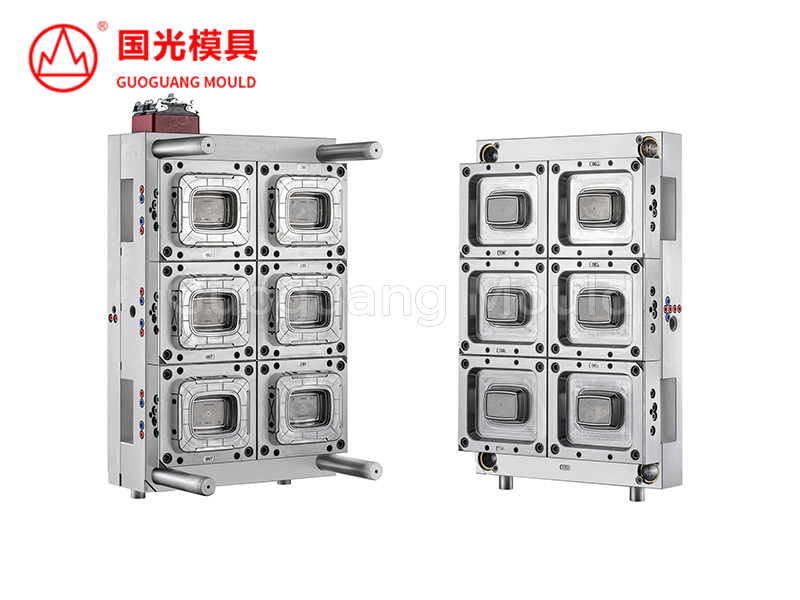
The Plastic Mould for Packaged Food Square Cover is an essential tool for creating square plastic co...
See Details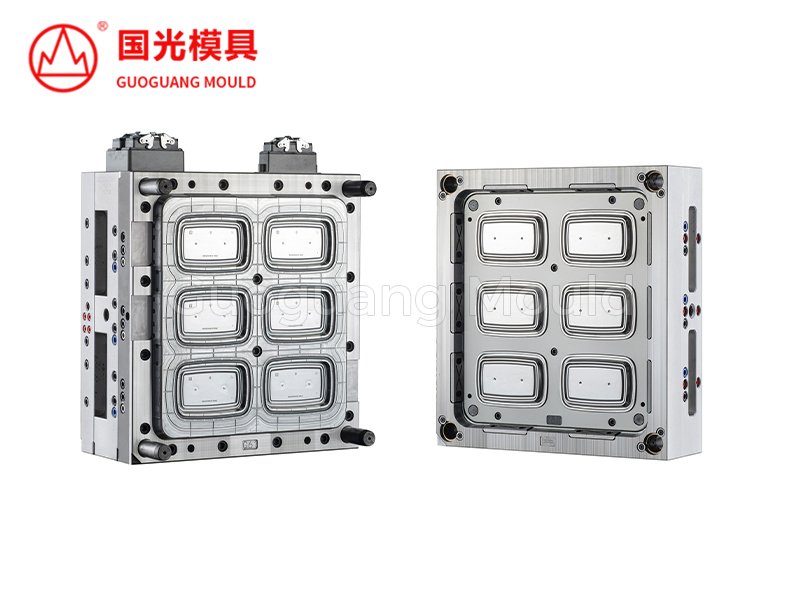
The Thin Wall Square Box Mould is designed for the production of small, square boxes, ensuring effic...
See Details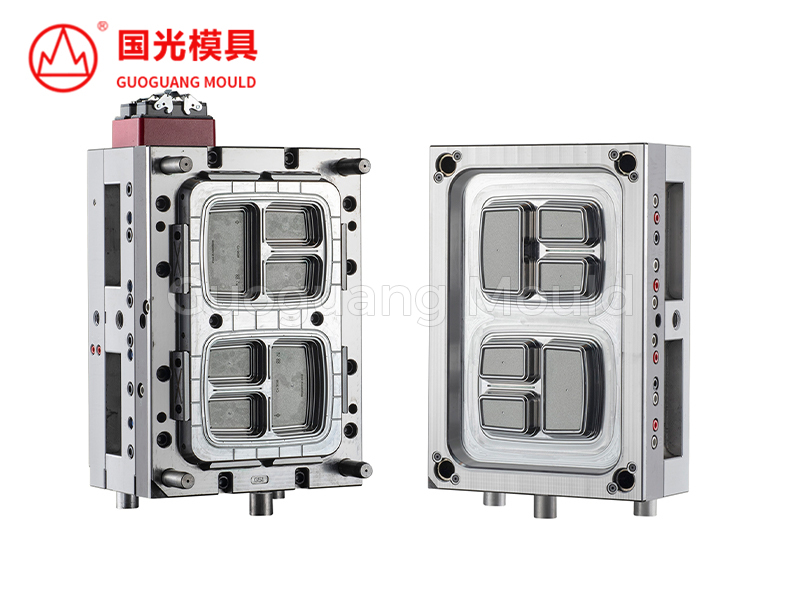
The Restaurant Packaged Three-Compartment Lunch Box Mold is designed for producing plastic lunch box...
See Details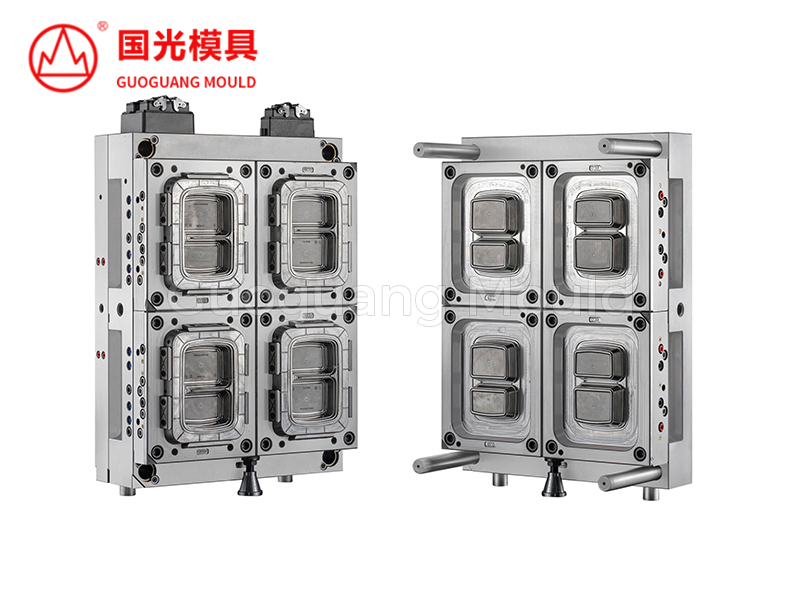
This mould is ideal for high-volume manufacturing, ensuring precise, efficient production of lunch ...
See Details
Guoguang are specialized in thin wall high-speed moulds, almost all cutlery moulds can be customized by us.
Copyright © Zhejiang Taizhou Guoguang Mould Plastic Co., Ltd. All Rights Reserved.
Thin Wall Mold Manufacturer
