 English
 中文简体
中文简体 Español
 عربى
عربى


Guoguang are specialized in thin wall high-speed moulds, almost all cutlery moulds can be customized by us.
Injection plastic round cap molds are specifically designed to manufacture round plastic caps with h...
See Details

Disposable Sauce Cup Mould Manufacture continues to receive attention as food packaging producers expand production capacity for single-use condiment containers. Sauce cups are widely used for takeaway meals, food delivery, catering services, supermarkets, and convenience stores. Their compact size and standardized dimensions require molds capable of producing large quantities of consistent plastic parts.
Growing demand for disposable food containers has encouraged mold manufacturers to refine engineering methods, machining accuracy, and production efficiency. Instead of focusing only on increasing cavity numbers, manufacturers are also improving mold balance, cooling performance, and part consistency throughout each production cycle.
Successful Disposable Sauce Cup Mould Manufacture begins with detailed mold design. Engineers carefully develop cavity layouts that support uniform material flow while maintaining consistent wall thickness across every cup.
Computer-aided design software allows designers to simulate filling conditions before machining begins. This digital approach helps determine gate positions, runner layouts, vent locations, and cooling channel arrangements that contribute to stable production.
Multi-cavity molds are widely used because they increase output during each molding cycle. Balanced runner systems distribute molten plastic evenly across all cavities, reducing dimensional variation between finished products.
Attention is also given to draft angles, part ejection, and shrinkage compensation, ensuring molded sauce cups can be removed smoothly while maintaining their intended shape.
Precision machining plays a central role in Disposable Sauce Cup Mould Manufacture. Modern mold factories combine CNC machining centers, wire cutting equipment, electrical discharge machining, and precision grinding to produce complex mold components with tight dimensional control.
Core inserts, cavity blocks, sliders, ejector systems, and guide components are manufactured according to carefully controlled machining programs. Each component is measured during production to verify dimensional accuracy before assembly begins.
Polishing also receives considerable attention. Smooth cavity surfaces contribute to improved product appearance and allow molded parts to release more efficiently during production.
Digital manufacturing systems coordinate machining schedules and production data, helping manufacturers improve consistency while reducing processing variation across multiple mold projects.
Cooling efficiency is one of the defining factors in Disposable Sauce Cup Mould Manufacture. Well-designed cooling channels allow heat to dissipate evenly throughout the mold, supporting consistent plastic solidification and stable production cycles.
Engineers arrange cooling circuits close to cavity surfaces while maintaining sufficient mold strength. Uniform temperature distribution helps reduce dimensional differences between molded cups and improves production consistency across every cavity.
Several engineering features commonly appear in modern sauce cup molds:
Together, these design elements support continuous manufacturing while maintaining consistent product dimensions during high-volume production.
Material selection is another important aspect of Disposable Sauce Cup Mould Manufacture. Mold manufacturers commonly select high-quality tool steels that provide suitable hardness, machining performance, and structural stability for repeated injection molding cycles.
Heat treatment processes improve wear resistance and dimensional stability before precision finishing operations are completed. Surface treatments may also be applied to selected mold components to improve cavity smoothness and reduce friction during part release.
Interchangeable inserts have become increasingly common in mold construction. This modular approach allows manufacturers to replace individual wear components without rebuilding the complete mold, while also supporting flexible production for different sauce cup sizes and designs.
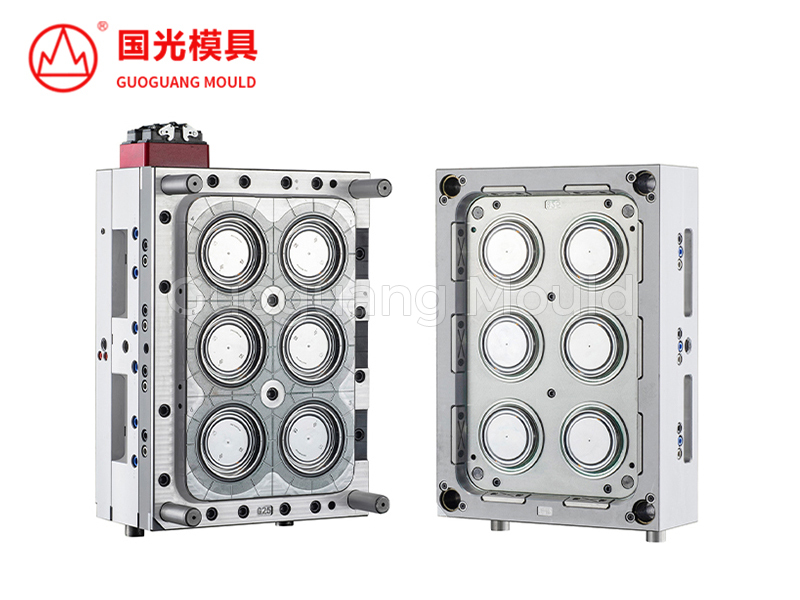
Injection plastic round cap molds are specifically designed to manufacture round plastic caps with h...
See Details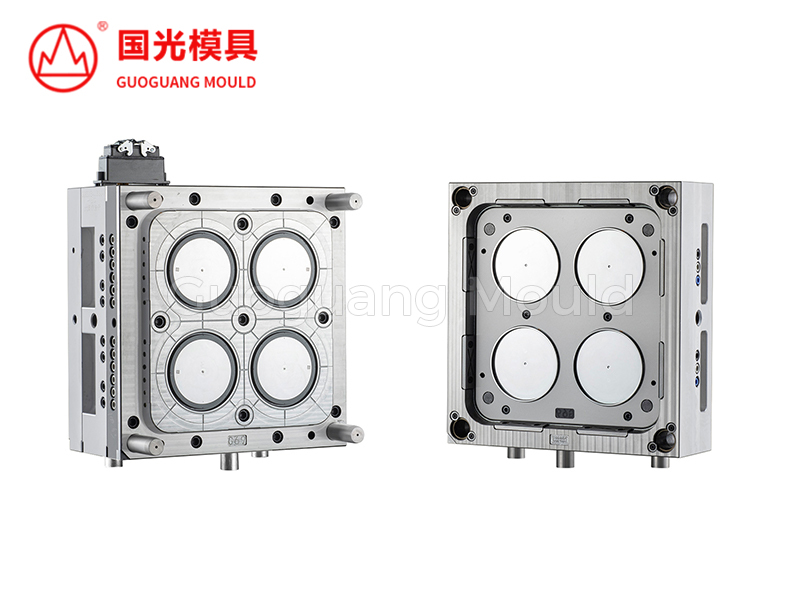
Injection plastic round bowl moulds are designed to create high-quality, durable plastic round bowls...
See Details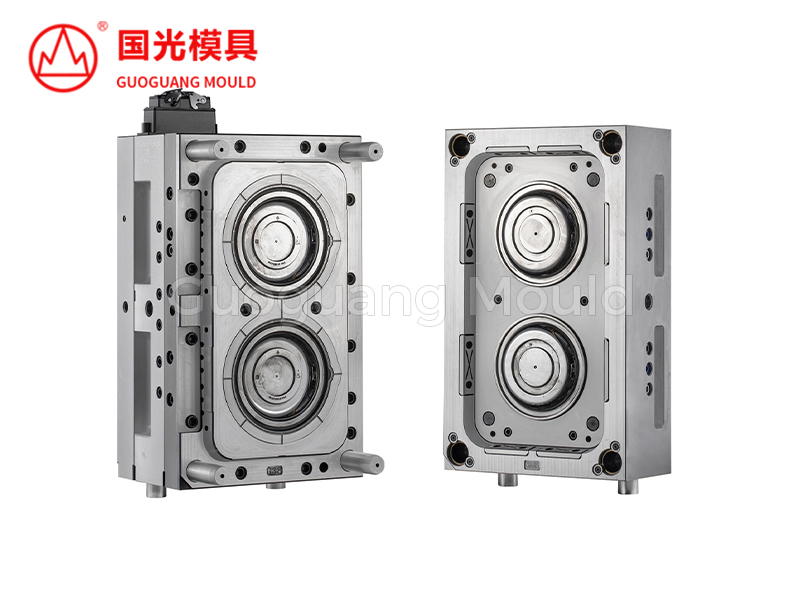
The Thin Wall American Style Large Round Cover Mould is a specialised tool designed for the producti...
See Details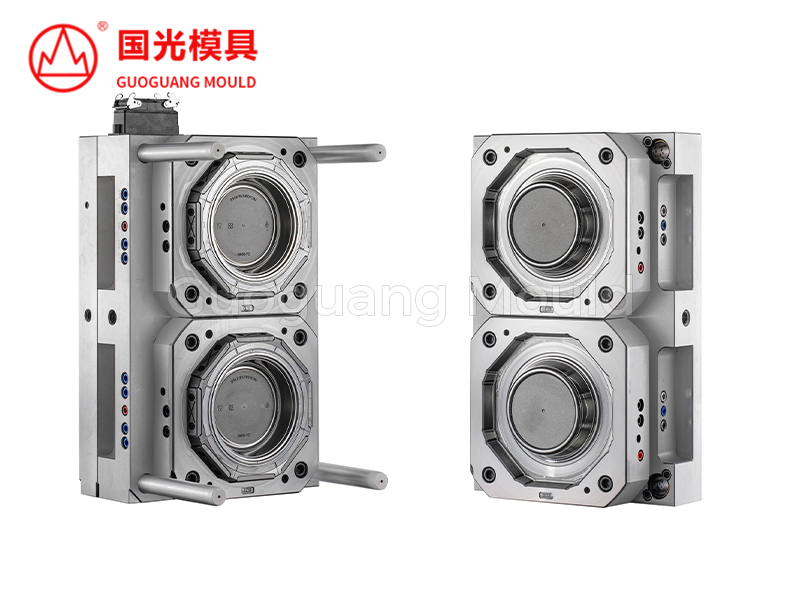
The Injection Plastic American Style Large Round Bowl Mold is an advanced tool designed specifically...
See Details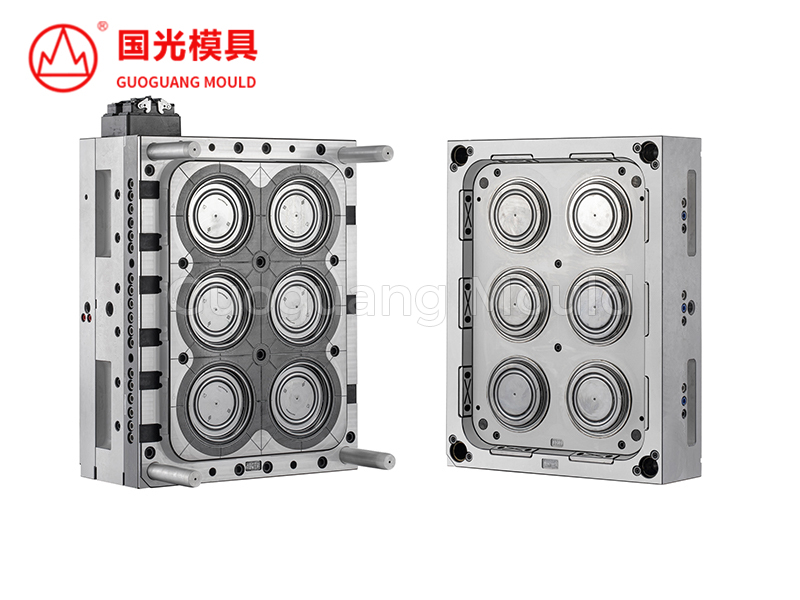
The Thin Wall American Medium Round Cap Mould is a highly efficient tool designed for the production...
See Details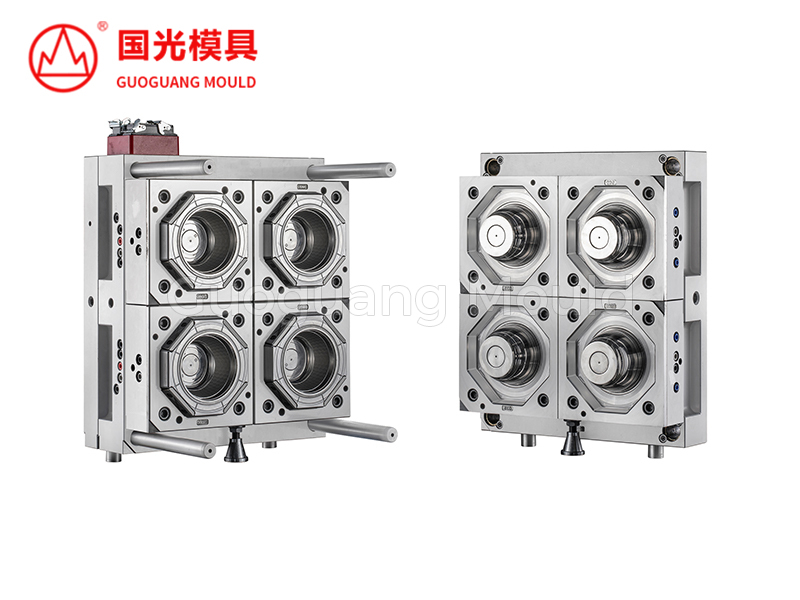
The Thin Wall Medium Size American Bowl Mould is designed for efficient production of medium-sized b...
See Details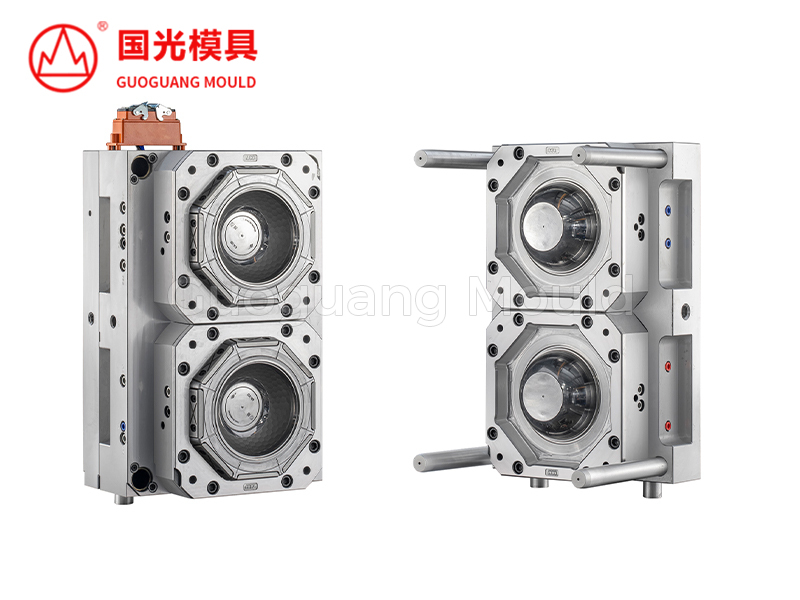
The Injection Plastic Large Round Bowl Mould is a specialized tool designed to produce large round p...
See Details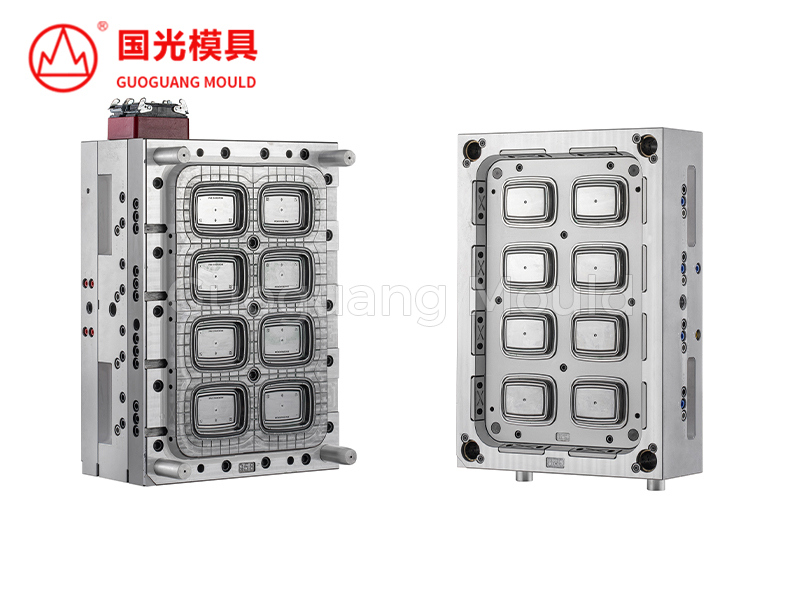
The Thin Wall American Style Small Square Cover Mold is designed for the production of small, square...
See Details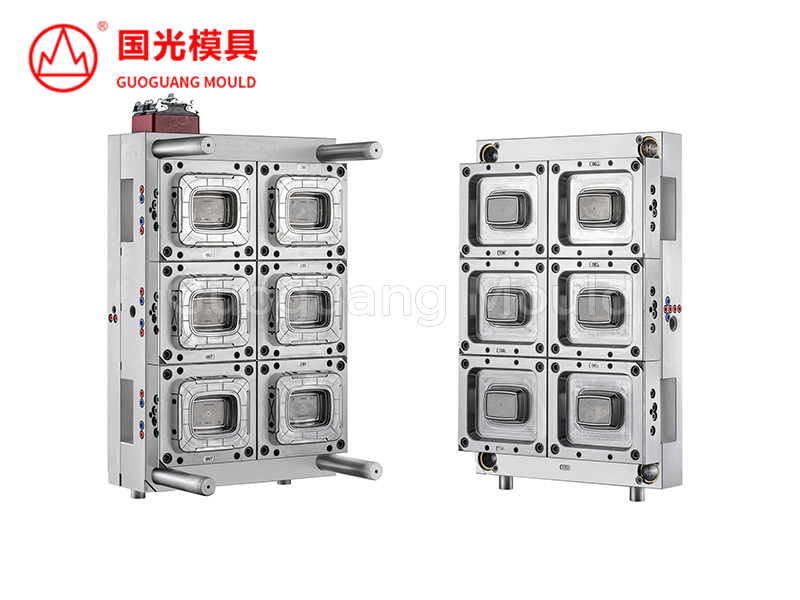
The Plastic Mould for Packaged Food Square Cover is an essential tool for creating square plastic co...
See Details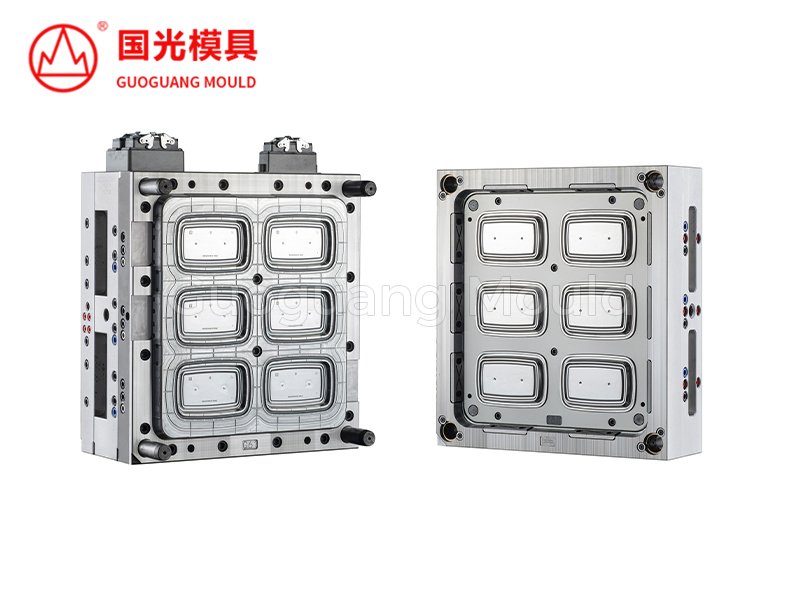
The Thin Wall Square Box Mould is designed for the production of small, square boxes, ensuring effic...
See Details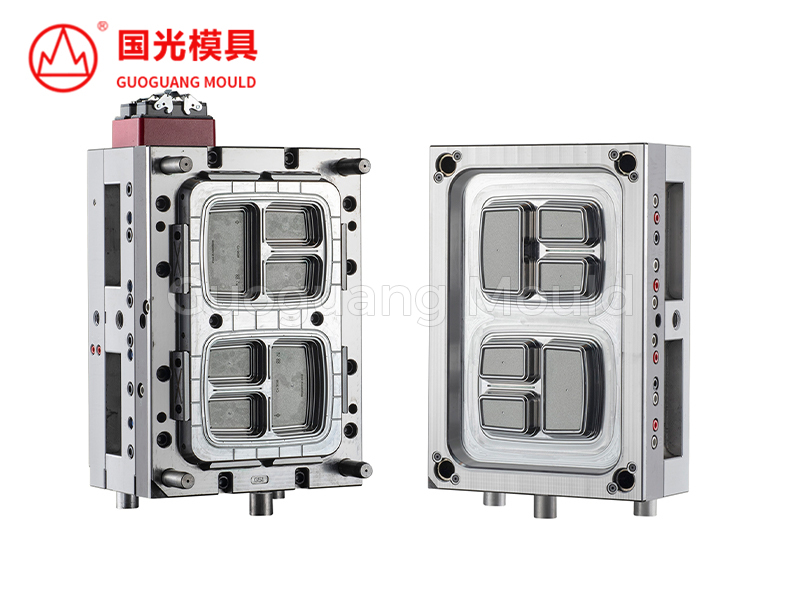
The Restaurant Packaged Three-Compartment Lunch Box Mold is designed for producing plastic lunch box...
See Details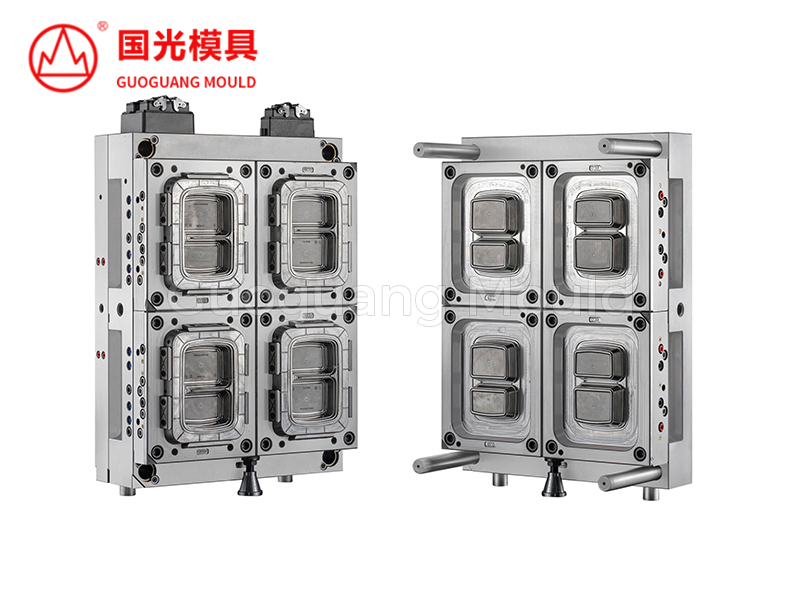
This mould is ideal for high-volume manufacturing, ensuring precise, efficient production of lunch ...
See Details
Guoguang are specialized in thin wall high-speed moulds, almost all cutlery moulds can be customized by us.
Copyright © Zhejiang Taizhou Guoguang Mould Plastic Co., Ltd. All Rights Reserved.
Thin Wall Mold Manufacturer
