 English
 中文简体
中文简体 Español
 عربى
عربى


Guoguang are specialized in thin wall high-speed moulds, almost all cutlery moulds can be customized by us.
Injection plastic round cap molds are specifically designed to manufacture round plastic caps with h...
See Details

Food businesses rely on packaging that handles daily takeout and delivery volumes without slowing operations. Disposable Food Boxes come in various shapes and materials to support restaurants, caterers, and processors moving prepared meals efficiently. These containers protect food during transport while keeping portions organized.
Disposable Food Boxes are single-use containers designed for packing and transporting ready-to-eat meals. They range from simple folded paper styles to molded plastic or fiber versions with secure lids. Common materials include paperboard with coatings, polypropylene plastic, and bagasse from sugarcane fiber.
Suppliers offer them in standard sizes that fit into delivery bags or stack neatly in storage areas. B2B buyers source them in bulk cases for consistent supply across multiple locations. The boxes help maintain food temperature and prevent leaks during short trips from kitchen to customer.
Different operations need different box characteristics. Here is an overview of common types:
Buyers compare these based on heat tolerance, stack height, and nesting ability for storage efficiency. Many lines include compartment designs that keep sides and mains separate during delivery.
Procurement specialists look at exact measurements to match production and delivery requirements. The table below shows typical ranges found in wholesale supply:
| Size Category | Capacity Example | Common Dimensions (inches) | Typical Use Case |
| Small | 16-24 oz | 5 x 5 x 2.5 | Side dishes, snacks |
| Medium | 32-48 oz | 7.5 x 6 x 3 | Single entrees |
| Large | 64+ oz | 9 x 7.5 x 3.5 | Family meals, bulk portions |
Lid options include vented styles for steam release and tight-fitting versions for soups or saucy items. Wall thickness and material weight affect durability during stacking in transport crates. These details help operations reduce damage claims and improve packing speed.
Restaurants use Disposable Food Boxes for takeout windows and third-party delivery platforms. Quick service locations pack burgers and fries into hinged or clamshell styles that close quickly. Casual dining spots rely on larger two-compartment boxes for complete meals with protein and sides.
Catering companies order mixed pallets for events where portion control matters. Food processors fill them on automated lines before distribution to retail or institutional clients. The containers support both hot and cold items, making them versatile across breakfast, lunch, and dinner services.
B2B teams evaluate Disposable Food Boxes on case quantity minimums, delivery schedules, and customization potential like printing for branding. Suppliers often provide samples for testing with specific menu items and equipment. Consistent dimensions across orders support inventory management and staff training.
Many buyers maintain relationships with vendors who can adjust production runs for seasonal volume changes. The focus stays on reliable performance in high-turnover environments. Features like oil resistance and microwave compatibility in select lines help kitchens maintain food quality from prep to service.
Disposable Food Boxes continue to play a steady role in foodservice supply chains. Their variety supports different business models while addressing daily packing and delivery demands. Procurement departments find value in options that align with operational flow and cost management goals.
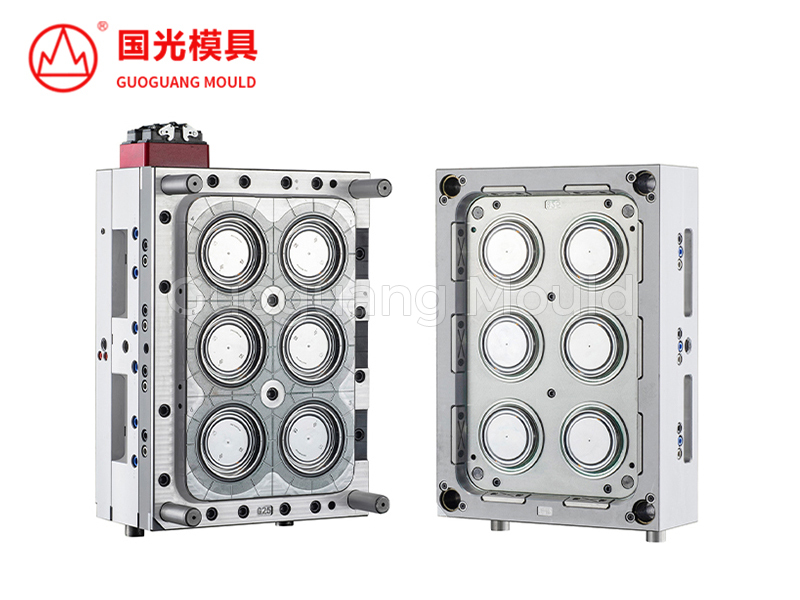
Injection plastic round cap molds are specifically designed to manufacture round plastic caps with h...
See Details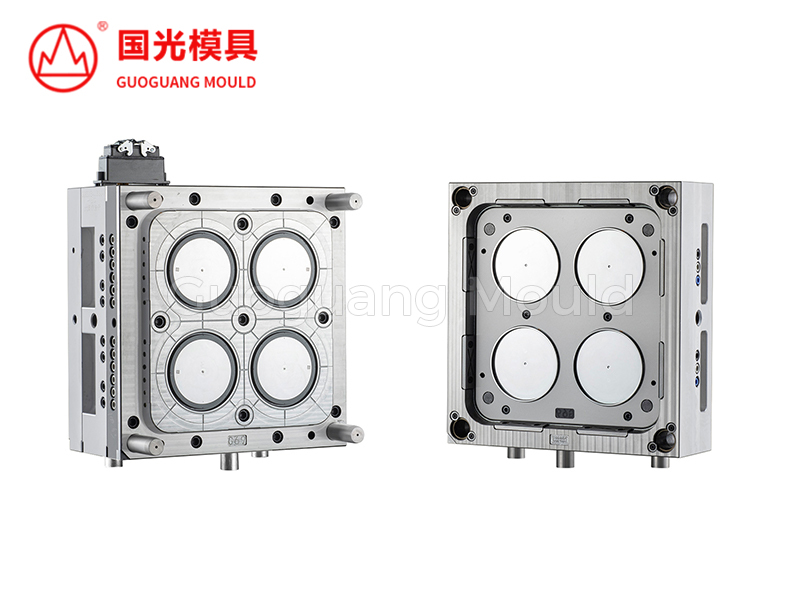
Injection plastic round bowl moulds are designed to create high-quality, durable plastic round bowls...
See Details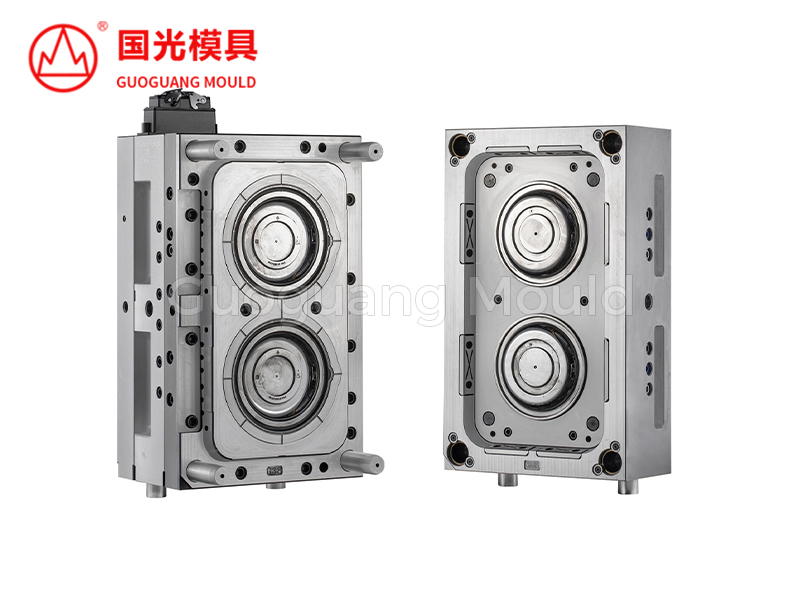
The Thin Wall American Style Large Round Cover Mould is a specialised tool designed for the producti...
See Details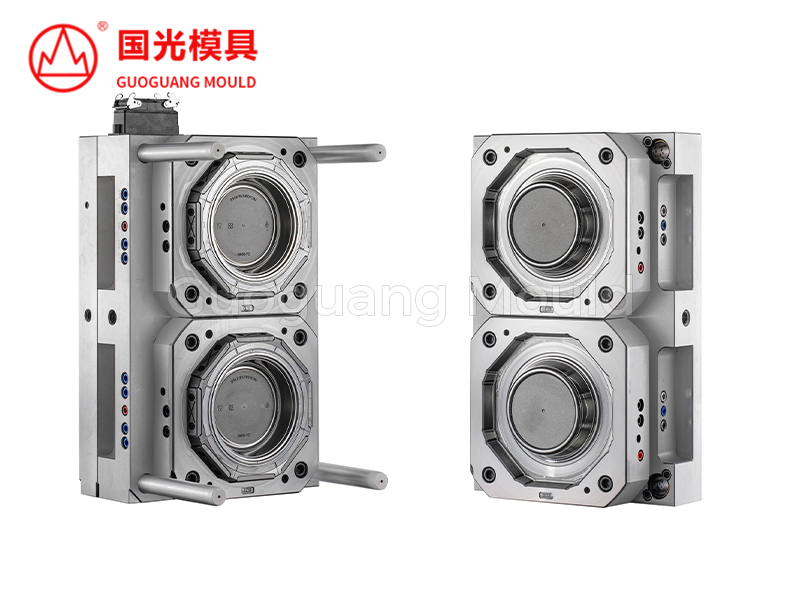
The Injection Plastic American Style Large Round Bowl Mold is an advanced tool designed specifically...
See Details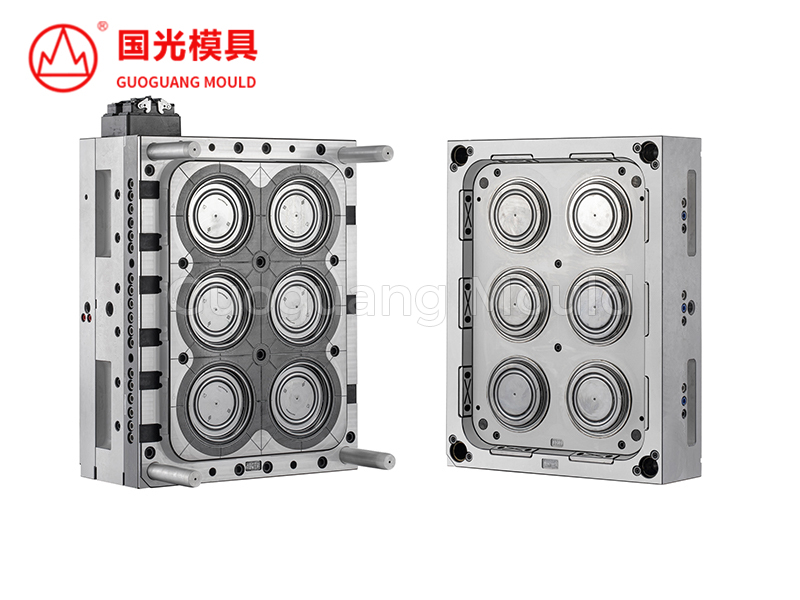
The Thin Wall American Medium Round Cap Mould is a highly efficient tool designed for the production...
See Details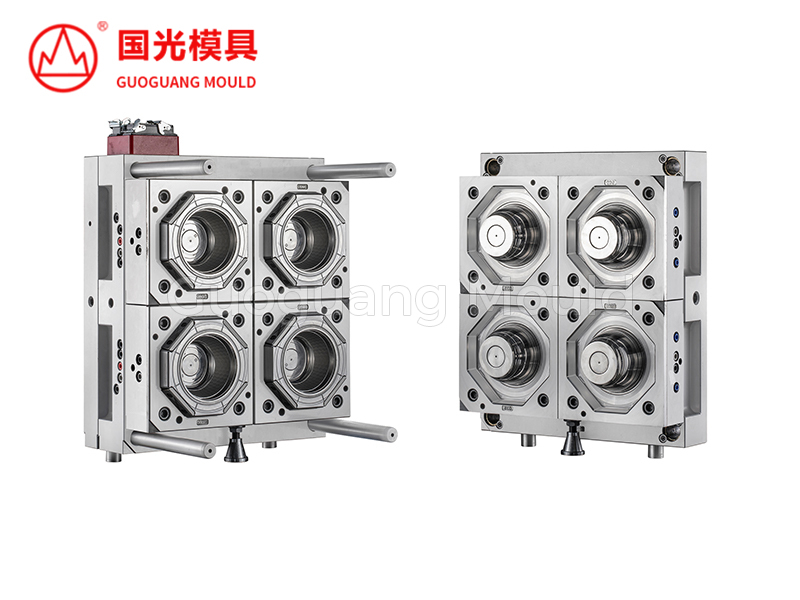
The Thin Wall Medium Size American Bowl Mould is designed for efficient production of medium-sized b...
See Details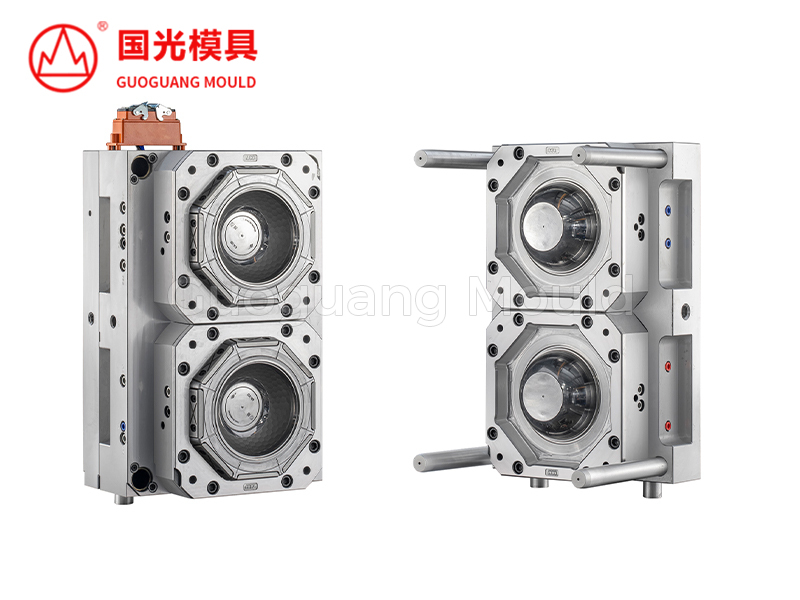
The Injection Plastic Large Round Bowl Mould is a specialized tool designed to produce large round p...
See Details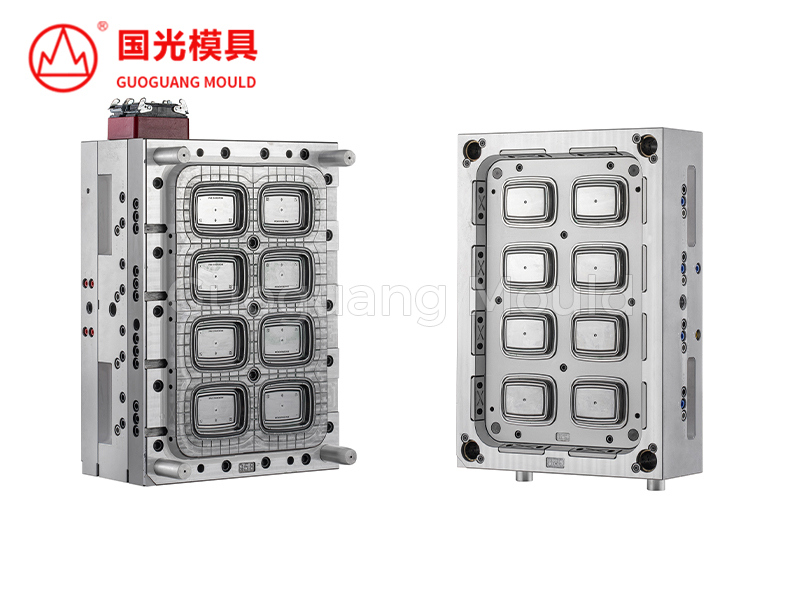
The Thin Wall American Style Small Square Cover Mold is designed for the production of small, square...
See Details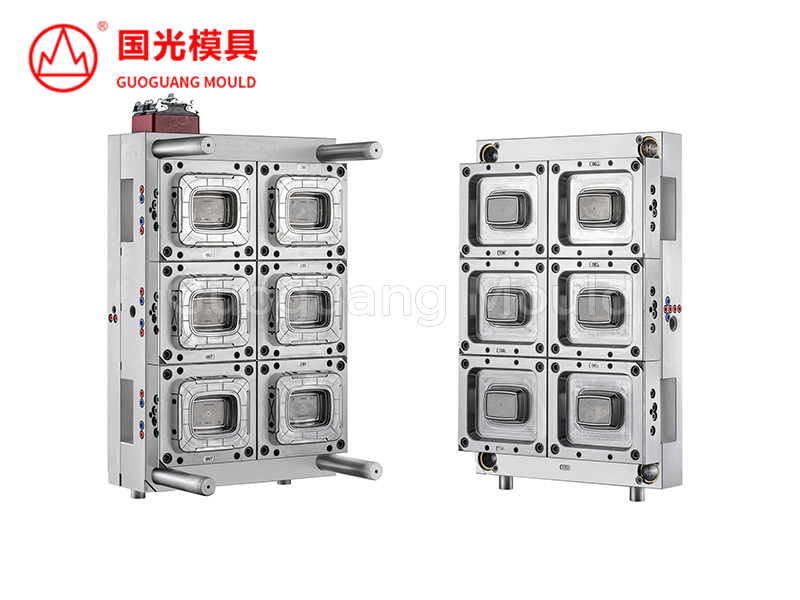
The Plastic Mould for Packaged Food Square Cover is an essential tool for creating square plastic co...
See Details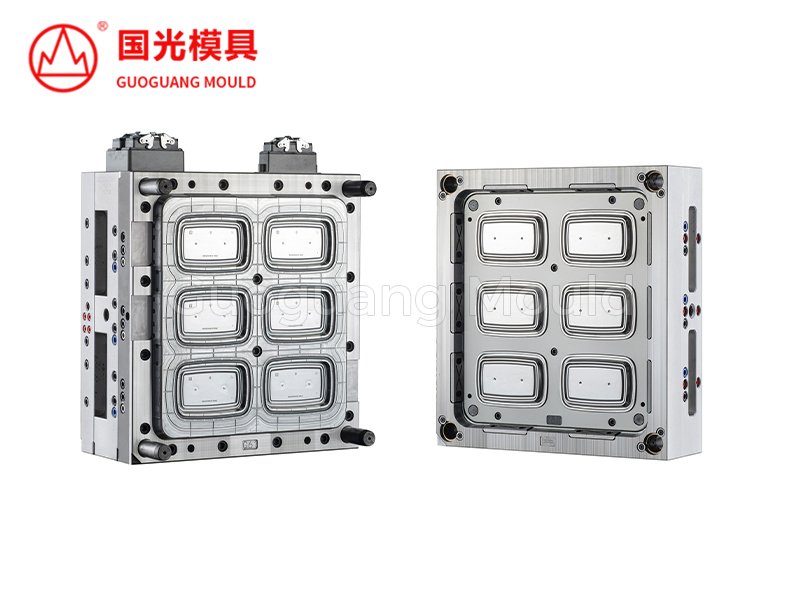
The Thin Wall Square Box Mould is designed for the production of small, square boxes, ensuring effic...
See Details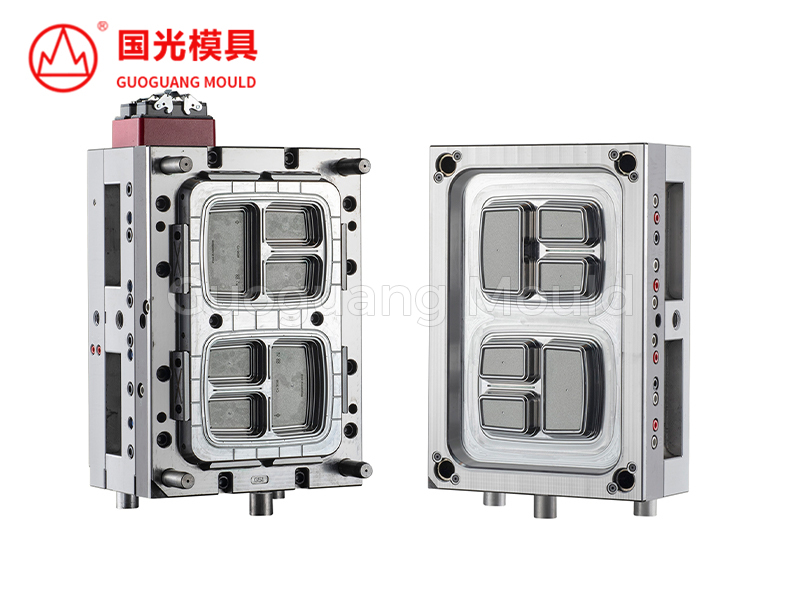
The Restaurant Packaged Three-Compartment Lunch Box Mold is designed for producing plastic lunch box...
See Details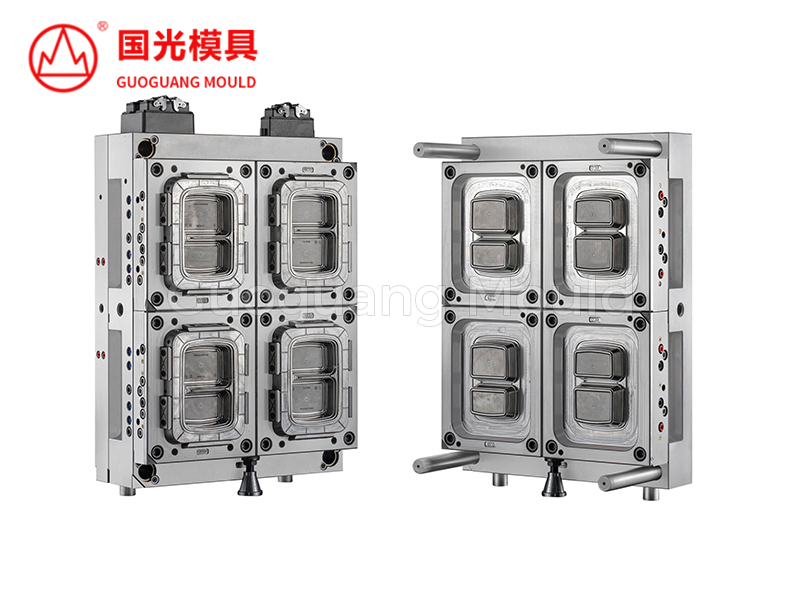
This mould is ideal for high-volume manufacturing, ensuring precise, efficient production of lunch ...
See Details
Guoguang are specialized in thin wall high-speed moulds, almost all cutlery moulds can be customized by us.
Copyright © Zhejiang Taizhou Guoguang Mould Plastic Co., Ltd. All Rights Reserved.
Thin Wall Mold Manufacturer
