 English
 中文简体
中文简体 Español
 عربى
عربى


Guoguang are specialized in thin wall high-speed moulds, almost all cutlery moulds can be customized by us.
Injection plastic round cap molds are specifically designed to manufacture round plastic caps with h...
See Details

Plastic injection thin wall food container molds enable the mass production of lightweight containers used for packaging meals, snacks, and other food items. These precision tools shape molten plastic into thin yet sturdy forms that meet the needs of the food industry. Their design supports high-speed manufacturing cycles in facilities around the world.
A plastic injection thin wall food container mold features multiple cavities that produce several containers in each cycle. The core and cavity plates create the detailed shape, including walls, bottoms, and rims with consistent thickness. Cooling channels run through the mold to control temperature during each injection shot.
Engineers pay close attention to draft angles and surface finishes to ensure smooth ejection of parts. The mold base provides structural support while allowing for precise alignment of moving components. These elements work together to achieve repeatable results across thousands of production cycles.
Manufacturers build plastic injection thin wall food container molds from high-grade tool steels that withstand repeated pressure and heat. The steel receives heat treatment to increase hardness and resist wear from the abrasive plastic flow. Surface coatings sometimes add extra protection in high-contact areas.
This choice of materials supports long service life under continuous operation. The mold components maintain dimensional accuracy even after extended use in busy production environments. Proper material selection helps the mold deliver uniform container quality throughout its operational period.
In the factory, a plastic injection thin wall food container mold mounts onto injection molding machines that deliver precise shots of material. The process involves rapid filling, packing, and cooling phases to form the thin walls without defects. Ejection systems remove the finished containers automatically for collection.
Automation systems often pair with the mold to handle part removal and stacking. The cycle time remains short to support high output volumes required by food packaging suppliers. This integration allows facilities to produce large quantities of containers efficiently during each shift.
The plastic injection thin wall food container mold incorporates special gating systems that distribute material evenly across the thin sections. Venting channels allow air to escape during filling to prevent burn marks or incomplete parts. The mold design accounts for material shrinkage to maintain accurate final dimensions.
These technical details help produce containers with uniform wall thickness and strong rim structures. The mold supports the creation of containers in various sizes and shapes for different food applications. Attention to these features results in reliable performance during high-speed production runs.
Food producers use containers from plastic injection thin wall food container molds for takeout meals, deli items, and fresh produce packaging. The molds create containers suitable for both cold and microwave-safe uses in the supply chain. Manufacturers adjust mold configurations to produce lids that fit securely with the bases.
This versatility supports the needs of restaurants, supermarkets, and food processing companies. The resulting containers stack efficiently for storage and transport while providing protection for their contents. The mold enables production of packaging solutions that fit into modern food distribution networks.
Plastic injection thin wall food container molds play an important role in the supply of packaging for the food sector. Their precision engineering and robust construction support the creation of containers used daily across many industries. The combination of design details and manufacturing integration helps meet the ongoing demand for reliable food packaging solutions.
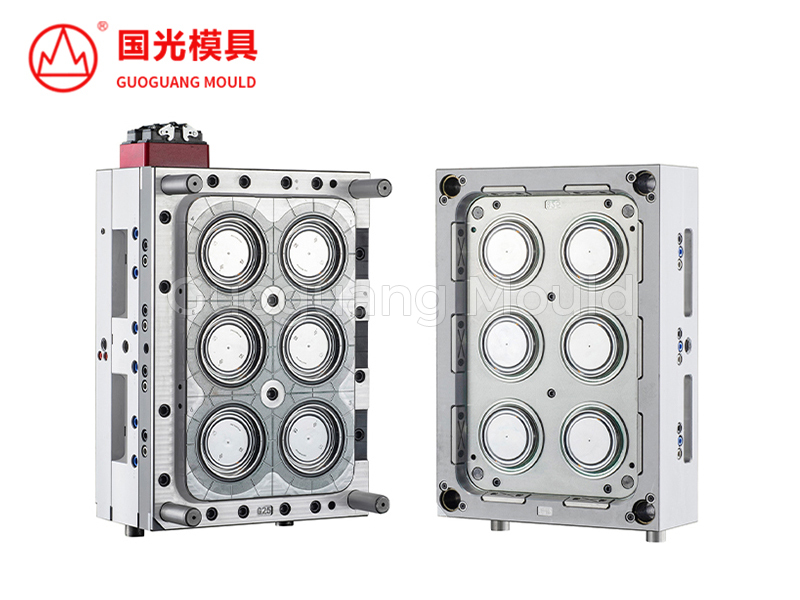
Injection plastic round cap molds are specifically designed to manufacture round plastic caps with h...
See Details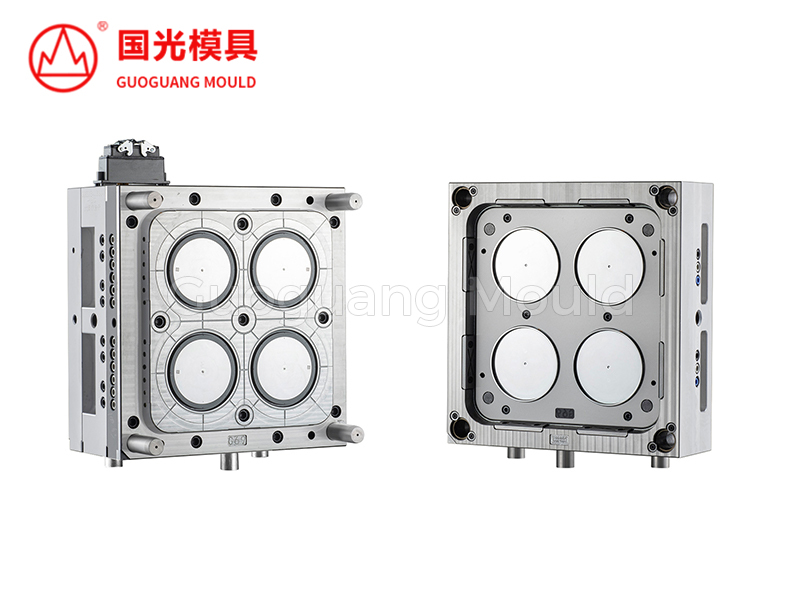
Injection plastic round bowl moulds are designed to create high-quality, durable plastic round bowls...
See Details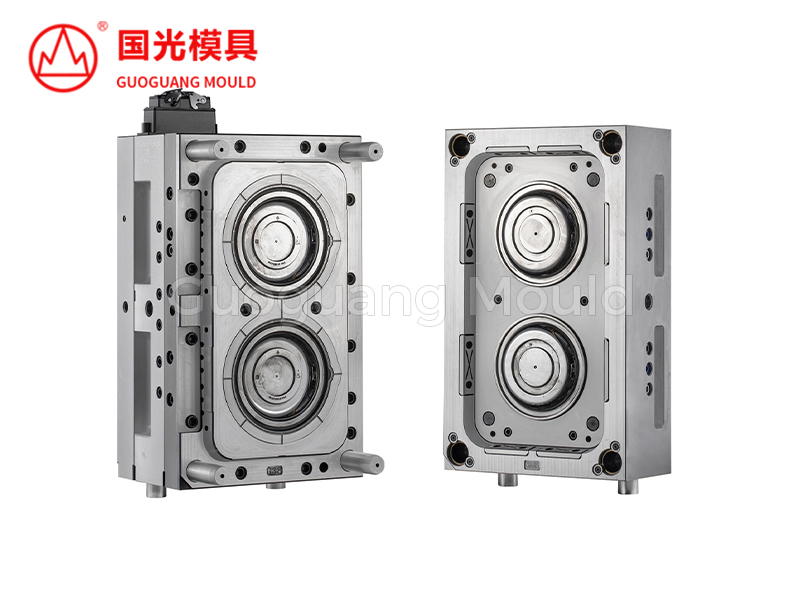
The Thin Wall American Style Large Round Cover Mould is a specialised tool designed for the producti...
See Details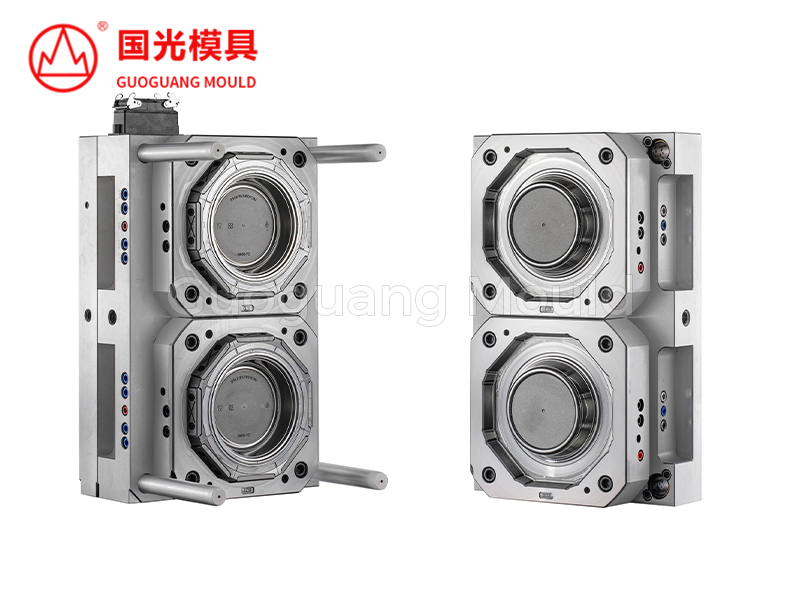
The Injection Plastic American Style Large Round Bowl Mold is an advanced tool designed specifically...
See Details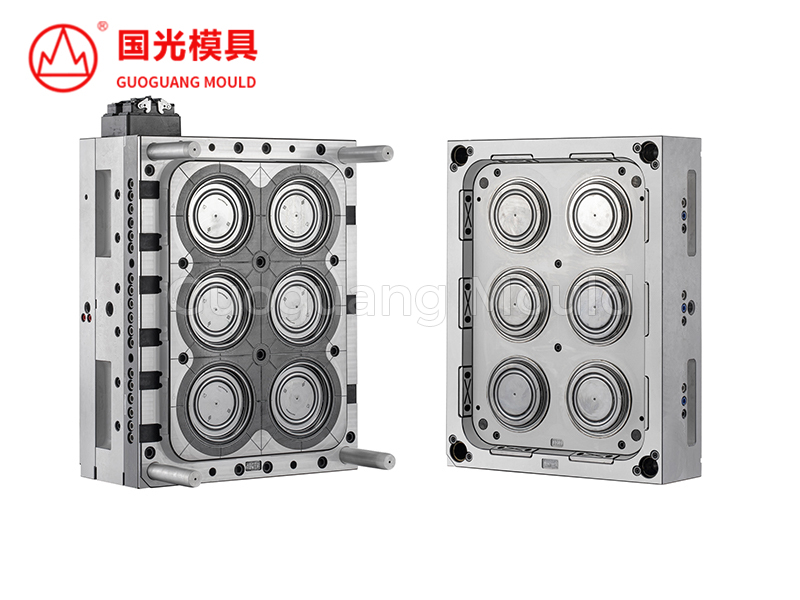
The Thin Wall American Medium Round Cap Mould is a highly efficient tool designed for the production...
See Details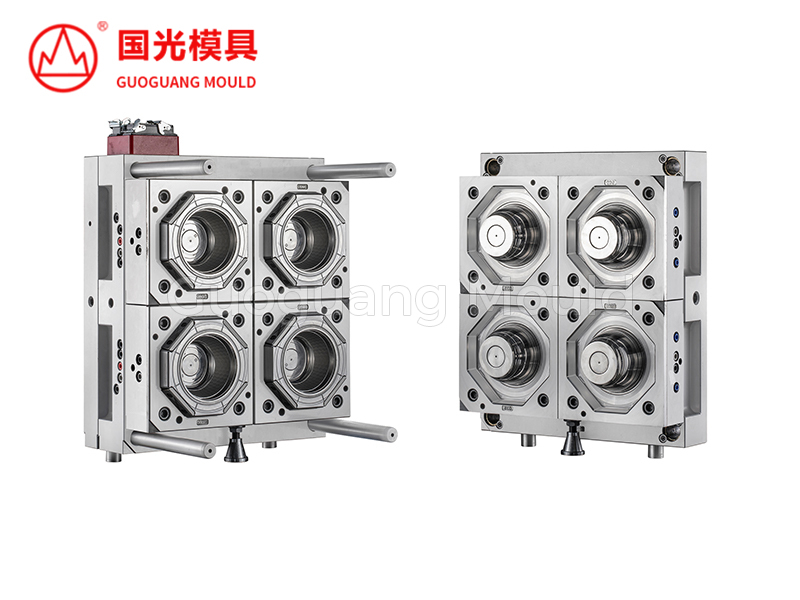
The Thin Wall Medium Size American Bowl Mould is designed for efficient production of medium-sized b...
See Details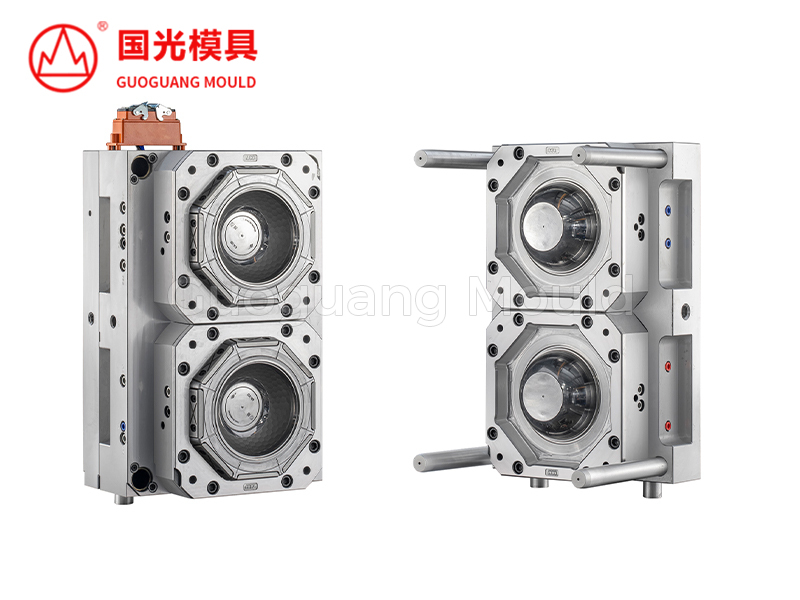
The Injection Plastic Large Round Bowl Mould is a specialized tool designed to produce large round p...
See Details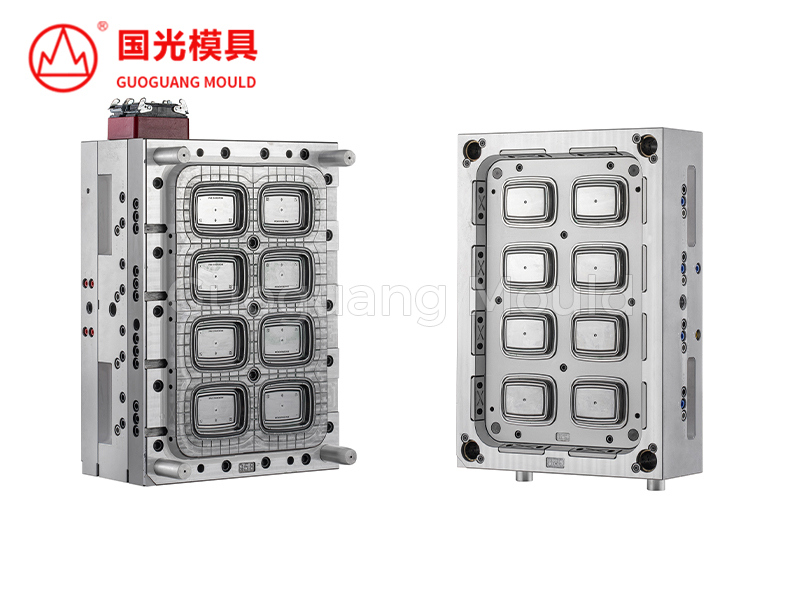
The Thin Wall American Style Small Square Cover Mold is designed for the production of small, square...
See Details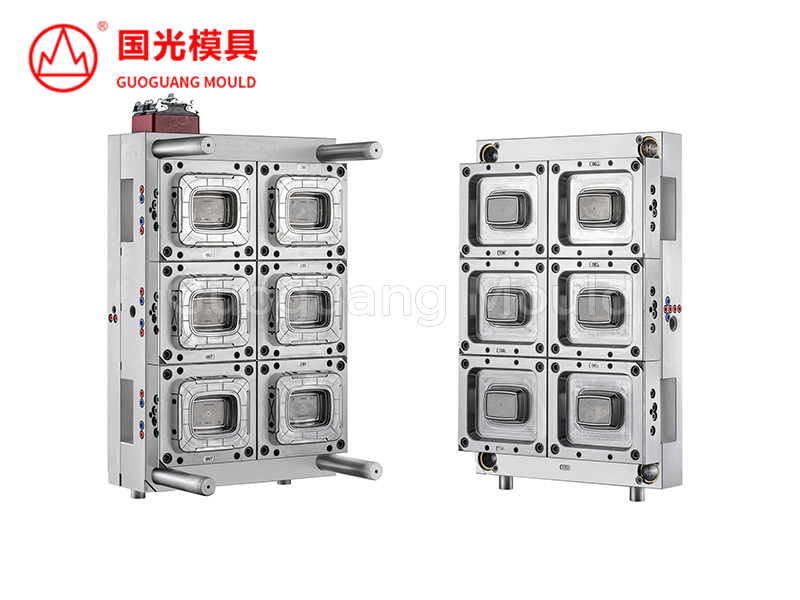
The Plastic Mould for Packaged Food Square Cover is an essential tool for creating square plastic co...
See Details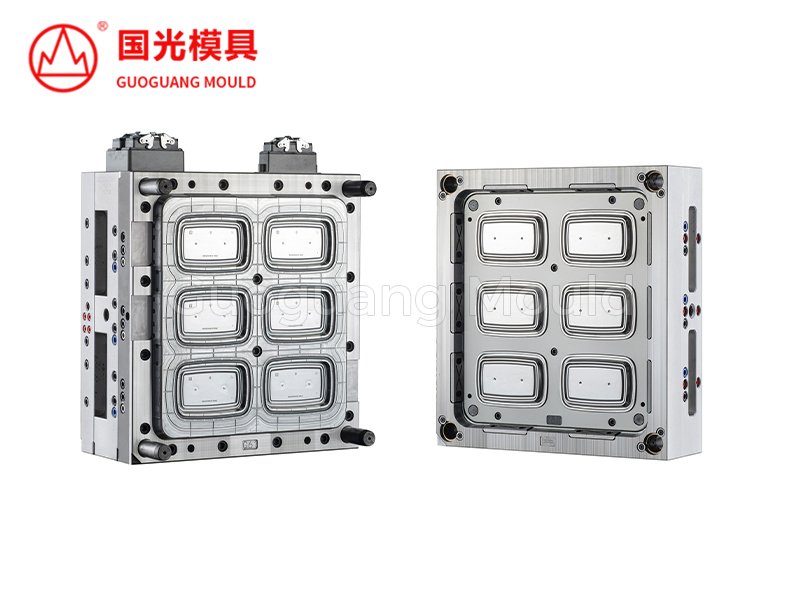
The Thin Wall Square Box Mould is designed for the production of small, square boxes, ensuring effic...
See Details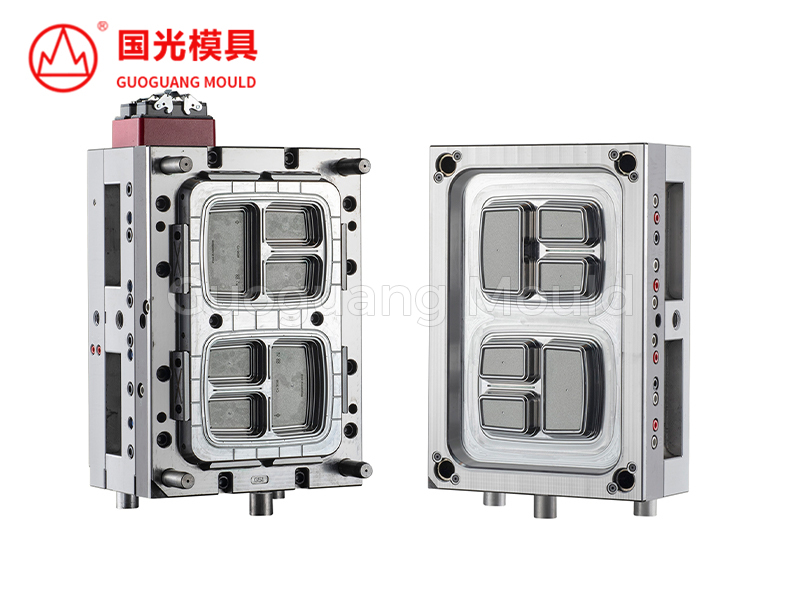
The Restaurant Packaged Three-Compartment Lunch Box Mold is designed for producing plastic lunch box...
See Details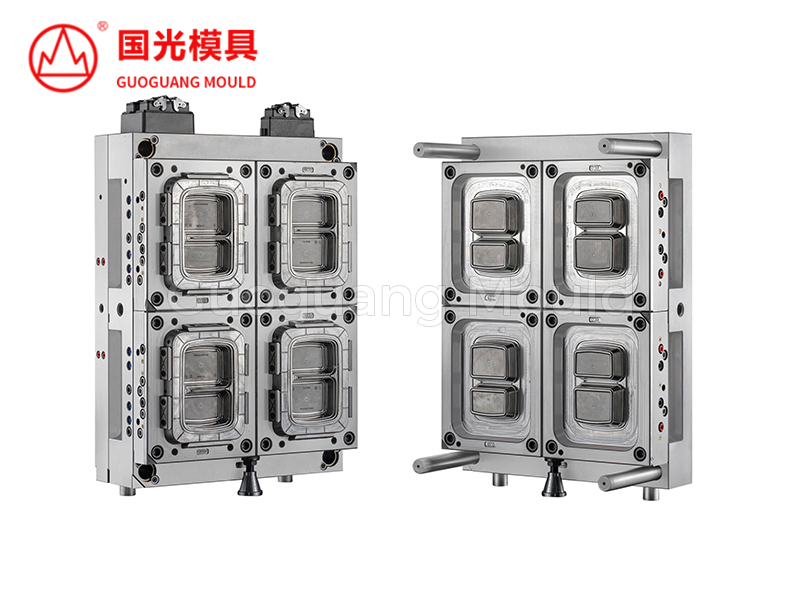
This mould is ideal for high-volume manufacturing, ensuring precise, efficient production of lunch ...
See Details
Guoguang are specialized in thin wall high-speed moulds, almost all cutlery moulds can be customized by us.
Copyright © Zhejiang Taizhou Guoguang Mould Plastic Co., Ltd. All Rights Reserved.
Thin Wall Mold Manufacturer
