 English
 中文简体
中文简体 Español
 عربى
عربى


Guoguang are specialized in thin wall high-speed moulds, almost all cutlery moulds can be customized by us.
Injection plastic round cap molds are specifically designed to manufacture round plastic caps with h...
See Details

Plastic Injection Thin Wall Food Container Mold plays an important role in the manufacturing of lightweight food containers used in daily packaging applications. As food packaging designs continue to develop, manufacturers require molds that can produce containers with accurate shapes, smooth surfaces, and consistent dimensions.
Thin wall food containers are widely used for takeaway meals, storage products, and food service applications. These containers require precise molding technology because the wall thickness is reduced while maintaining structural strength. Plastic Injection Thin Wall Food Container Mold is designed to handle these production requirements through advanced mold structures and accurate processing methods.
The mold design directly influences production efficiency, container appearance, and product consistency. Manufacturers focus on creating mold systems that support stable injection processes and meet different container design requirements.
A Plastic Injection Thin Wall Food Container Mold usually includes multiple components, such as mold cavities, cores, cooling channels, and ejection systems. Each part works together to shape molten plastic materials into finished container products.
The cavity design determines the external appearance of the container, including size, shape, and surface details. A carefully designed cavity helps maintain uniform product dimensions during repeated production cycles.
Cooling systems are also an important part of mold construction. Proper cooling channel layouts help control temperature distribution inside the mold, supporting consistent forming results. The design of these internal structures requires careful planning based on container size and production requirements.
Thin wall molding requires accurate control during the injection process. Since the container wall is thinner than traditional designs, plastic materials need to flow smoothly into every section of the mold cavity.
Plastic Injection Thin Wall Food Container Mold is often designed with optimized runner systems and gate positions to support material flow. These design elements influence filling speed, surface quality, and overall product formation.
Manufacturers use computer-aided design tools to analyze mold structures before production. Simulation technology helps engineers evaluate filling conditions, cooling performance, and possible design adjustments.
The materials used for Plastic Injection Thin Wall Food Container Mold affect durability, precision, and production stability. Mold steel selection is an important step because the mold needs to handle repeated manufacturing operations.
Different applications may require different mold structures. Some container designs focus on lightweight features, while others require stronger shapes or special surface appearances. Material choices and mold processing methods are adjusted according to specific product requirements.
Precision machining is also involved in mold production. Technologies such as CNC machining, electrical discharge machining, and surface processing help create detailed mold components with accurate dimensions.
Different food container products have different shapes, sizes, and functional requirements. Custom Plastic Injection Thin Wall Food Container Mold solutions allow manufacturers to create molds that match specific packaging concepts.
Customization may include container volume, lid matching structure, stacking design, and surface patterns. Engineers work on mold layouts according to product drawings and technical specifications.
Multi-cavity mold designs are also used in some production applications. These structures allow multiple containers to be formed during one injection cycle, helping manufacturers improve production organization.
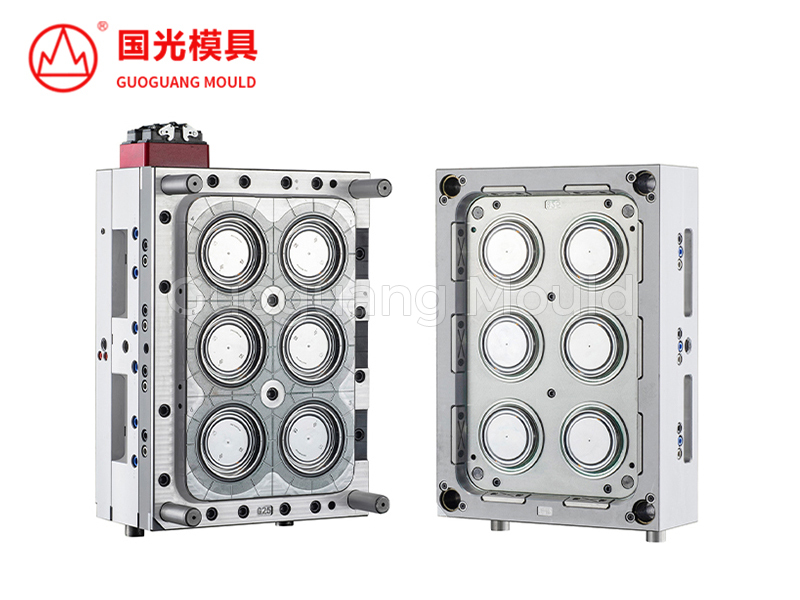
Injection plastic round cap molds are specifically designed to manufacture round plastic caps with h...
See Details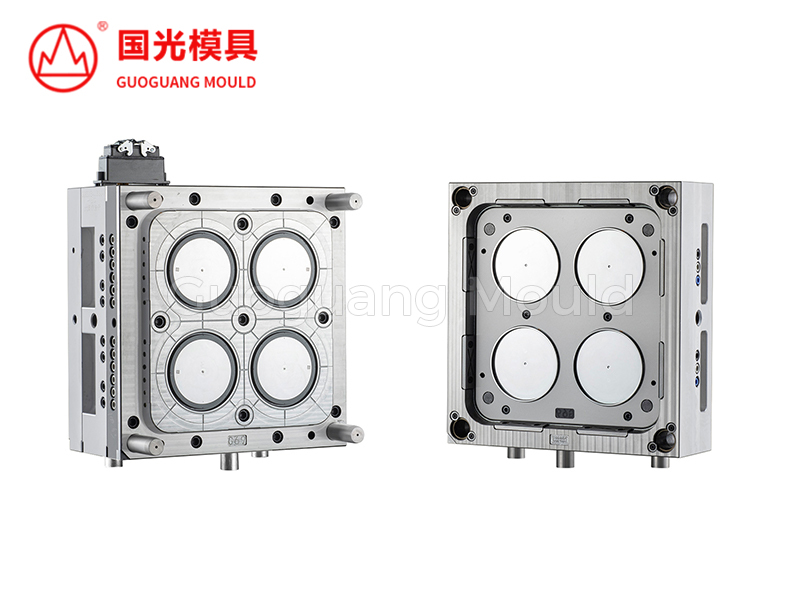
Injection plastic round bowl moulds are designed to create high-quality, durable plastic round bowls...
See Details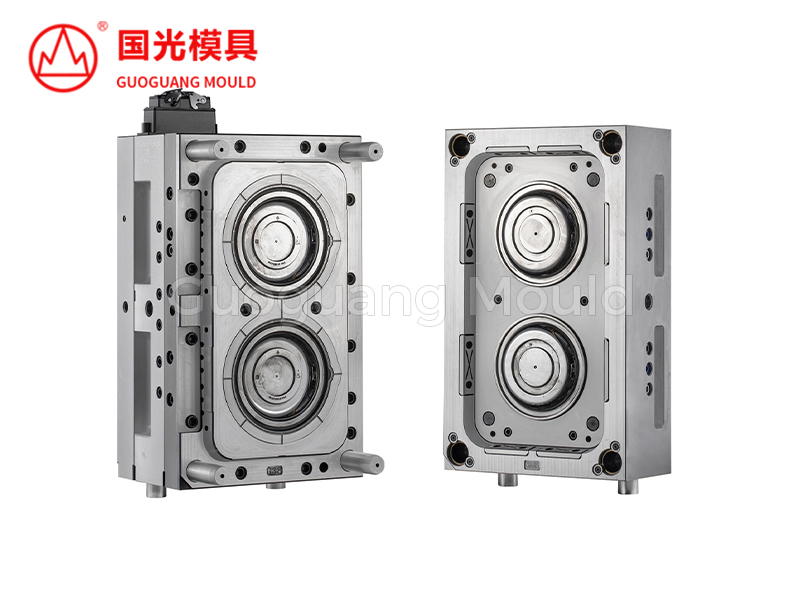
The Thin Wall American Style Large Round Cover Mould is a specialised tool designed for the producti...
See Details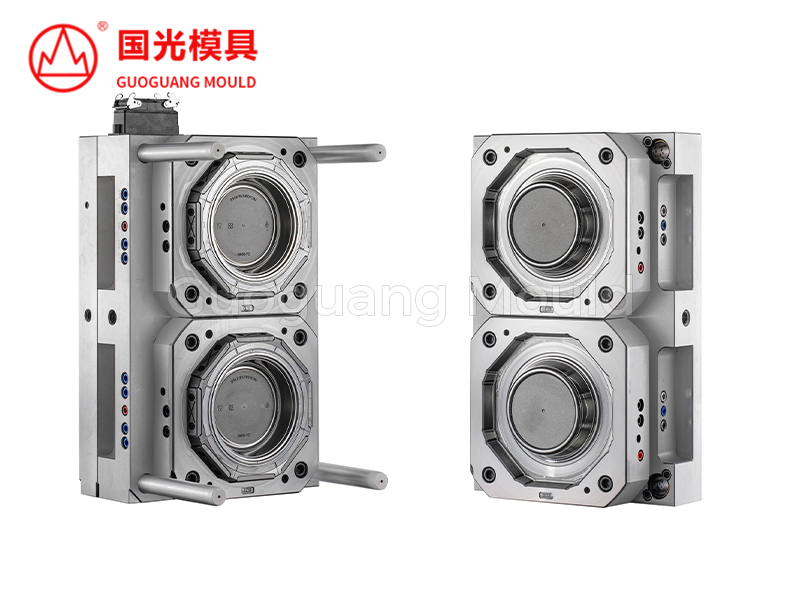
The Injection Plastic American Style Large Round Bowl Mold is an advanced tool designed specifically...
See Details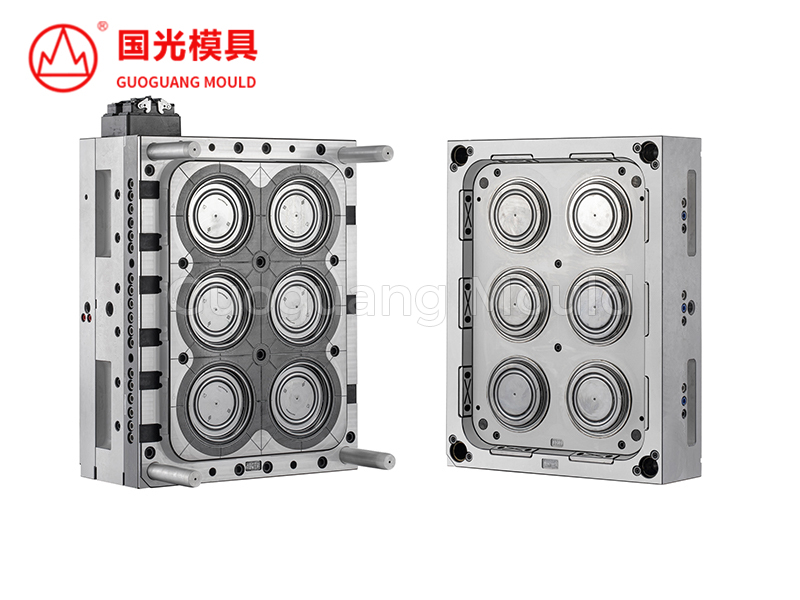
The Thin Wall American Medium Round Cap Mould is a highly efficient tool designed for the production...
See Details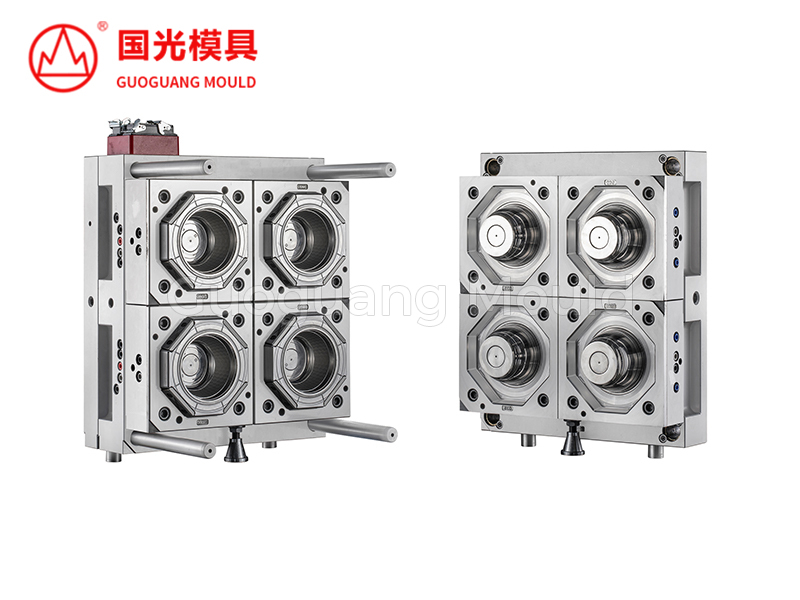
The Thin Wall Medium Size American Bowl Mould is designed for efficient production of medium-sized b...
See Details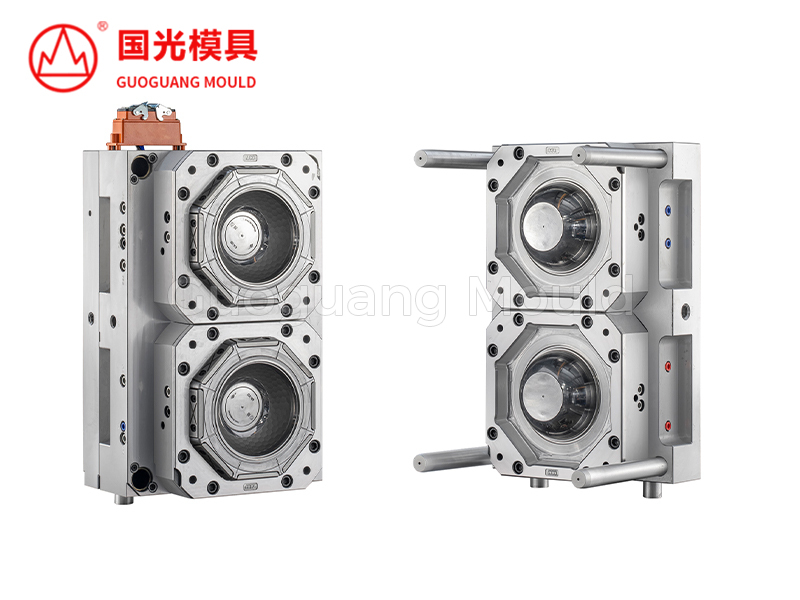
The Injection Plastic Large Round Bowl Mould is a specialized tool designed to produce large round p...
See Details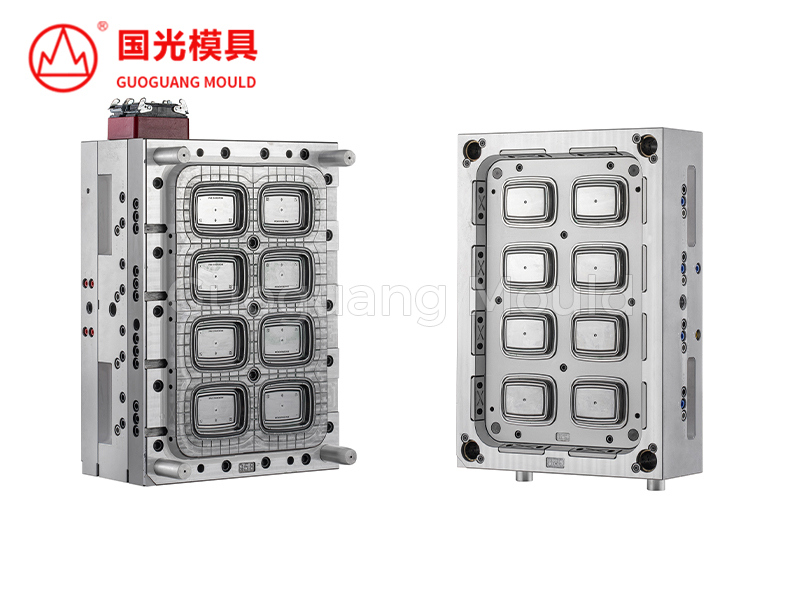
The Thin Wall American Style Small Square Cover Mold is designed for the production of small, square...
See Details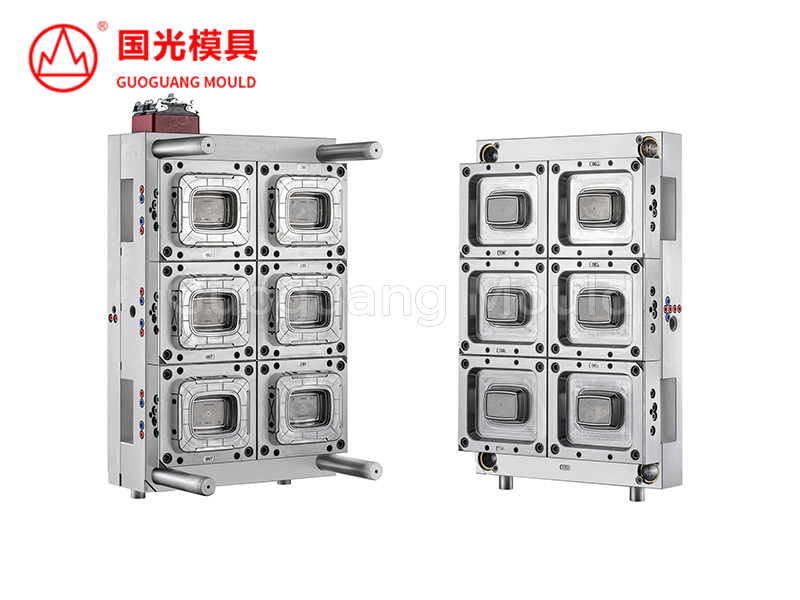
The Plastic Mould for Packaged Food Square Cover is an essential tool for creating square plastic co...
See Details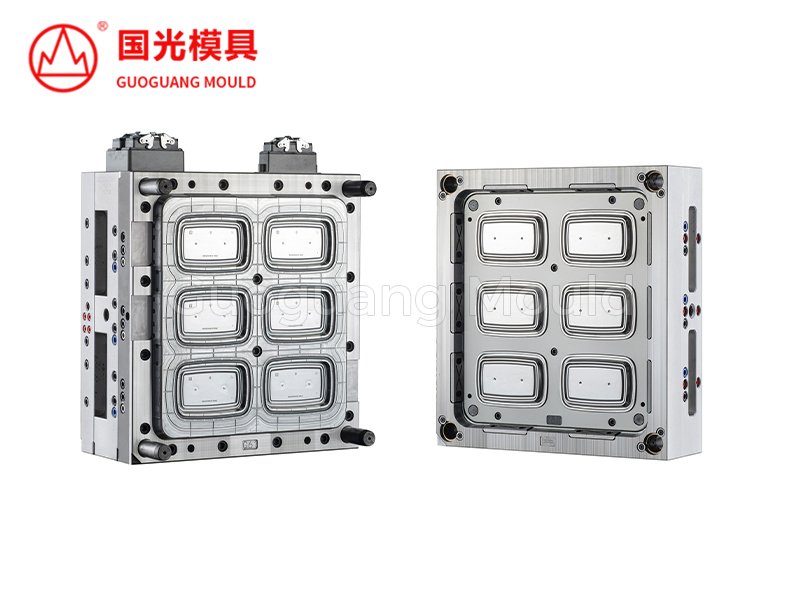
The Thin Wall Square Box Mould is designed for the production of small, square boxes, ensuring effic...
See Details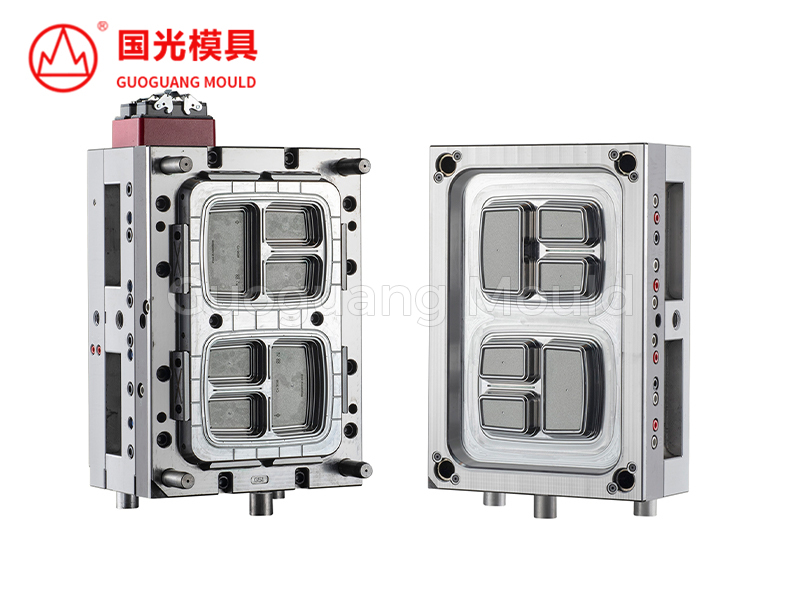
The Restaurant Packaged Three-Compartment Lunch Box Mold is designed for producing plastic lunch box...
See Details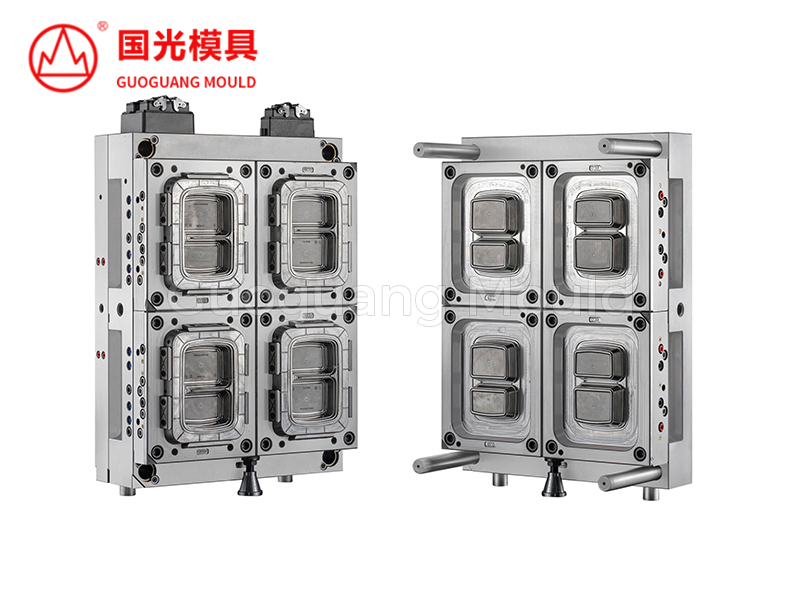
This mould is ideal for high-volume manufacturing, ensuring precise, efficient production of lunch ...
See Details
Guoguang are specialized in thin wall high-speed moulds, almost all cutlery moulds can be customized by us.
Copyright © Zhejiang Taizhou Guoguang Mould Plastic Co., Ltd. All Rights Reserved.
Thin Wall Mold Manufacturer
