 English
 中文简体
中文简体 Español
 عربى
عربى


Guoguang are specialized in thin wall high-speed moulds, almost all cutlery moulds can be customized by us.
Injection plastic round cap molds are specifically designed to manufacture round plastic caps with h...
See Details

Fruit packaging needs containers that stay light yet hold their shape during transport and display. Creating the tools for those containers falls under Plastic Fruit Box Mould Manufacture. This process turns steel into precise molds that shape thin-wall plastic boxes for fresh produce, takeaway packs, and similar items. The work combines design, machining, and testing to produce molds that run smoothly on injection machines.
Several styles appear regularly in Plastic Fruit Box Mould Manufacture. Rectangular thin-wall molds produce longer containers that hold berries or cut fruit in single layers. Square-box molds create compact units that stack neatly on shelves or in crates. Multi-cavity versions form several boxes in one injection cycle, raising output for busy packing lines.
Other related designs include:
Each type shares the goal of low material use and reliable strength. The molds accept common resins such as polypropylene and polystyrene, letting producers match the plastic to the fruit type and storage conditions.
Cooling systems rank high on the list of practical details. Well-placed channels remove heat quickly so the box solidifies without warping. Ejection mechanisms push finished pieces free without marks or stuck edges. Gate locations are chosen to hide any small marks that remain after trimming.
Wall thickness stays thin yet even. This balance keeps the box light for shipping while giving enough rigidity to protect contents. Ribs or slight reinforcements can be added in corners if the design calls for extra support under stacked weight. Surface texture options range from high gloss for clear visibility to matte finishes that reduce fingerprints.
Tool steel forms the main body of the mold because it resists wear under repeated pressure and temperature changes. After rough cutting, the steel undergoes heat treatment to reach the needed hardness. Fine machining and polishing complete the working surfaces. Inserts for logos or date stamps can be fitted where required.
Assembly brings the cavity and core halves together with alignment features that keep them true during every cycle. Sensors or simple visual checks confirm that the mold opens and closes smoothly before it leaves the shop. Trial runs on an injection machine then produce sample boxes for measurement and fit testing.
Once installed, the mold sits in a high-speed injection machine. Plastic pellets melt, inject into the cavity, cool, and eject as finished boxes. Cycle times stay short because of the thin walls and efficient cooling. Operators monitor the process to keep dimensions steady across large runs.
Fruit packers appreciate boxes that nest for storage and denest easily on the filling line. Lids that fit firmly yet open without tools also matter for retail display. The molds support these everyday needs by delivering consistent shapes that work with automatic packing equipment.
Across the process, Plastic Fruit Box Mould Manufacture focuses on turning steel into reliable tools for everyday fruit containers. From the digital sketch to the polished steel ready for production, each step aims at boxes that protect produce, stack cleanly, and run efficiently on packing lines. The resulting molds support a steady supply of lightweight packaging that meets the practical demands of growers, packers, and retailers.
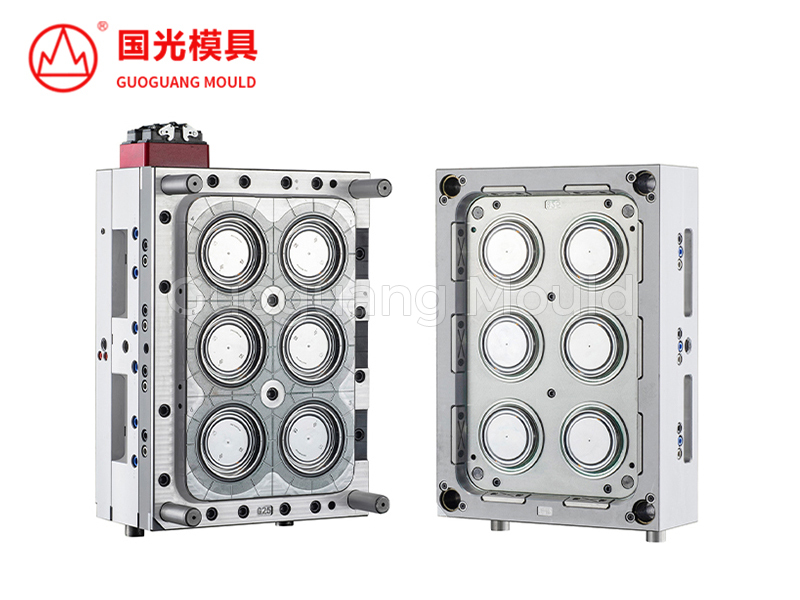
Injection plastic round cap molds are specifically designed to manufacture round plastic caps with h...
See Details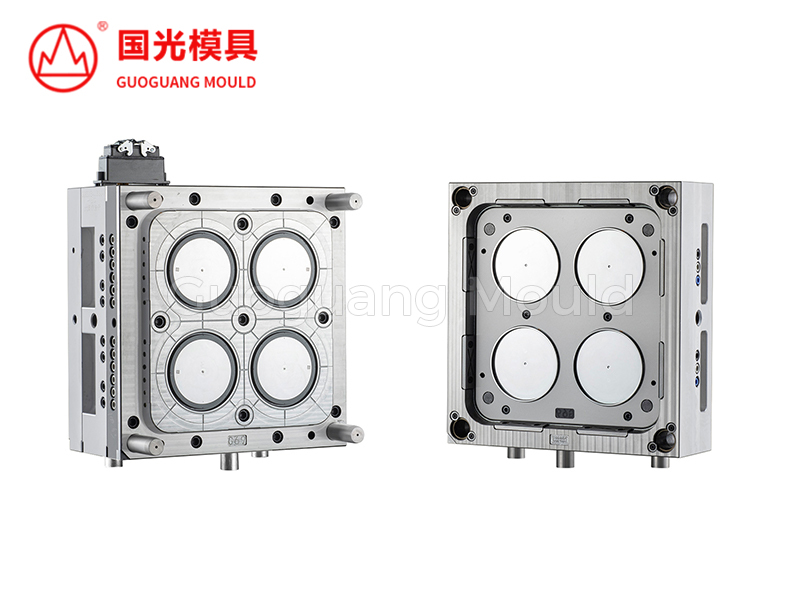
Injection plastic round bowl moulds are designed to create high-quality, durable plastic round bowls...
See Details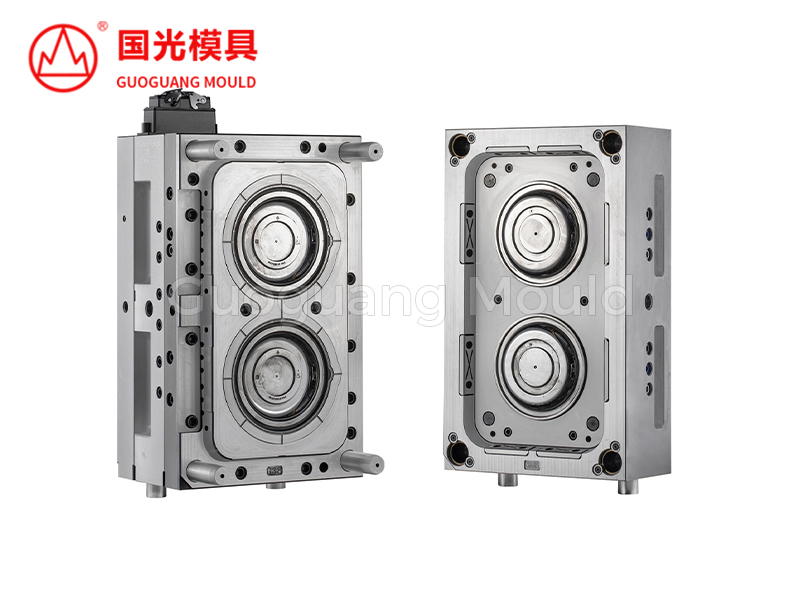
The Thin Wall American Style Large Round Cover Mould is a specialised tool designed for the producti...
See Details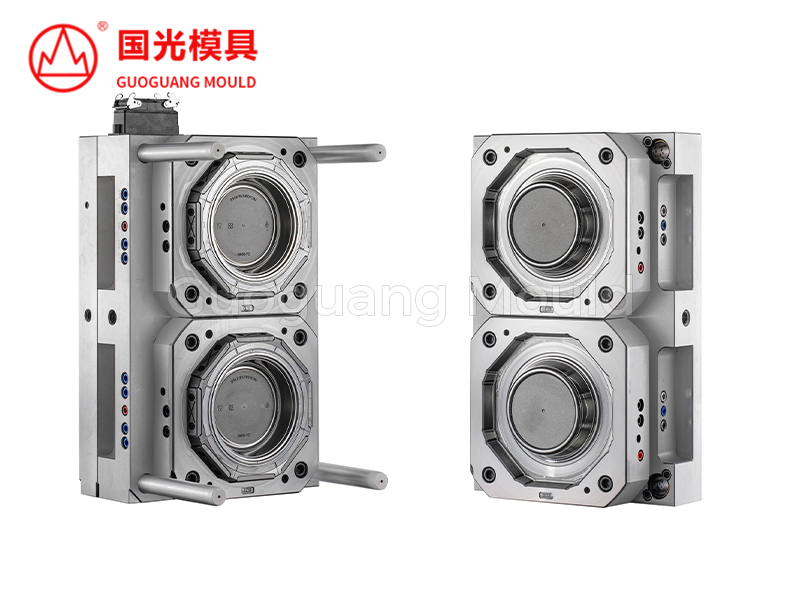
The Injection Plastic American Style Large Round Bowl Mold is an advanced tool designed specifically...
See Details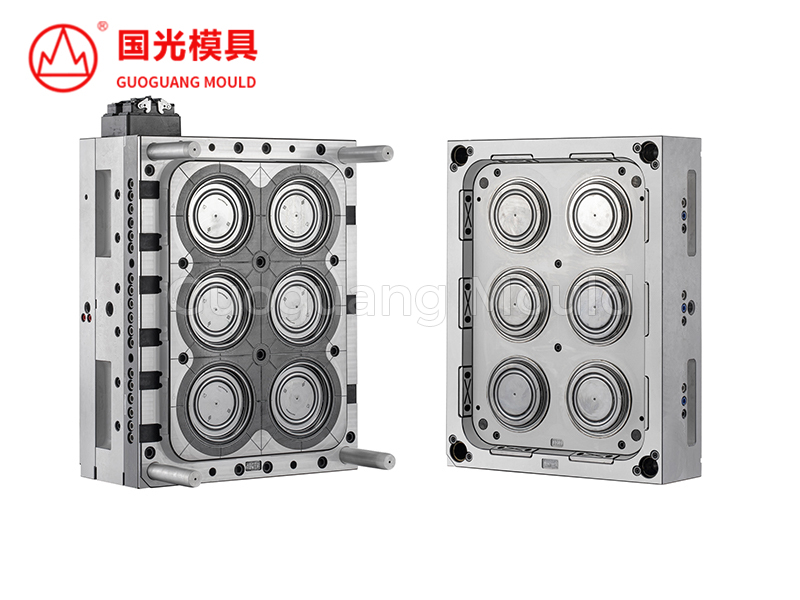
The Thin Wall American Medium Round Cap Mould is a highly efficient tool designed for the production...
See Details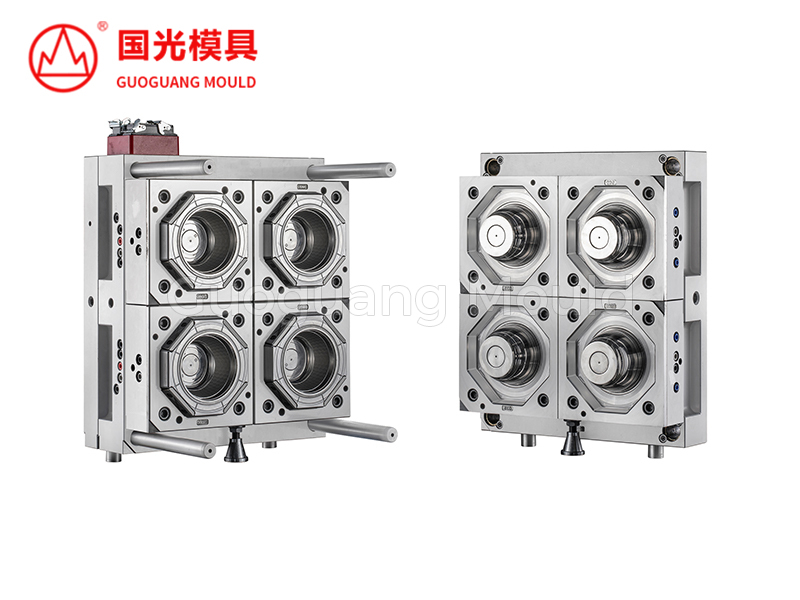
The Thin Wall Medium Size American Bowl Mould is designed for efficient production of medium-sized b...
See Details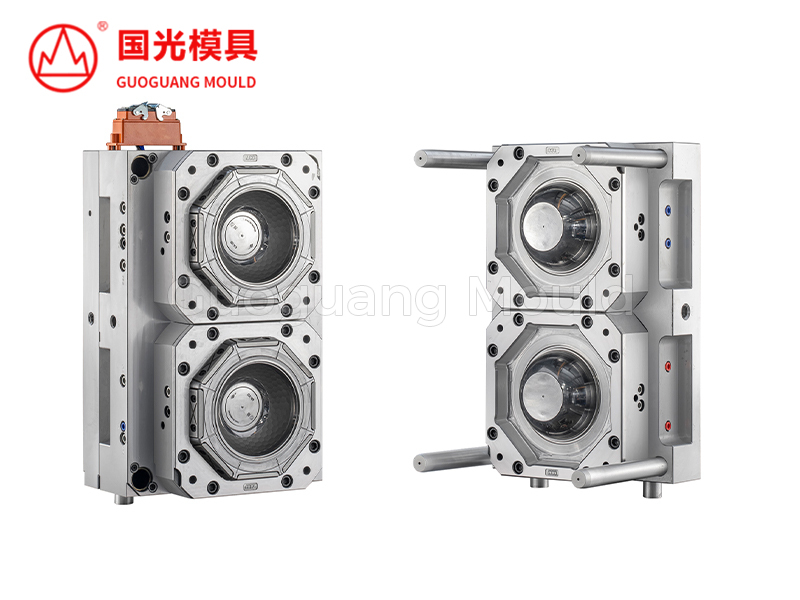
The Injection Plastic Large Round Bowl Mould is a specialized tool designed to produce large round p...
See Details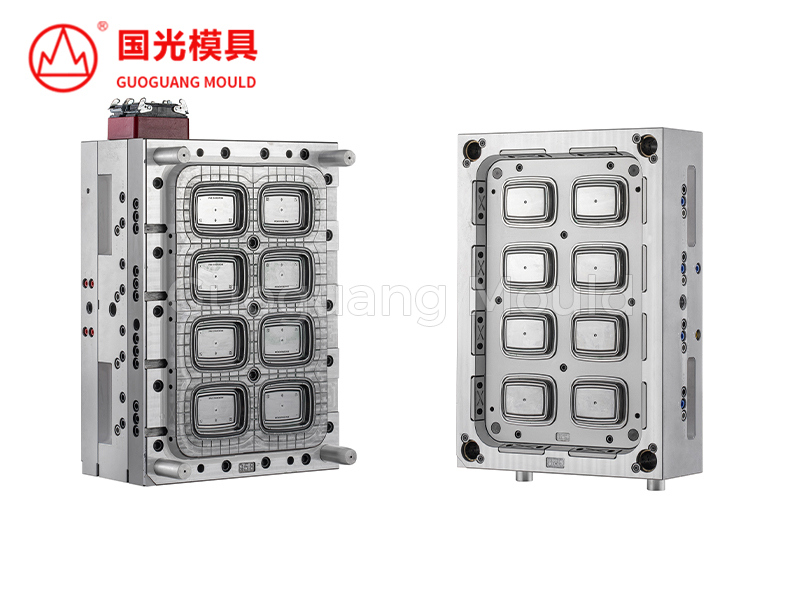
The Thin Wall American Style Small Square Cover Mold is designed for the production of small, square...
See Details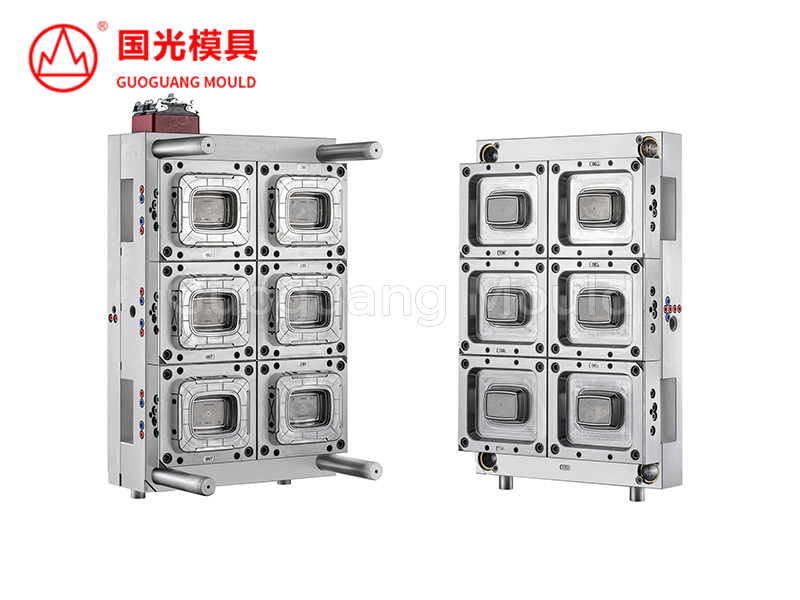
The Plastic Mould for Packaged Food Square Cover is an essential tool for creating square plastic co...
See Details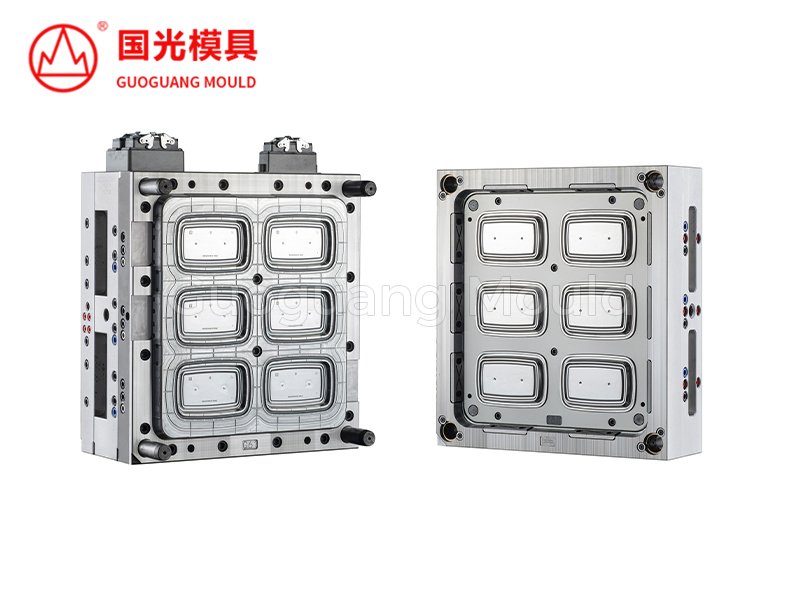
The Thin Wall Square Box Mould is designed for the production of small, square boxes, ensuring effic...
See Details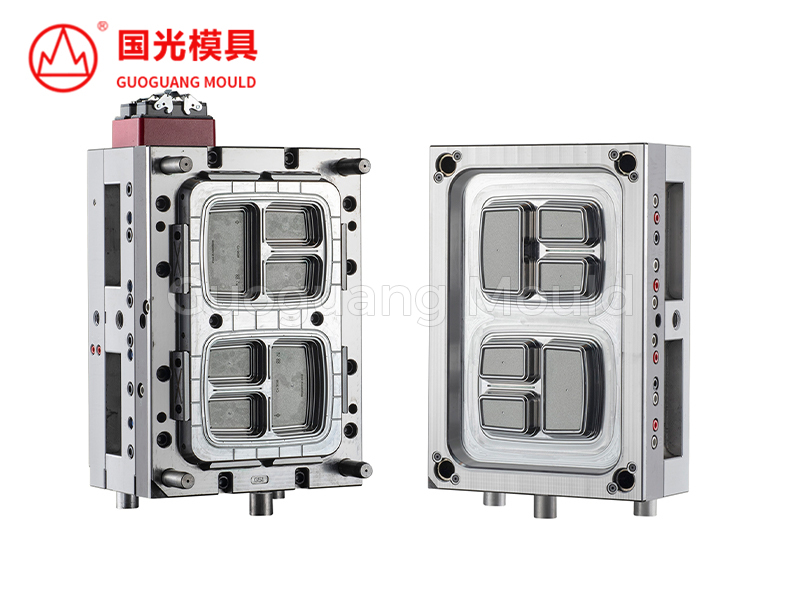
The Restaurant Packaged Three-Compartment Lunch Box Mold is designed for producing plastic lunch box...
See Details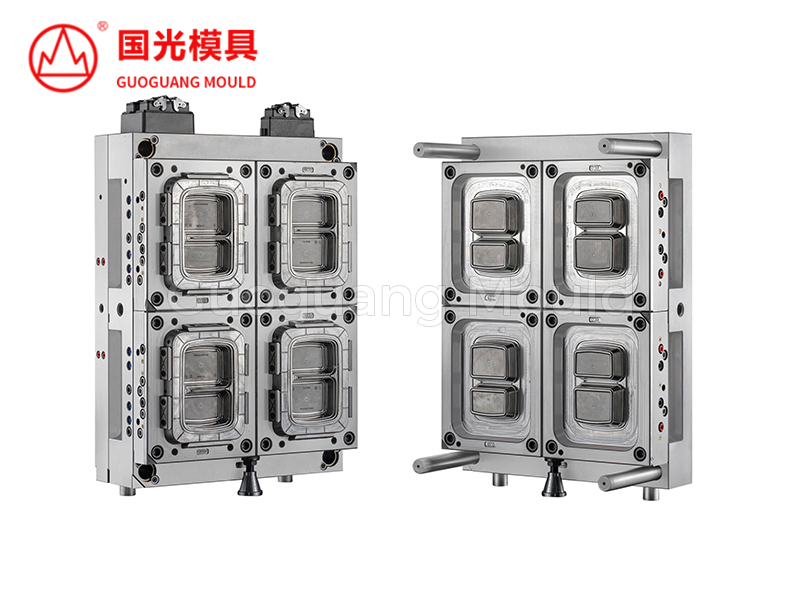
This mould is ideal for high-volume manufacturing, ensuring precise, efficient production of lunch ...
See Details
Guoguang are specialized in thin wall high-speed moulds, almost all cutlery moulds can be customized by us.
Copyright © Zhejiang Taizhou Guoguang Mould Plastic Co., Ltd. All Rights Reserved.
Thin Wall Mold Manufacturer
