 English
 中文简体
中文简体 Español
 عربى
عربى


Guoguang are specialized in thin wall high-speed moulds, almost all cutlery moulds can be customized by us.
Injection plastic round cap molds are specifically designed to manufacture round plastic caps with h...
See Details

Disposable food packaging container mold plays a central role in the manufacturing of containers used for food service and takeout applications. These molds enable the shaping of materials into trays, cups, bowls, and lids that meet everyday packaging needs across restaurants, cafeterias, and retail settings. Manufacturers rely on them to produce consistent items that fit standard filling and sealing equipment.
A disposable food packaging container mold defines the final shape and features of each container during the forming process. The mold receives heated material sheets or injected resin and cools it into a rigid form ready for stacking and distribution. Different mold designs accommodate single-compartment or multi-compartment containers, with features such as snap-fit lids or divided sections. This process supports high-volume output while maintaining dimensional accuracy across production runs.
Manufacturers work with several material types when operating disposable food packaging container mold systems. Polypropylene and polystyrene sheets appear frequently due to their forming characteristics and finished container strength. Some operations use biodegradable or compostable resin compounds compatible with existing mold configurations. The mold surfaces interact directly with these materials, so cavity design influences wall thickness uniformity and surface finish on the final containers.
The typical cycle begins with material feeding into thermoforming or injection molding machines equipped with the appropriate disposable food packaging container mold. In thermoforming, a heated sheet indexes over the mold, vacuum or pressure assists the forming step, and then trimming separates individual containers. Injection molding variants fill the mold cavities under controlled pressure and temperature. Automated systems eject finished parts and prepare the mold for the next cycle, allowing continuous operation during peak demand periods.
Food service providers use containers formed by disposable food packaging container mold in many daily operations. Quick-service restaurants pack meals for drive-through and delivery orders. Grocery deli sections rely on them for prepared foods and salads. Institutional kitchens in schools and hospitals portion meals using these containers for transport and reheating. Catering services select sizes and shapes that match menu items and portion control requirements.
Mold designers incorporate details such as rib patterns for added rigidity and stacking rings that prevent containers from sticking together in storage. Vent holes and draft angles facilitate smooth release after forming. Multi-cavity molds increase output per cycle, while interchangeable inserts allow producers to switch between container styles without full mold replacement. These elements help maintain production efficiency when demand shifts between different container types.
Molds generate a variety of formats to address different food handling situations. Shallow trays suit sandwiches and baked goods, while deeper bowls handle soups and pasta dishes. Hinged lid designs created in the same mold family reduce the need for separate components during assembly. Clear or colored material options expand presentation choices for retailers displaying ready-to-eat items.
Operators monitor cycle times, temperature zones, and pressure settings to achieve repeatable results with the disposable food packaging container mold. Proper cooling channel design within the mold helps control shrinkage and warpage in the finished parts. Regular checks on mold alignment and surface condition support ongoing part quality during extended production runs. Many facilities schedule mold inspections based on total cycles completed rather than calendar time.
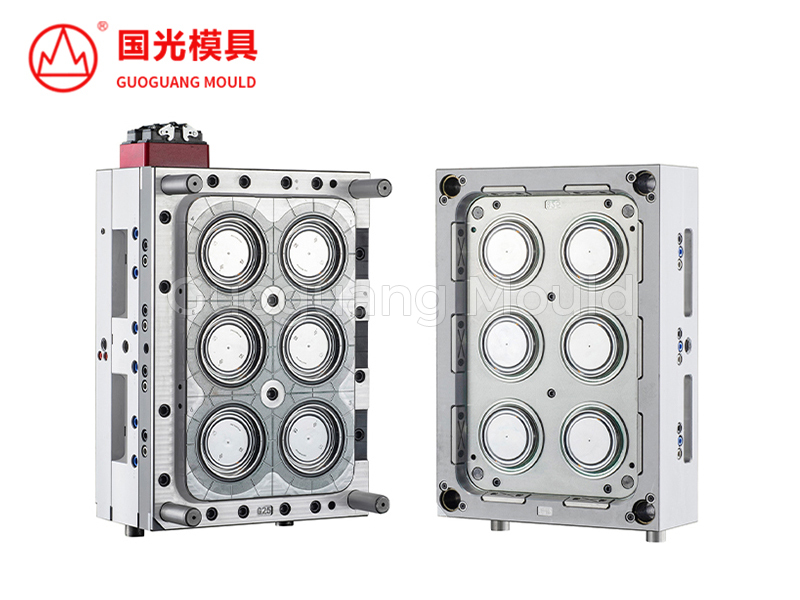
Injection plastic round cap molds are specifically designed to manufacture round plastic caps with h...
See Details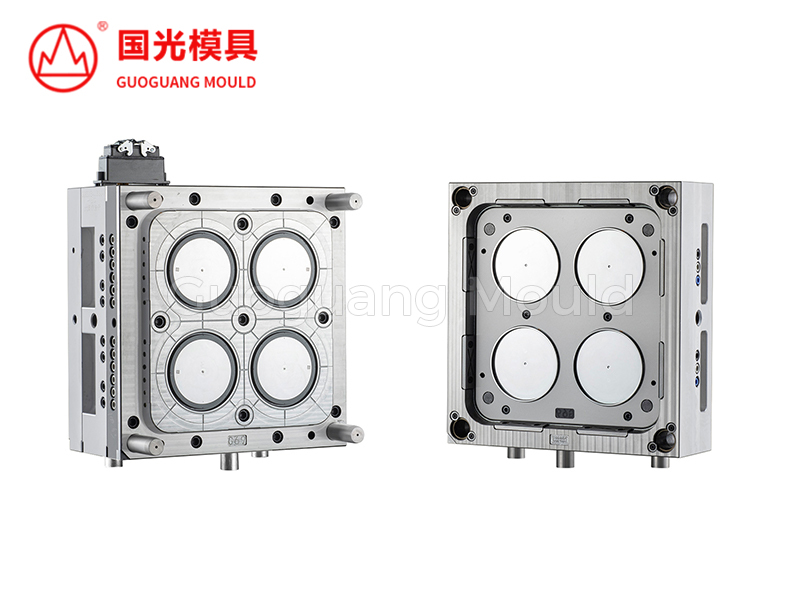
Injection plastic round bowl moulds are designed to create high-quality, durable plastic round bowls...
See Details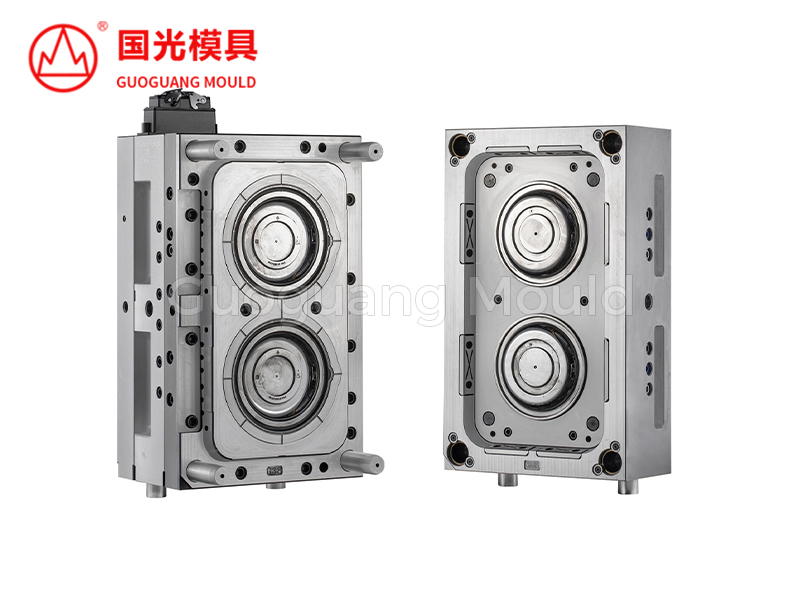
The Thin Wall American Style Large Round Cover Mould is a specialised tool designed for the producti...
See Details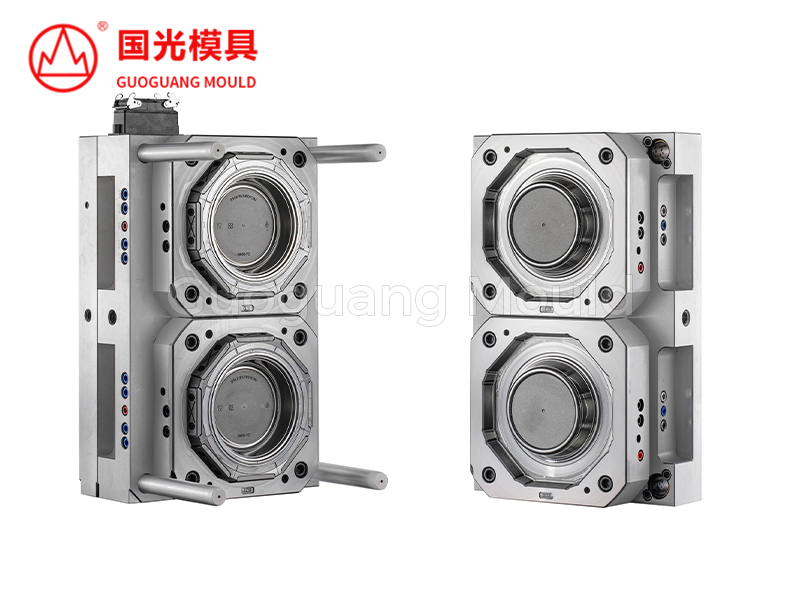
The Injection Plastic American Style Large Round Bowl Mold is an advanced tool designed specifically...
See Details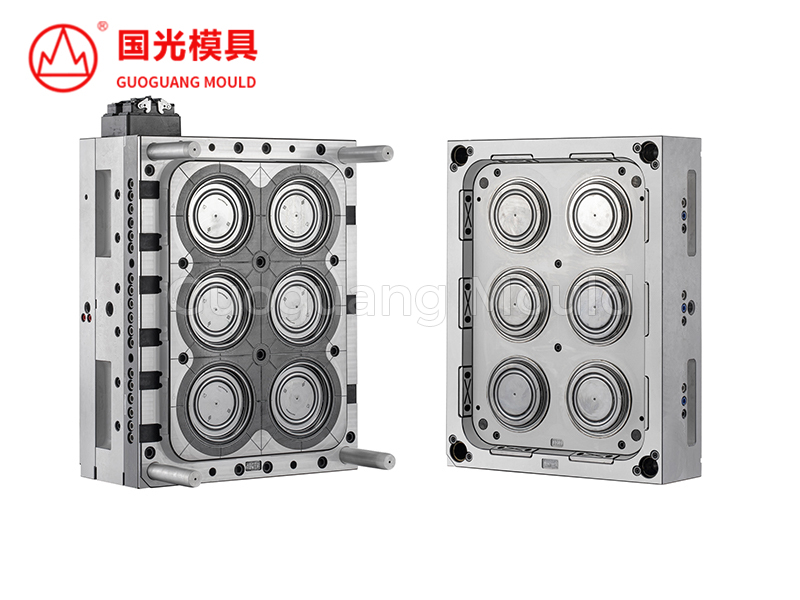
The Thin Wall American Medium Round Cap Mould is a highly efficient tool designed for the production...
See Details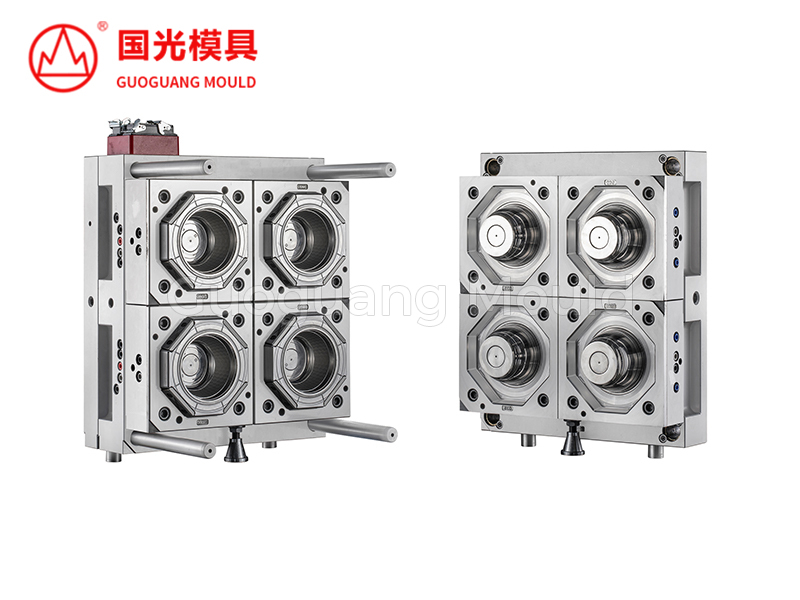
The Thin Wall Medium Size American Bowl Mould is designed for efficient production of medium-sized b...
See Details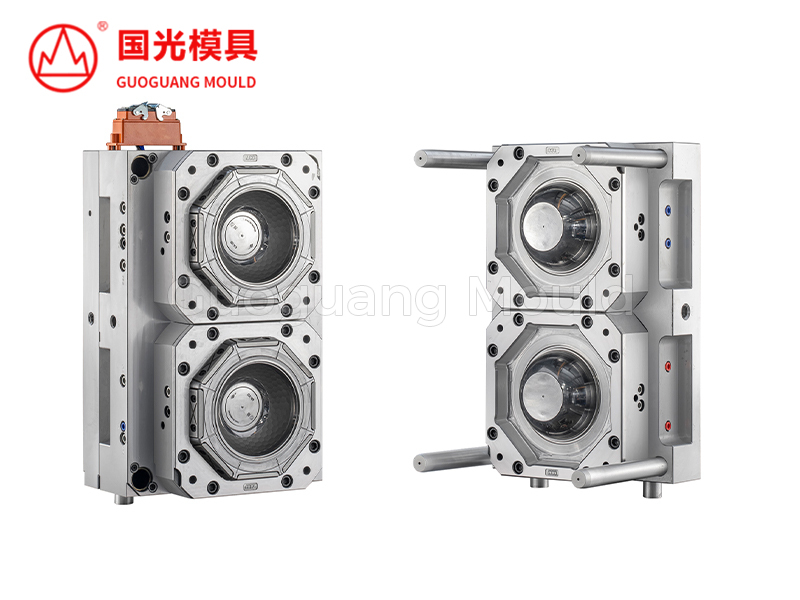
The Injection Plastic Large Round Bowl Mould is a specialized tool designed to produce large round p...
See Details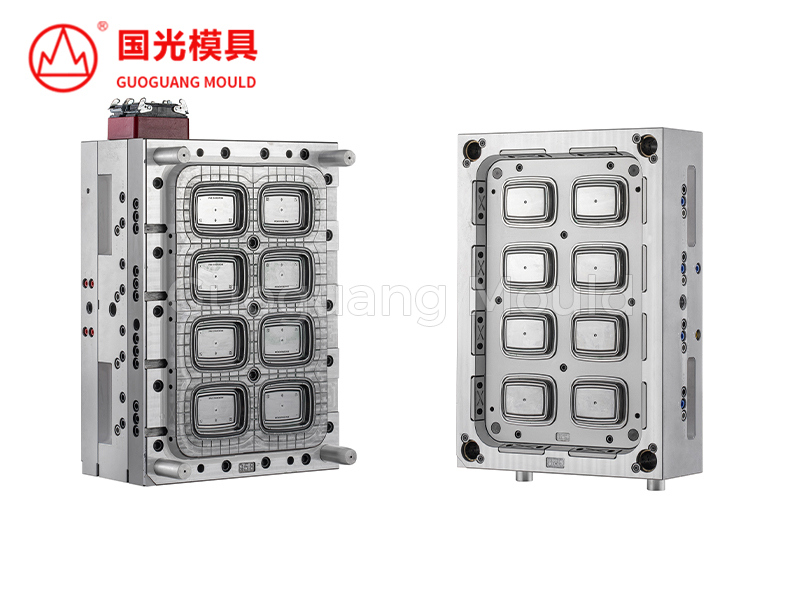
The Thin Wall American Style Small Square Cover Mold is designed for the production of small, square...
See Details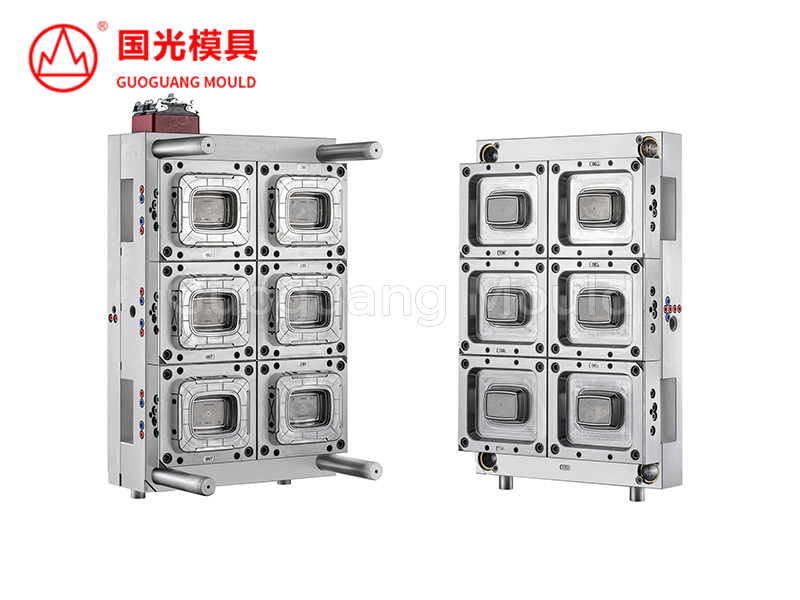
The Plastic Mould for Packaged Food Square Cover is an essential tool for creating square plastic co...
See Details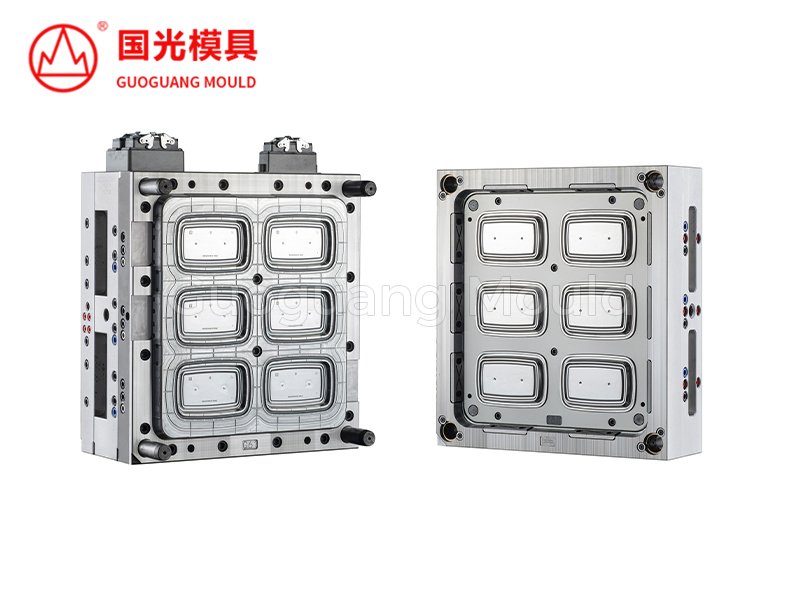
The Thin Wall Square Box Mould is designed for the production of small, square boxes, ensuring effic...
See Details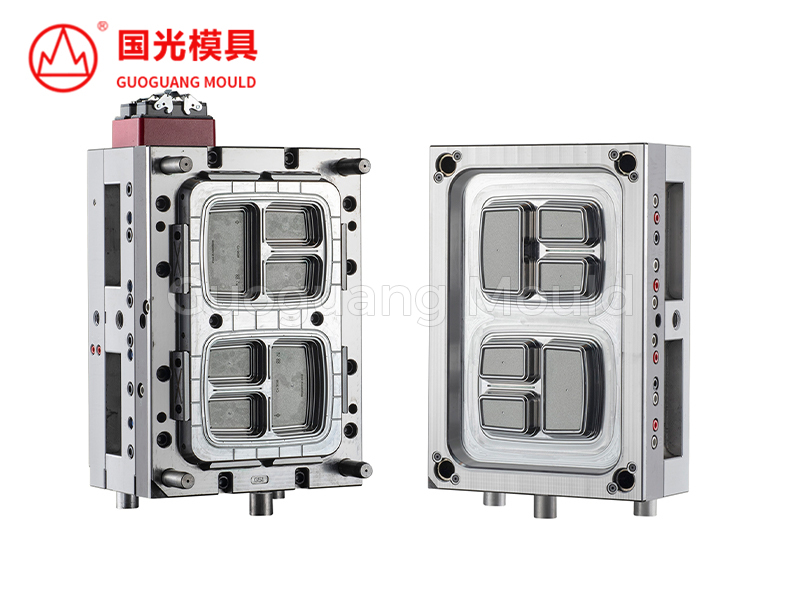
The Restaurant Packaged Three-Compartment Lunch Box Mold is designed for producing plastic lunch box...
See Details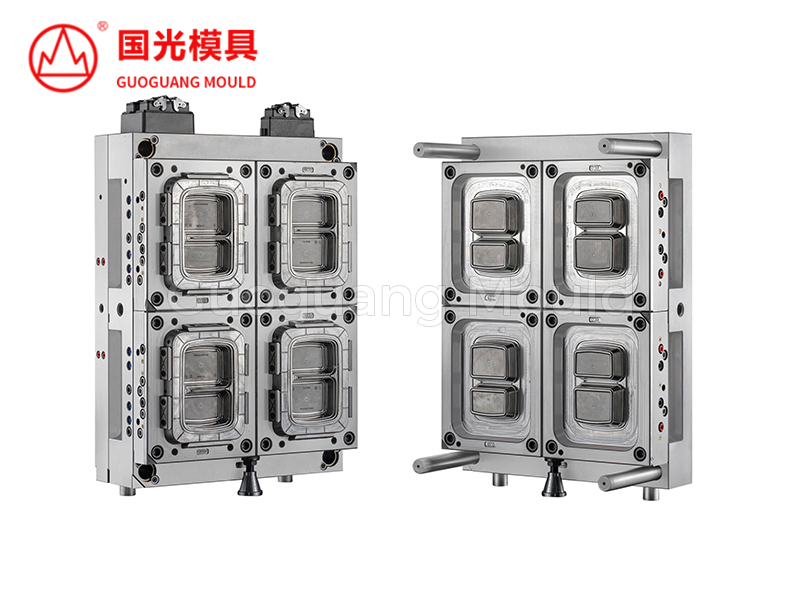
This mould is ideal for high-volume manufacturing, ensuring precise, efficient production of lunch ...
See Details
Guoguang are specialized in thin wall high-speed moulds, almost all cutlery moulds can be customized by us.
Copyright © Zhejiang Taizhou Guoguang Mould Plastic Co., Ltd. All Rights Reserved.
Thin Wall Mold Manufacturer
