 English
 中文简体
中文简体 Español
 عربى
عربى


Guoguang are specialized in thin wall high-speed moulds, almost all cutlery moulds can be customized by us.
Injection plastic round cap molds are specifically designed to manufacture round plastic caps with h...
See Details

The demand for plastic cutlery continues to grow across foodservice, catering, hospitality, and retail packaging sectors worldwide. Behind every plastic knife, fork, spoon, and spork on the market is a precision-engineered injection mould, and the quality of that mould directly determines the consistency, appearance, and dimensional accuracy of the finished product. A professional cutlery mould maker plays a central role in this supply chain, providing the tooling that manufacturers rely on to produce plastic tableware at scale and with repeatable results.
Plastic cutlery is produced almost entirely through injection moulding, a process in which molten thermoplastic resin is injected under pressure into a closed steel mould cavity. When the material cools and solidifies, it takes the shape of the cavity with high dimensional fidelity. The mould itself must be engineered to tight tolerances, because even small deviations in cavity geometry will produce cutlery pieces that are visually inconsistent, structurally weak, or unable to fit correctly in packaging systems. This is why the expertise and capability of the mould maker matter considerably to cutlery manufacturers.
A professional cutlery mould maker typically works with a range of mould configurations to meet different production requirements. The main types of cutlery moulds include:
Plastic cutlery is moulded from several thermoplastic resins depending on the intended application and required mechanical properties. Polystyrene (PS) is widely used for disposable cutlery because it is rigid, low-cost, and easy to process. Polypropylene (PP) is chosen when greater flexibility and impact resistance are needed, and it is common in reusable or semi-reusable cutlery formats. CPLA and other bio-based resins are also processed through injection moulds when specific material requirements are specified by the buyer.
A professional cutlery mould maker must account for several technical factors during mould design and construction:
Professional cutlery mould makers serve manufacturers supplying airline catering, fast food chains, institutional food service, and retail packaged goods. The tooling they produce underpins the volume, quality, and consistency of plastic tableware available across global markets.
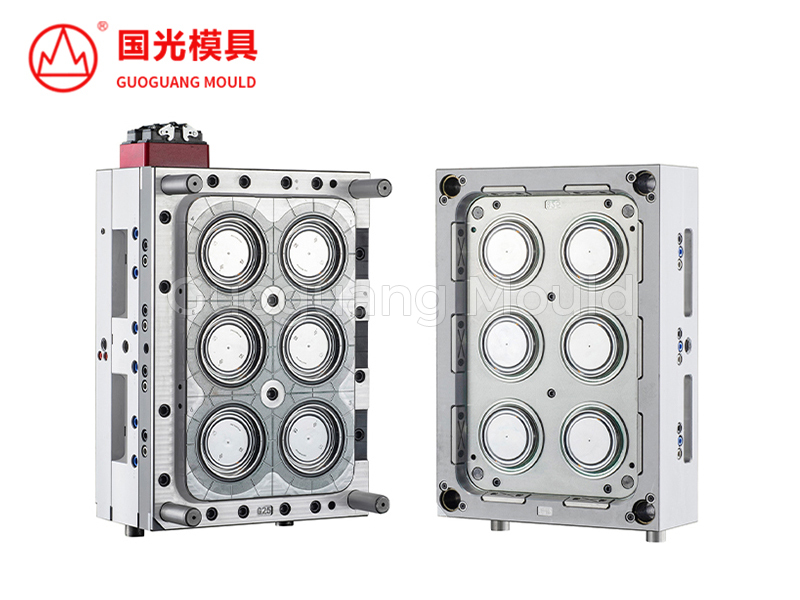
Injection plastic round cap molds are specifically designed to manufacture round plastic caps with h...
See Details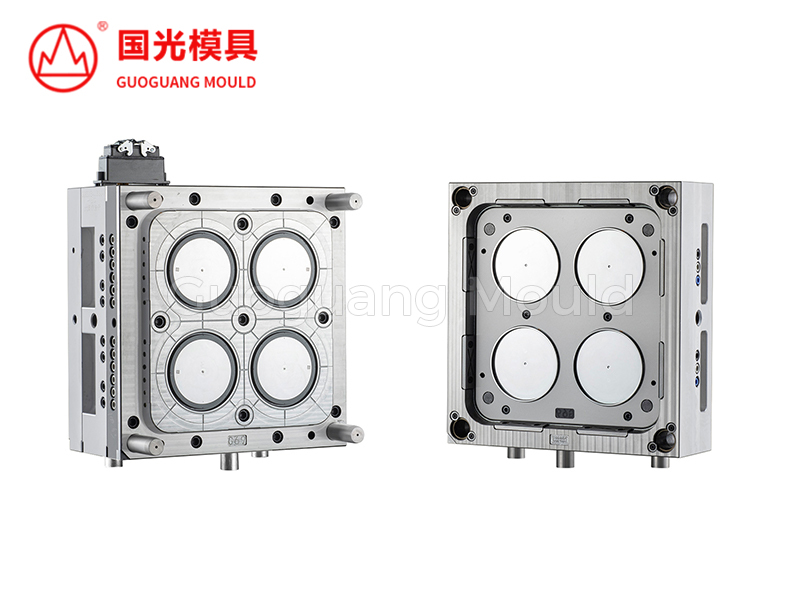
Injection plastic round bowl moulds are designed to create high-quality, durable plastic round bowls...
See Details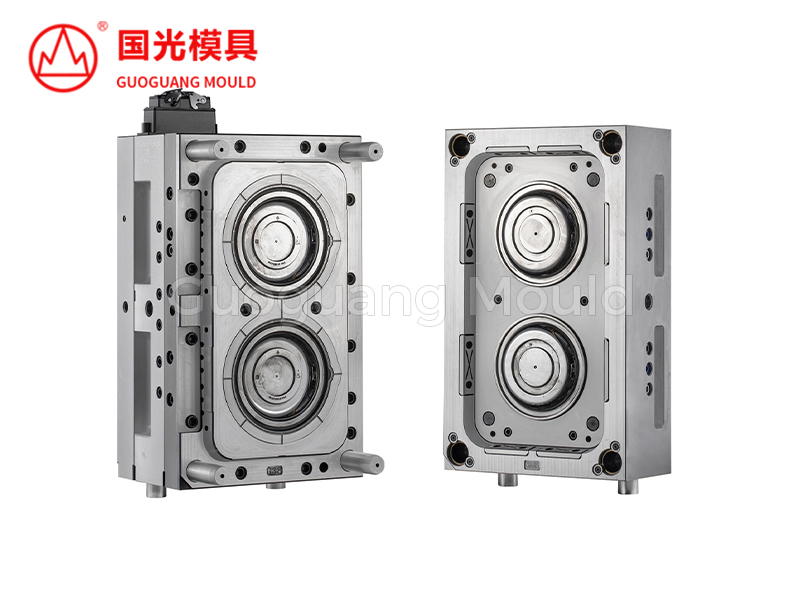
The Thin Wall American Style Large Round Cover Mould is a specialised tool designed for the producti...
See Details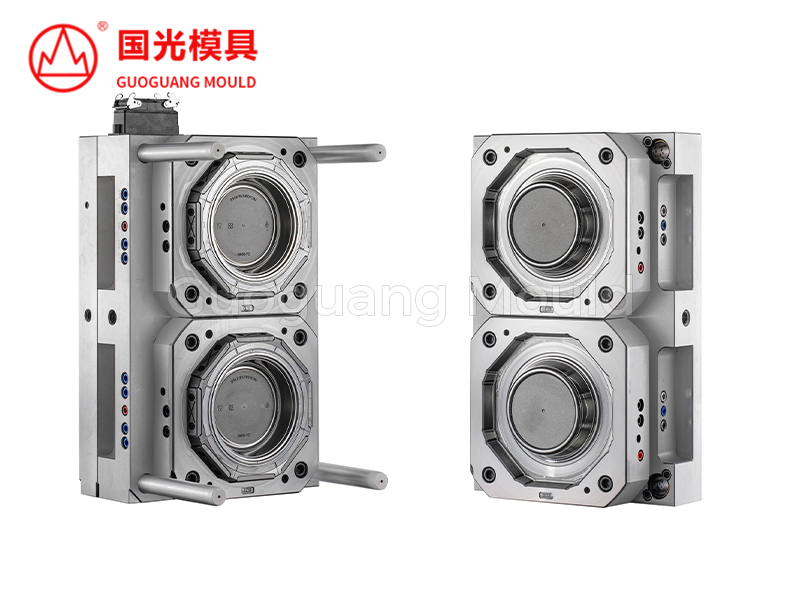
The Injection Plastic American Style Large Round Bowl Mold is an advanced tool designed specifically...
See Details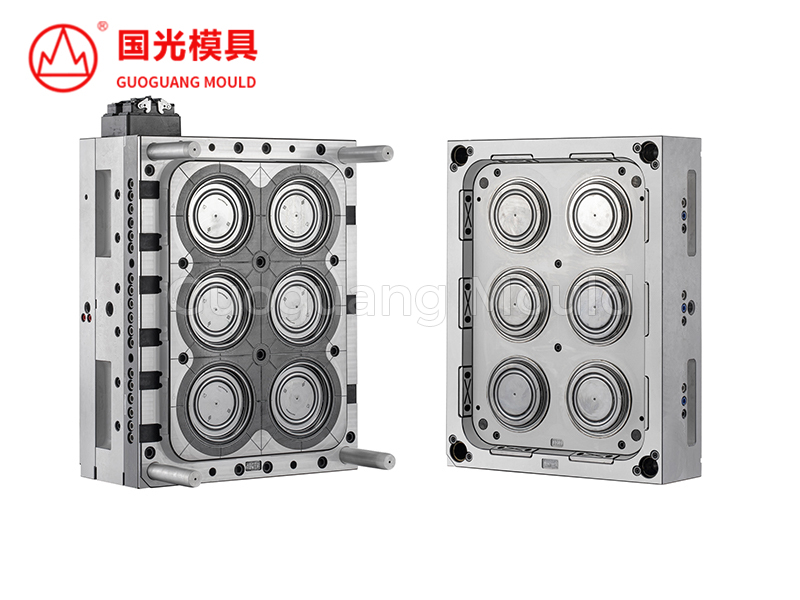
The Thin Wall American Medium Round Cap Mould is a highly efficient tool designed for the production...
See Details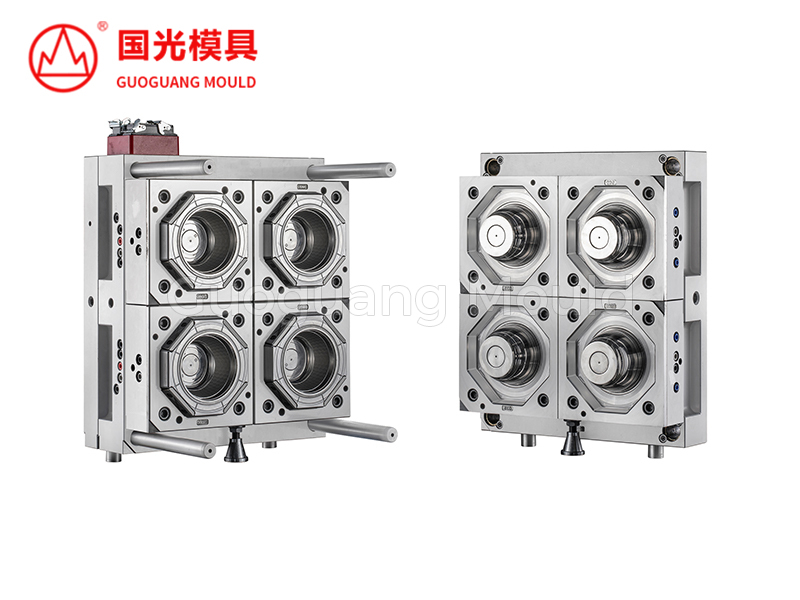
The Thin Wall Medium Size American Bowl Mould is designed for efficient production of medium-sized b...
See Details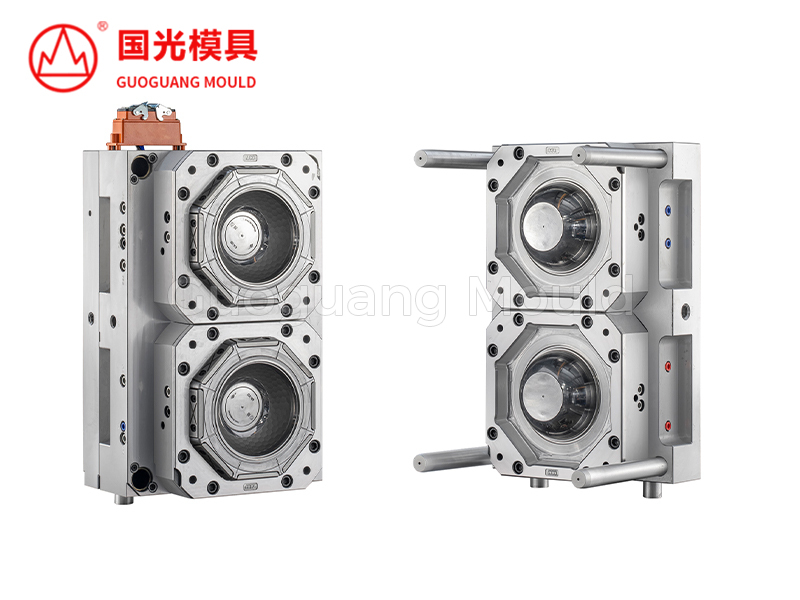
The Injection Plastic Large Round Bowl Mould is a specialized tool designed to produce large round p...
See Details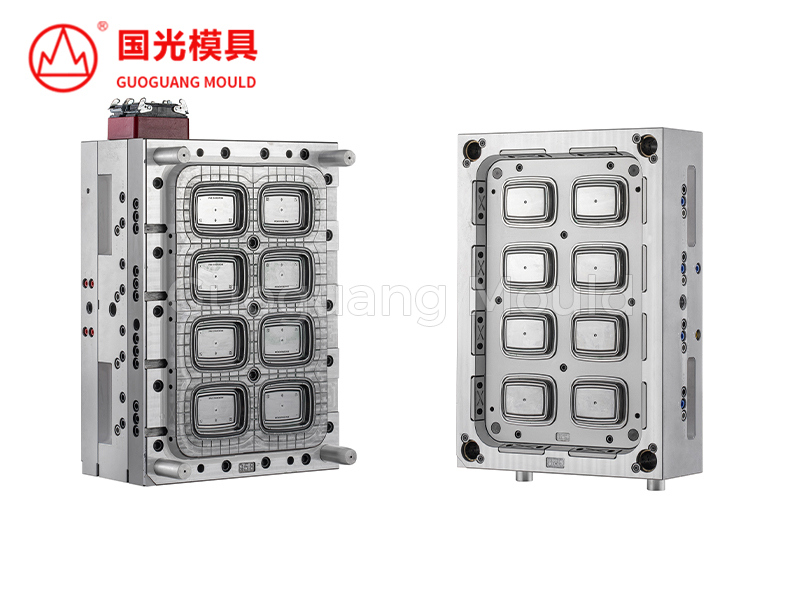
The Thin Wall American Style Small Square Cover Mold is designed for the production of small, square...
See Details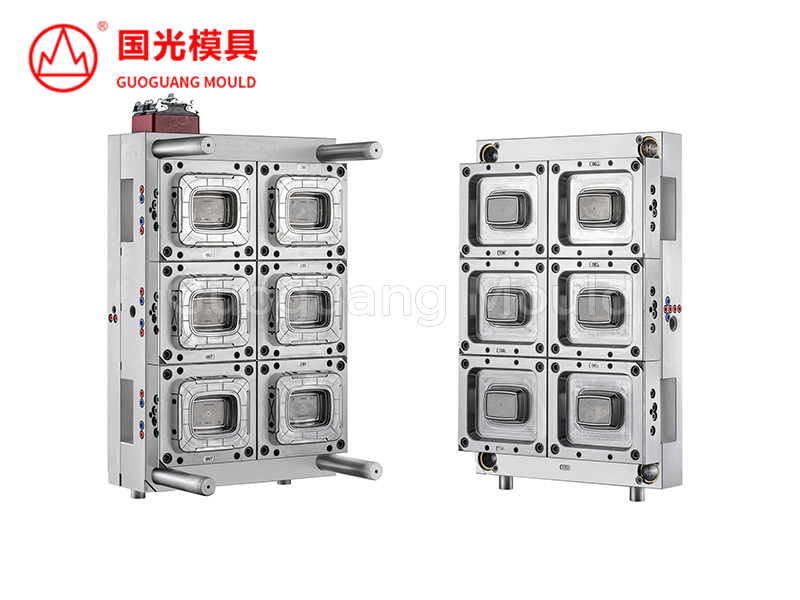
The Plastic Mould for Packaged Food Square Cover is an essential tool for creating square plastic co...
See Details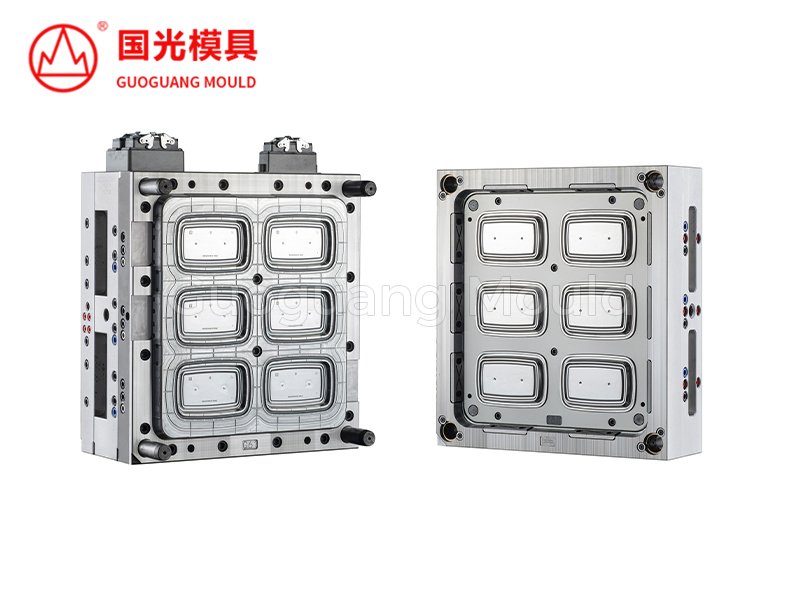
The Thin Wall Square Box Mould is designed for the production of small, square boxes, ensuring effic...
See Details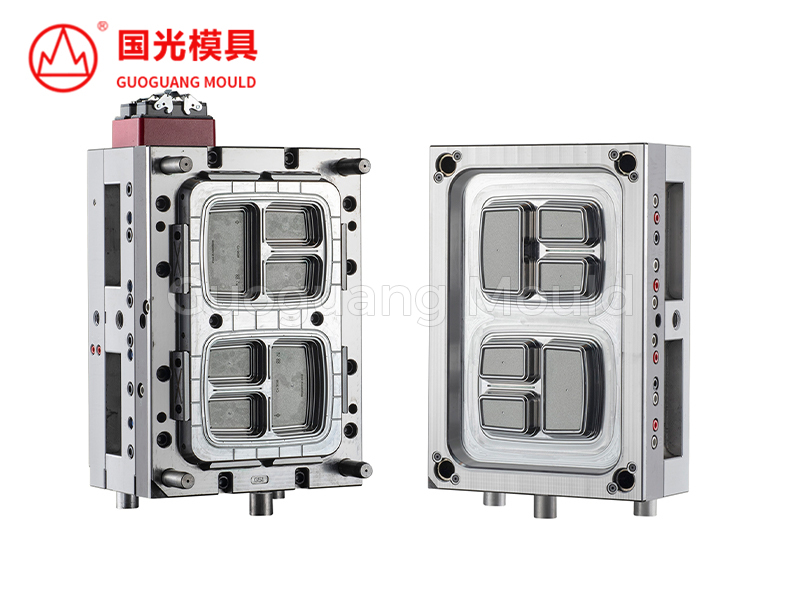
The Restaurant Packaged Three-Compartment Lunch Box Mold is designed for producing plastic lunch box...
See Details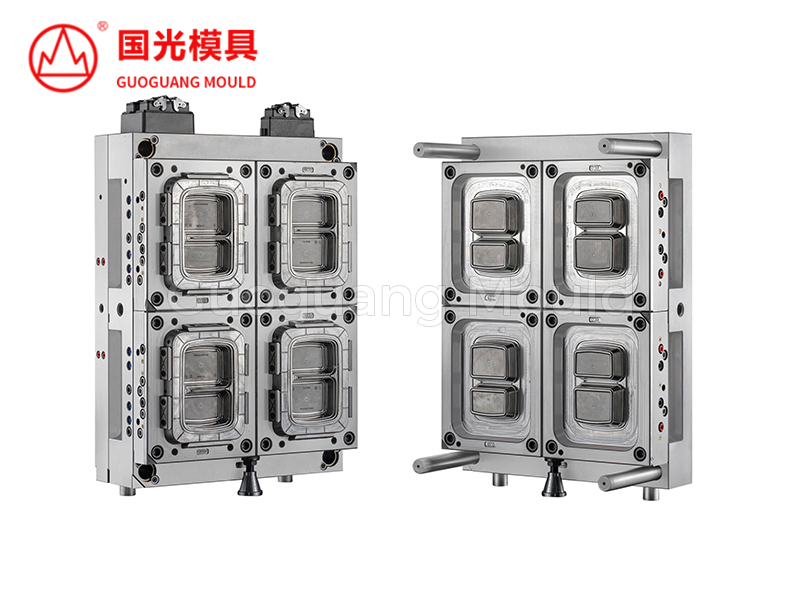
This mould is ideal for high-volume manufacturing, ensuring precise, efficient production of lunch ...
See Details
Guoguang are specialized in thin wall high-speed moulds, almost all cutlery moulds can be customized by us.
Copyright © Zhejiang Taizhou Guoguang Mould Plastic Co., Ltd. All Rights Reserved.
Thin Wall Mold Manufacturer
