 English
 中文简体
中文简体 Español
 عربى
عربى


Guoguang are specialized in thin wall high-speed moulds, almost all cutlery moulds can be customized by us.
Injection plastic round cap molds are specifically designed to manufacture round plastic caps with h...
See Details

China plastic mould for food packaging supports the creation of containers, trays, and lids used in the packaging industry. Manufacturers in China produce these moulds through established processes that emphasize precision and consistency in output. The moulds enable the formation of plastic components that meet general industry requirements for food-related packaging production.
Factories manufacturing China plastic mould for food packaging follow structured steps from design to final assembly. Engineers start with detailed specifications for cavity layouts and cooling channels. Injection moulding machines shape the mould base using high-grade steel materials that withstand repeated cycles.
CNC machining centers cut precise contours for the product shapes, while EDM processes create fine details and textures on the mould surfaces. Assembly teams integrate ejector systems and runner designs to facilitate smooth part release. Quality checks at each stage verify dimensions and alignment, allowing for steady production of multiple mould sets in facility operations.
China plastic mould for food packaging incorporates advanced technical elements that support efficient manufacturing. Hot runner systems distribute molten plastic evenly across cavities, reducing material waste and cycle times. Temperature control units maintain uniform heating and cooling throughout the mould structure.
Surface treatments on the mould cavities improve release properties and part clarity. Interchangeable inserts allow adjustments for different container sizes within the same mould base. These features contribute to reliable performance during high-volume injection moulding runs in production environments.
Mould makers select steel alloys known for hardness and thermal conductivity when building China plastic mould for food packaging. The materials resist wear from repeated contact with food-grade plastics such as PP and PET. Design software helps create balanced flow paths that minimize defects in the formed parts.
Mould designs include venting systems to release air during filling, which supports clean surface finishes on packaging items. Multi-cavity configurations increase output per cycle, while modular components simplify repairs or modifications. This approach aligns with the demands of continuous manufacturing lines.
In usage, China plastic mould for food packaging operates within injection moulding setups to produce items like cups, bowls, and sealing lids. The moulds accept food-safe resins that form containers with consistent wall thickness and dimensional accuracy. Production teams adjust parameters such as injection pressure and cooling duration to match resin types.
The moulds support both thin-wall and rigid packaging formats used in automated filling lines. Quick-change mechanisms allow shifts between product variants with minimal downtime. This flexibility helps manufacturers respond to varying order specifications in the packaging sector.
Large facilities in China handle the full scope of China plastic mould for food packaging production, from initial prototyping to mass output. Workflow systems coordinate design, machining, and testing departments to maintain schedules. Automated inspection tools measure critical dimensions on sample parts produced from the moulds.
Integration with downstream packaging assembly equipment ensures compatibility in full production chains. Factories manage multiple mould projects simultaneously, allocating resources based on complexity and volume requirements. Technical teams monitor performance data to support ongoing manufacturing efficiency.
China plastic mould for food packaging continues to play a role in the supply of tools for the plastics industry. The combination of production methods, technical features, and operational usage supports the creation of packaging components at scale. Manufacturers focus on these aspects to deliver moulds that integrate into existing production systems and contribute to steady output of food packaging materials.
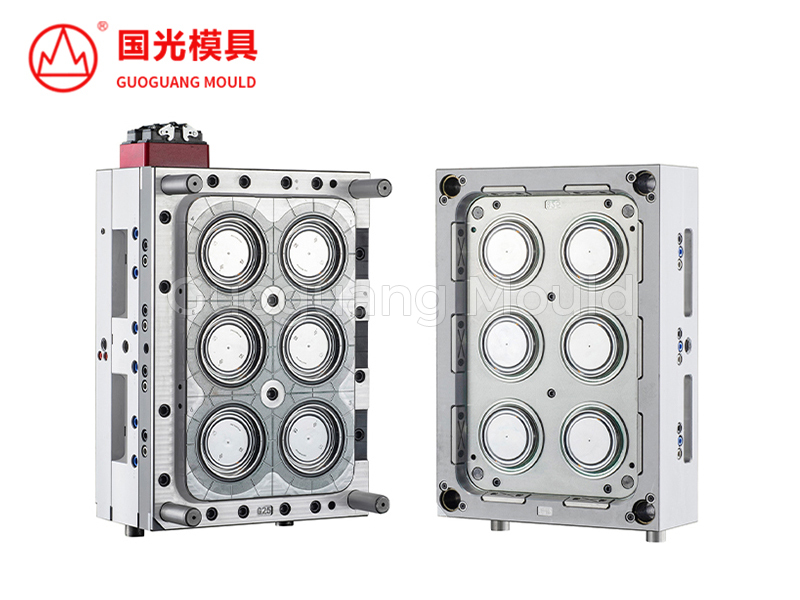
Injection plastic round cap molds are specifically designed to manufacture round plastic caps with h...
See Details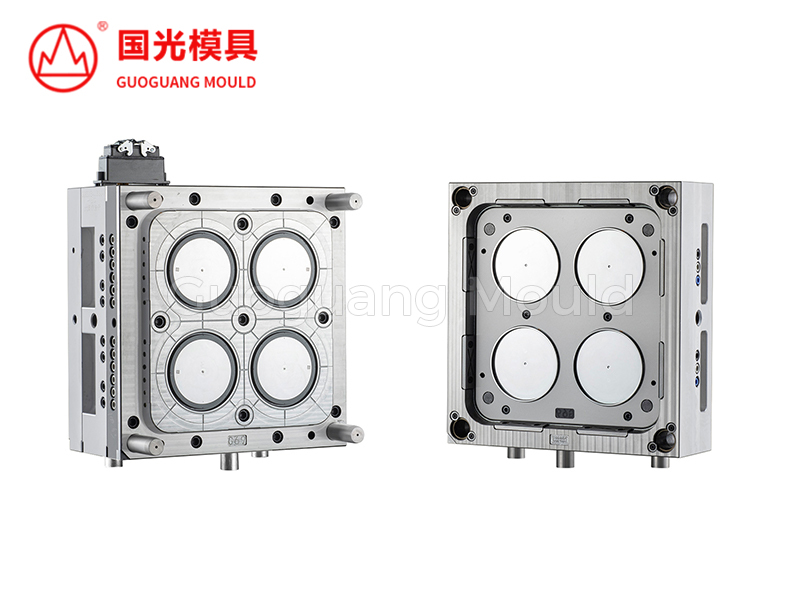
Injection plastic round bowl moulds are designed to create high-quality, durable plastic round bowls...
See Details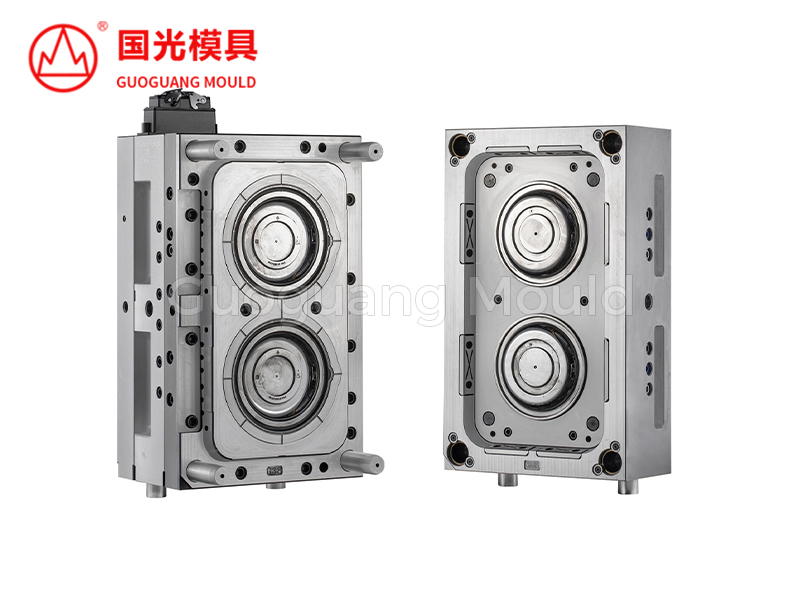
The Thin Wall American Style Large Round Cover Mould is a specialised tool designed for the producti...
See Details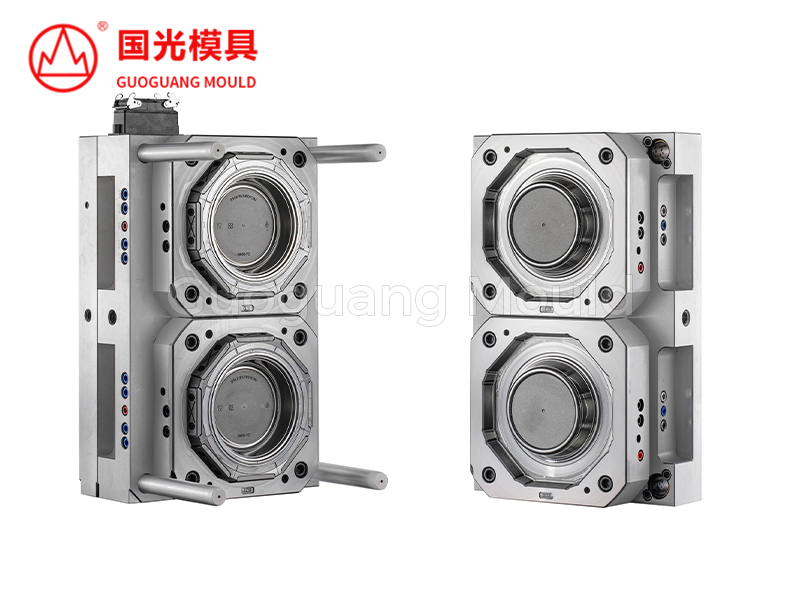
The Injection Plastic American Style Large Round Bowl Mold is an advanced tool designed specifically...
See Details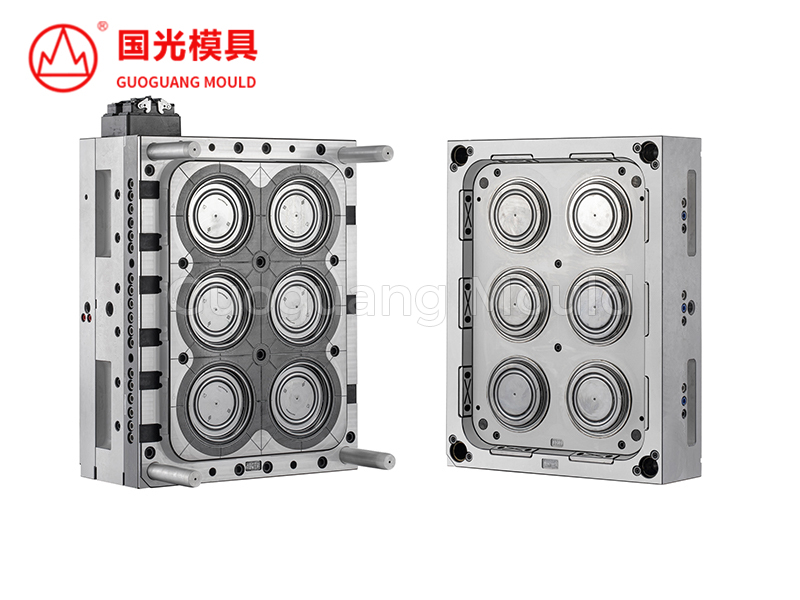
The Thin Wall American Medium Round Cap Mould is a highly efficient tool designed for the production...
See Details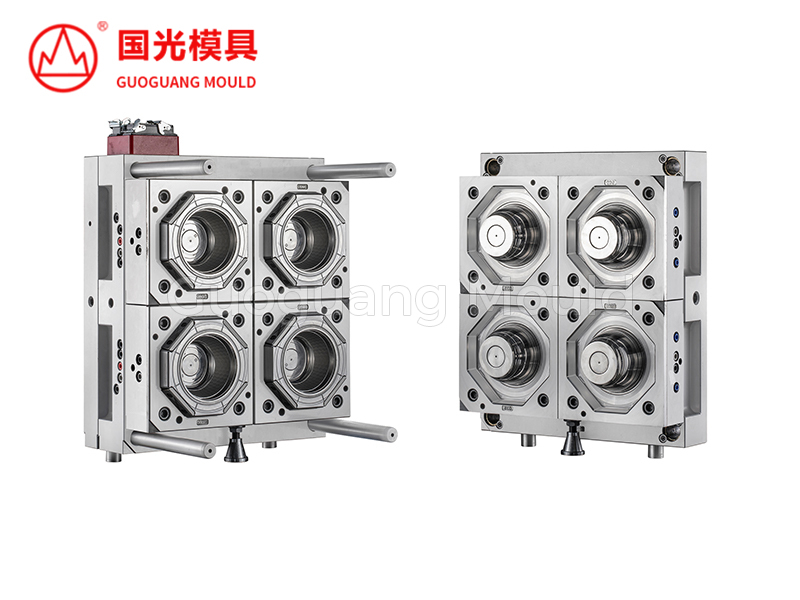
The Thin Wall Medium Size American Bowl Mould is designed for efficient production of medium-sized b...
See Details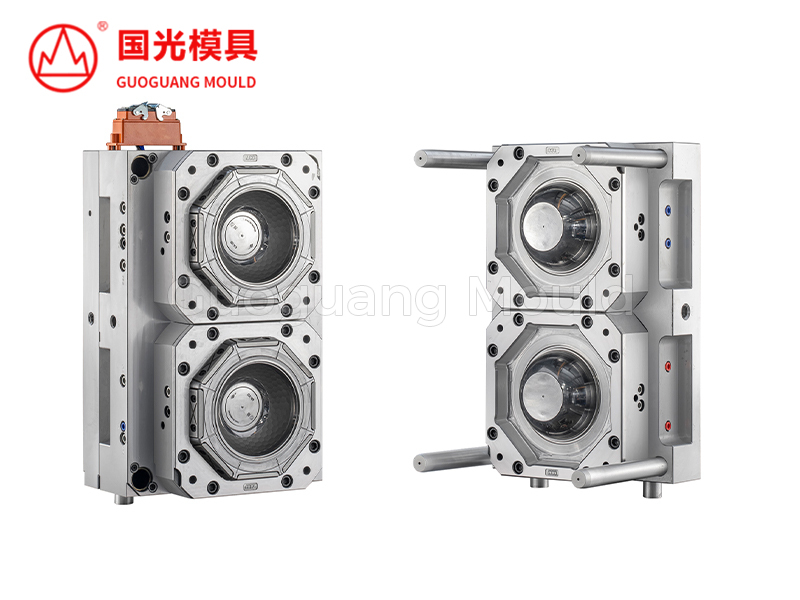
The Injection Plastic Large Round Bowl Mould is a specialized tool designed to produce large round p...
See Details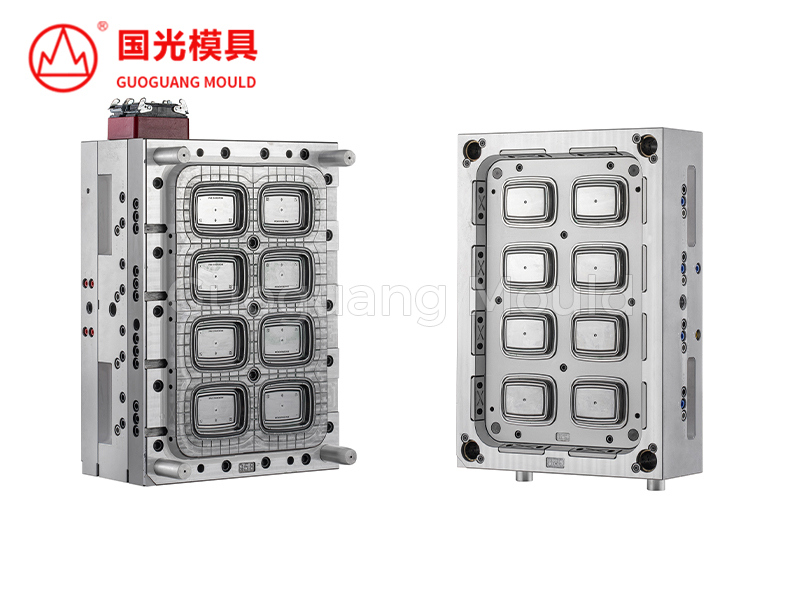
The Thin Wall American Style Small Square Cover Mold is designed for the production of small, square...
See Details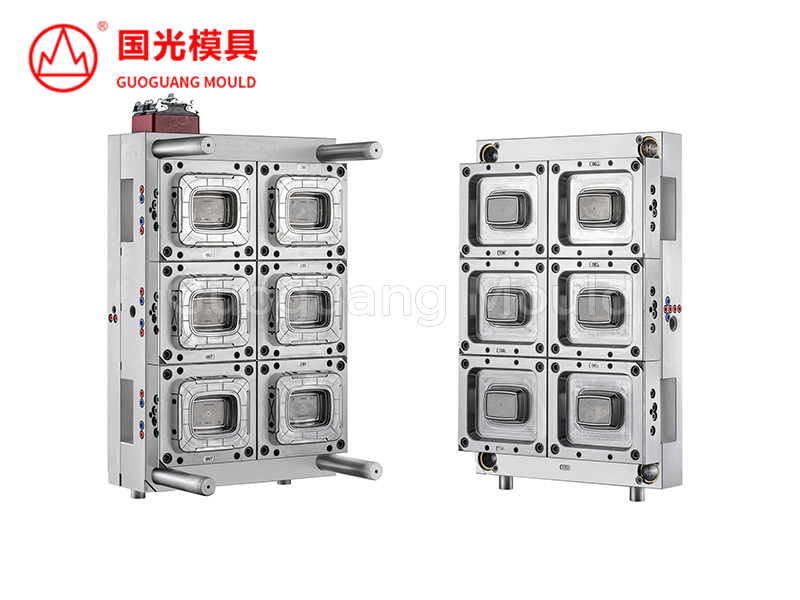
The Plastic Mould for Packaged Food Square Cover is an essential tool for creating square plastic co...
See Details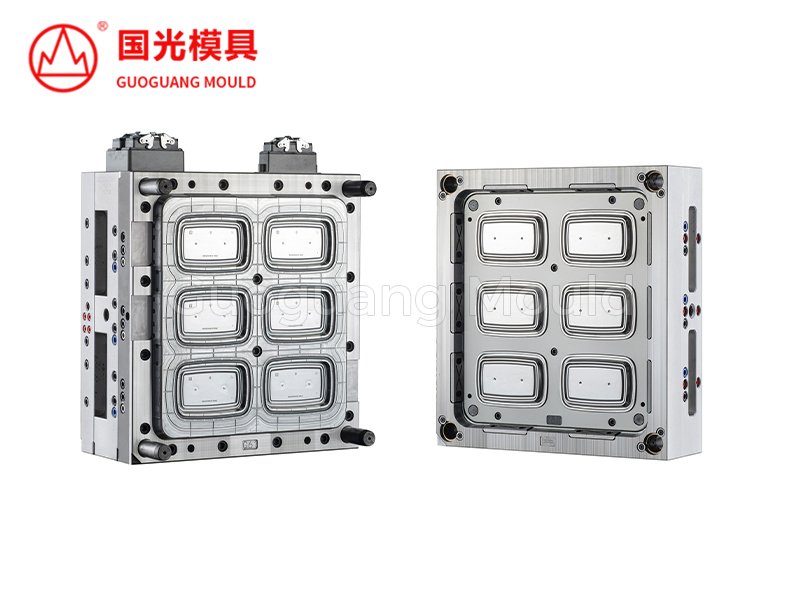
The Thin Wall Square Box Mould is designed for the production of small, square boxes, ensuring effic...
See Details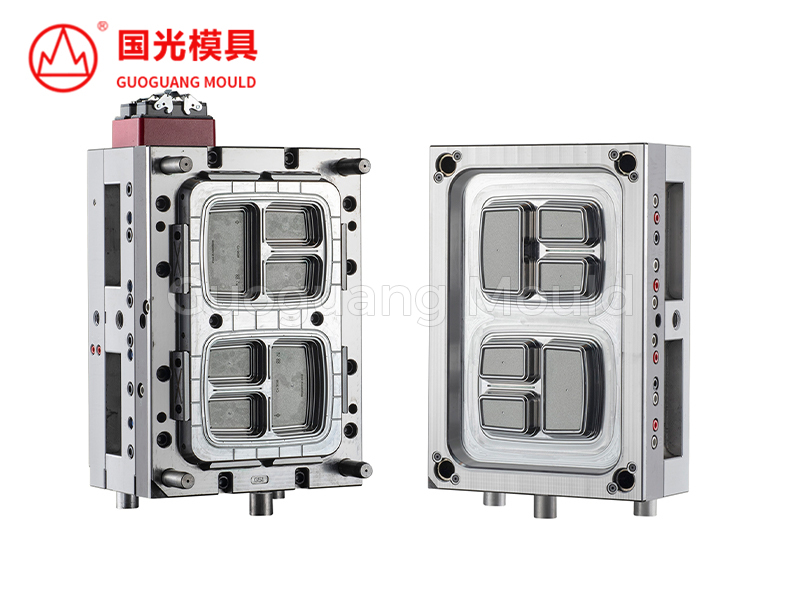
The Restaurant Packaged Three-Compartment Lunch Box Mold is designed for producing plastic lunch box...
See Details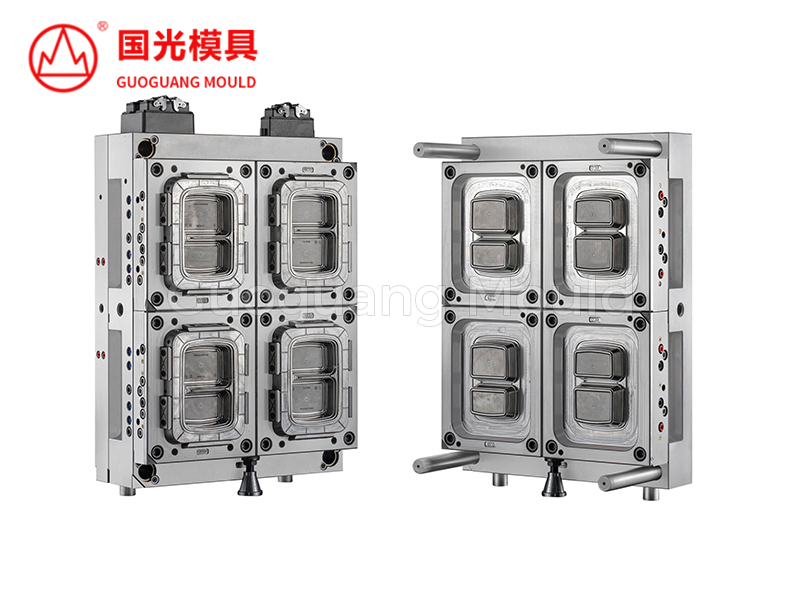
This mould is ideal for high-volume manufacturing, ensuring precise, efficient production of lunch ...
See Details
Guoguang are specialized in thin wall high-speed moulds, almost all cutlery moulds can be customized by us.
Copyright © Zhejiang Taizhou Guoguang Mould Plastic Co., Ltd. All Rights Reserved.
Thin Wall Mold Manufacturer
