 English
 中文简体
 Español
 عربى


Guoguang are specialized in thin wall high-speed moulds, almost all cutlery moulds can be customized by us.
Injection plastic round cap molds are specifically designed to manufacture round plastic caps with h...
See Details

Packaging producers and plastic processors who manufacture paint containers rely on precise tooling to achieve consistent wall thickness, accurate volume, and reliable sealing surfaces. Plastic Paint Bucket Mould Manufacture supplies the specialized injection moulds that form these containers on high-volume production lines.
Tool steel selection influences both service life and surface quality of the moulded parts. Hardened steels capable of withstanding repeated thermal cycling and abrasive fillers are commonly specified. Surface treatments such as nitriding or hard chrome plating may be applied to critical areas that contact the molten plastic.
A Plastic Paint Bucket Mould Manufacture facility evaluates steel grades according to the expected annual shot count and the type of resin the customer will process. Consistency in steel quality helps maintain cavity surface finish over extended production runs.
CNC milling, electrical discharge machining, and grinding create the detailed cavity and core geometries. Particular attention is given to the lid-seating area, pour spout, and handle bosses so that these functional features form cleanly.
Cooling circuits are drilled or milled to promote uniform heat extraction. Balanced cooling reduces cycle time and limits warpage in the finished buckets. Ejector pin placement and stripper plate design are arranged to release the part without distortion or visible marks on visible surfaces.
Moulds designed for paint buckets often incorporate features that support high-volume output. Hot-runner systems can reduce material waste and improve fill consistency across multiple cavities. Interchangeable inserts allow limited design changes without rebuilding the entire tool.
Handle attachment points and lid threads receive careful attention because these areas experience repeated mechanical stress during filling, transport, and use. Reinforced sections in the mould help form thicker material where strength is required.
Finished moulds from Plastic Paint Bucket Mould Manufacture are installed in facilities that produce containers for architectural coatings, industrial paints, and related liquid products. The resulting buckets must stack securely, accept standard lids, and withstand handling on automated filling lines.
Consistent wall thickness and accurate volume markings support reliable filling operations. Smooth internal surfaces facilitate complete emptying and cleaning between batches when the buckets are reused within industrial settings.
Material preparation, CNC programming, machining, polishing, assembly, and trial testing follow a sequential path. Each stage includes inspection checkpoints that verify critical dimensions and surface conditions.
Plastic Paint Bucket Mould Manufacture relies on coordinated scheduling so that multi-cavity tools progress through the shop without unnecessary delays. Finished moulds are cleaned, protected, and prepared for shipment according to the customer’s packaging requirements.
Repeat orders for similar bucket sizes benefit from standardized design libraries and proven cooling layouts. Experience gained on earlier projects informs the detailing of subsequent tools, helping maintain predictable performance.
Dimensional reports and material certificates accompany each completed mould, giving the buyer clear records of the tool’s construction parameters.
Across design, steel preparation, machining, assembly, and validation stages, Plastic Paint Bucket Mould Manufacture delivers injection tools suited to the specific demands of paint container production. The focus on accurate cavity geometry, balanced cooling, and reliable ejection supports consistent output of plastic paint buckets on industrial lines.
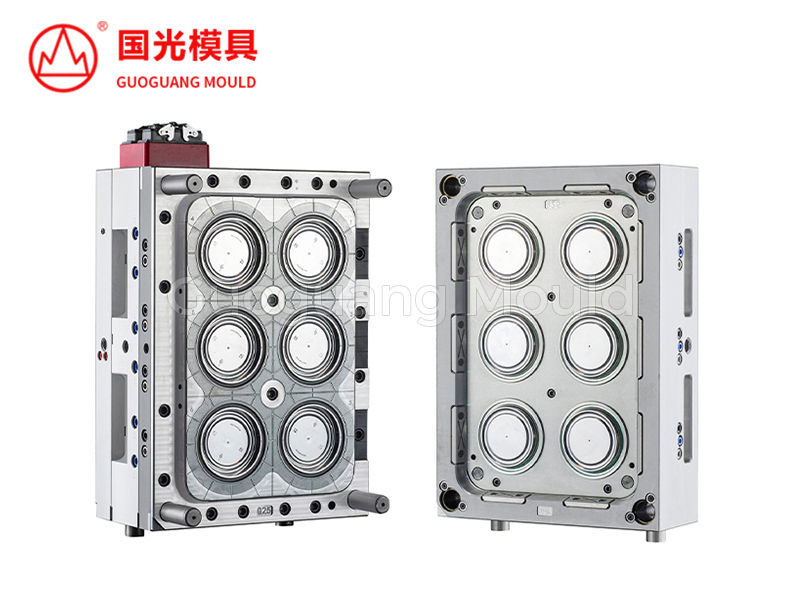
Injection plastic round cap molds are specifically designed to manufacture round plastic caps with h...
See Details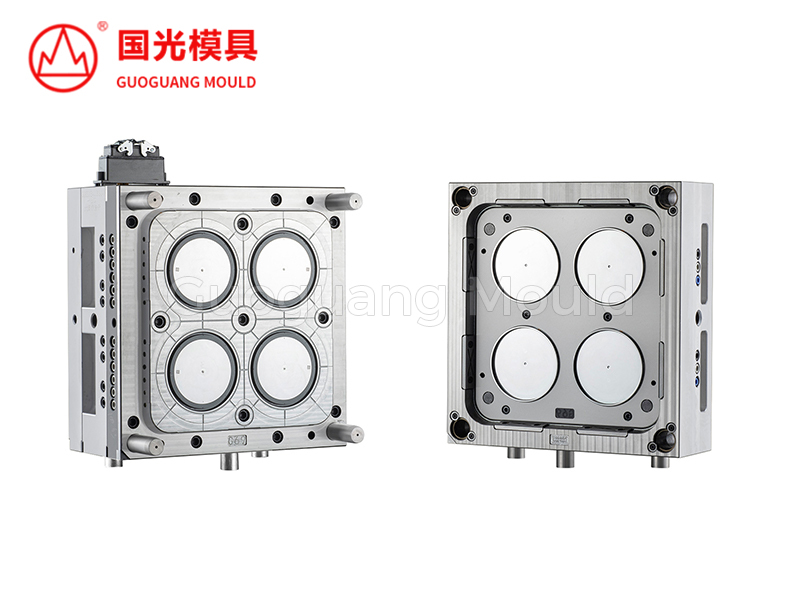
Injection plastic round bowl moulds are designed to create high-quality, durable plastic round bowls...
See Details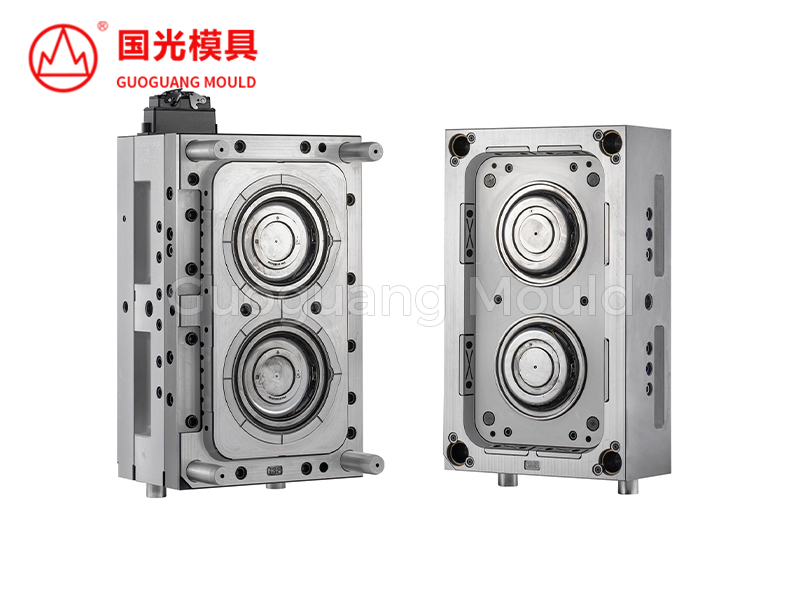
The Thin Wall American Style Large Round Cover Mould is a specialised tool designed for the producti...
See Details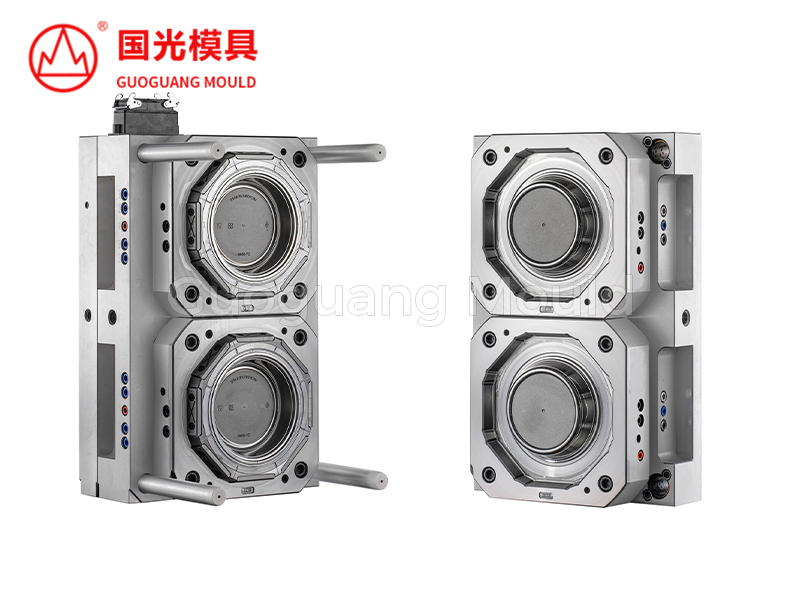
The Injection Plastic American Style Large Round Bowl Mold is an advanced tool designed specifically...
See Details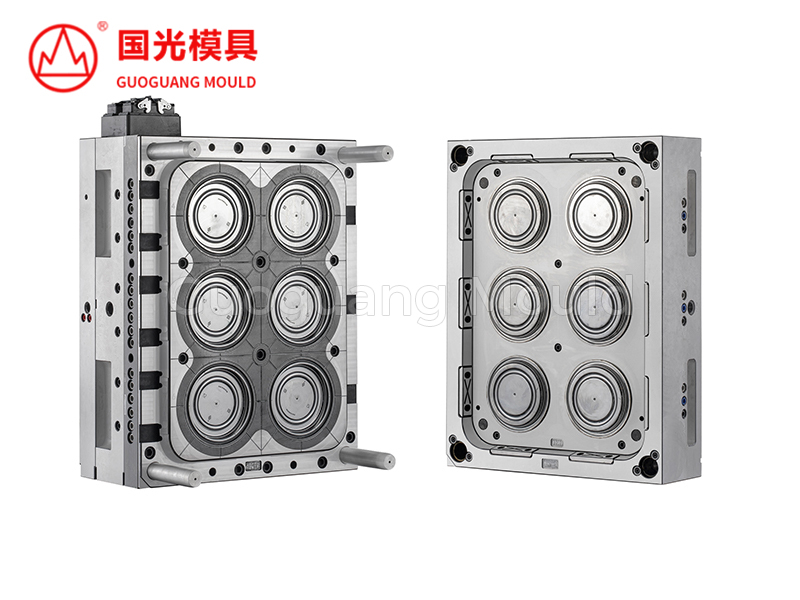
The Thin Wall American Medium Round Cap Mould is a highly efficient tool designed for the production...
See Details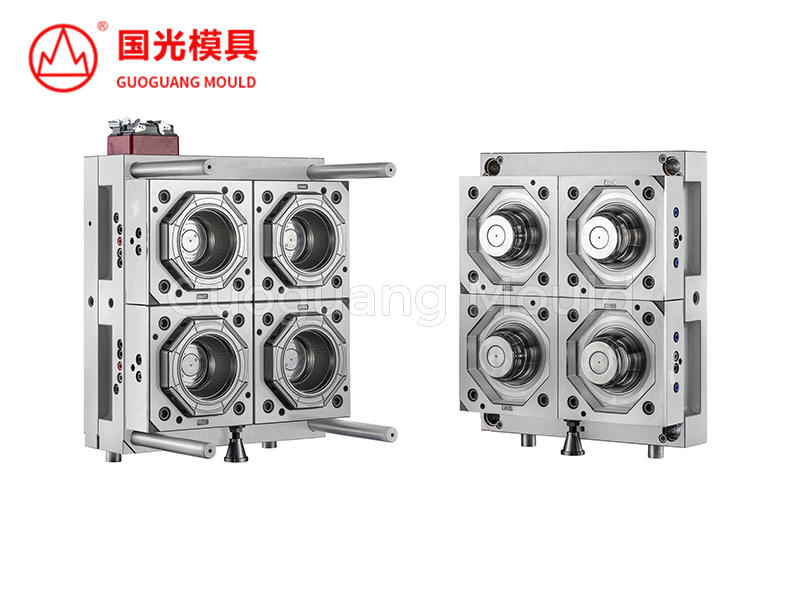
The Thin Wall Medium Size American Bowl Mould is designed for efficient production of medium-sized b...
See Details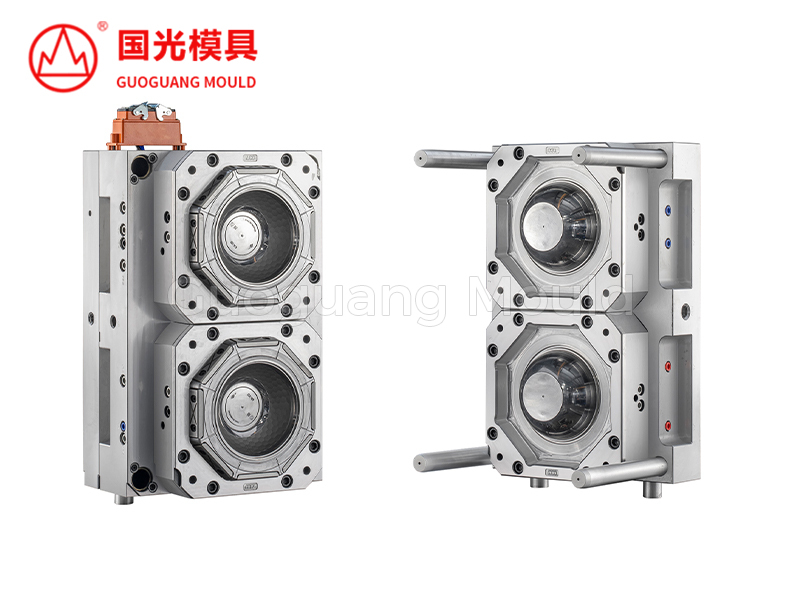
The Injection Plastic Large Round Bowl Mould is a specialized tool designed to produce large round p...
See Details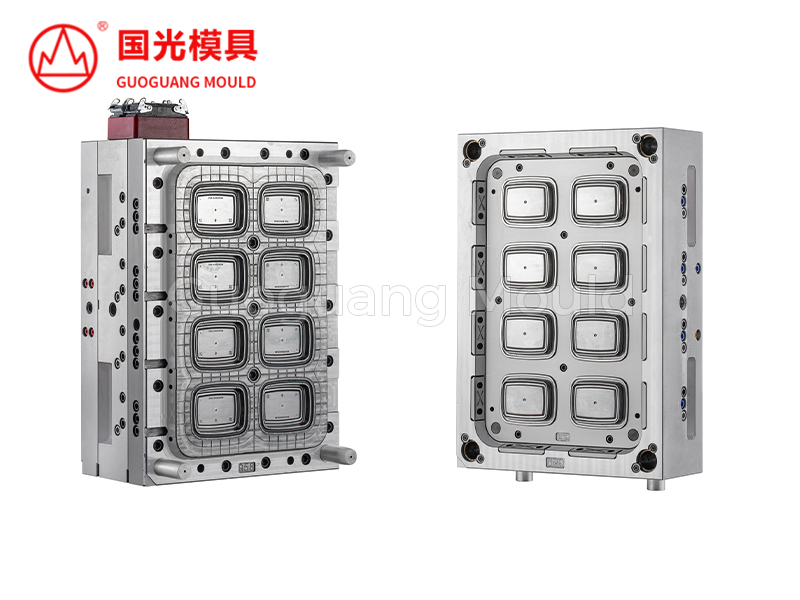
The Thin Wall American Style Small Square Cover Mold is designed for the production of small, square...
See Details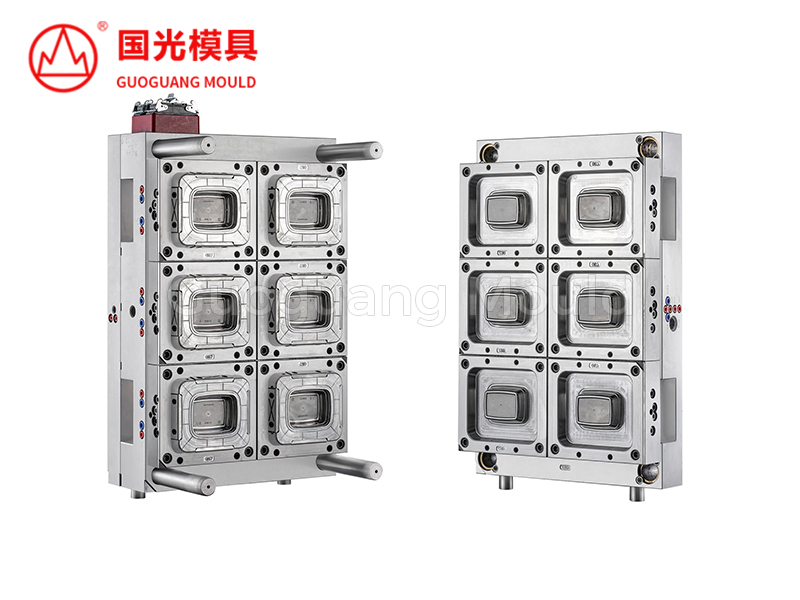
The Plastic Mould for Packaged Food Square Cover is an essential tool for creating square plastic co...
See Details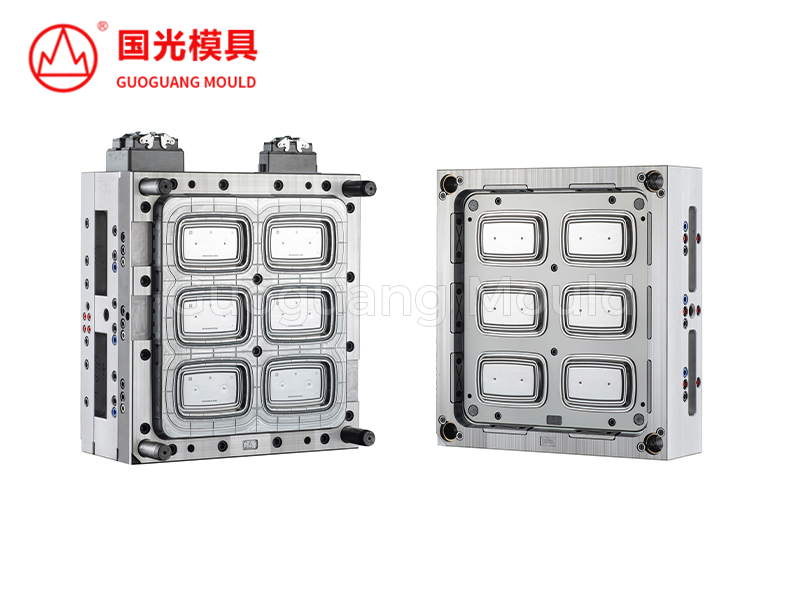
The Thin Wall Square Box Mould is designed for the production of small, square boxes, ensuring effic...
See Details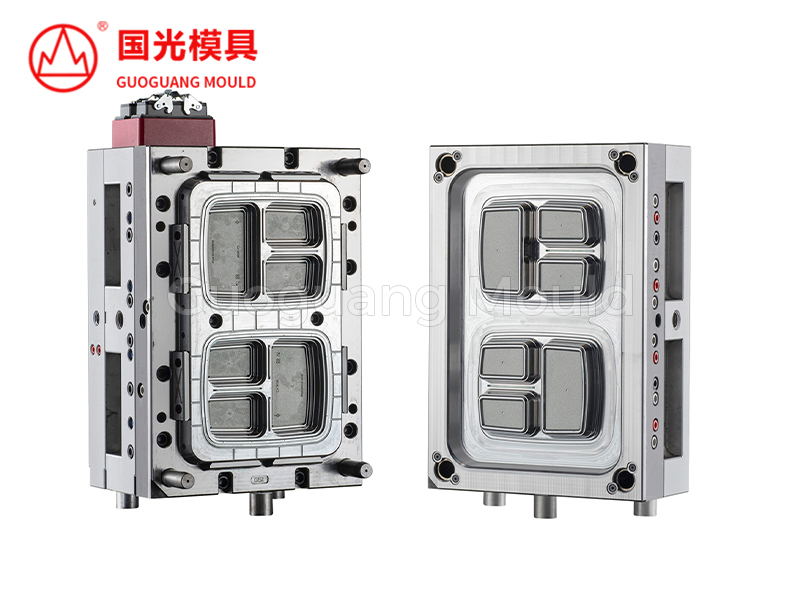
The Restaurant Packaged Three-Compartment Lunch Box Mold is designed for producing plastic lunch box...
See Details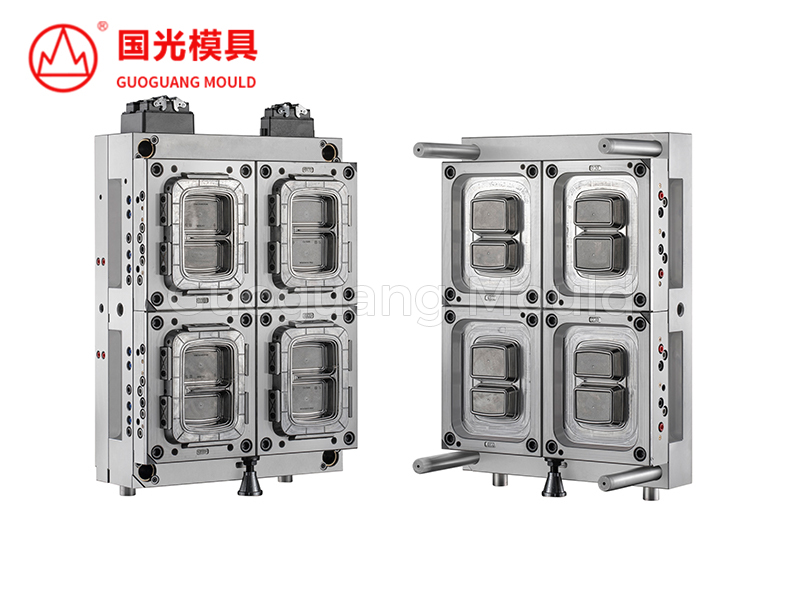
This mould is ideal for high-volume manufacturing, ensuring precise, efficient production of lunch ...
See Details
Guoguang are specialized in thin wall high-speed moulds, almost all cutlery moulds can be customized by us.
Copyright © Zhejiang Taizhou Guoguang Mould Plastic Co., Ltd. All Rights Reserved.
Thin Wall Mold Manufacturer
