 English
 中文简体
 Español
 عربى


Guoguang are specialized in thin wall high-speed moulds, almost all cutlery moulds can be customized by us.
Injection plastic round cap molds are specifically designed to manufacture round plastic caps with h...
See Details

Thin-wall plastic products are widely used in food packaging, household containers, electronic components, and industrial packaging. These products use relatively thin plastic walls to achieve a lightweight structure while retaining the shape and strength required for their intended applications. Producing them consistently requires close coordination between mold design, material selection, injection parameters, and production equipment.
A Thin Wall Mold Maker plays an important role in this process. The work involves more than creating a cavity with a small wall thickness. Mold designers must consider how molten plastic flows through narrow spaces, how the cavity fills, and how the finished part can be released without deformation.
When wall thickness decreases, the available filling time becomes shorter. Small differences in gate position, runner layout, or cooling conditions can affect the final product. These factors make mold engineering an important part of thin-wall injection molding.
Plastic must travel through the mold cavity before it cools and solidifies. In thin-wall applications, resistance to flow increases as the available space becomes smaller. If the cavity does not fill as intended, the molded part may show short shots, uneven surfaces, or incomplete details.
A Thin Wall Mold Maker evaluates the geometry of the product before determining the mold structure. Gate location, runner dimensions, venting, and cavity layout all influence the movement of molten material.
Several design considerations deserve attention:
These details are particularly relevant to containers, lids, cups, and other packaging components produced in repeated cycles.
Cooling has a direct influence on injection molding cycle time. After the cavity fills, the plastic needs to solidify sufficiently before the part can be ejected. In thin-wall molding, the short cooling path may support rapid solidification, but the cooling system still needs to manage temperature distribution throughout the mold.
Uneven cooling can contribute to warpage, dimensional variation, or difficulties during ejection. Cooling channel placement should therefore reflect the shape of the cavity and the thermal behavior of the molded material.
For a Thin Wall Mold Maker, the challenge is to balance cooling performance with the available mold space. Complex product shapes may require different cooling arrangements around corners, ribs, gates, and other structural features.
Mold flow analysis and cooling simulations can help engineers examine filling behavior and temperature distribution before manufacturing begins. These tools provide useful information for reviewing design decisions and identifying potential production issues.
Before a new project enters mold development, manufacturers should provide clear product drawings, material information, target output requirements, and details about the intended molding machine.
A Thin Wall Mold Maker can then assess the relationship between product geometry, cavity design, cooling arrangements, and production conditions. Early technical discussions also help clarify whether design changes are needed to improve filling behavior or simplify mold construction.
For packaging manufacturers, the value of thin-wall mold engineering lies in connecting product requirements with repeatable production. Careful attention to flow paths, cavity balance, cooling, and ejection gives manufacturers a clearer basis for developing thin plastic components that meet their functional and dimensional requirements.
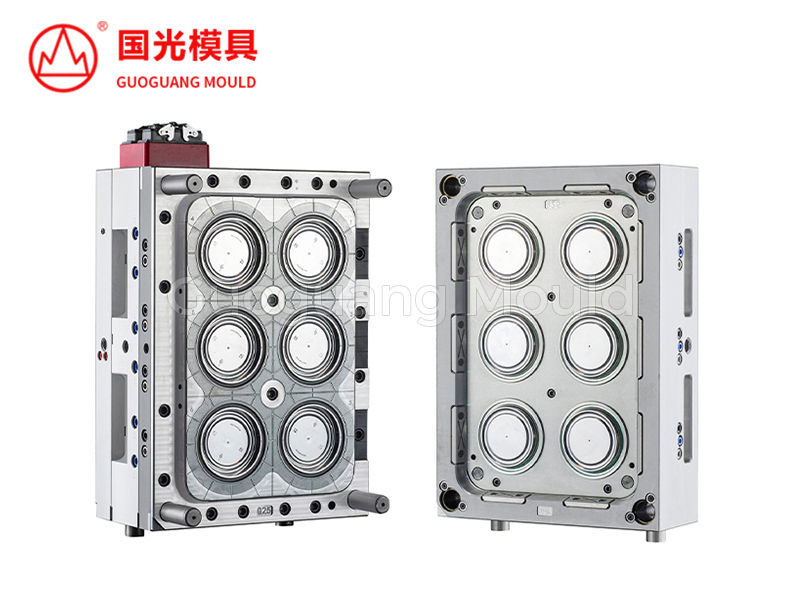
Injection plastic round cap molds are specifically designed to manufacture round plastic caps with h...
See Details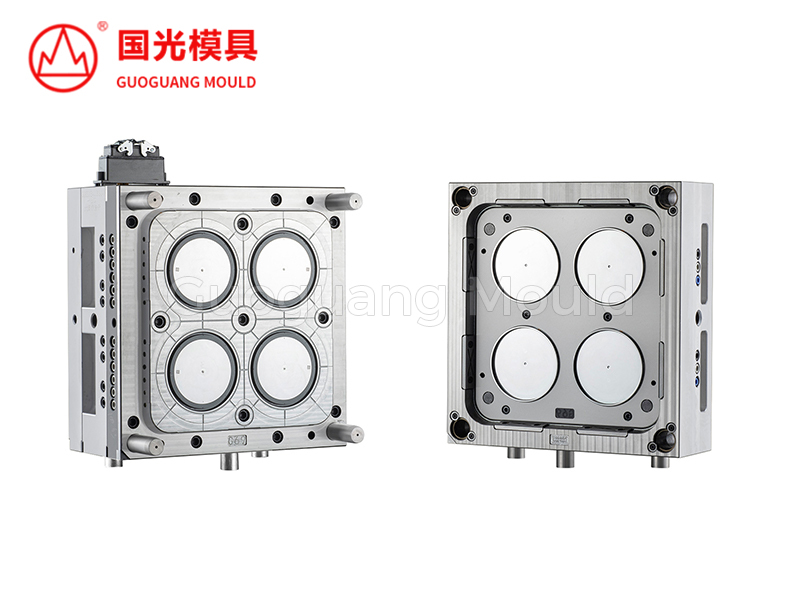
Injection plastic round bowl moulds are designed to create high-quality, durable plastic round bowls...
See Details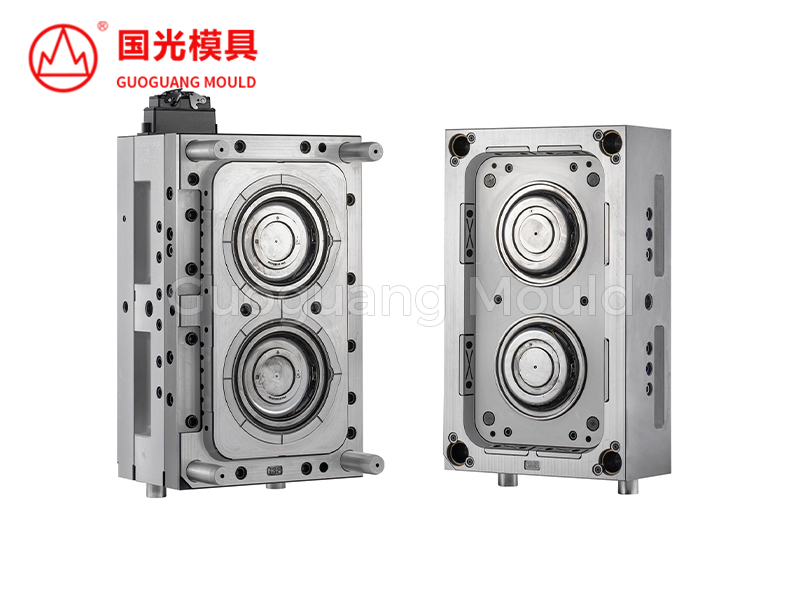
The Thin Wall American Style Large Round Cover Mould is a specialised tool designed for the producti...
See Details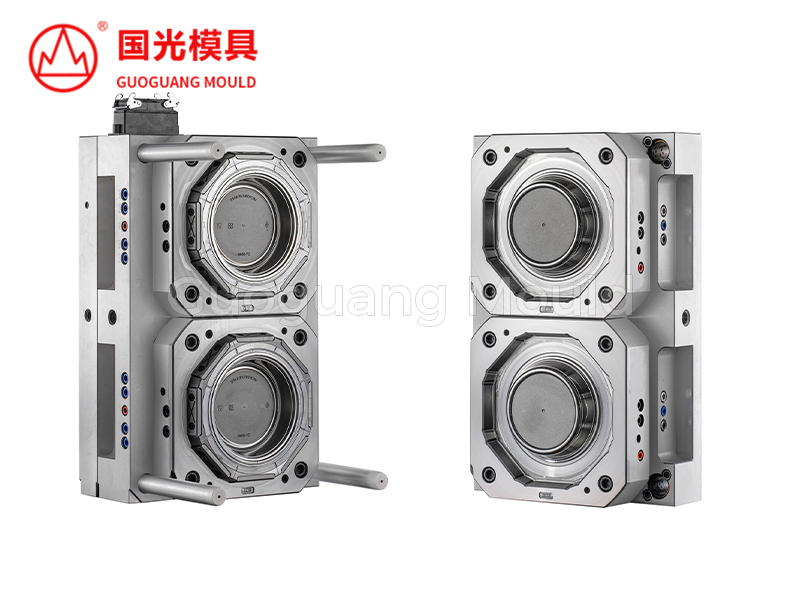
The Injection Plastic American Style Large Round Bowl Mold is an advanced tool designed specifically...
See Details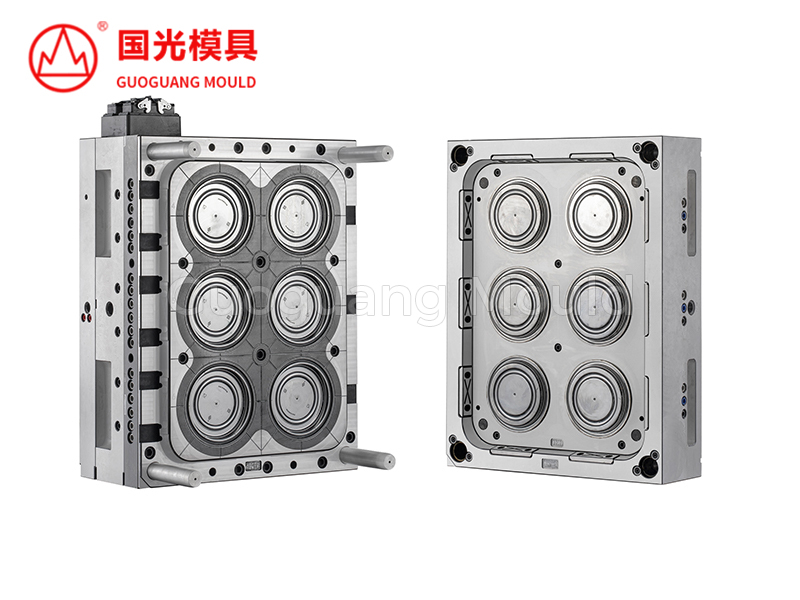
The Thin Wall American Medium Round Cap Mould is a highly efficient tool designed for the production...
See Details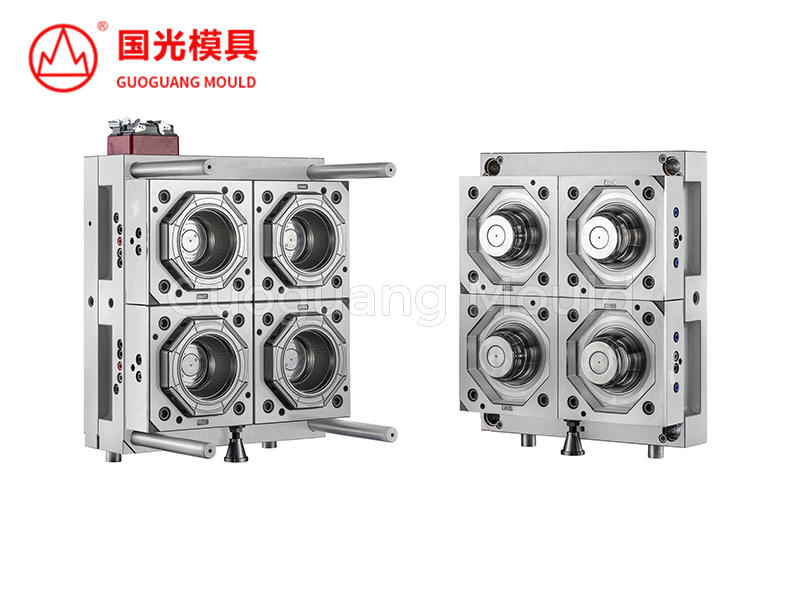
The Thin Wall Medium Size American Bowl Mould is designed for efficient production of medium-sized b...
See Details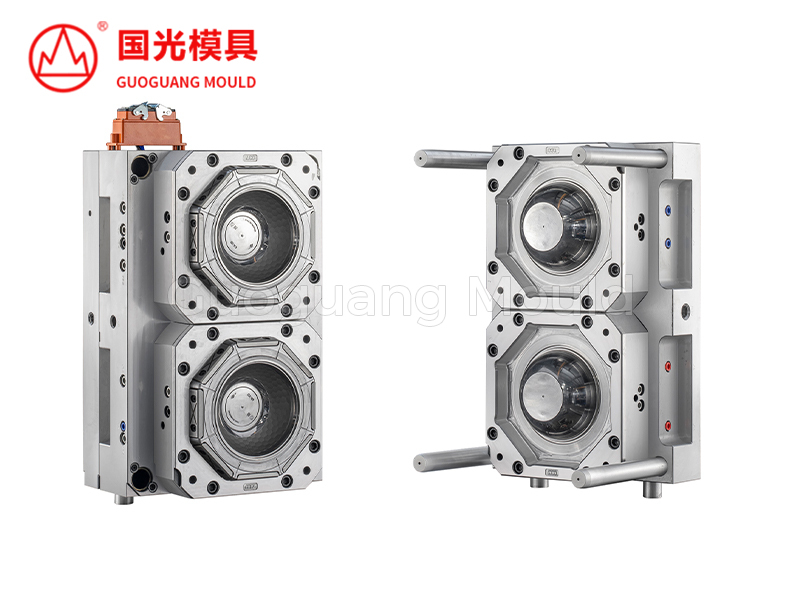
The Injection Plastic Large Round Bowl Mould is a specialized tool designed to produce large round p...
See Details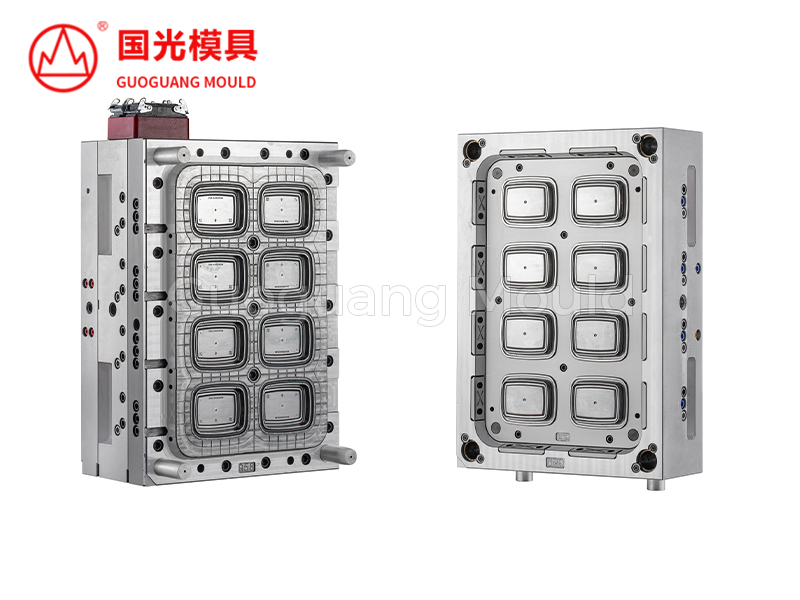
The Thin Wall American Style Small Square Cover Mold is designed for the production of small, square...
See Details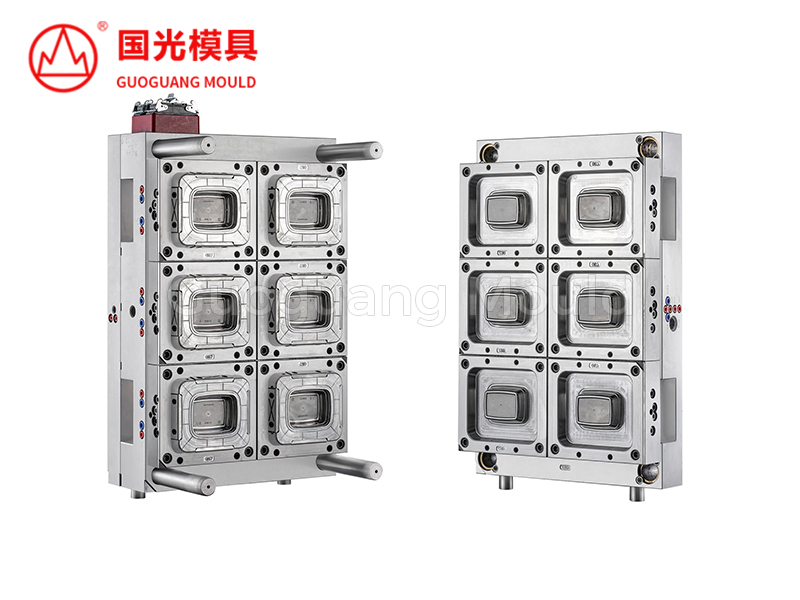
The Plastic Mould for Packaged Food Square Cover is an essential tool for creating square plastic co...
See Details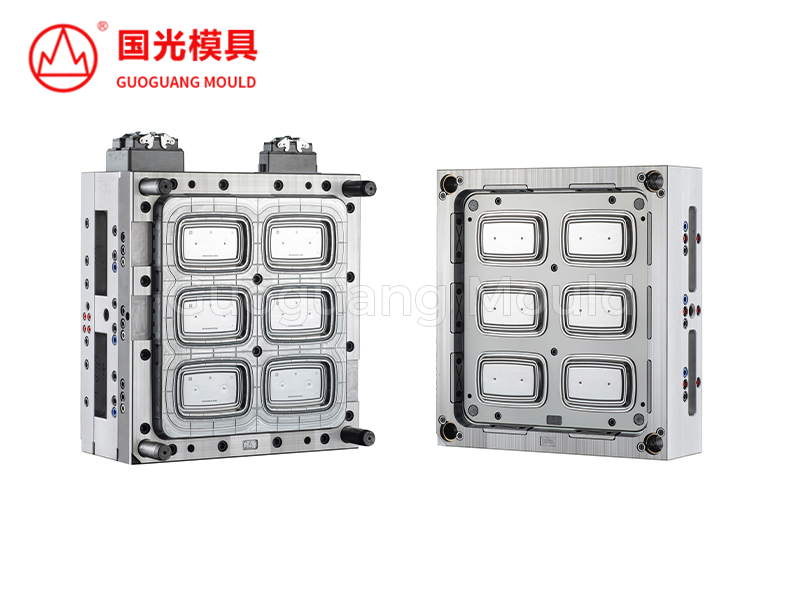
The Thin Wall Square Box Mould is designed for the production of small, square boxes, ensuring effic...
See Details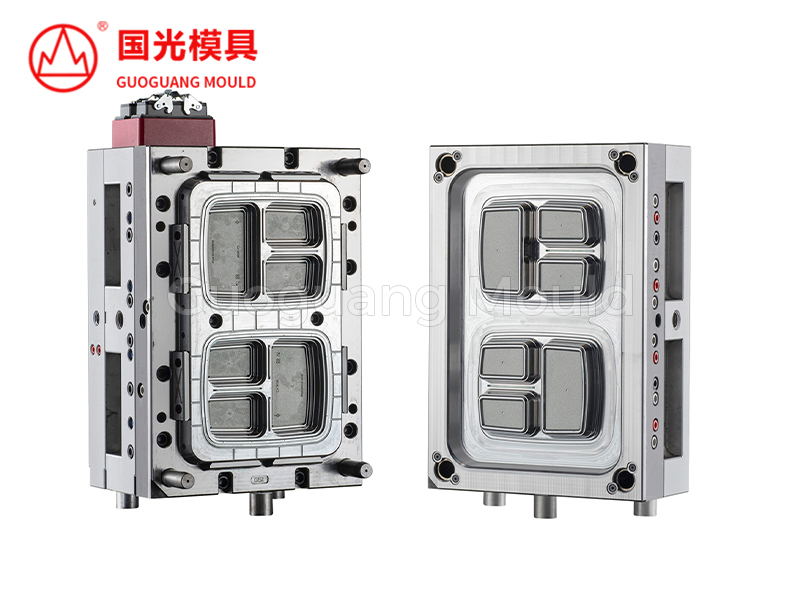
The Restaurant Packaged Three-Compartment Lunch Box Mold is designed for producing plastic lunch box...
See Details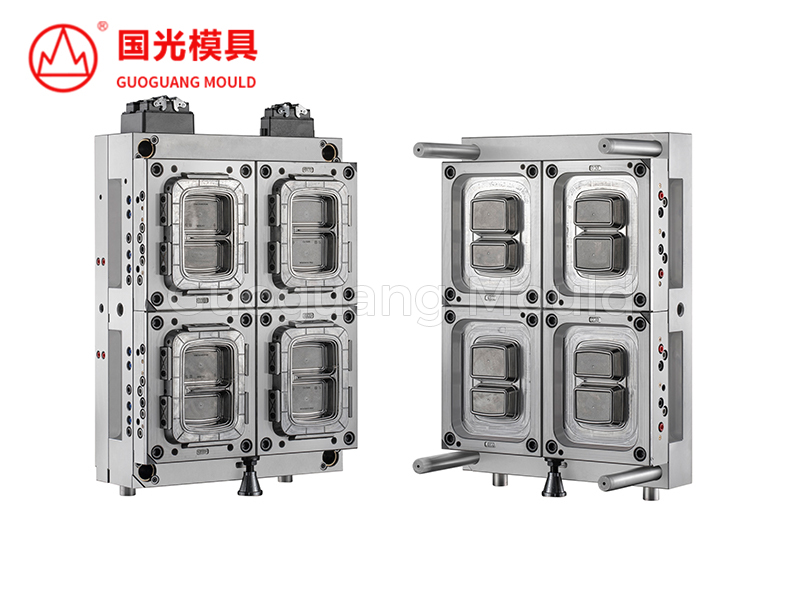
This mould is ideal for high-volume manufacturing, ensuring precise, efficient production of lunch ...
See Details
Guoguang are specialized in thin wall high-speed moulds, almost all cutlery moulds can be customized by us.
Copyright © Zhejiang Taizhou Guoguang Mould Plastic Co., Ltd. All Rights Reserved.
Thin Wall Mold Manufacturer
