 English
 中文简体
中文简体 Español
 عربى
عربى


Guoguang are specialized in thin wall high-speed moulds, almost all cutlery moulds can be customized by us.
Injection plastic round cap molds are specifically designed to manufacture round plastic caps with h...
See Details

Thin-wall plastic lunch boxes are widely used in takeaway food packaging, meal preparation services, catering supply, and food container distribution. For manufacturers producing these containers in large batches, mold design affects production speed, dimensional consistency, and the appearance of finished products.
A High Efficiency Cooling Thin Wall Lunch Box Mold is designed around the cooling requirements of thin plastic parts. Since the walls have limited thickness, heat needs to be removed in a controlled and consistent manner before the molded container can be ejected. Cooling performance can influence cycle time, part deformation, and production stability.
For packaging manufacturers and mold procurement teams, evaluating cooling channels alongside cavity design, material flow, and ejection structure helps determine whether a mold matches the intended production requirements.
During injection molding, molten plastic enters the mold cavity and transfers heat to the mold steel. The plastic must cool sufficiently to maintain its shape before the mold opens and the part is released.
In a High Efficiency Cooling Thin Wall Lunch Box Mold, the layout of cooling channels influences how evenly heat moves away from the cavity. Channel position, spacing, diameter, and water flow conditions can all affect heat transfer.
If some areas cool more slowly than others, the container may develop uneven shrinkage or deformation. A carefully planned cooling layout helps manage temperature differences across the bottom, sidewalls, corners, and rim.
Cooling time is also connected to the resin type, wall thickness, mold temperature, and processing conditions. This means that shortening the cycle requires more than increasing coolant flow. The entire molding process needs to be considered when setting production targets.
Mold steel and machining accuracy influence how the mold performs during repeated production cycles. The cavity and core must maintain the geometry required by the finished container, while the mold structure must accommodate clamping forces and the intended operating conditions.
For a High Efficiency Cooling Thin Wall Lunch Box Mold, the cooling layout must be coordinated with the steel structure. Cooling channels need to be positioned without compromising critical cavity areas or the strength of the mold components.
The choice of mold material depends on production volume, plastic resin, mold structure, and manufacturing requirements. Precision machining is also important when forming thin rims, stacking edges, and other features that affect how containers fit together.
Procurement teams should review the proposed mold structure, cavity arrangement, cooling design, and expected production conditions with the mold manufacturer before confirming technical specifications.
A High Efficiency Cooling Thin Wall Lunch Box Mold brings together cooling channel design, cavity geometry, material flow, and ejection structure. Each element contributes to how the mold handles heat, forms the container, and supports repeated production.
For plastic packaging manufacturers, the evaluation process should begin with the intended lunch box design and the production conditions. Clear technical communication helps align the mold structure with the required container dimensions, production cycle, and equipment configuration.
By reviewing these factors together, procurement teams can make more informed tooling decisions and establish a clear technical basis for cooperation with mold suppliers.
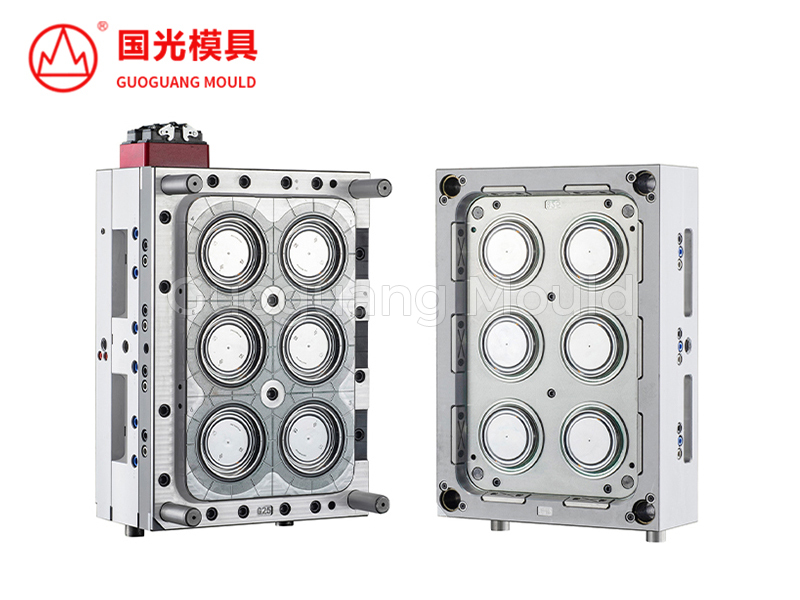
Injection plastic round cap molds are specifically designed to manufacture round plastic caps with h...
See Details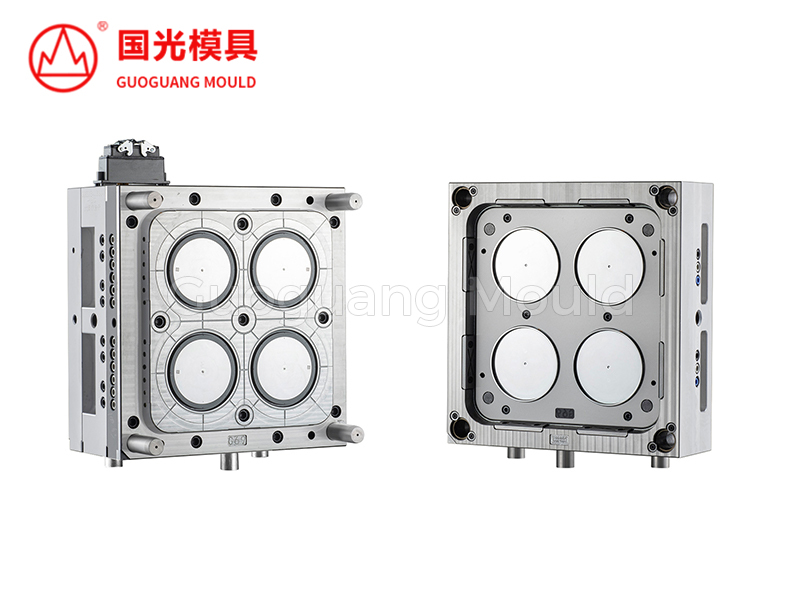
Injection plastic round bowl moulds are designed to create high-quality, durable plastic round bowls...
See Details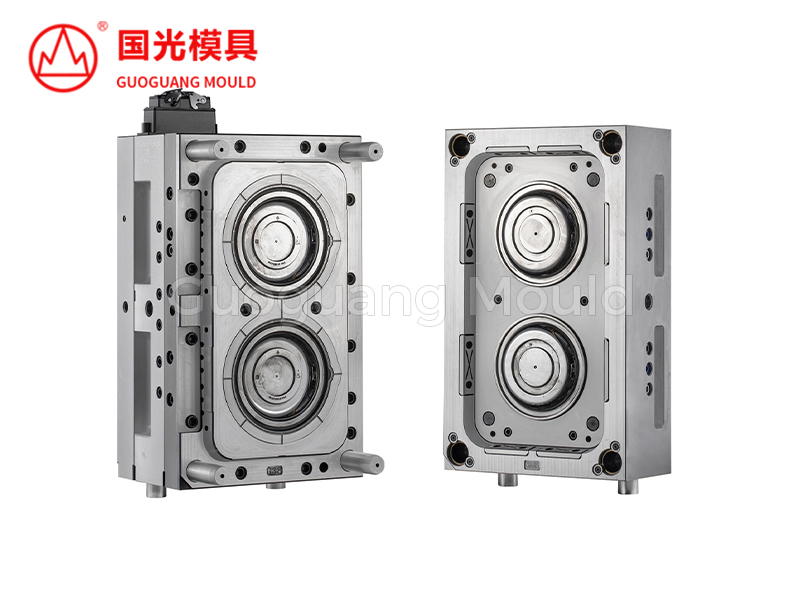
The Thin Wall American Style Large Round Cover Mould is a specialised tool designed for the producti...
See Details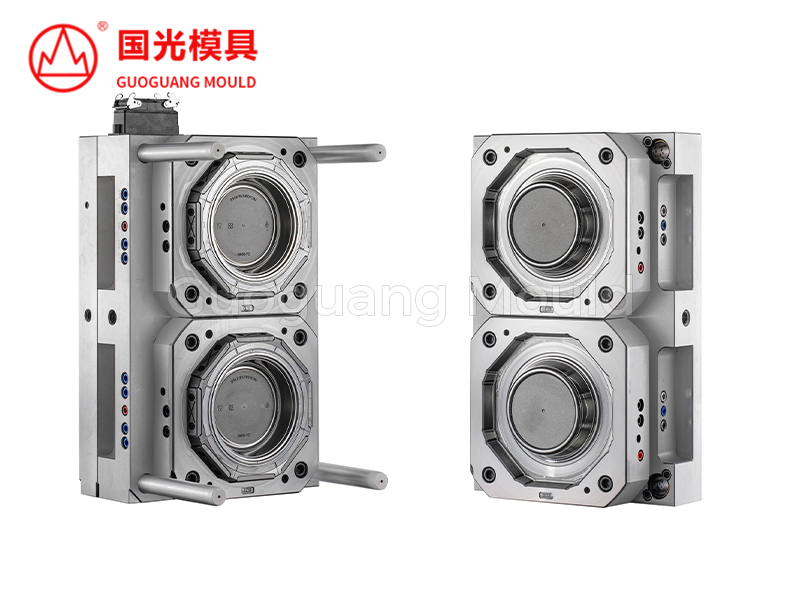
The Injection Plastic American Style Large Round Bowl Mold is an advanced tool designed specifically...
See Details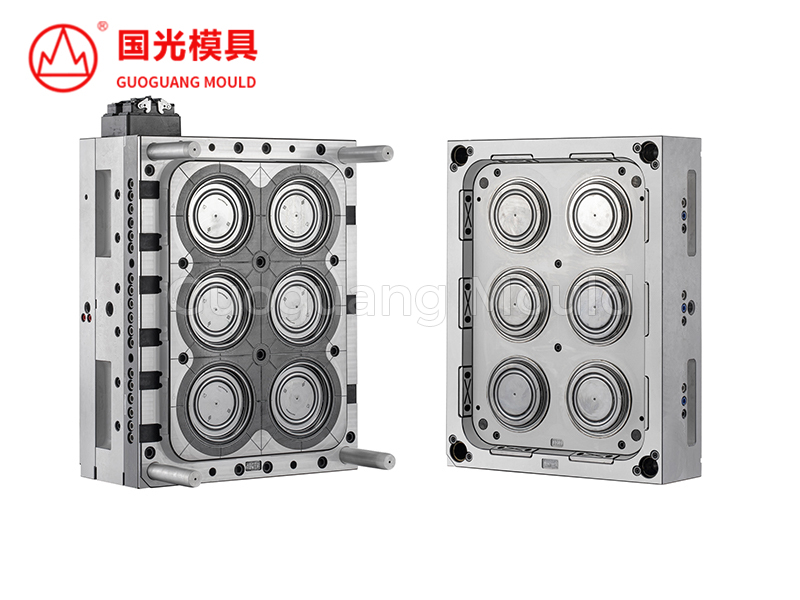
The Thin Wall American Medium Round Cap Mould is a highly efficient tool designed for the production...
See Details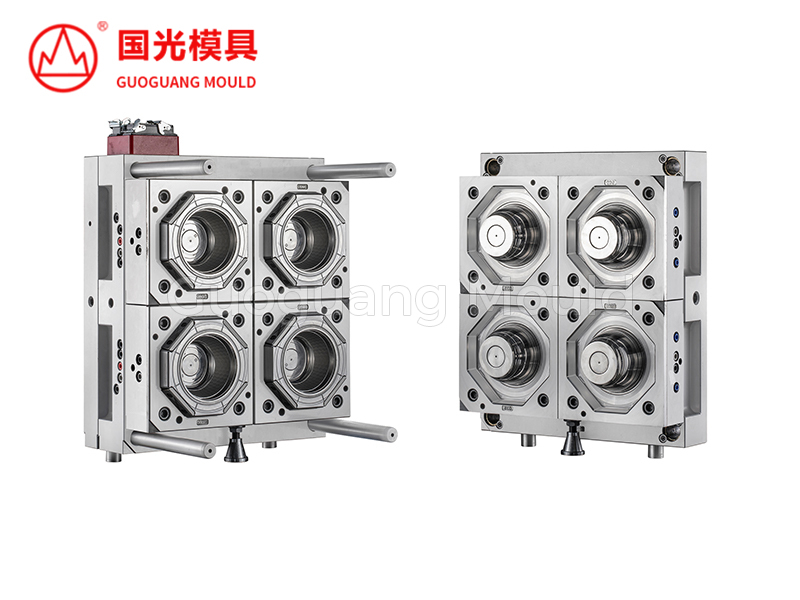
The Thin Wall Medium Size American Bowl Mould is designed for efficient production of medium-sized b...
See Details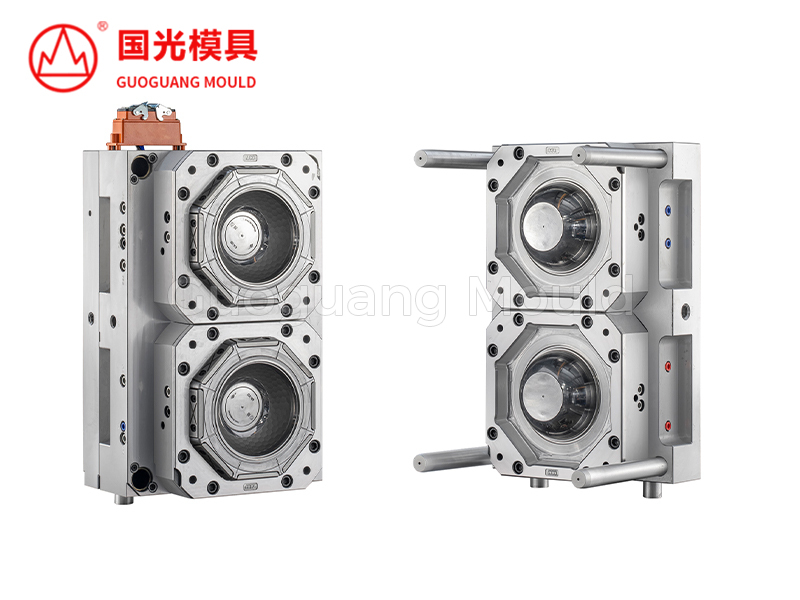
The Injection Plastic Large Round Bowl Mould is a specialized tool designed to produce large round p...
See Details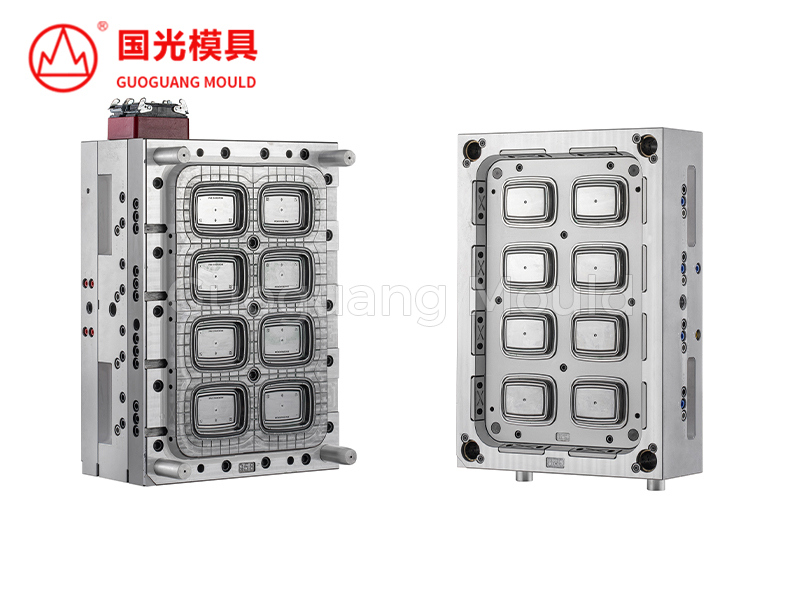
The Thin Wall American Style Small Square Cover Mold is designed for the production of small, square...
See Details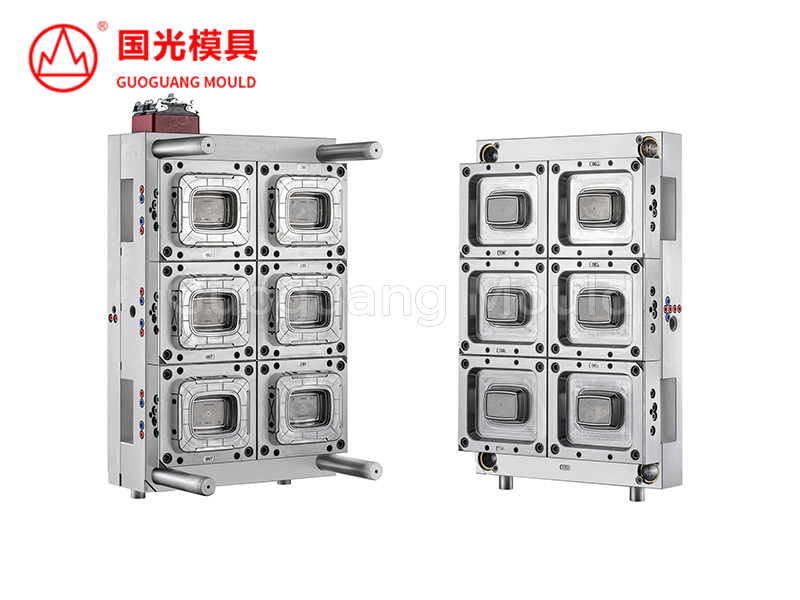
The Plastic Mould for Packaged Food Square Cover is an essential tool for creating square plastic co...
See Details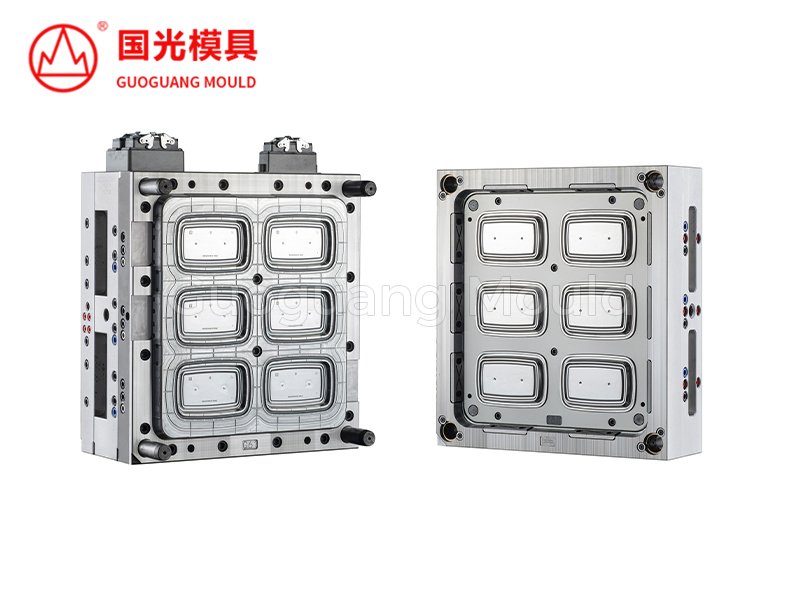
The Thin Wall Square Box Mould is designed for the production of small, square boxes, ensuring effic...
See Details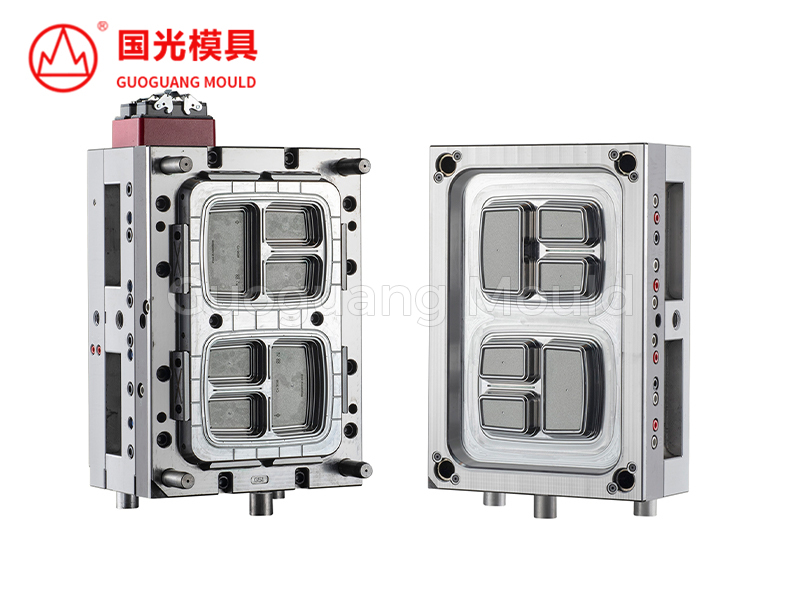
The Restaurant Packaged Three-Compartment Lunch Box Mold is designed for producing plastic lunch box...
See Details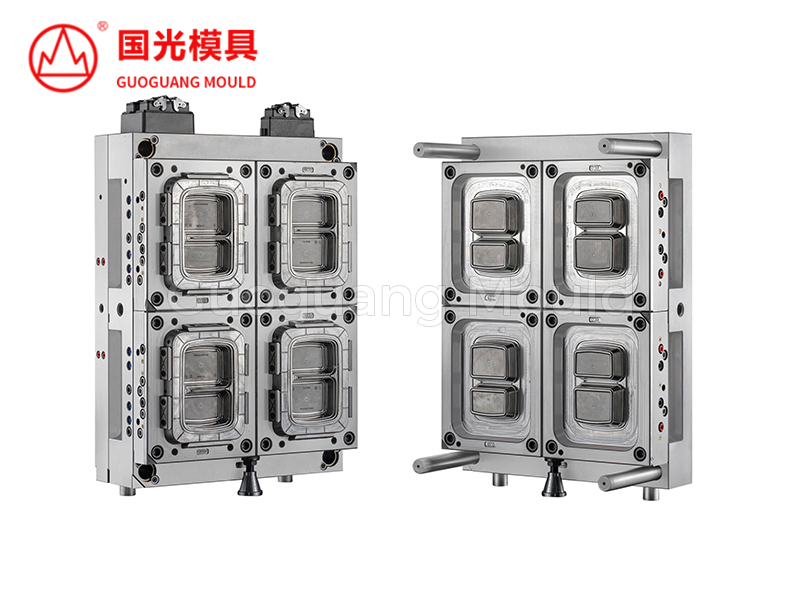
This mould is ideal for high-volume manufacturing, ensuring precise, efficient production of lunch ...
See Details
Guoguang are specialized in thin wall high-speed moulds, almost all cutlery moulds can be customized by us.
Copyright © Zhejiang Taizhou Guoguang Mould Plastic Co., Ltd. All Rights Reserved.
Thin Wall Mold Manufacturer
