 English
 中文简体
中文简体 Español
 عربى
عربى


Guoguang are specialized in thin wall high-speed moulds, almost all cutlery moulds can be customized by us.
Injection plastic round cap molds are specifically designed to manufacture round plastic caps with h...
See Details

Factories that produce packaging for fresh produce often turn to specialized tools that shape lightweight plastic containers. Plastic fruit box mould manufacture creates the forms needed for boxes and bowls that hold fruit securely during handling and transport. These tools support both square-style boxes and round containers that appear in packing operations. The work centers on thin-wall designs that keep the finished parts light while maintaining enough strength for stacking and movement.
Plastic fruit box mould manufacture starts with a clear study of the container’s purpose. Engineers examine the required volume, the need for airflow around the fruit, and the way boxes will stack on pallets. Digital models show wall thickness, rib placement, and opening size. Round bowls receive smooth curves that help with filling and emptying, while square boxes gain reinforced corners that resist pressure from above.
The mould cavity and core are planned so that plastic flows evenly into every section. Gate positions are chosen to avoid visible marks on the finished surface. Cooling channels run close to the forming surfaces so that the thin walls solidify quickly and hold their shape. These early decisions guide the entire sequence of plastic fruit box mould manufacture and reduce the chance of later adjustments.
During production, heated plastic resin enters the mould under steady pressure. Common resins include polypropylene and high-density polyethylene because they offer impact resistance and moisture barrier properties suited to fruit packing. The thin-wall layout allows the material to fill the cavity in a short time. Holding pressure then packs the plastic firmly before cooling begins.
Operators watch melt temperature, injection speed, and cooling time. Small changes keep the walls uniform and free from sink marks or incomplete sections. The short cycle that results from thin walls helps packing lines receive a steady supply of containers.
Here are two practical points that appear during plastic fruit box mould manufacture:
Containers formed by these moulds serve several roles in fruit handling. Square boxes often hold larger volumes of produce and stack neatly on standard pallets. Round bowls and smaller cups work well for portioned fruit or mixed packs. The same family of tools can also produce lids and covers that close the containers during storage or display.
Plastic fruit box mould manufacture supplies the forms that packing houses rely on for consistent output. Boxes leave the moulding machine ready for filling stations where fruit is placed by hand or by automated systems. Uniform dimensions make stacking and labeling straightforward and reduce interruptions on the packing line.
The finished moulds mount on injection machines that run continuous schedules. Output containers move directly into packing areas. Because the boxes share consistent outer dimensions and base strength, they fit existing conveyor systems and pallet patterns without special adjustment.
Teams that manage plastic fruit box mould manufacture pay attention to the match between mould design and the daily rhythm of the packing floor. Clear communication between the mould maker and the container producer keeps wall thickness, cavity count, and cycle time aligned with actual needs. The result is a steady flow of functional containers that support fruit packing from harvest point to distribution.
Plastic fruit box mould manufacture therefore combines careful design, precise steel work, and controlled injection cycles. The tools it produces enable factories to form both square boxes and round containers that meet the practical demands of fruit handling and storage.
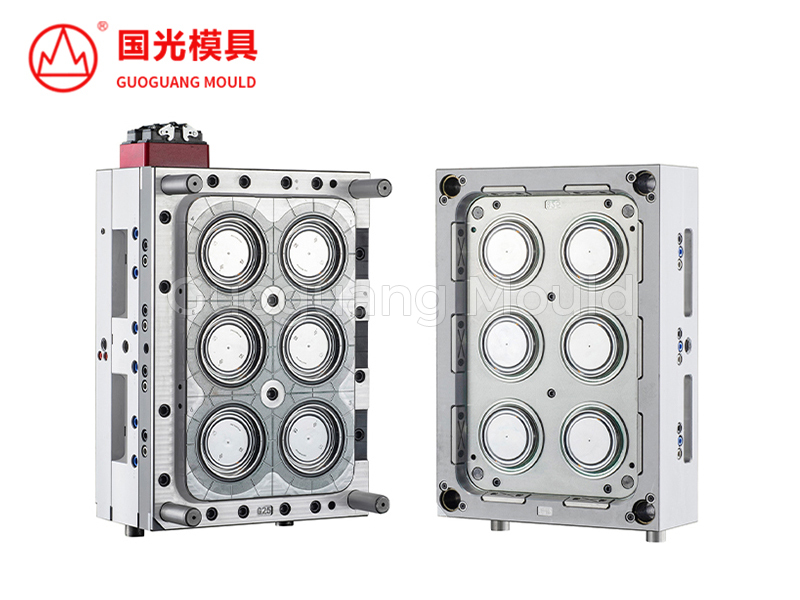
Injection plastic round cap molds are specifically designed to manufacture round plastic caps with h...
See Details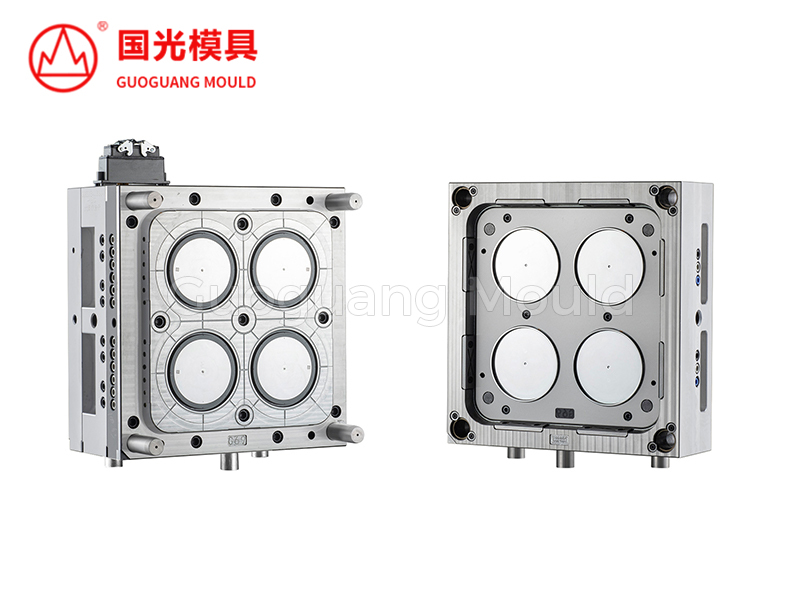
Injection plastic round bowl moulds are designed to create high-quality, durable plastic round bowls...
See Details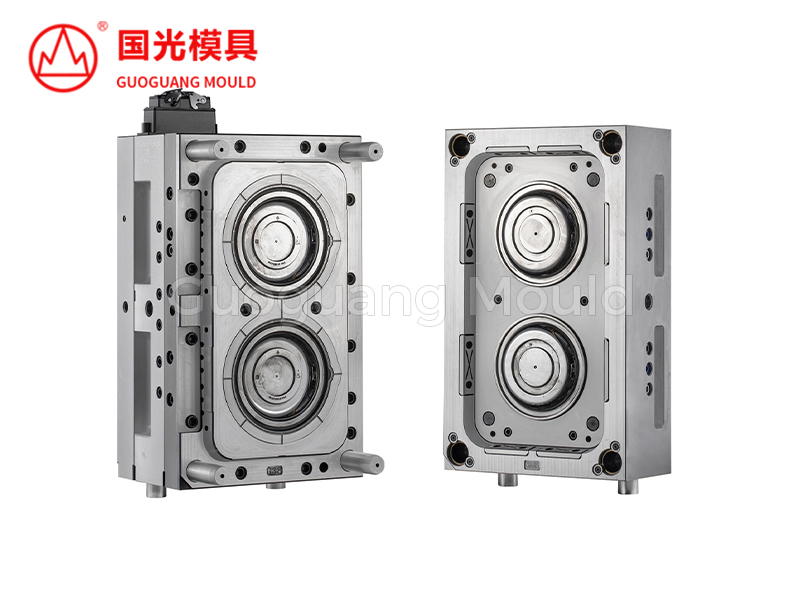
The Thin Wall American Style Large Round Cover Mould is a specialised tool designed for the producti...
See Details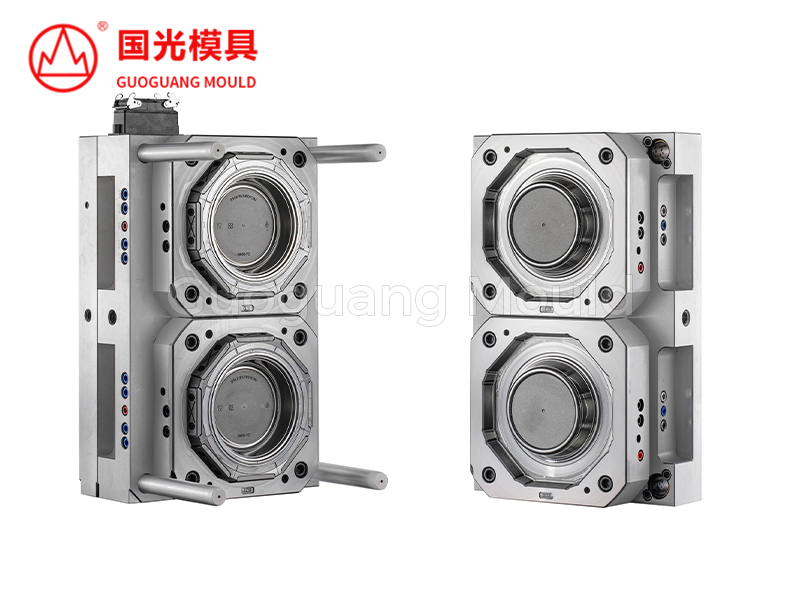
The Injection Plastic American Style Large Round Bowl Mold is an advanced tool designed specifically...
See Details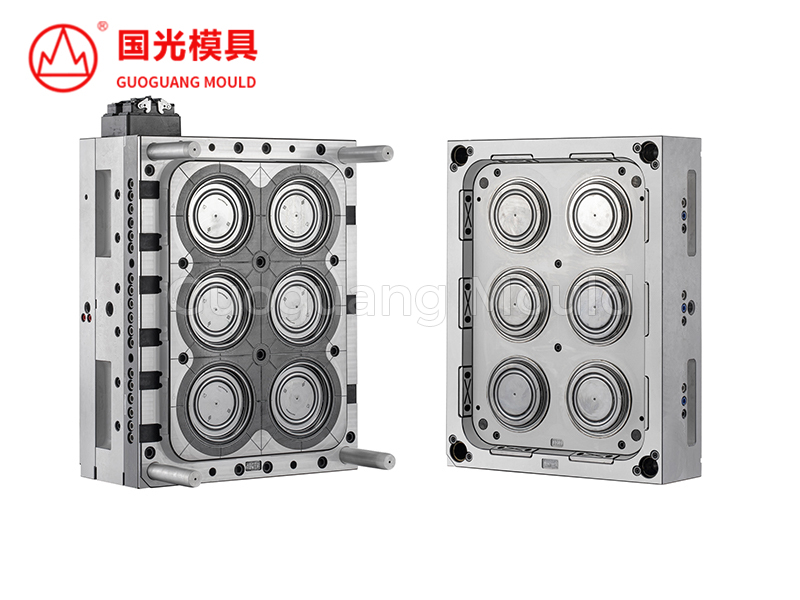
The Thin Wall American Medium Round Cap Mould is a highly efficient tool designed for the production...
See Details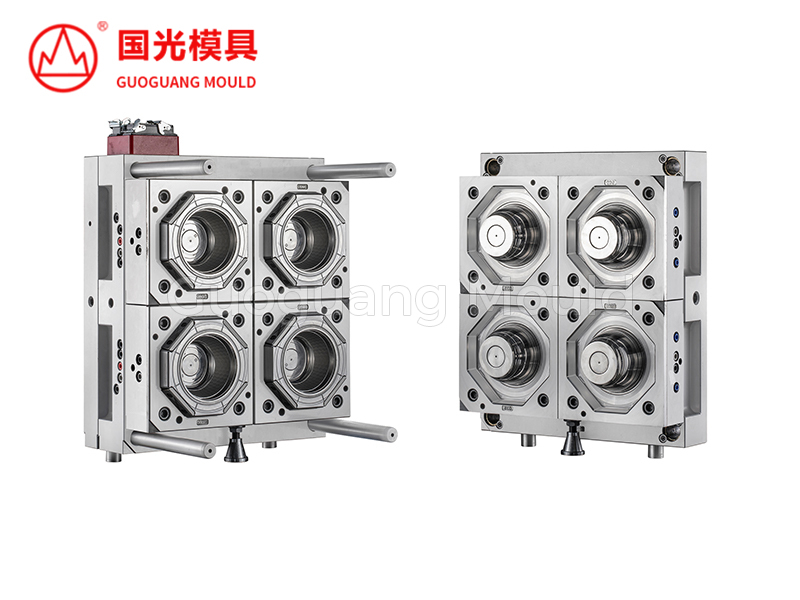
The Thin Wall Medium Size American Bowl Mould is designed for efficient production of medium-sized b...
See Details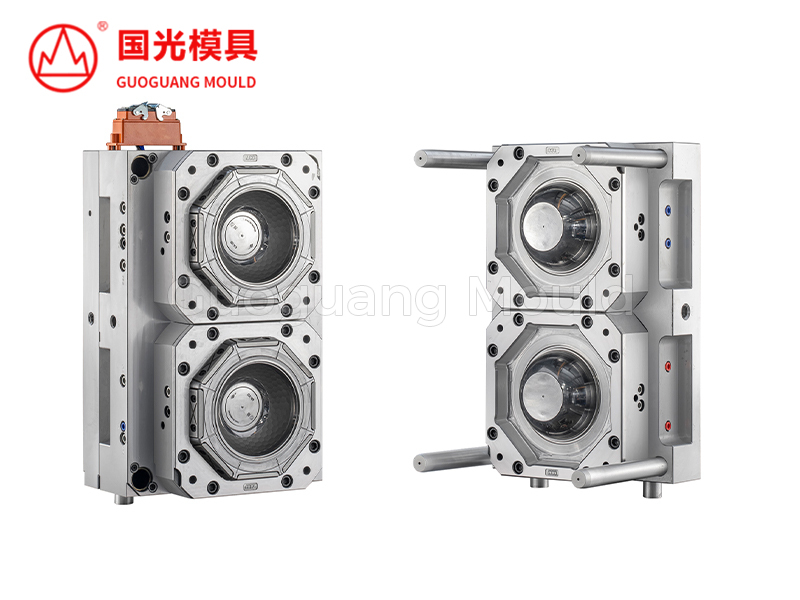
The Injection Plastic Large Round Bowl Mould is a specialized tool designed to produce large round p...
See Details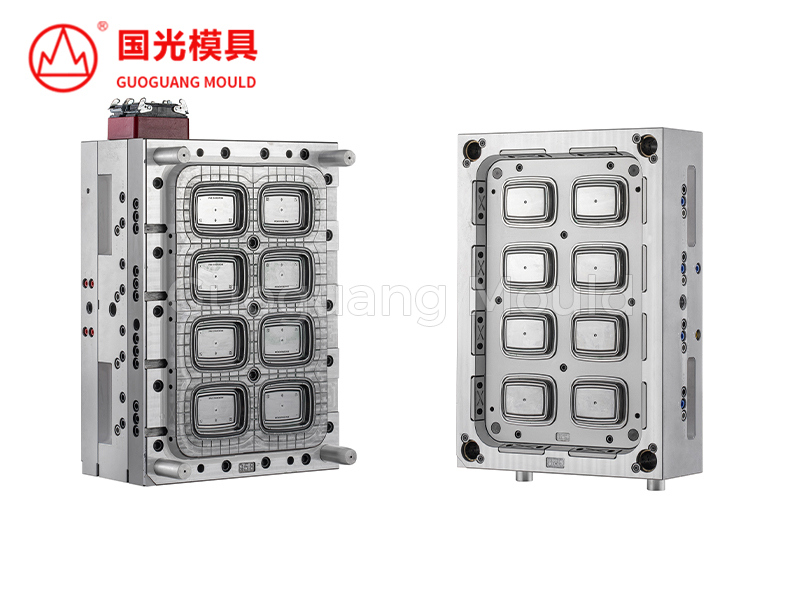
The Thin Wall American Style Small Square Cover Mold is designed for the production of small, square...
See Details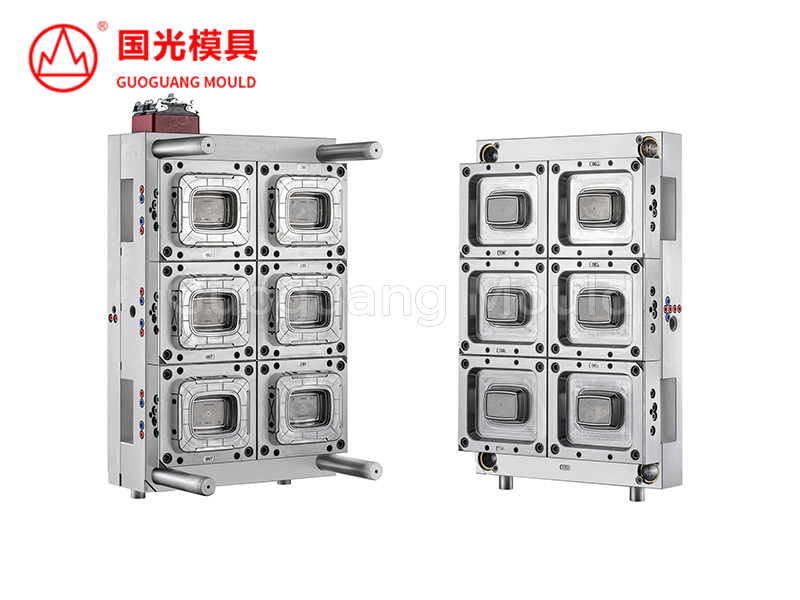
The Plastic Mould for Packaged Food Square Cover is an essential tool for creating square plastic co...
See Details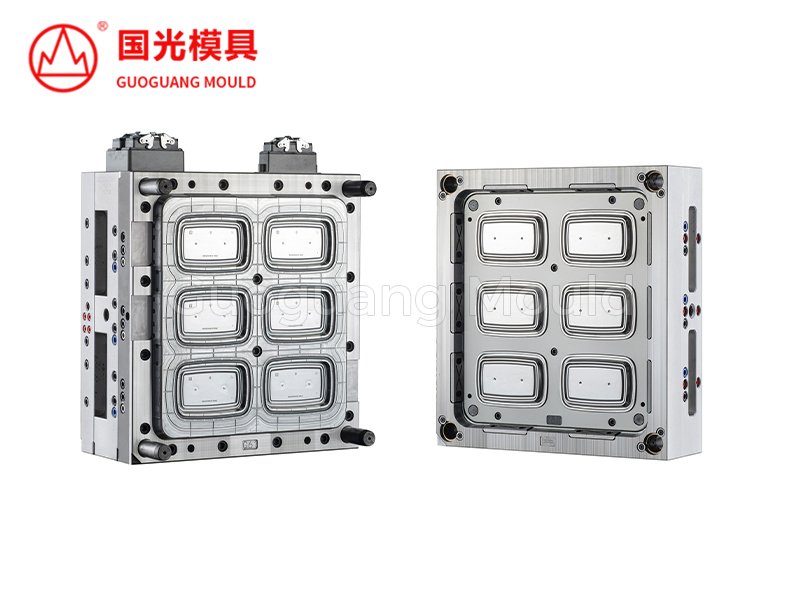
The Thin Wall Square Box Mould is designed for the production of small, square boxes, ensuring effic...
See Details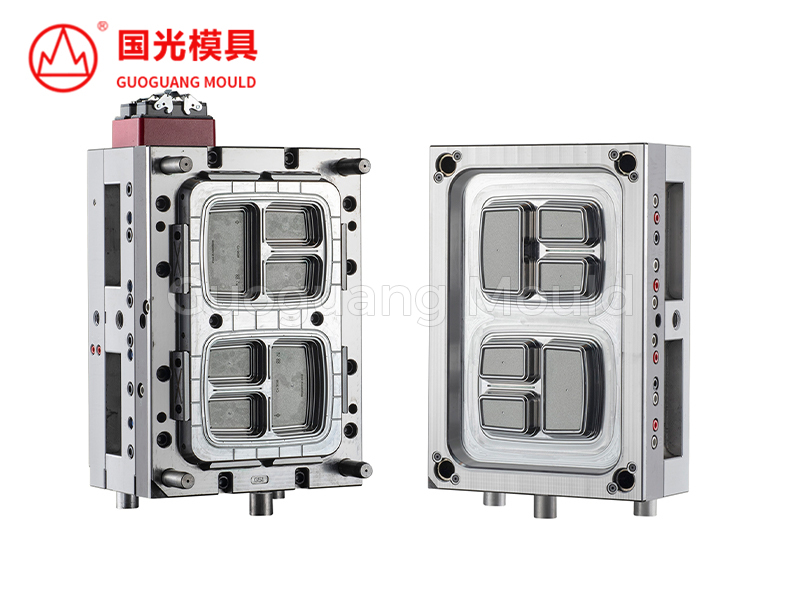
The Restaurant Packaged Three-Compartment Lunch Box Mold is designed for producing plastic lunch box...
See Details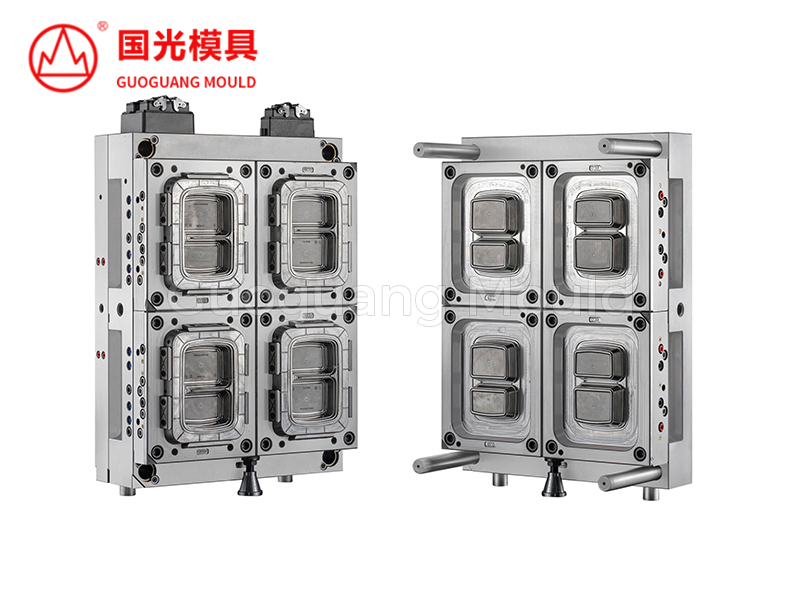
This mould is ideal for high-volume manufacturing, ensuring precise, efficient production of lunch ...
See Details
Guoguang are specialized in thin wall high-speed moulds, almost all cutlery moulds can be customized by us.
Copyright © Zhejiang Taizhou Guoguang Mould Plastic Co., Ltd. All Rights Reserved.
Thin Wall Mold Manufacturer
