 English
 中文简体
中文简体 Español
 عربى
عربى


Guoguang are specialized in thin wall high-speed moulds, almost all cutlery moulds can be customized by us.
Injection plastic round cap molds are specifically designed to manufacture round plastic caps with h...
See Details

Food packing has become a carefully timed part of commercial food production. Meals, prepared ingredients, bakery items, takeaway portions, and ready-to-serve products may pass from cooking areas to packing stations in a short period. That shift puts more attention on container selection, filling speed, stacking space, and product presentation.
Disposable Food Boxes fit this working environment because they provide a ready-to-use container format for different food categories. Instead of treating packaging as a simple final step, many food businesses now consider container design during production planning.
The box needs to match the food, filling method, storage arrangement, and delivery process. A container that works well for dry foods may not suit sauces or meals containing several components. This has encouraged packaging buyers to examine box structure rather than choosing containers based only on appearance.
A food box may appear simple, yet several small design details can affect production efficiency. Lid connection, opening direction, base shape, stacking geometry, wall thickness, and available internal space all influence how containers behave during packing.
For production teams, stackability is particularly useful. Containers that sit neatly together can occupy less working space before filling. After packing, consistent shapes also make cartons easier to arrange.
Material selection is another consideration. Paperboard, molded fiber, polypropylene, PET, and other food-contact materials can create different combinations of rigidity, transparency, heat resistance, and appearance.
This is where Disposable Food Boxes become more than generic packaging items. Different food sectors may require completely different container characteristics, even when the basic box shape looks similar.
Commercial kitchens rarely handle just one type of food. A meal supplier may pack rice dishes, vegetables, meat portions, noodles, or mixed meals. Bakery producers may need formats for pastries, sliced products, or prepared desserts.
Container geometry can change according to these products. A deeper box can accommodate foods that need vertical space. A wider format can separate several meal components. Compartments can help keep ingredients apart before consumption.
For packaging manufacturers, this creates demand for a broader range of molds and structural designs. Buyers may also look at customization options when standard dimensions do not match their filling equipment or product sizes.
The growing range of Disposable Food Boxes reflects this shift. Packaging is increasingly selected around the production process instead of being treated as a one-size-fits-all accessory.
For wholesalers, food manufacturers, catering suppliers, and restaurant supply distributors, packaging decisions often involve more than the unit itself. Storage volume, carton arrangement, filling speed, lid handling, and compatibility between containers and packing stations can all affect daily operations.
A container that takes extra steps to close may slow a busy packing station. A lid that fits poorly can create interruptions during handling. Irregular stacking can also make warehouse organization harder.
This is why purchasing teams often examine samples before placing larger orders. They may test how boxes stack, how quickly workers can open them, how lids connect, and how filled containers behave during carton packing.
For this market, Disposable Food Boxes need to make sense inside an entire workflow. Shape, material, closure method, and production consistency can influence purchasing decisions just as much as visual design.
Customization in food packaging is no longer limited to logos or surface printing. Commercial buyers can also look at dimensions, compartment layouts, lid styles, surface finishes, and material combinations.
Private-label food suppliers may need packaging that fits a specific product range. Catering distributors may prefer several sizes based on portion formats. Meal producers can require shapes that work neatly inside existing packing stations.
Manufacturers therefore need flexible production capabilities. Mold design becomes important when a buyer needs unusual dimensions or internal structures. Production planning also becomes more complex when several box models share similar designs but require different tooling.
These changes are creating more attention around Disposable Food Boxes as a manufactured product category rather than simply a packaging commodity.
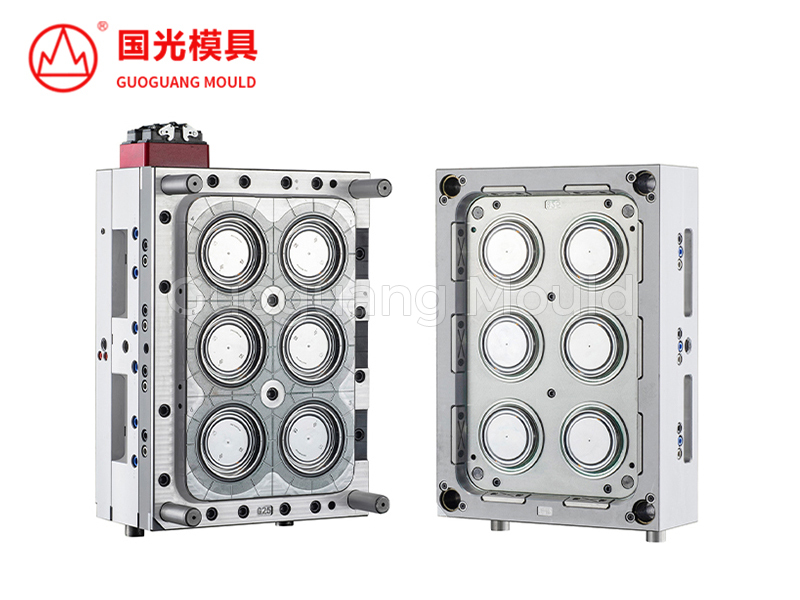
Injection plastic round cap molds are specifically designed to manufacture round plastic caps with h...
See Details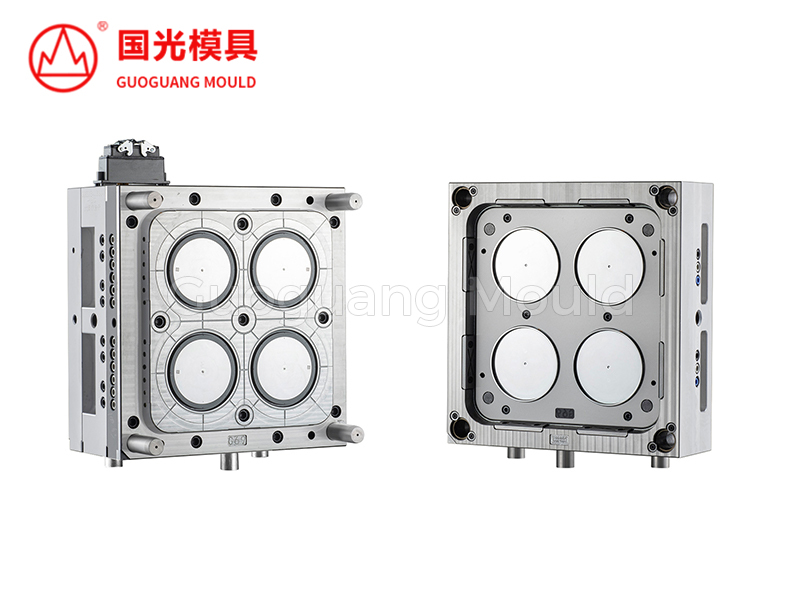
Injection plastic round bowl moulds are designed to create high-quality, durable plastic round bowls...
See Details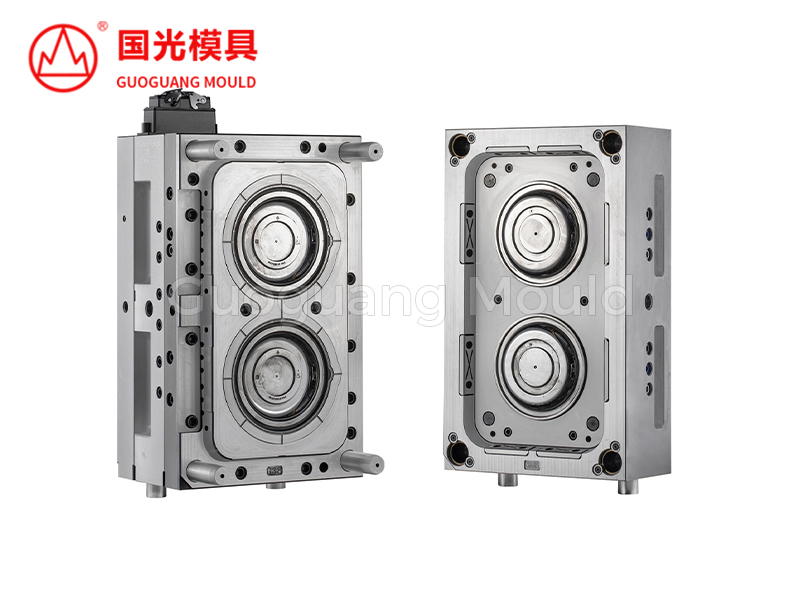
The Thin Wall American Style Large Round Cover Mould is a specialised tool designed for the producti...
See Details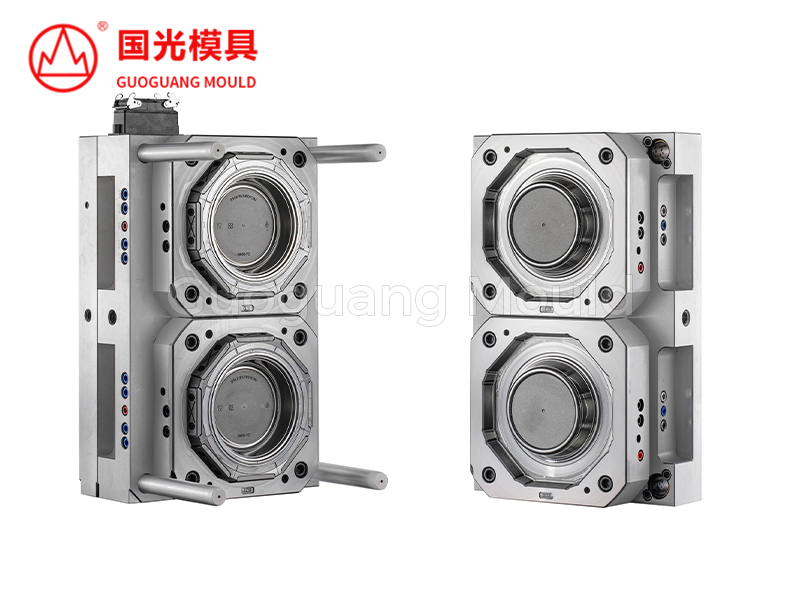
The Injection Plastic American Style Large Round Bowl Mold is an advanced tool designed specifically...
See Details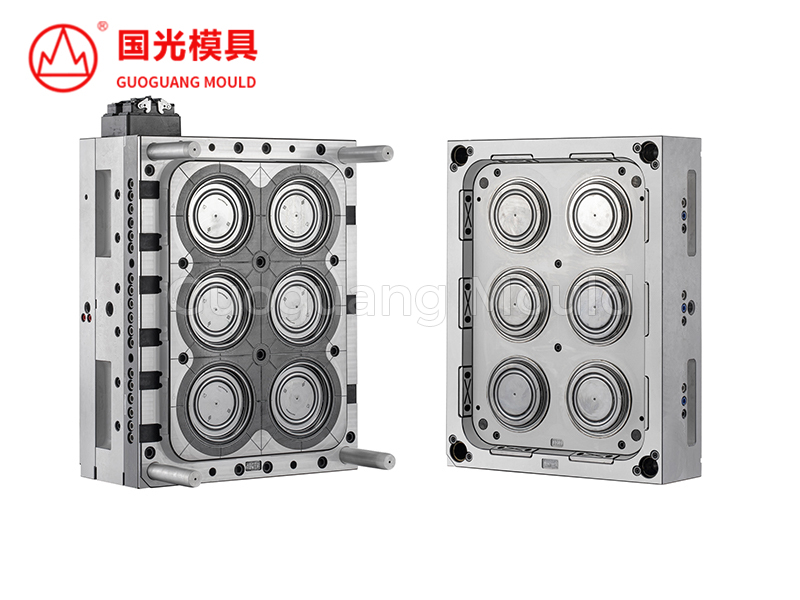
The Thin Wall American Medium Round Cap Mould is a highly efficient tool designed for the production...
See Details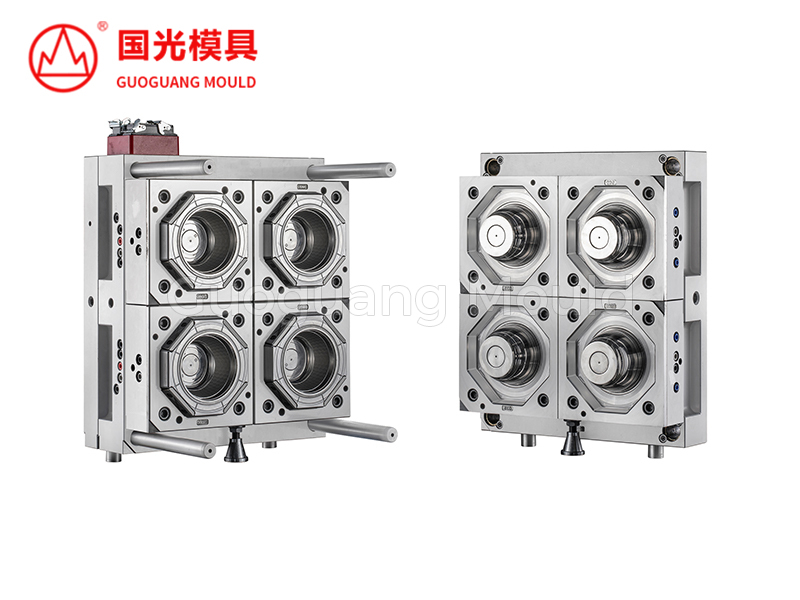
The Thin Wall Medium Size American Bowl Mould is designed for efficient production of medium-sized b...
See Details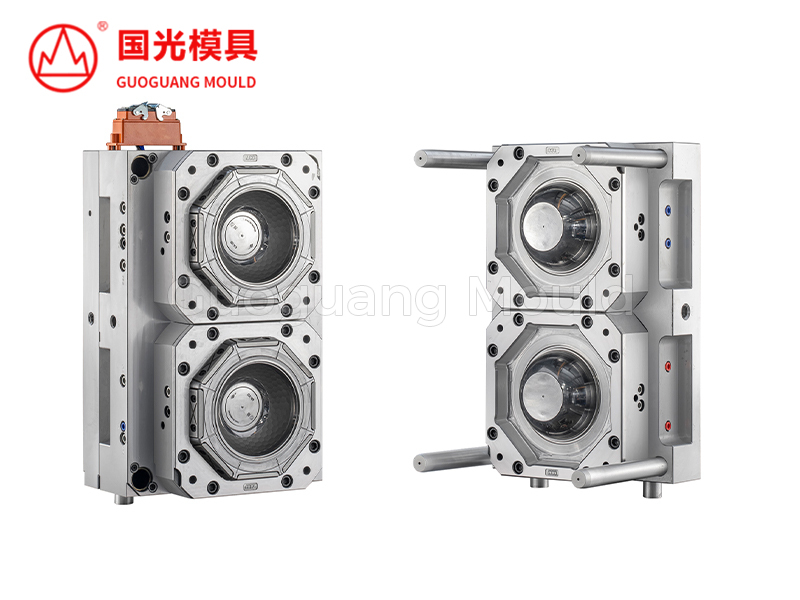
The Injection Plastic Large Round Bowl Mould is a specialized tool designed to produce large round p...
See Details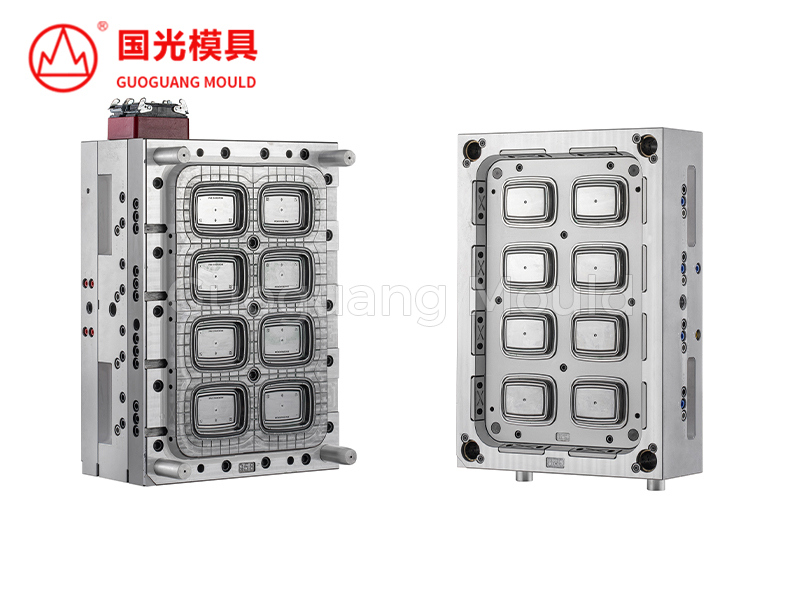
The Thin Wall American Style Small Square Cover Mold is designed for the production of small, square...
See Details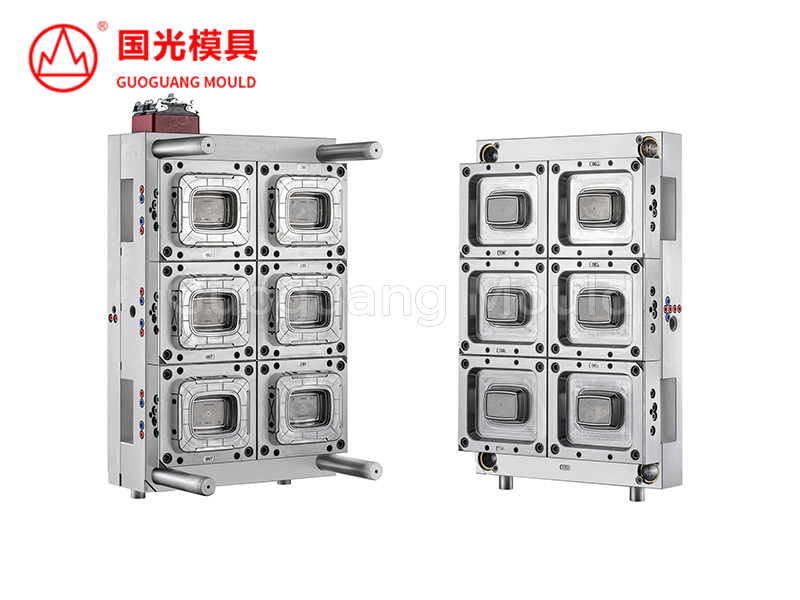
The Plastic Mould for Packaged Food Square Cover is an essential tool for creating square plastic co...
See Details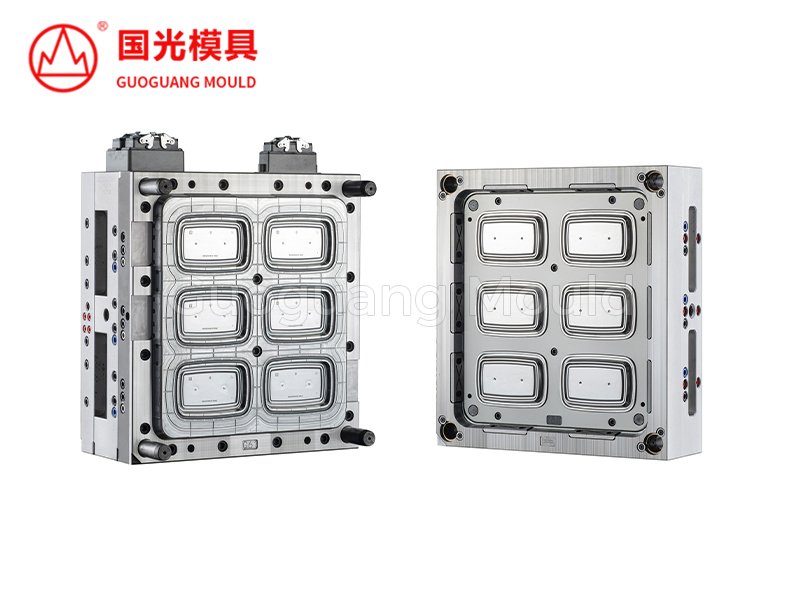
The Thin Wall Square Box Mould is designed for the production of small, square boxes, ensuring effic...
See Details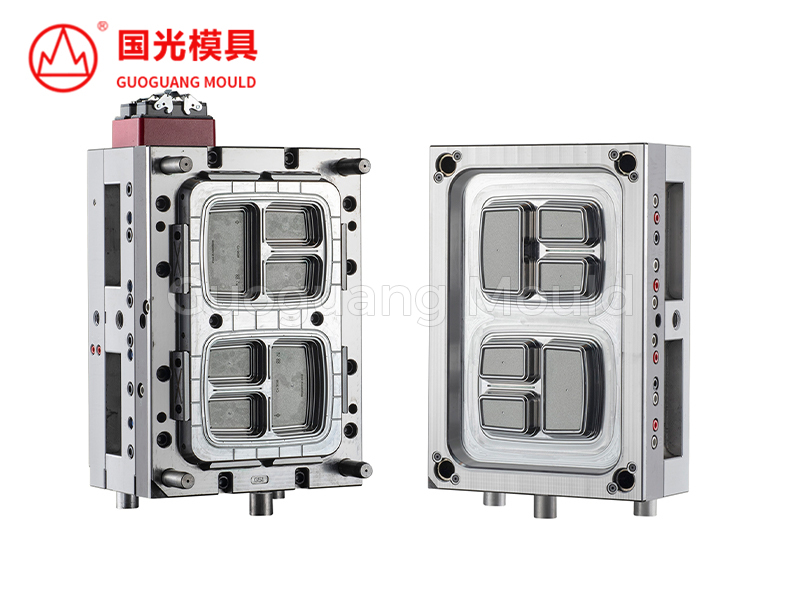
The Restaurant Packaged Three-Compartment Lunch Box Mold is designed for producing plastic lunch box...
See Details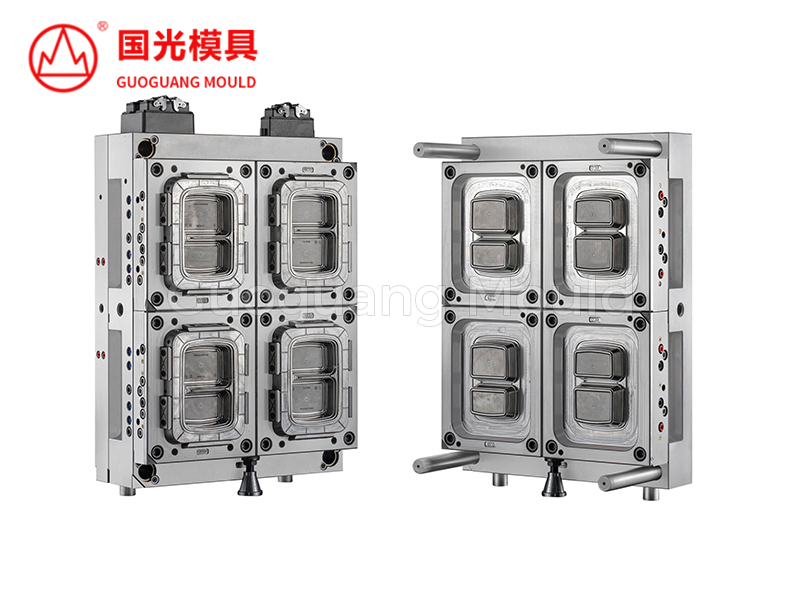
This mould is ideal for high-volume manufacturing, ensuring precise, efficient production of lunch ...
See Details
Guoguang are specialized in thin wall high-speed moulds, almost all cutlery moulds can be customized by us.
Copyright © Zhejiang Taizhou Guoguang Mould Plastic Co., Ltd. All Rights Reserved.
Thin Wall Mold Manufacturer
