 English
 中文简体
中文简体 Español
 عربى
عربى


Guoguang are specialized in thin wall high-speed moulds, almost all cutlery moulds can be customized by us.
Injection plastic round cap molds are specifically designed to manufacture round plastic caps with h...
See Details

The plastic compartment lunch box mould has become an essential tool for manufacturers producing divided food containers for meal prep, school lunches, and catering services. Unlike simple single-cavity designs, a plastic compartment lunch box mould creates containers with multiple sections that keep different food items separated during storage and transport. Food packaging suppliers have invested in new plastic compartment lunch box mould configurations to meet consumer demand for portion control and ingredient separation. The complexity of these moulds requires precision engineering to ensure consistent wall thickness across all compartments.
Design considerations for a plastic compartment lunch box mould begin with part geometry and material flow analysis. Each compartment of the container must fill evenly during injection, with balanced flow paths that prevent short shots or excessive weld lines. A well-designed plastic compartment lunch box mould includes gate locations that promote simultaneous filling of all sections. Computer simulation helps engineers optimize runner layouts and vent placements for the plastic compartment lunch box mould before steel cutting begins. Adjustments to wall thickness or rib placement may be made based on flow analysis results.
Steel selection for a plastic compartment lunch box mould depends on expected production volume and the type of plastic being processed. Polypropylene, a common material for food containers, requires a plastic compartment lunch box mould with smooth cavity surfaces to allow easy part ejection. Hardened tool steel is specified for high-volume plastic compartment lunch box mould applications where production runs exceed one million cycles. Stainless steel variants of the plastic compartment lunch box mould offer corrosion resistance for facilities that use aggressive mould cleaners between production batches. Pre-hardened steel provides a cost-effective option for lower-volume plastic compartment lunch box mould requirements.
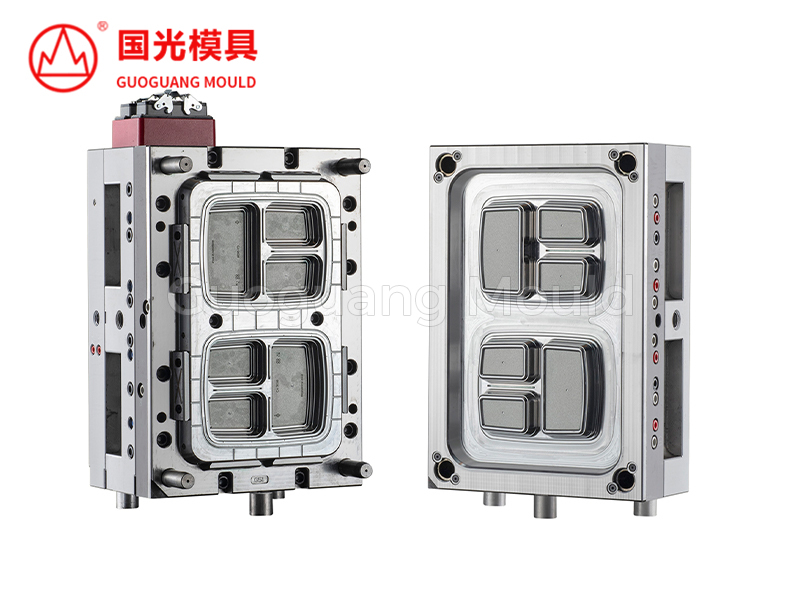
Cooling channel layout presents unique challenges for a plastic compartment lunch box mould due to the complex three-dimensional shape of the part. Conformal cooling channels placed close to the cavity walls reduce cycle times for the plastic compartment lunch box mould by extracting heat more efficiently. Some manufacturers add baffles or heat pipes within the plastic compartment lunch box mould to direct coolant flow to areas that conventional drilling cannot reach. Uniform cooling prevents warpage of the compartment walls and maintains flatness of the container base. Thermal imaging of the plastic compartment lunch box mould during trial shots identifies hot spots that require additional cooling capacity.
Ejection systems on a plastic compartment lunch box mould must handle the fragile geometry of divided containers. Thin compartment walls can be damaged by pin ejectors concentrated in small areas. A plastic compartment lunch box mould often incorporates a stripper plate design that pushes evenly around the perimeter of the entire part. Air poppet valves assist release of deep-drawn sections within the plastic compartment lunch box mould without marking the food-contact surfaces. Return pins ensure that the ejection system of the plastic compartment lunch box mould resets before the next injection cycle. Proper ejection design reduces scrap rates and extends the service life of the plastic compartment lunch box mould.
The plastic compartment lunch box mould will likely incorporate more automation features such as in-mold labeling and automatic degating. Sensors embedded in the plastic compartment lunch box mould provide real-time data on temperature and pressure during each cycle. As food packaging regulations evolve, the plastic compartment lunch box mould will continue adapting to new material requirements.
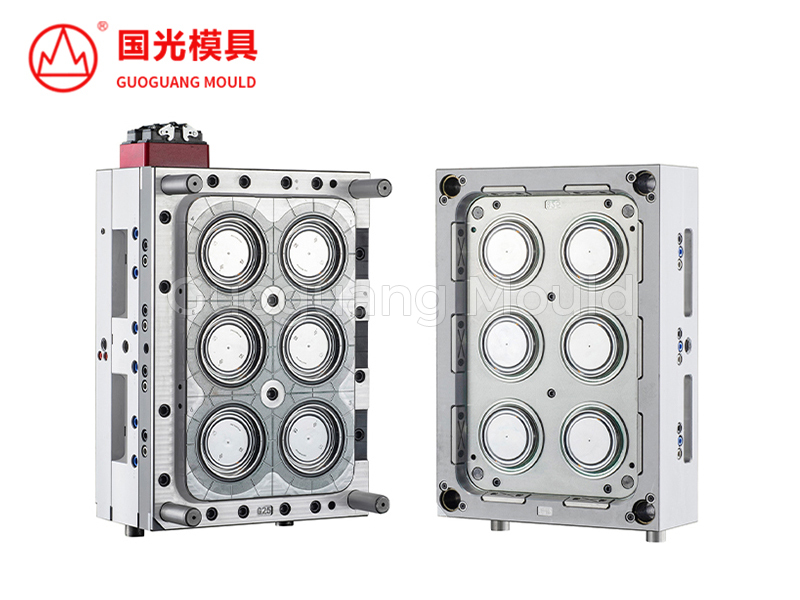
Injection plastic round cap molds are specifically designed to manufacture round plastic caps with h...
See Details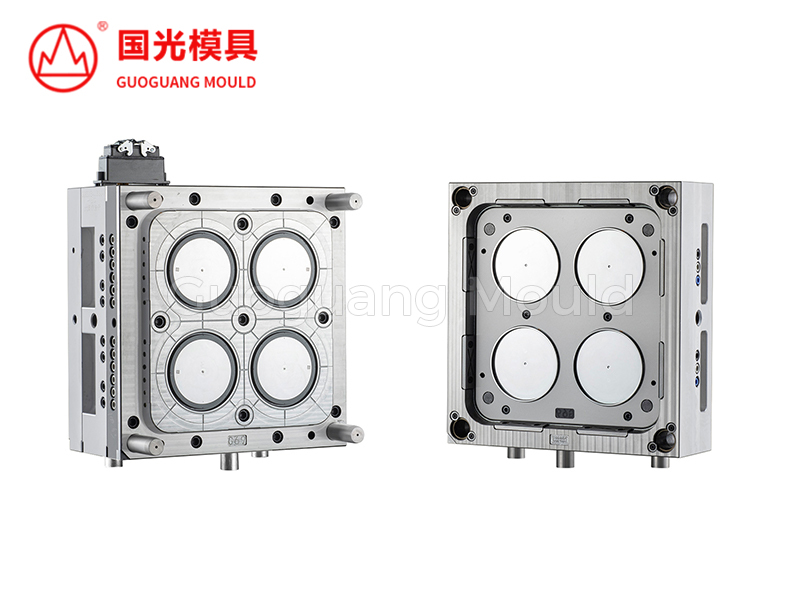
Injection plastic round bowl moulds are designed to create high-quality, durable plastic round bowls...
See Details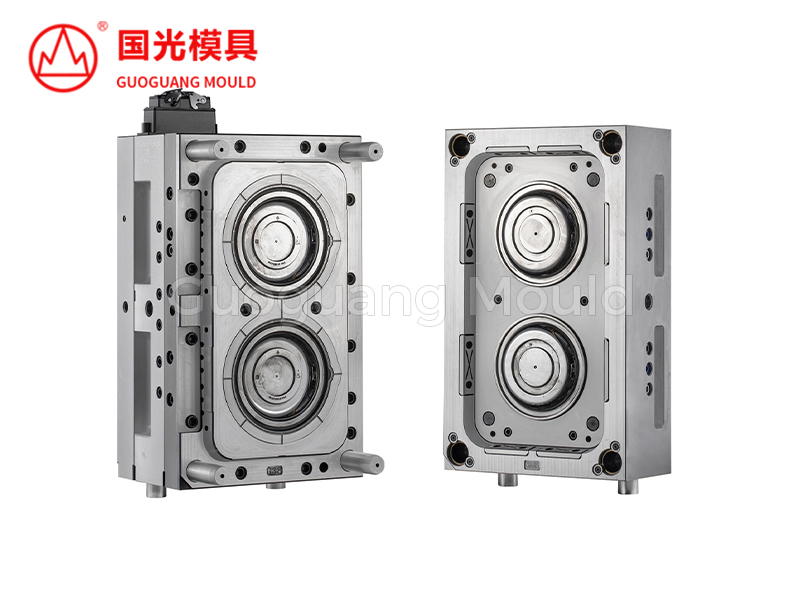
The Thin Wall American Style Large Round Cover Mould is a specialised tool designed for the producti...
See Details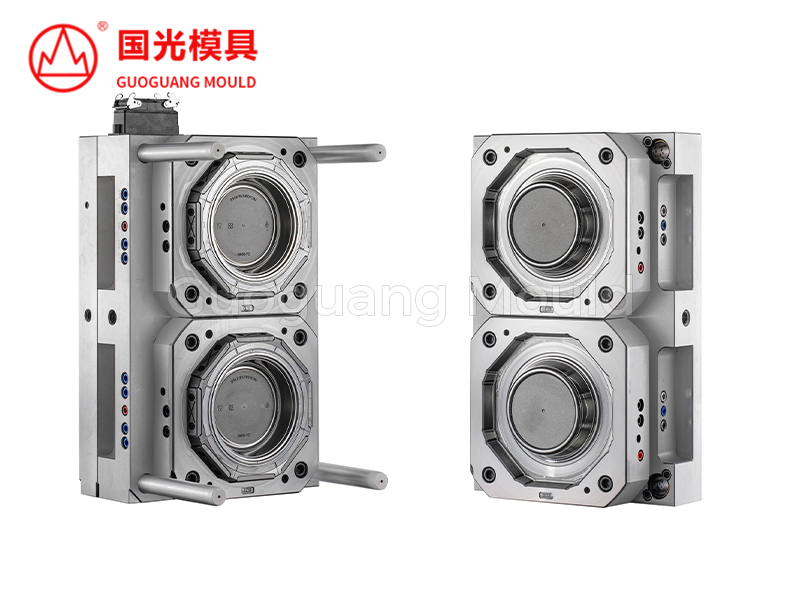
The Injection Plastic American Style Large Round Bowl Mold is an advanced tool designed specifically...
See Details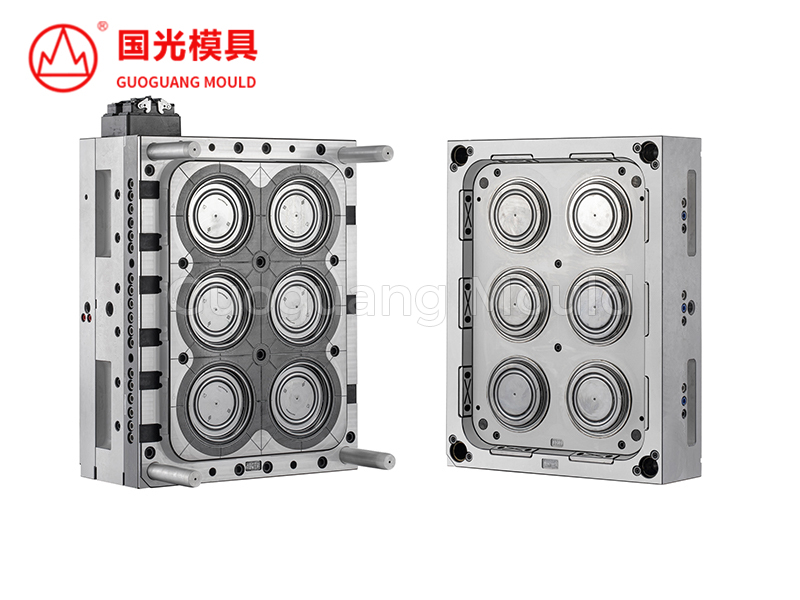
The Thin Wall American Medium Round Cap Mould is a highly efficient tool designed for the production...
See Details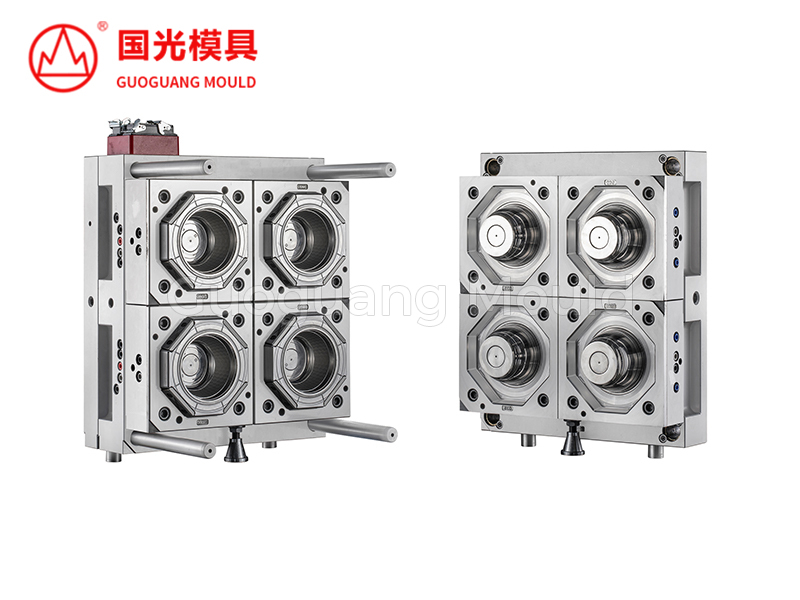
The Thin Wall Medium Size American Bowl Mould is designed for efficient production of medium-sized b...
See Details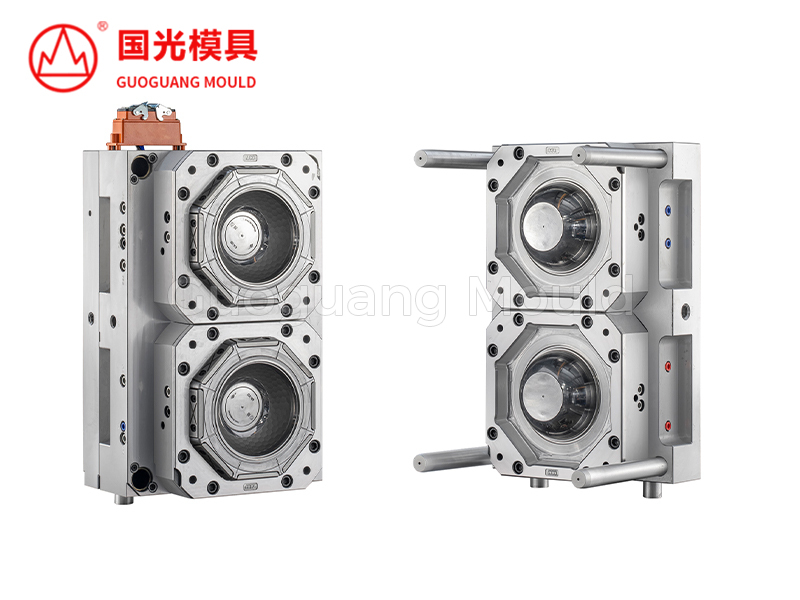
The Injection Plastic Large Round Bowl Mould is a specialized tool designed to produce large round p...
See Details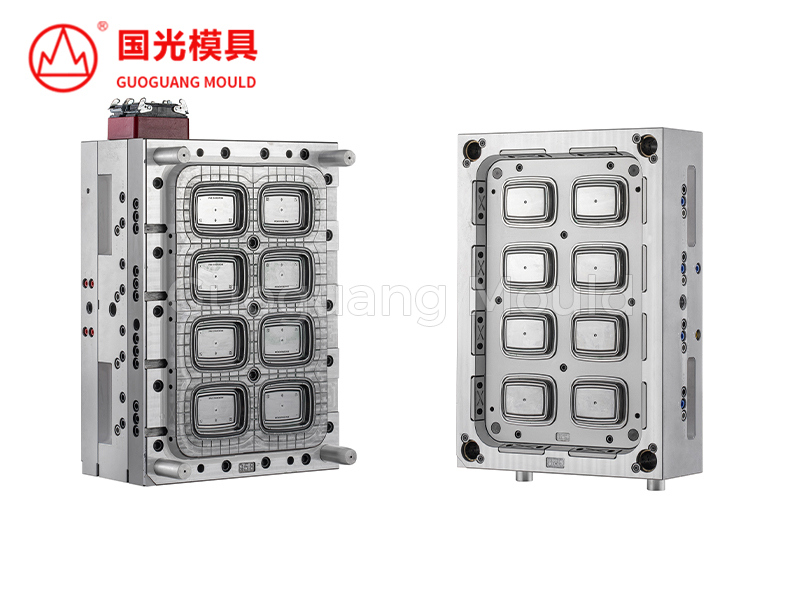
The Thin Wall American Style Small Square Cover Mold is designed for the production of small, square...
See Details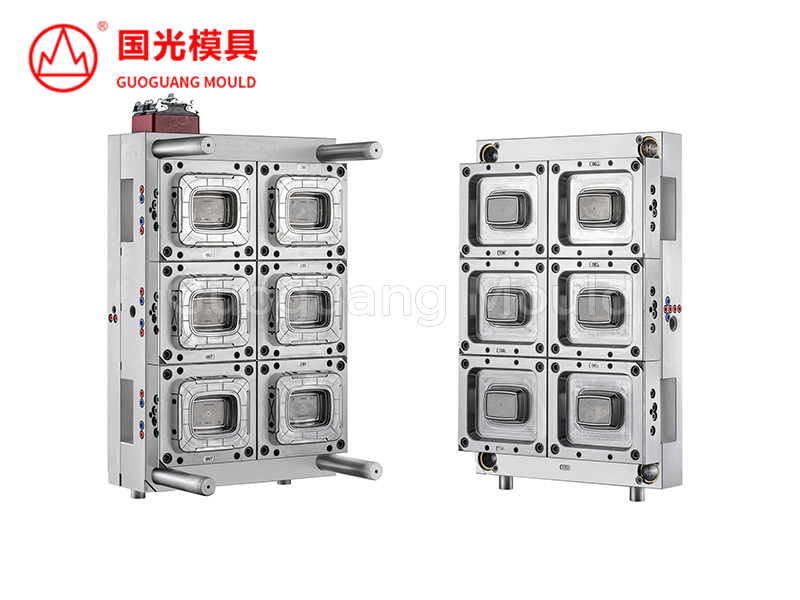
The Plastic Mould for Packaged Food Square Cover is an essential tool for creating square plastic co...
See Details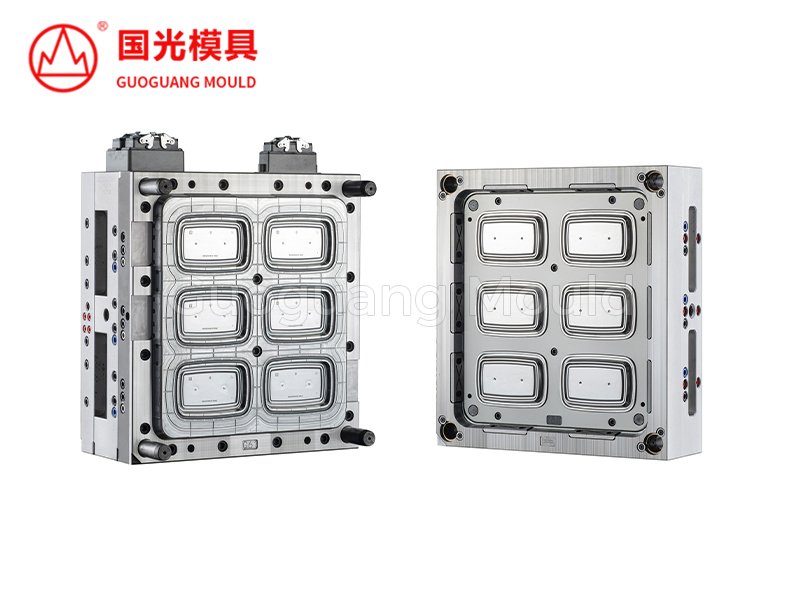
The Thin Wall Square Box Mould is designed for the production of small, square boxes, ensuring effic...
See Details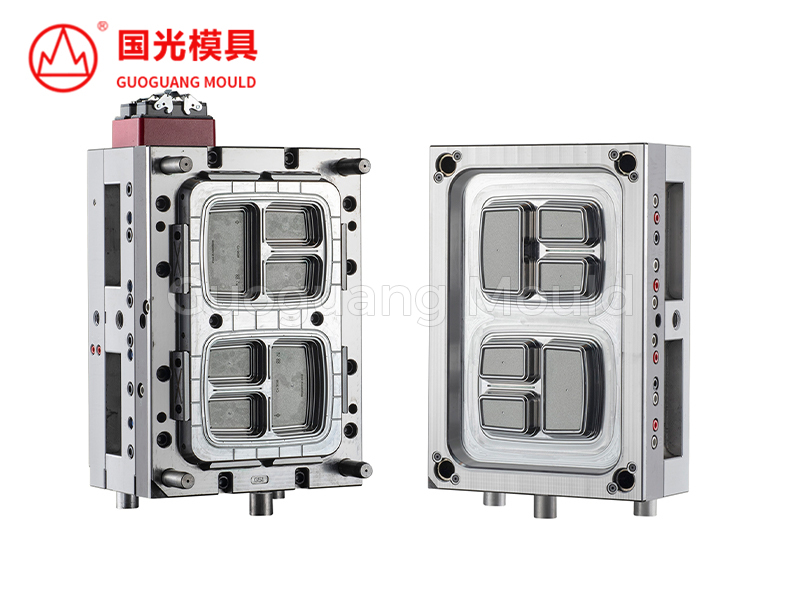
The Restaurant Packaged Three-Compartment Lunch Box Mold is designed for producing plastic lunch box...
See Details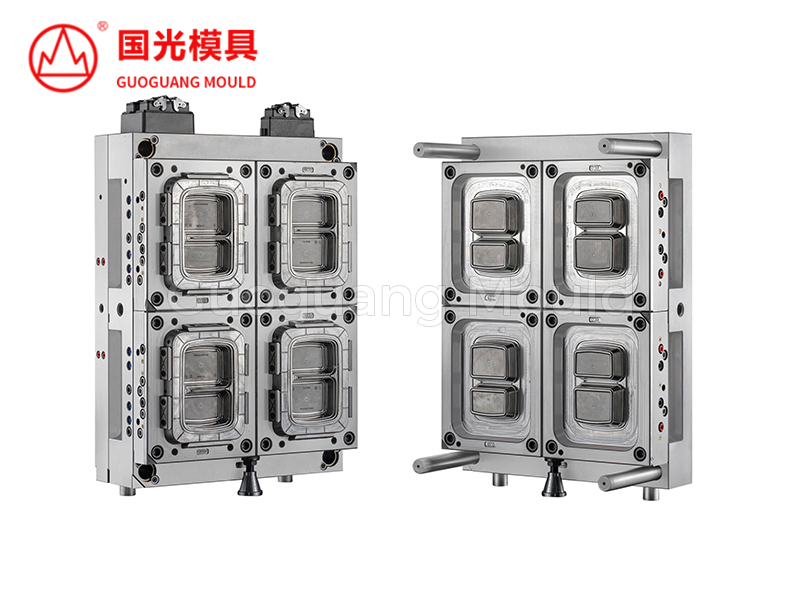
This mould is ideal for high-volume manufacturing, ensuring precise, efficient production of lunch ...
See Details
Guoguang are specialized in thin wall high-speed moulds, almost all cutlery moulds can be customized by us.
Copyright © Zhejiang Taizhou Guoguang Mould Plastic Co., Ltd. All Rights Reserved.
Thin Wall Mold Manufacturer
