 English
 中文简体
中文简体 Español
 عربى
عربى


Guoguang are specialized in thin wall high-speed moulds, almost all cutlery moulds can be customized by us.
Injection plastic round cap molds are specifically designed to manufacture round plastic caps with h...
See Details

The disposable food packaging container mold is a tool used to produce single-use food boxes and trays. A disposable food packaging container mold is typically made of steel and mounted inside an injection molding machine. The mold creates the shape of the final product by injecting molten plastic into a closed cavity. A typical disposable food packaging container mold consists of two halves that open and close with each cycle. The size of a disposable food packaging container mold depends on the intended product dimensions. Small molds produce individual sauce cups or portion containers. Larger disposable food packaging container mold units produce family-sized trays or compartment plates.
The construction of a disposable food packaging container mold requires precision machining. The mold cavity is cut from blocks of tool steel using computer-controlled milling machines. The surface of a disposable food packaging container mold is polished to a smooth finish. This smoothness allows the formed plastic to release easily after cooling. Cooling channels are drilled through the disposable food packaging container mold near the cavity surface. Water or oil circulates through these channels to remove heat from the molten plastic. The ejection system on a disposable food packaging container mold pushes the finished part out of the mold. Pins or air blasts separate the product from the disposable food packaging container mold without damage.
The materials used for a disposable food packaging container mold affect its lifespan. Hardened steel molds for high-volume production can last for millions of cycles. A disposable food packaging container mold made of pre-hardened steel suits medium production runs. Aluminum disposable food packaging container molds are used for prototype or short-run production. The choice of mold material balances initial cost against expected production volume. A disposable food packaging container mold for thin-wall containers requires special attention to venting. Proper venting allows air to escape as the cavity fills with plastic.
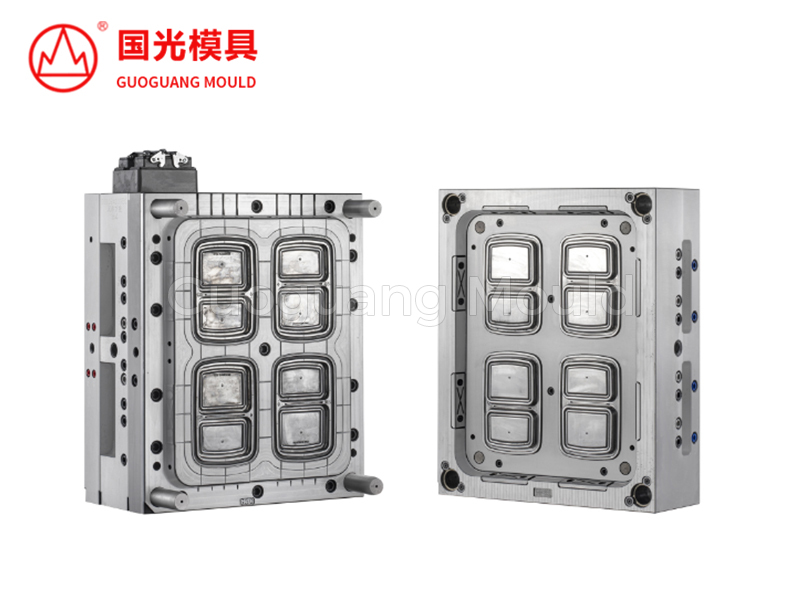
The operation of a disposable food packaging container mold follows a repeating cycle. The mold closes under high clamping pressure from the injection machine. Molten plastic is injected into the disposable food packaging container mold cavity at high speed. For thin-wall containers, the disposable food packaging container mold fills in less than one second. The plastic cools and solidifies against the mold surfaces. Cooling takes the longest portion of the disposable food packaging container mold cycle. After cooling, the mold opens and ejectors push the finished container out. The disposable food packaging container mold then closes and the cycle repeats.
The applications for a disposable food packaging container mold cover many food service needs. A clamshell-style disposable food packaging container mold produces hinged boxes for sandwiches or salads. A compartment tray disposable food packaging container mold creates sections for different food items. A cup or bowl disposable food packaging container mold makes containers for soups or sauces. The growing demand for takeout food has increased the need for disposable food packaging container mold products. Each new container design requires a dedicated disposable food packaging container mold. The mold making industry continues to develop faster cooling and longer-lasting steel treatments. The disposable food packaging container mold remains the primary method for producing single-use food packaging at scale.
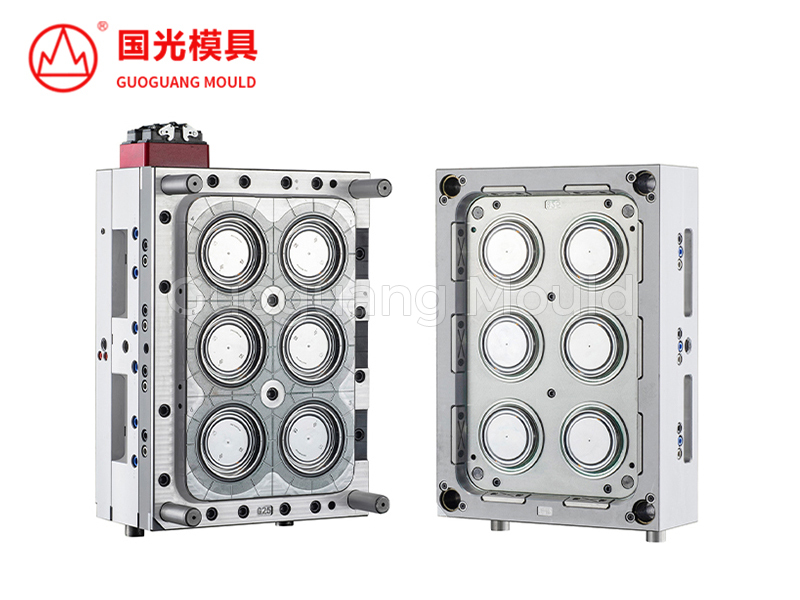
Injection plastic round cap molds are specifically designed to manufacture round plastic caps with h...
See Details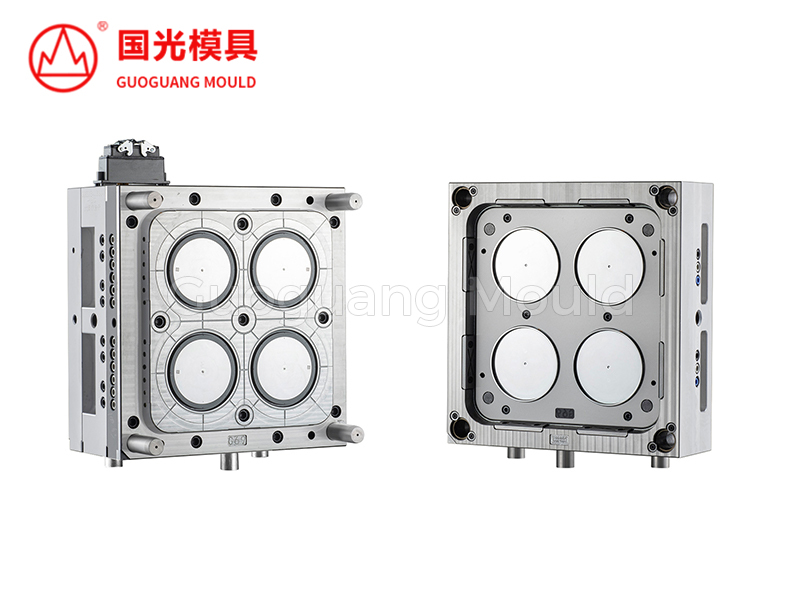
Injection plastic round bowl moulds are designed to create high-quality, durable plastic round bowls...
See Details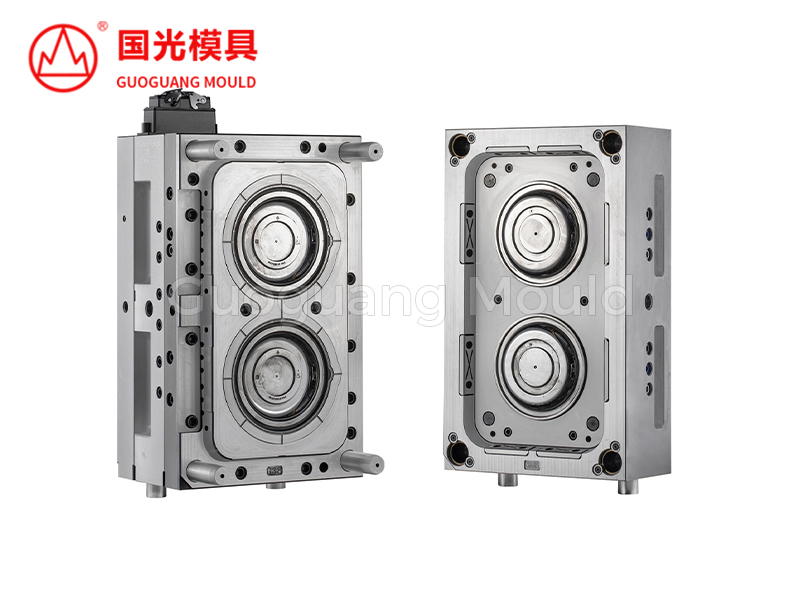
The Thin Wall American Style Large Round Cover Mould is a specialised tool designed for the producti...
See Details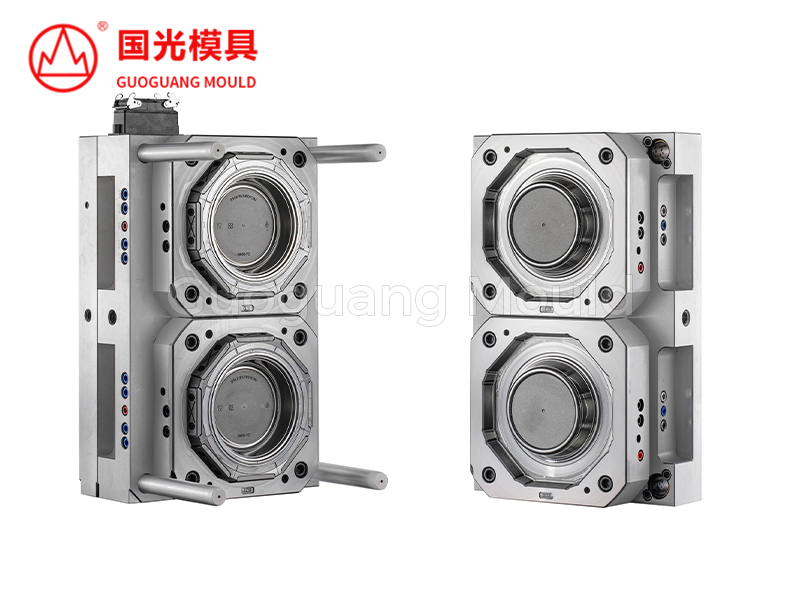
The Injection Plastic American Style Large Round Bowl Mold is an advanced tool designed specifically...
See Details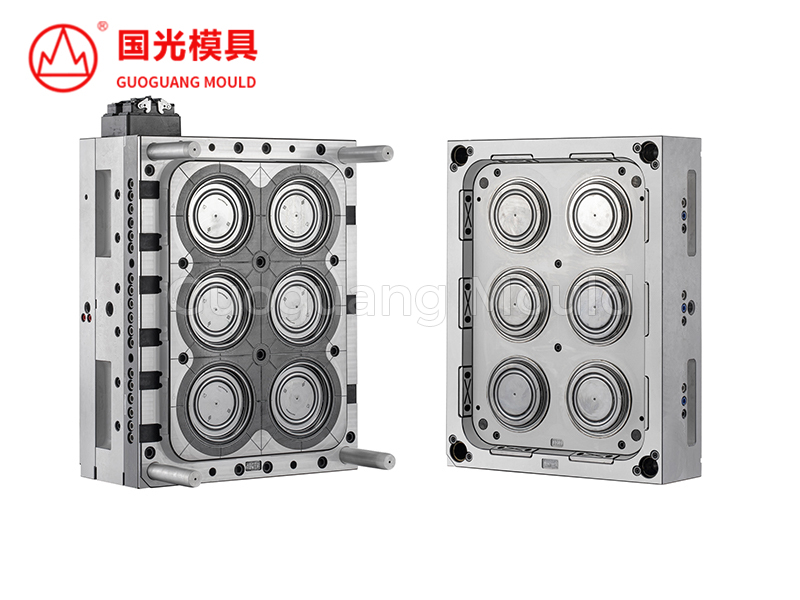
The Thin Wall American Medium Round Cap Mould is a highly efficient tool designed for the production...
See Details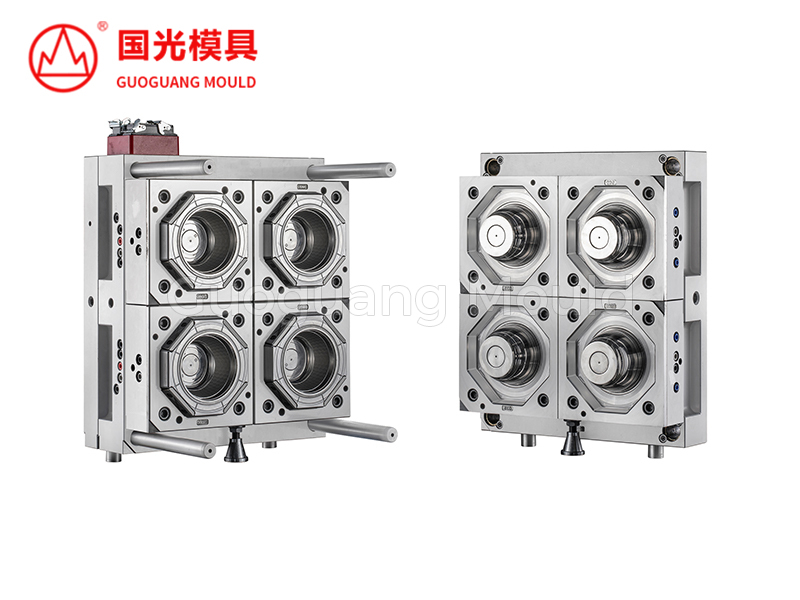
The Thin Wall Medium Size American Bowl Mould is designed for efficient production of medium-sized b...
See Details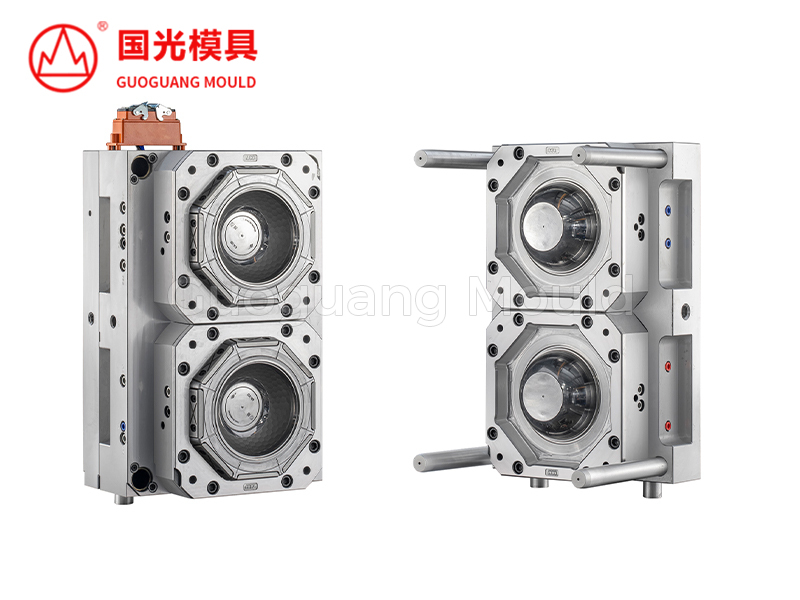
The Injection Plastic Large Round Bowl Mould is a specialized tool designed to produce large round p...
See Details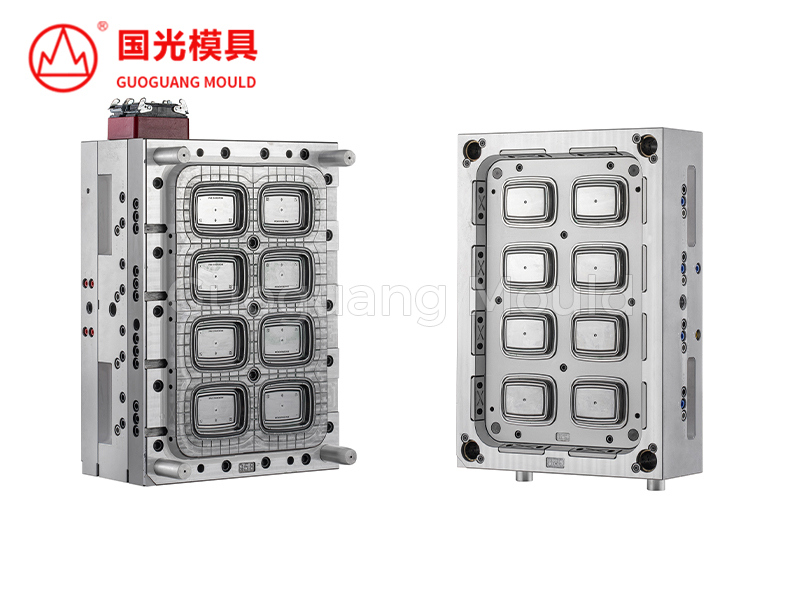
The Thin Wall American Style Small Square Cover Mold is designed for the production of small, square...
See Details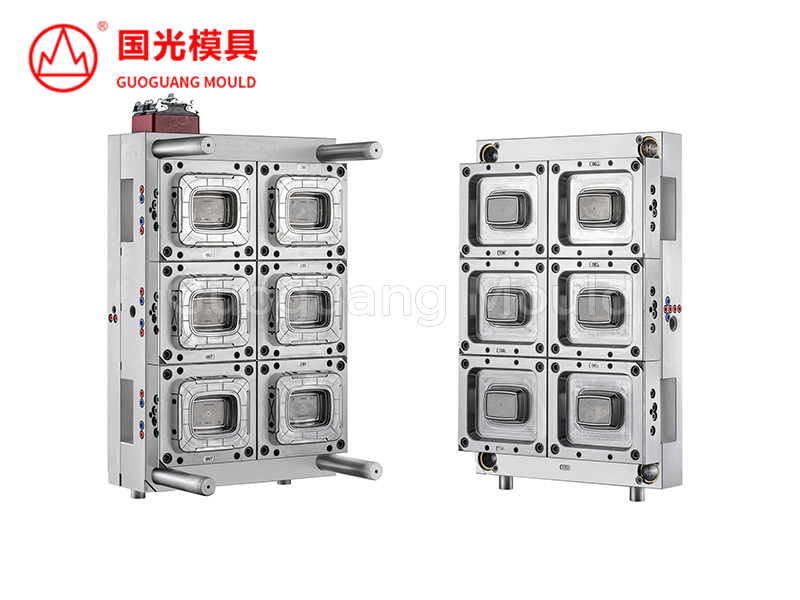
The Plastic Mould for Packaged Food Square Cover is an essential tool for creating square plastic co...
See Details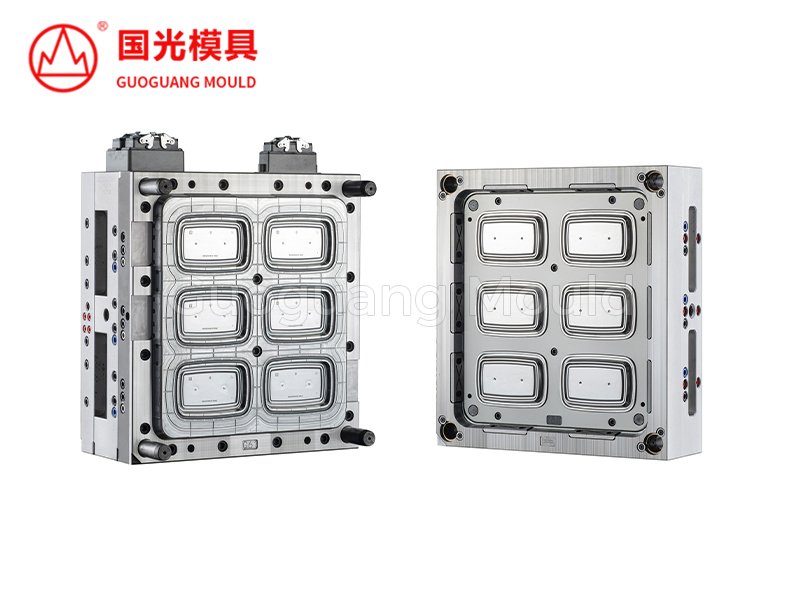
The Thin Wall Square Box Mould is designed for the production of small, square boxes, ensuring effic...
See Details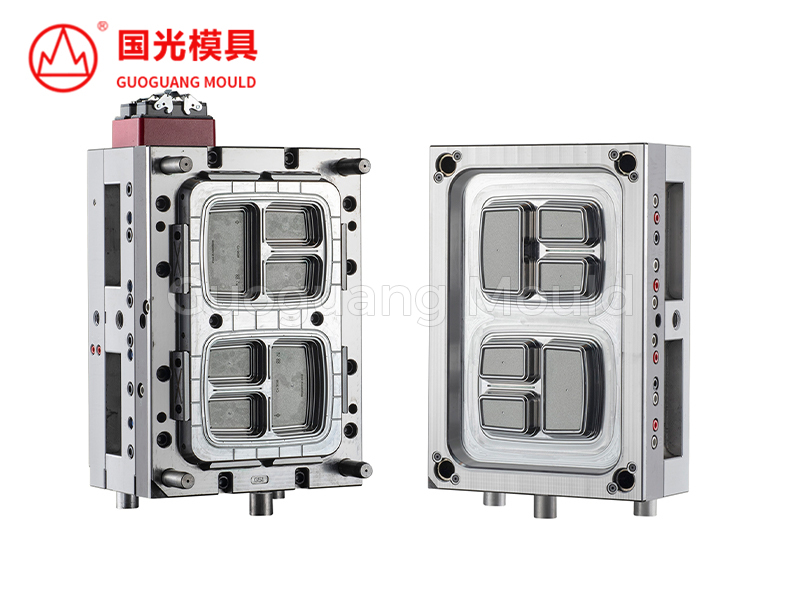
The Restaurant Packaged Three-Compartment Lunch Box Mold is designed for producing plastic lunch box...
See Details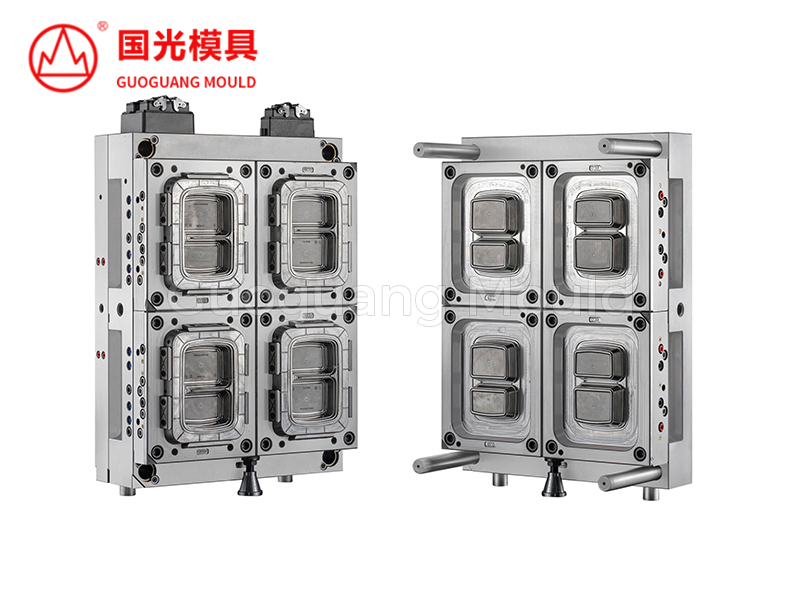
This mould is ideal for high-volume manufacturing, ensuring precise, efficient production of lunch ...
See Details
Guoguang are specialized in thin wall high-speed moulds, almost all cutlery moulds can be customized by us.
Copyright © Zhejiang Taizhou Guoguang Mould Plastic Co., Ltd. All Rights Reserved.
Thin Wall Mold Manufacturer
