 English
 中文简体
中文简体 Español
 عربى
عربى


Guoguang are specialized in thin wall high-speed moulds, almost all cutlery moulds can be customized by us.
Injection plastic round cap molds are specifically designed to manufacture round plastic caps with h...
See Details

The jelly cup mould has become a commonly used tool in food packaging manufacturing facilities producing single-serve dessert containers. Unlike general-purpose moulds that require multiple adjustments for different cup shapes, a jelly cup mould is engineered specifically for the thin walls and tapered geometry found in jelly and pudding cups. Food packaging suppliers have ordered jelly cup mould systems to meet demand for portion-controlled dessert products in retail and food service channels. The precision required for a jelly cup mould reflects the need for consistent wall thickness and smooth interior surfaces that release product easily during demolding.
Design considerations for a jelly cup mould begin with part geometry and material flow analysis. A properly engineered jelly cup mould incorporates gate locations that promote even filling of the cavity without creating visible weld lines or flow marks. The draft angle specified for a jelly cup mould typically ranges from one to two degrees per side, allowing the formed cup to release without sticking. Cooling channel layout within a jelly cup mould affects cycle times, as efficient heat removal allows faster production rates. Computer simulation helps validate jelly cup mould design before steel cutting begins.
Steel selection for a jelly cup mould depends on expected production volume and the type of plastic being processed. Polypropylene and polyethylene, common materials for jelly cups, require a jelly cup mould with smooth cavity surfaces to allow easy part ejection. Hardened tool steel is specified for high-volume jelly cup mould applications where production runs exceed one million cycles. Stainless steel variants of the jelly cup mould offer corrosion resistance for facilities that use aggressive mould cleaners between production batches. Pre-hardened steel provides a cost-effective option for lower-volume jelly cup mould requirements.
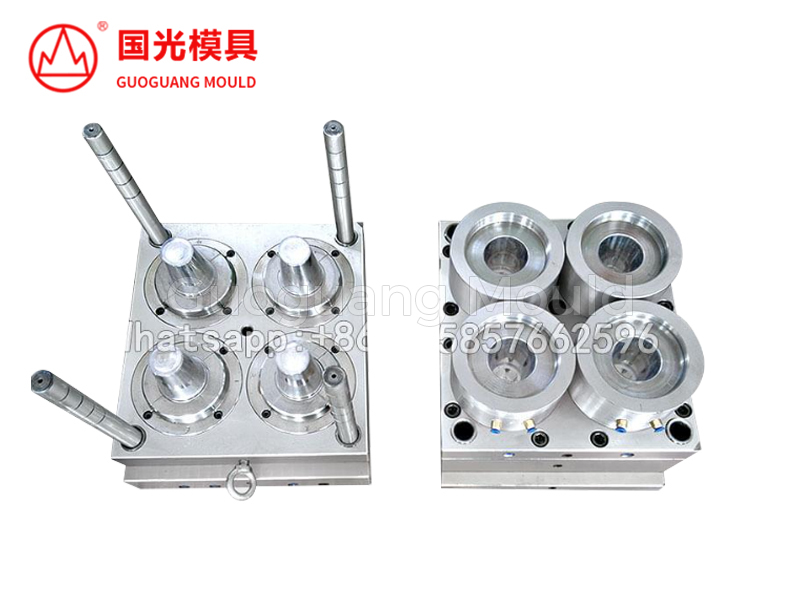
Cooling channel layout presents particular challenges for a jelly cup mould due to the tall, thin geometry of the part. Conformal cooling channels placed close to the cavity walls reduce cycle times for the jelly cup mould by extracting heat more efficiently. Some manufacturers add baffles or heat pipes within the jelly cup mould to direct coolant flow to areas that conventional drilling cannot reach. Uniform cooling prevents warpage of the cup walls and maintains roundness of the container opening. Thermal imaging of the jelly cup mould during trial shots identifies hot spots that require additional cooling capacity.
Ejection systems on a jelly cup mould must handle the thin walls of the formed containers. A jelly cup mould often incorporates a stripper plate design that pushes evenly around the perimeter of the cup rim. Air poppet valves assist release of deep-drawn sections within the jelly cup mould without marking the food-contact surfaces. Return pins ensure that the ejection system of the jelly cup mould resets before the next injection cycle. Proper ejection design reduces scrap rates and extends the service life of the jelly cup mould.
The jelly cup mould will likely continue serving dessert packaging applications as single-serve products remain popular. Advances in mold manufacturing may produce jelly cup mould with faster cycle times and longer service intervals. For food packaging engineers seeking reliable tooling, the jelly cup mould offers a proven solution for cup production.
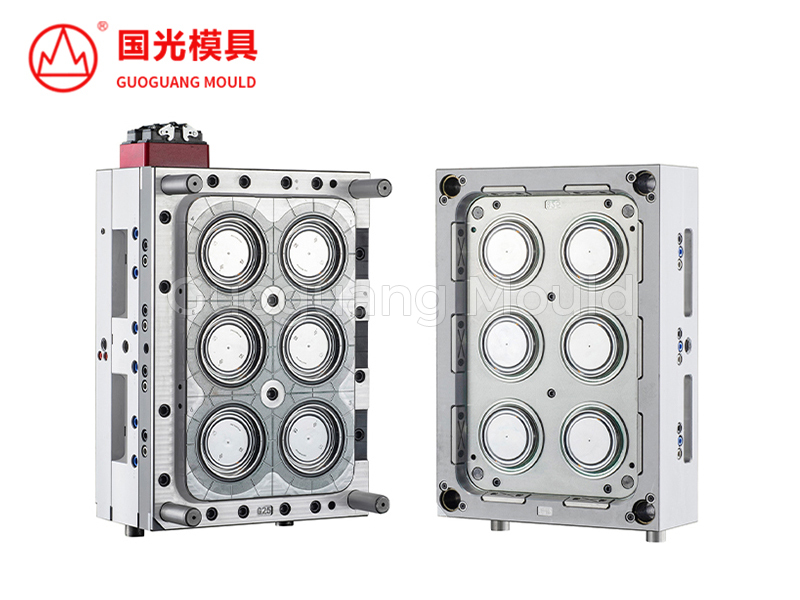
Injection plastic round cap molds are specifically designed to manufacture round plastic caps with h...
See Details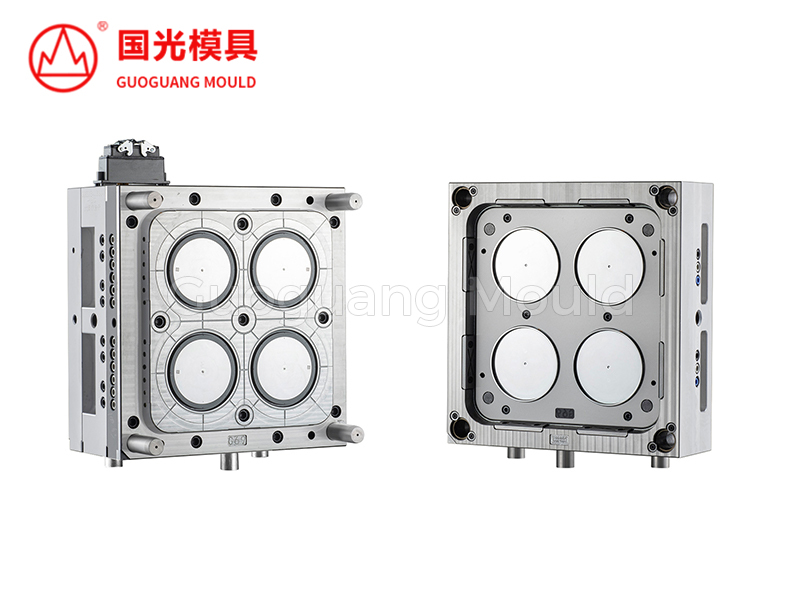
Injection plastic round bowl moulds are designed to create high-quality, durable plastic round bowls...
See Details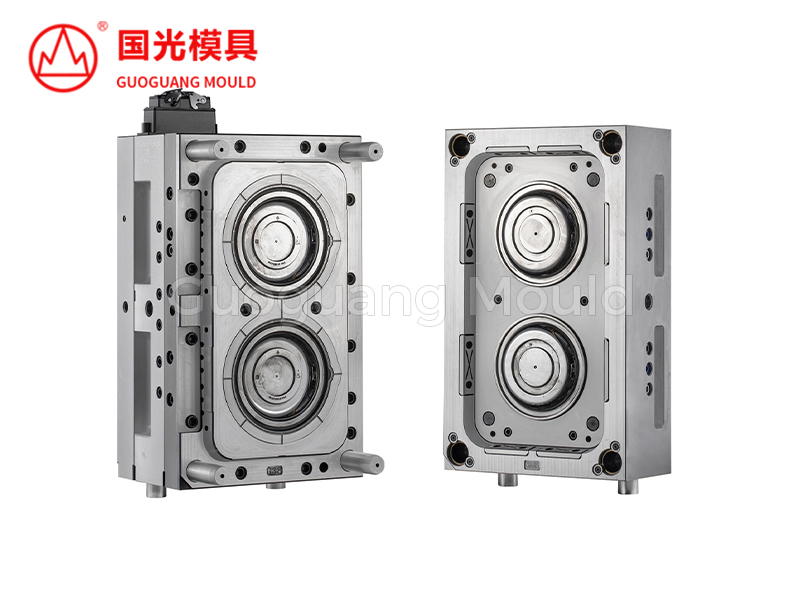
The Thin Wall American Style Large Round Cover Mould is a specialised tool designed for the producti...
See Details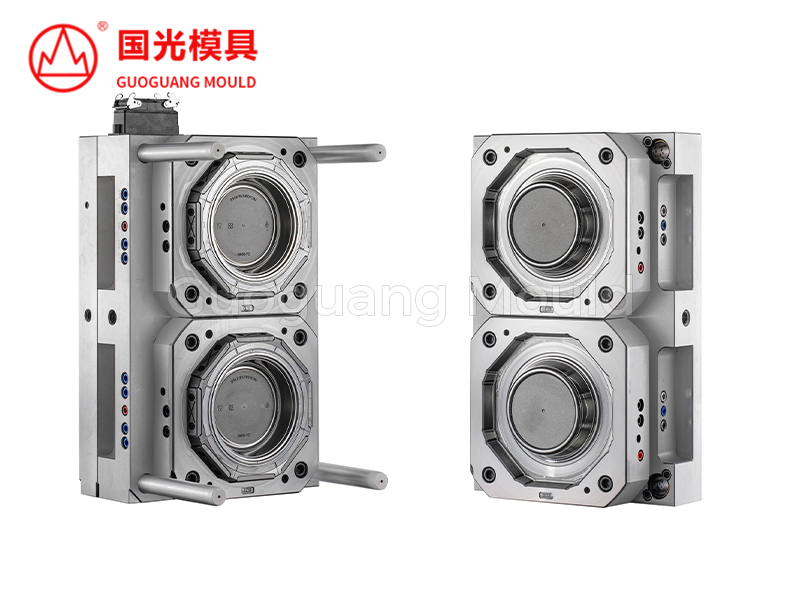
The Injection Plastic American Style Large Round Bowl Mold is an advanced tool designed specifically...
See Details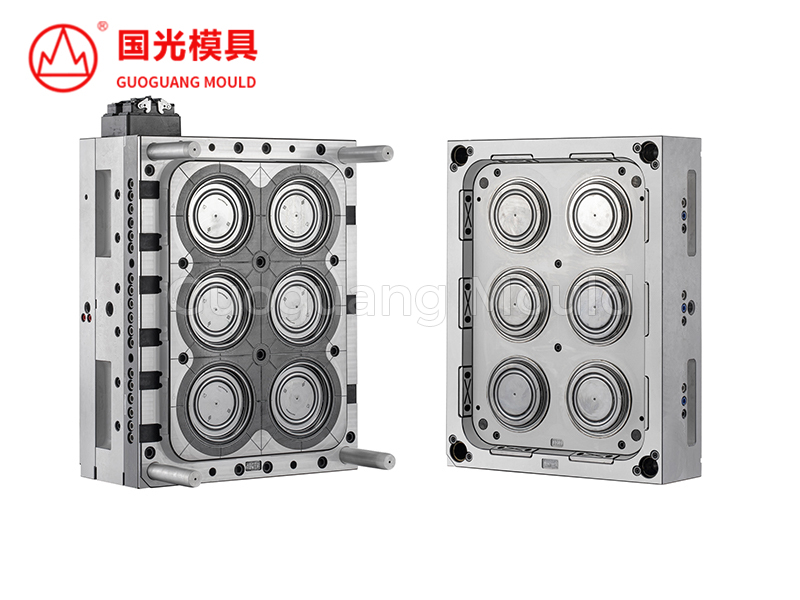
The Thin Wall American Medium Round Cap Mould is a highly efficient tool designed for the production...
See Details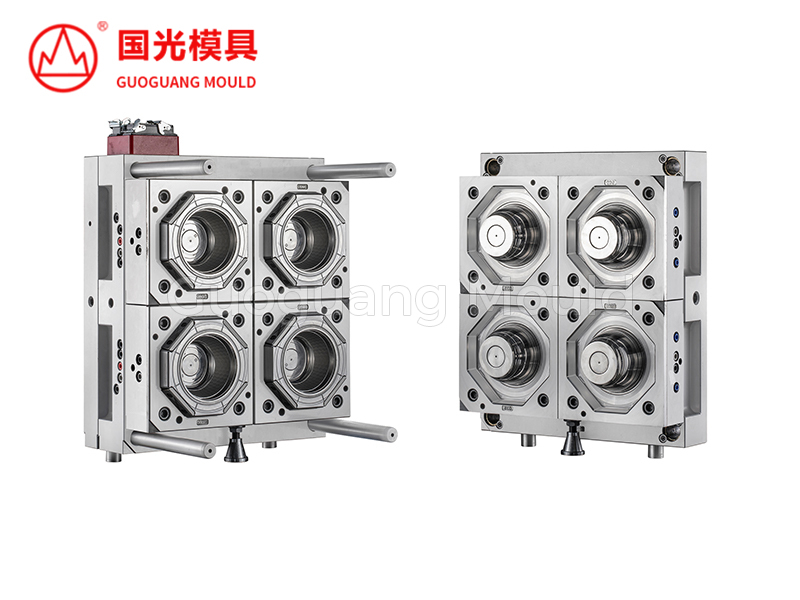
The Thin Wall Medium Size American Bowl Mould is designed for efficient production of medium-sized b...
See Details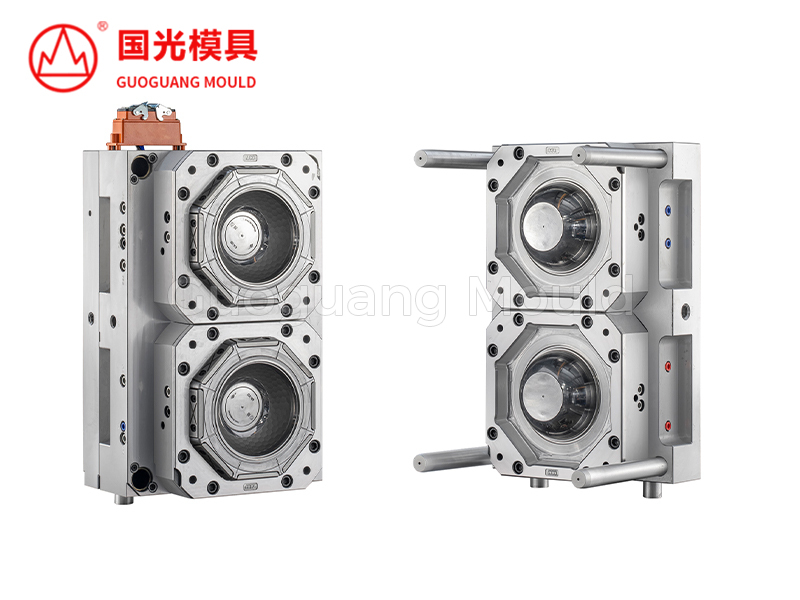
The Injection Plastic Large Round Bowl Mould is a specialized tool designed to produce large round p...
See Details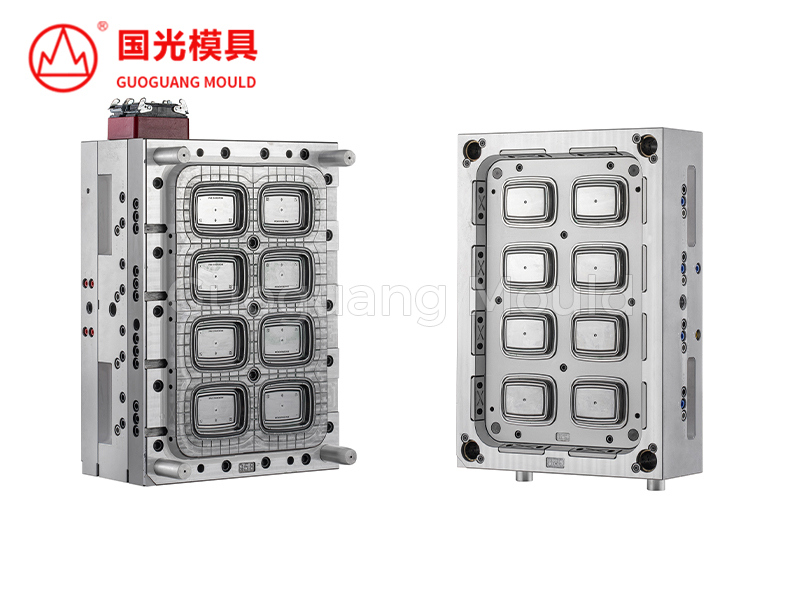
The Thin Wall American Style Small Square Cover Mold is designed for the production of small, square...
See Details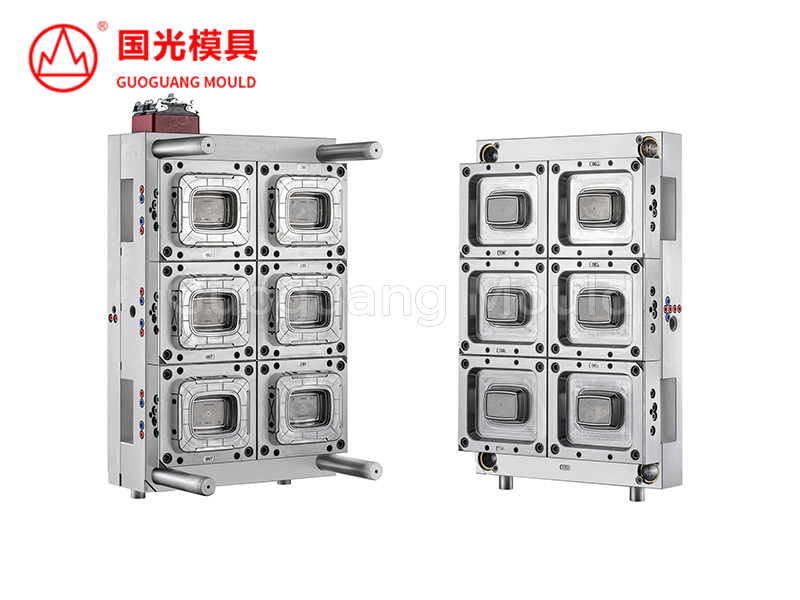
The Plastic Mould for Packaged Food Square Cover is an essential tool for creating square plastic co...
See Details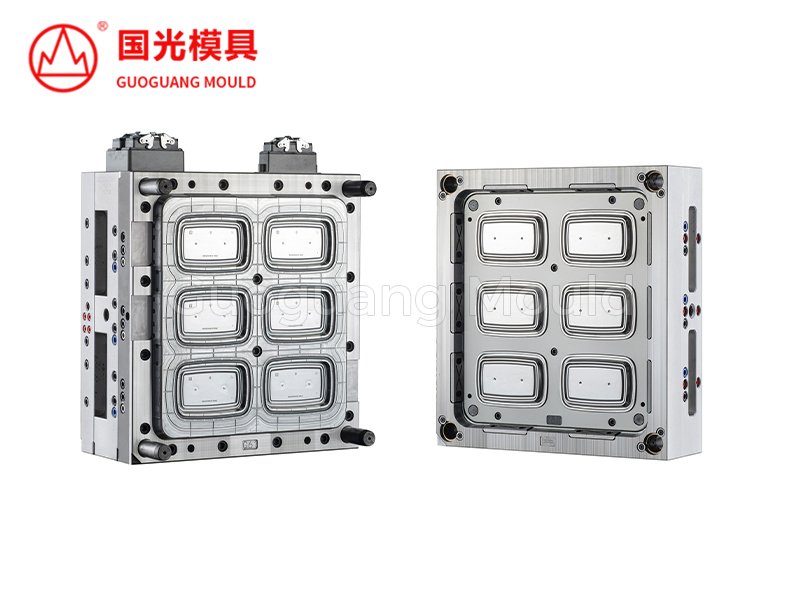
The Thin Wall Square Box Mould is designed for the production of small, square boxes, ensuring effic...
See Details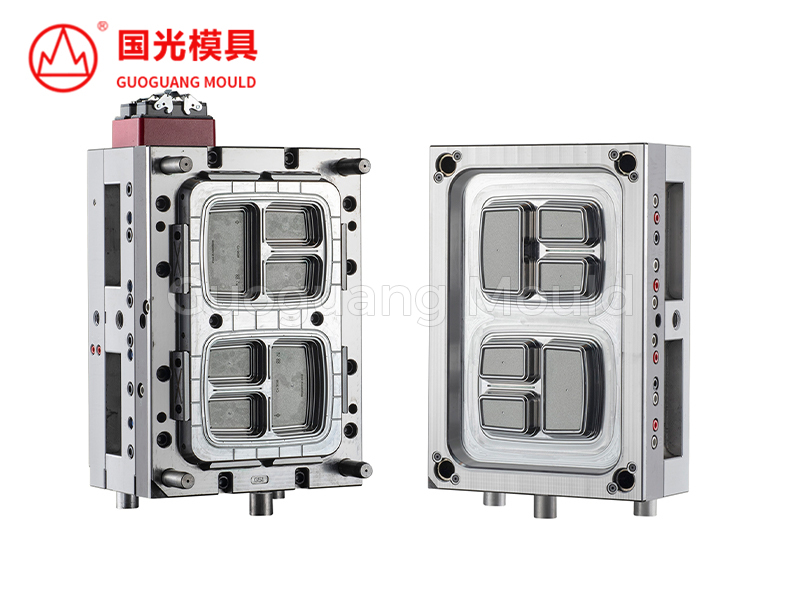
The Restaurant Packaged Three-Compartment Lunch Box Mold is designed for producing plastic lunch box...
See Details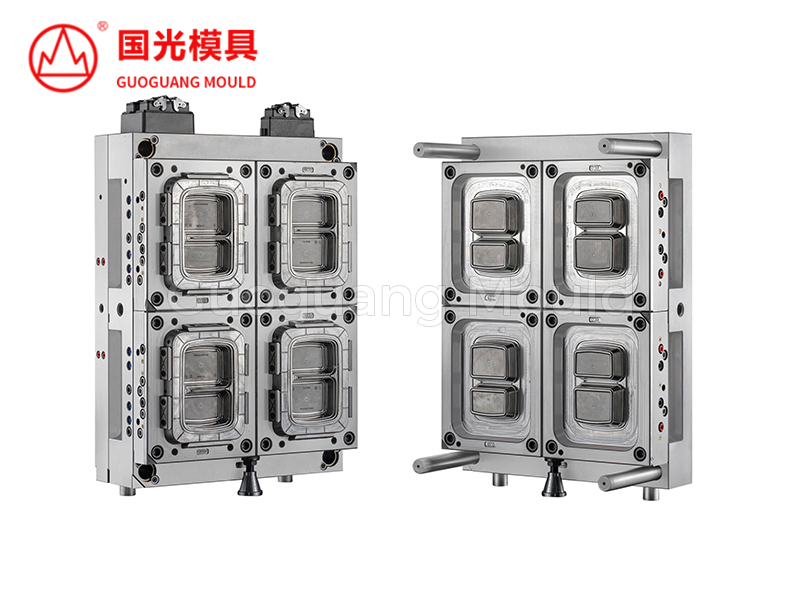
This mould is ideal for high-volume manufacturing, ensuring precise, efficient production of lunch ...
See Details
Guoguang are specialized in thin wall high-speed moulds, almost all cutlery moulds can be customized by us.
Copyright © Zhejiang Taizhou Guoguang Mould Plastic Co., Ltd. All Rights Reserved.
Thin Wall Mold Manufacturer
