 English
 中文简体
 Español
 عربى


Guoguang are specialized in thin wall high-speed moulds, almost all cutlery moulds can be customized by us.
Injection plastic round cap molds are specifically designed to manufacture round plastic caps with h...
See Details

Food packaging production depends on more than the shape of a finished container. Behind every plastic tub, takeaway box, and storage container is a mould system that determines its dimensions, wall structure, surface details, and forming process. As packaging designs become more varied, Food Container Mould Manufacture involves a combination of product engineering, material selection, machining, and mould assembly.
Every mould project begins with a clear understanding of the intended container. Engineers usually work from product drawings, 3D models, or physical samples to define the basic mould structure.
Container length, width, height, wall thickness, corner radius, and bottom geometry all influence the mould design. Even small changes in these dimensions can affect cavity construction and the arrangement of other components.
During Food Container Mould Manufacture, designers also need to understand how the finished container will be formed and released from the mould. This early engineering work helps establish a practical structure before machining begins.
Mould material selection is closely related to production requirements, container design, and expected manufacturing conditions. Common options include different grades of mould steel, selected according to their machining characteristics, hardness, and application requirements.
Steel selection influences how the mould components are processed and finished. For example, cavity and core materials need to support the required surface texture and dimensional structure.
In Food Container Mould Manufacture, material decisions are generally made alongside the mould design rather than treated as an isolated step. This allows engineers to coordinate material properties with the intended mould configuration.
After the design is confirmed, the mould components enter the machining stage. CNC milling is commonly used to process cavity surfaces, core structures, and other shaped components.
Drilling equipment creates cooling channels and other required holes, while electrical discharge machining can process complex areas that are difficult to reach through conventional cutting methods.
The machining sequence depends on the mould structure and component design. During Food Container Mould Manufacture, different processing methods work together to produce the geometry specified in the engineering drawings.
Once the plastic has cooled sufficiently, the mould opens and the finished container needs to be released. The ejection system performs this task through components such as ejector pins, ejector plates, and other mechanical structures.
Different container shapes require different ejection arrangements. A rectangular box, for example, may have corner structures and sidewalls that influence the position of ejector components.
Food Container Mould Manufacture therefore involves coordinating the ejection system with the cavity design. The goal is to provide a release mechanism that matches the container's shape and forming requirements.
Some packaging manufacturers require several containers to be produced during one injection cycle. Multi-cavity moulds provide a way to arrange multiple product cavities within a single mould assembly.
The cavity layout depends on container dimensions, injection machine capacity, runner configuration, and production targets. Round containers and rectangular food boxes may require different cavity arrangements.
A multi-cavity design also involves coordination between the feeding system and cooling channels. These details are established during the engineering stage to match the intended production setup.
Food containers are available in various shapes, capacities, and structural styles. Some are developed for yogurt and dairy packaging, while others are designed for takeaway meals, prepared foods, or ingredient storage.
Customization may involve container dimensions, rim structures, stacking features, surface patterns, and label integration. IML food packaging moulds, for example, require additional consideration of label placement within the cavity.
For overseas buyers, Food Container Mould Manufacture can include customized mould development based on product drawings, sample containers, and injection machine specifications.
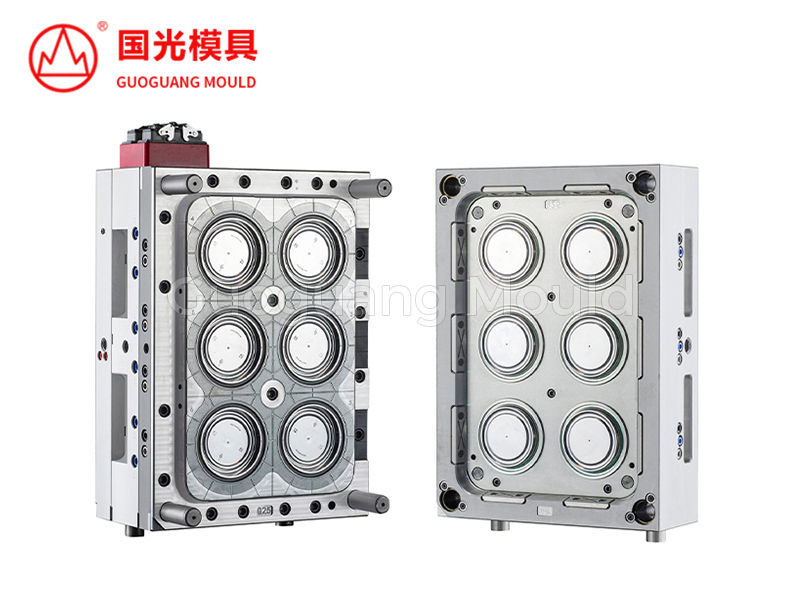
Injection plastic round cap molds are specifically designed to manufacture round plastic caps with h...
See Details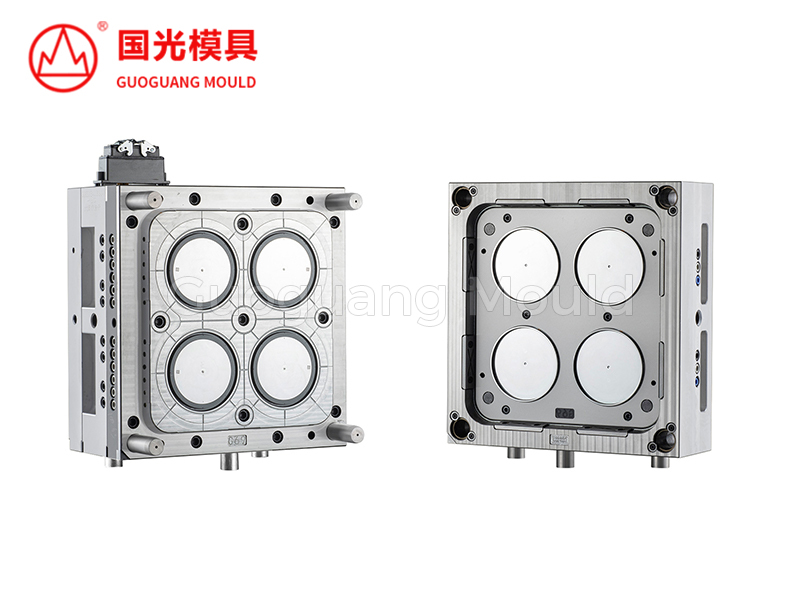
Injection plastic round bowl moulds are designed to create high-quality, durable plastic round bowls...
See Details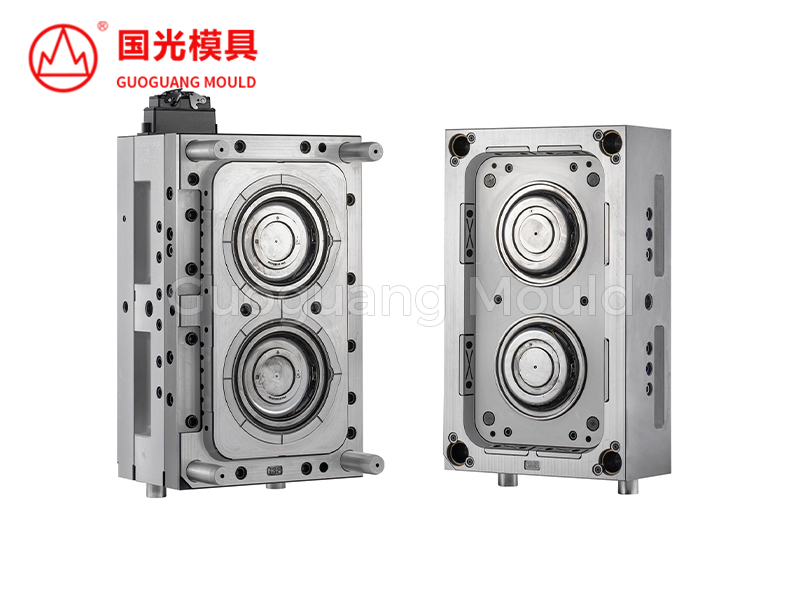
The Thin Wall American Style Large Round Cover Mould is a specialised tool designed for the producti...
See Details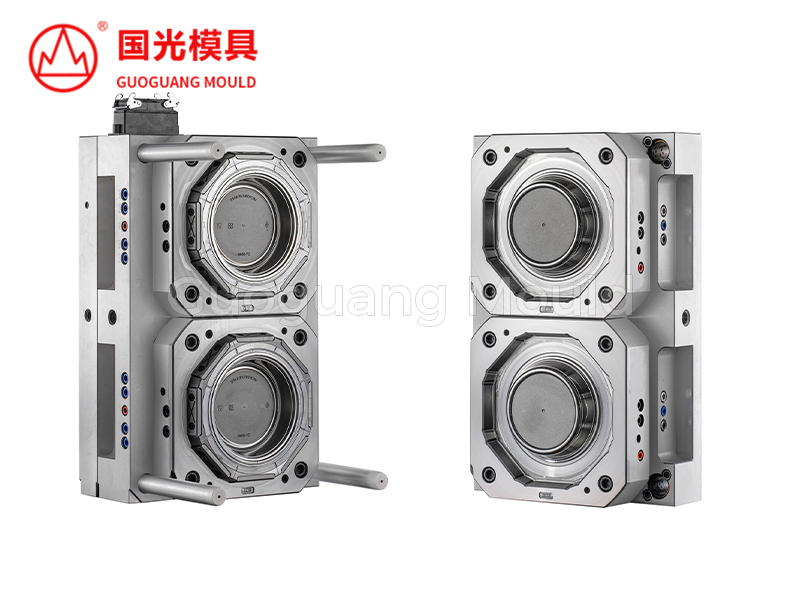
The Injection Plastic American Style Large Round Bowl Mold is an advanced tool designed specifically...
See Details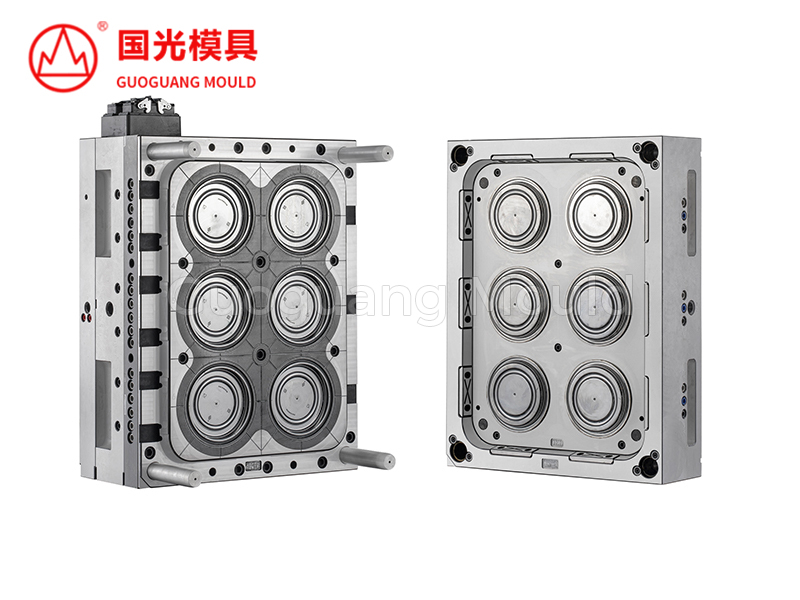
The Thin Wall American Medium Round Cap Mould is a highly efficient tool designed for the production...
See Details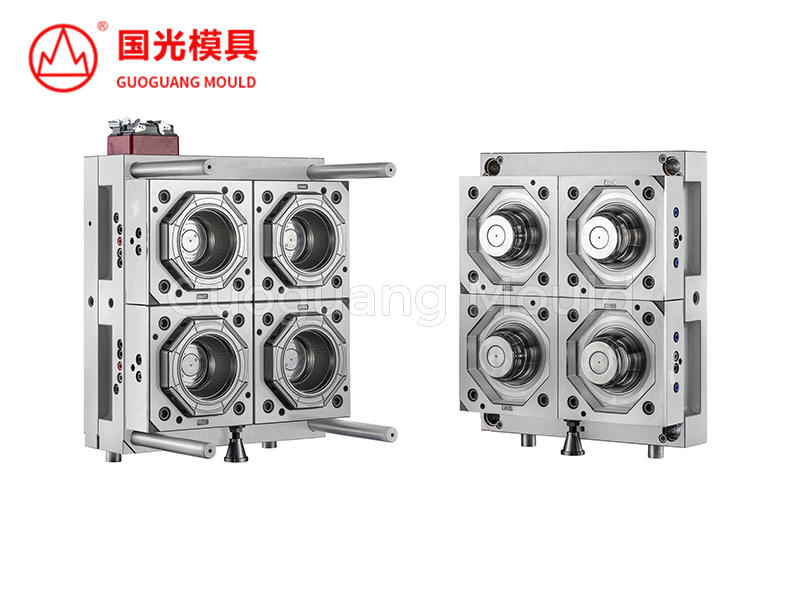
The Thin Wall Medium Size American Bowl Mould is designed for efficient production of medium-sized b...
See Details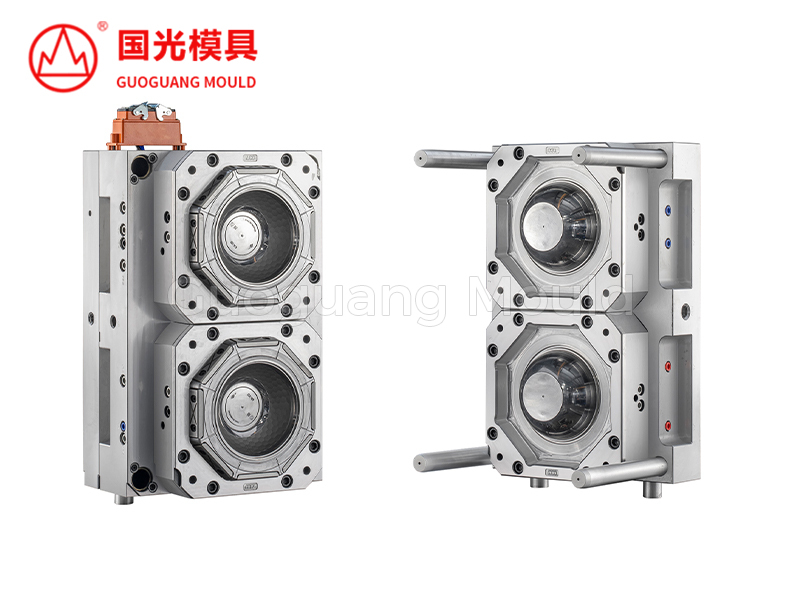
The Injection Plastic Large Round Bowl Mould is a specialized tool designed to produce large round p...
See Details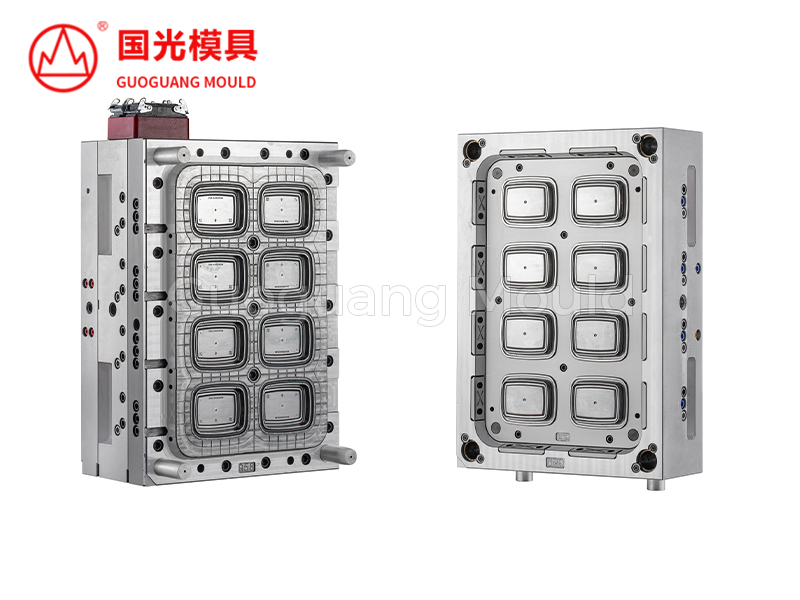
The Thin Wall American Style Small Square Cover Mold is designed for the production of small, square...
See Details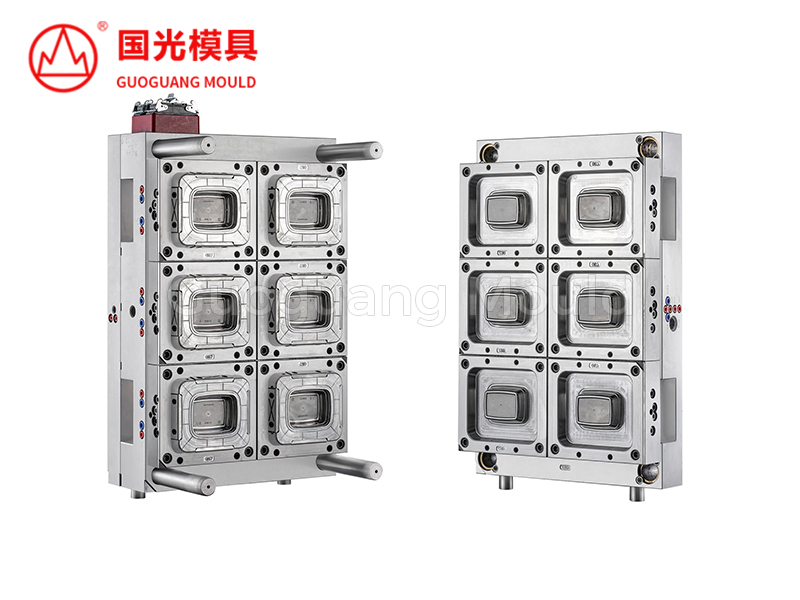
The Plastic Mould for Packaged Food Square Cover is an essential tool for creating square plastic co...
See Details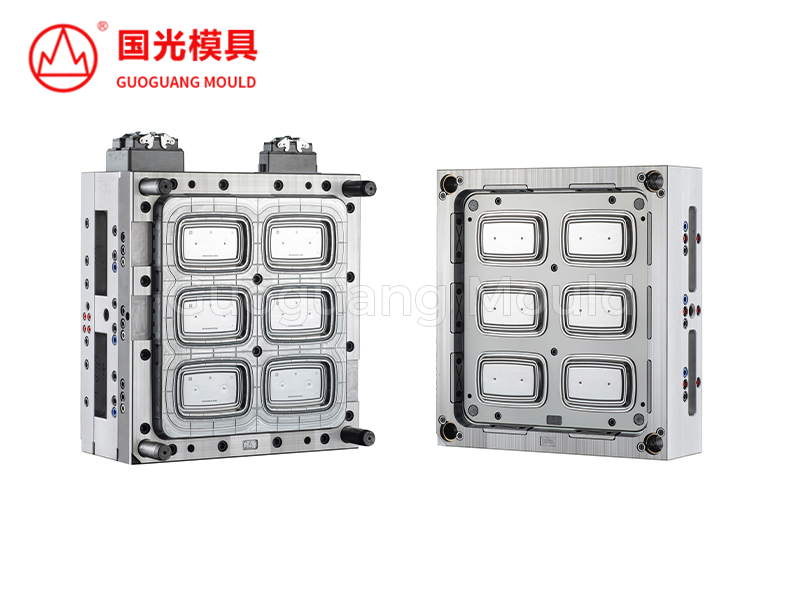
The Thin Wall Square Box Mould is designed for the production of small, square boxes, ensuring effic...
See Details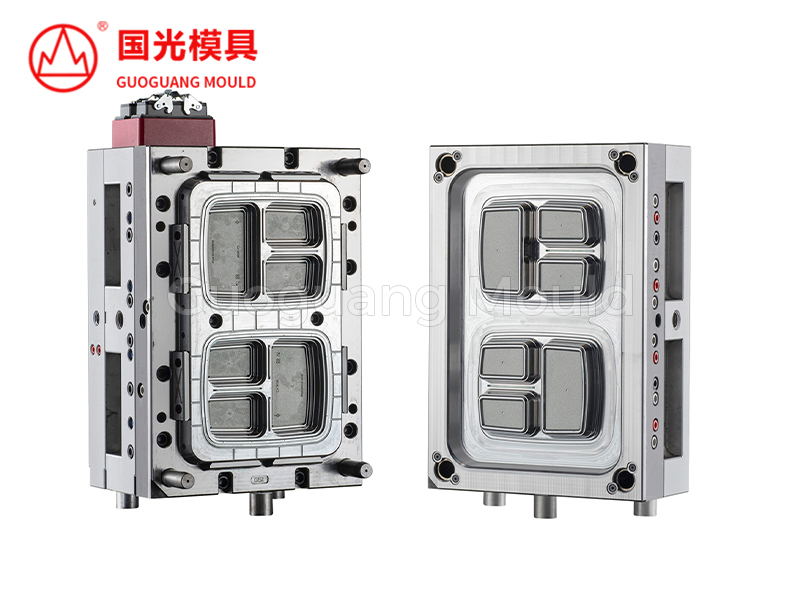
The Restaurant Packaged Three-Compartment Lunch Box Mold is designed for producing plastic lunch box...
See Details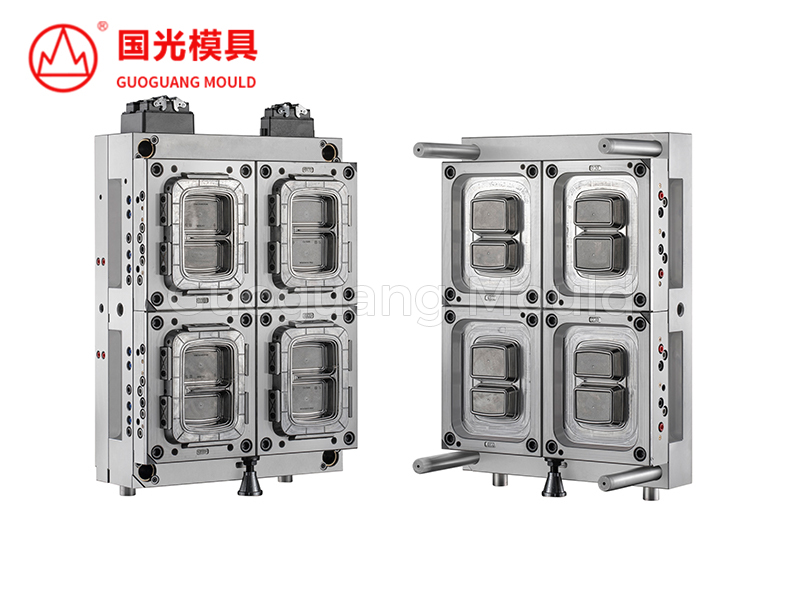
This mould is ideal for high-volume manufacturing, ensuring precise, efficient production of lunch ...
See Details
Guoguang are specialized in thin wall high-speed moulds, almost all cutlery moulds can be customized by us.
Copyright © Zhejiang Taizhou Guoguang Mould Plastic Co., Ltd. All Rights Reserved.
Thin Wall Mold Manufacturer
