 English
 中文简体
 Español
 عربى


Guoguang are specialized in thin wall high-speed moulds, almost all cutlery moulds can be customized by us.
Injection plastic round cap molds are specifically designed to manufacture round plastic caps with h...
See Details

A High Precision Food Storage Box Mold typically consists of a cavity side and a core side that close together under injection pressure. The cavity forms the outer shape of the box while the core shapes the interior and lid interface. Cooling channels run through both halves to control solidification time.
Steel grades such as pre-hardened or through-hardened alloys form the main body of the mold. Inserts may be added at high-wear areas to maintain surface integrity over extended production runs. This structure allows the mold to deliver uniform wall thickness and accurate lid fit for the finished storage boxes.
The internal surfaces of a High Precision Food Storage Box Mold receive fine polishing or texturing according to the intended appearance of the plastic part. Smooth finishes support easy release and clean aesthetics on the exterior of the box. Critical sealing zones around the rim receive tighter tolerance control to ensure the lid closes securely.
Dimensional accuracy is maintained through precise machining of the cavity and core. Features such as ribs, stacking lips, or handle grips are incorporated directly into the mold geometry. These elements help the finished food storage boxes nest or stack efficiently during packing and transport.
High Precision Food Storage Box Mold units are used to produce rectangular, square, and round containers in various sizes. Common outputs include lunch boxes, refrigerator organizers, and multi-compartment trays. The molds support both single-cavity and multi-cavity layouts depending on the required output volume.
In food packaging lines, the resulting boxes hold dry goods, prepared meals, or fresh produce. Household product ranges also rely on these molds for sets that include matching lids. The ability to form both box and lid in related mold sets keeps the product family consistent in appearance and function.
Multi-cavity configurations in a High Precision Food Storage Box Mold allow several boxes to form in a single injection cycle. Balanced runner systems distribute the molten plastic evenly to each cavity. Hot-runner options can reduce material waste and shorten cycle times compared with cold-runner designs.
Ejector pins and air-assist features help release the molded parts cleanly without distortion. Cooling efficiency directly influences how quickly the plastic solidifies enough for safe ejection. These design choices support steady output rates when the mold operates on standard injection molding machines.
Factories producing High Precision Food Storage Box Mold can supply both prototype and full-production versions. Prototype molds may use simpler construction for early part evaluation, while production molds incorporate more durable components for longer service. Cavity numbers can be selected according to the expected monthly output of finished boxes.
Interchangeable inserts allow a single mold base to produce related sizes or slight design variations. This approach reduces the need for entirely separate tools when a product range expands. Clear communication of part drawings and expected annual volumes helps align the mold specification with the buyer's manufacturing plan.
High Precision Food Storage Box Mold remains a practical tooling solution for companies producing plastic food containers at scale. Its combination of structural design, surface control, and layout flexibility supports reliable forming of storage boxes and lids. When packaging programs require consistent part geometry and efficient cycle performance, this type of mold provides a workable foundation for ongoing production.
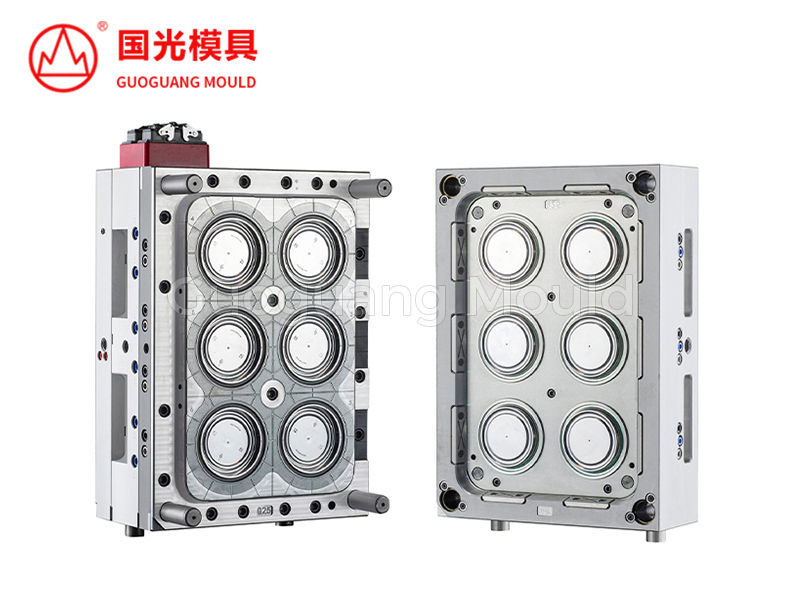
Injection plastic round cap molds are specifically designed to manufacture round plastic caps with h...
See Details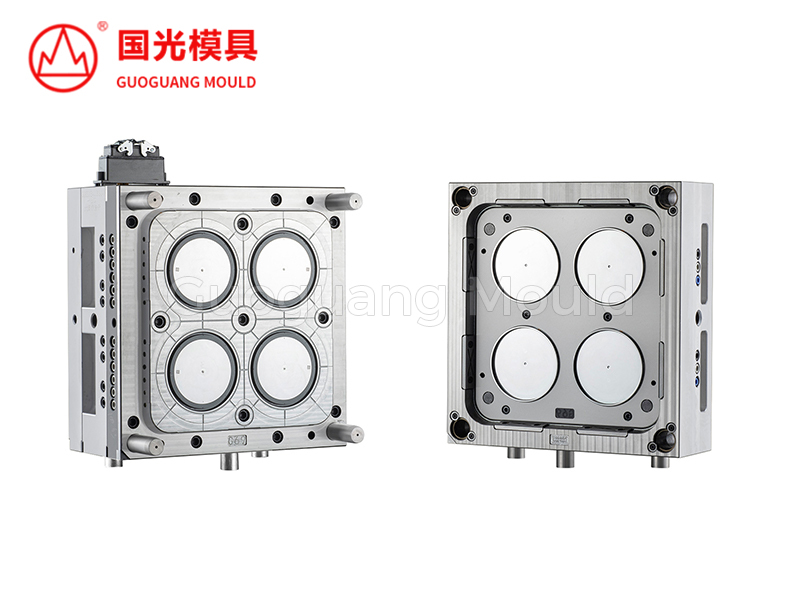
Injection plastic round bowl moulds are designed to create high-quality, durable plastic round bowls...
See Details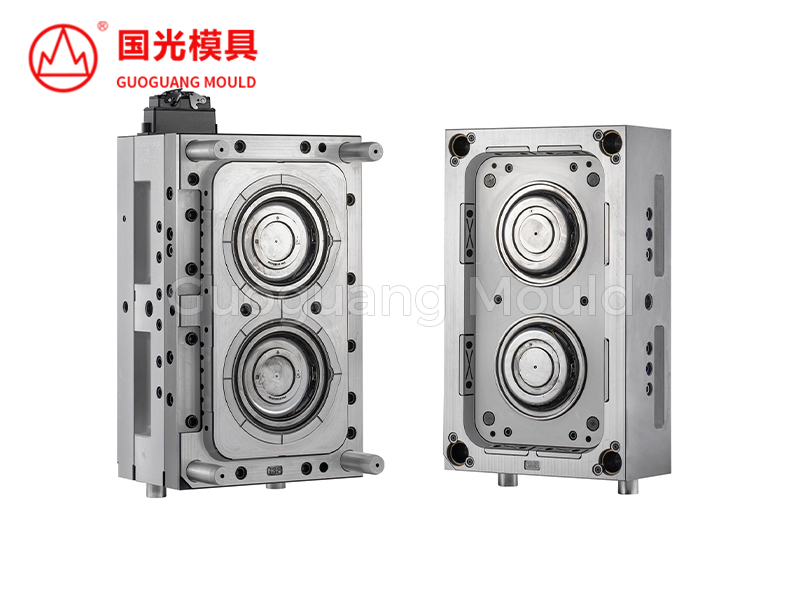
The Thin Wall American Style Large Round Cover Mould is a specialised tool designed for the producti...
See Details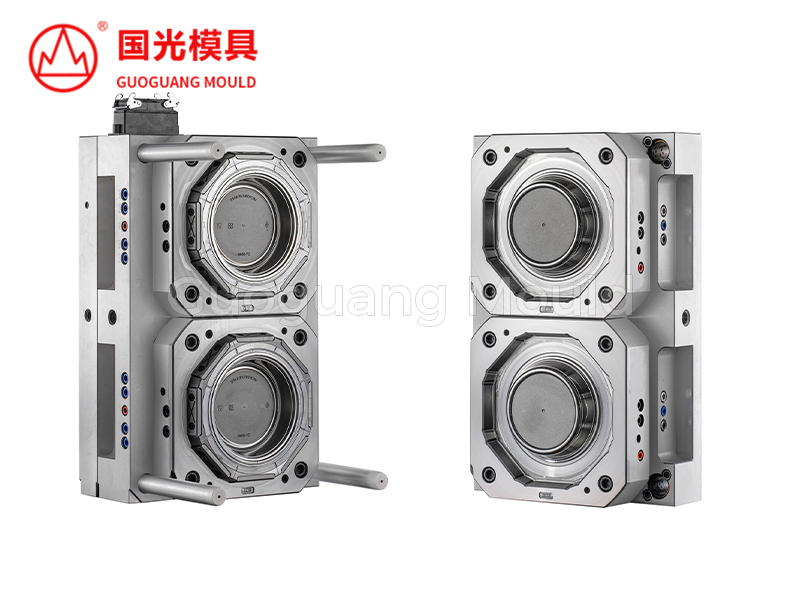
The Injection Plastic American Style Large Round Bowl Mold is an advanced tool designed specifically...
See Details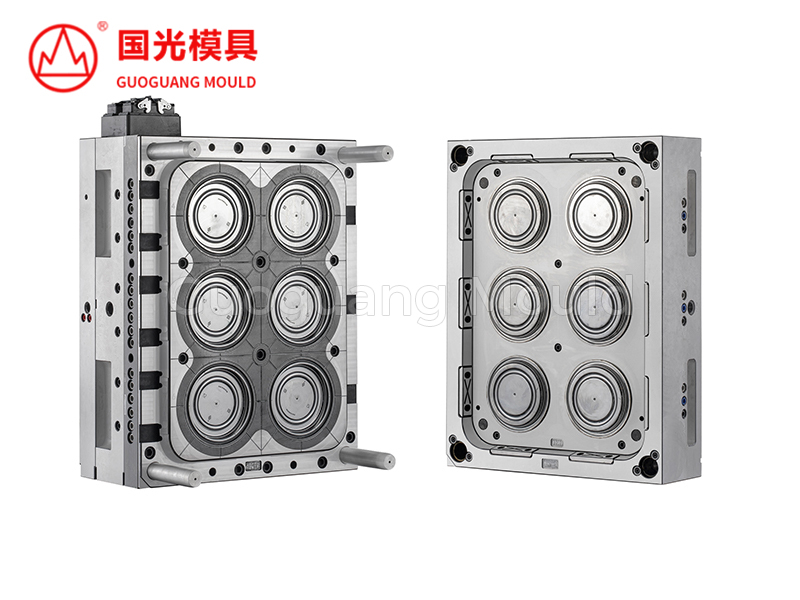
The Thin Wall American Medium Round Cap Mould is a highly efficient tool designed for the production...
See Details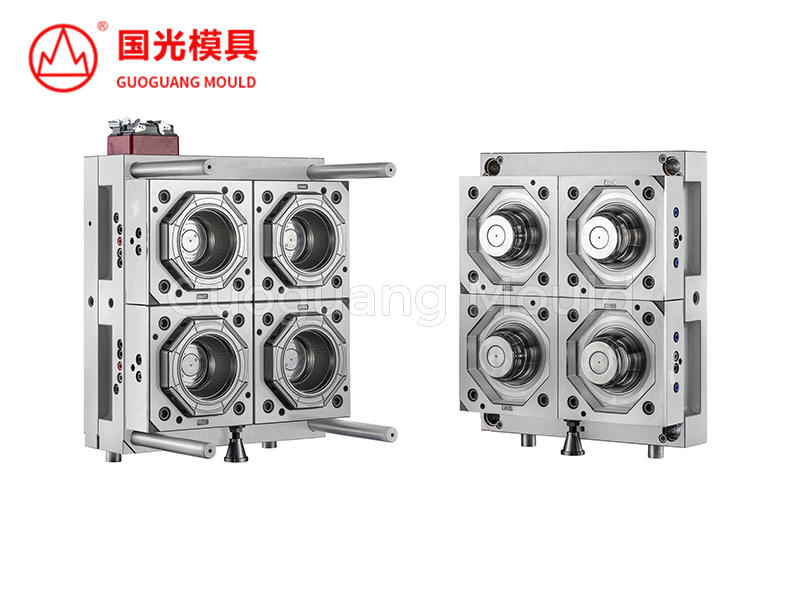
The Thin Wall Medium Size American Bowl Mould is designed for efficient production of medium-sized b...
See Details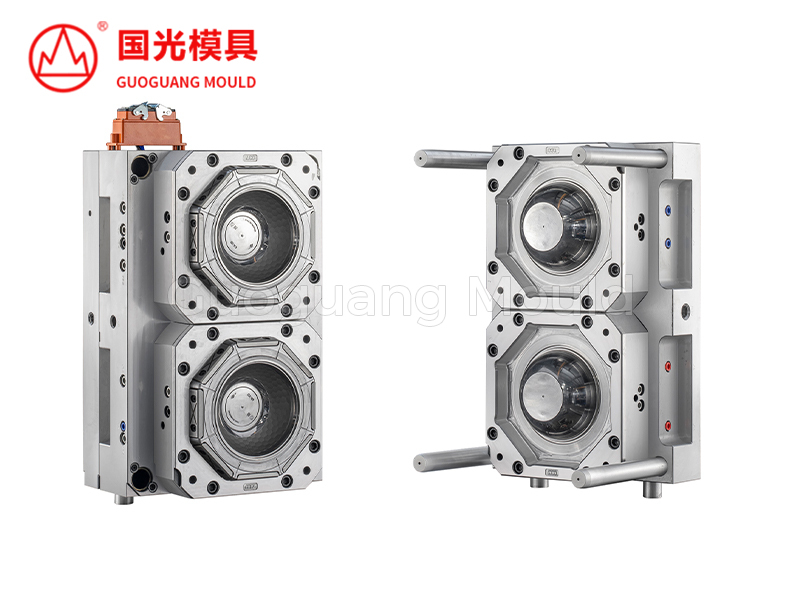
The Injection Plastic Large Round Bowl Mould is a specialized tool designed to produce large round p...
See Details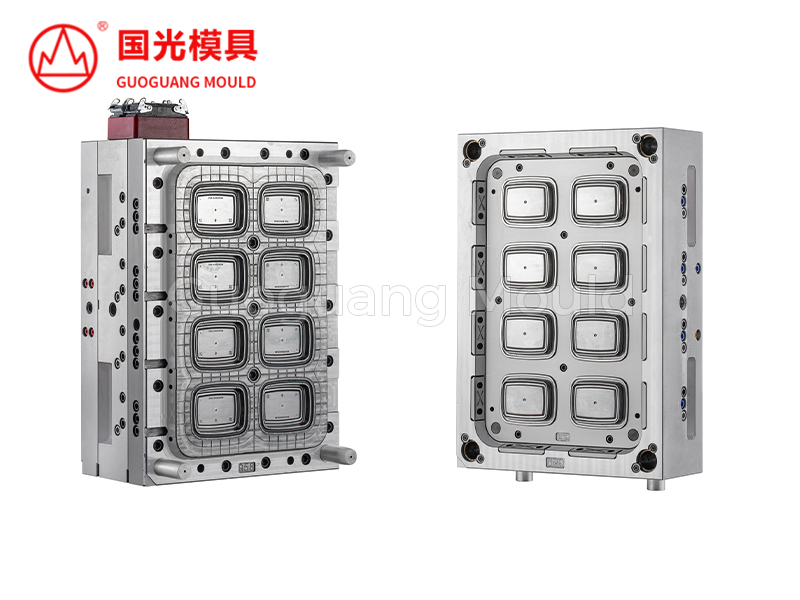
The Thin Wall American Style Small Square Cover Mold is designed for the production of small, square...
See Details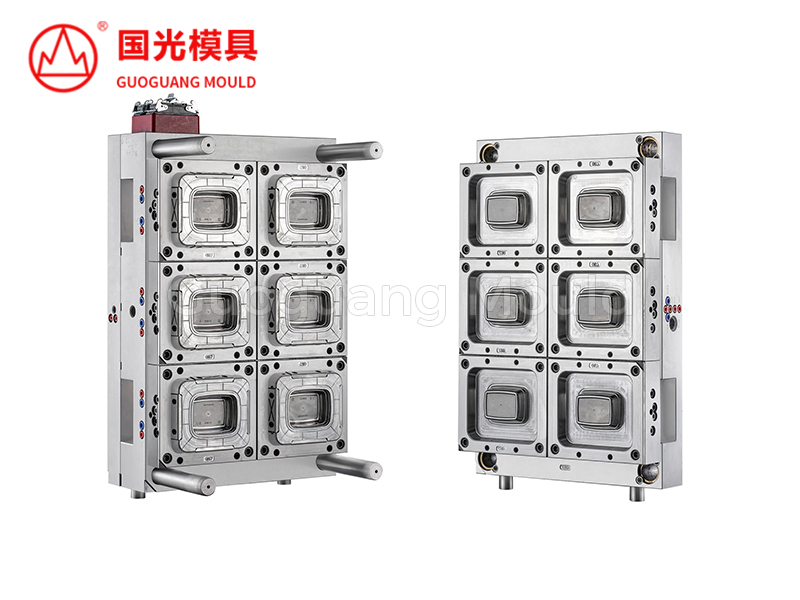
The Plastic Mould for Packaged Food Square Cover is an essential tool for creating square plastic co...
See Details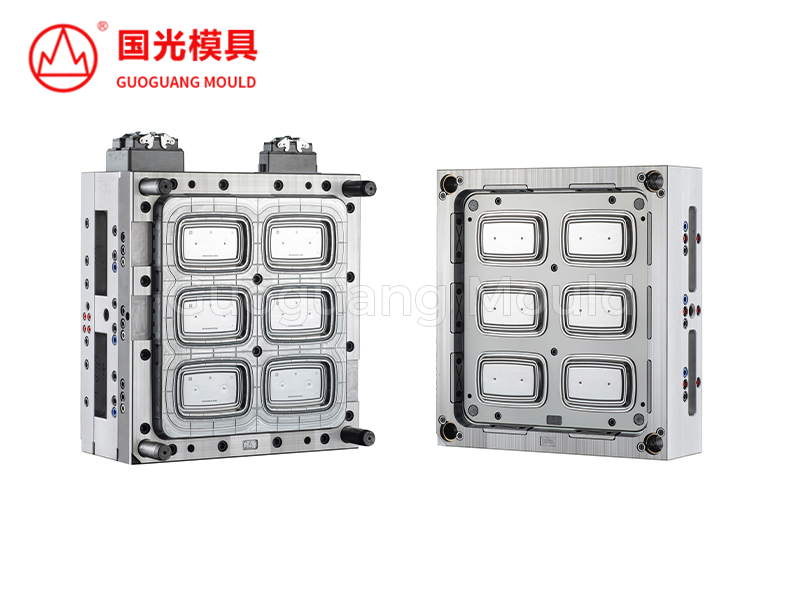
The Thin Wall Square Box Mould is designed for the production of small, square boxes, ensuring effic...
See Details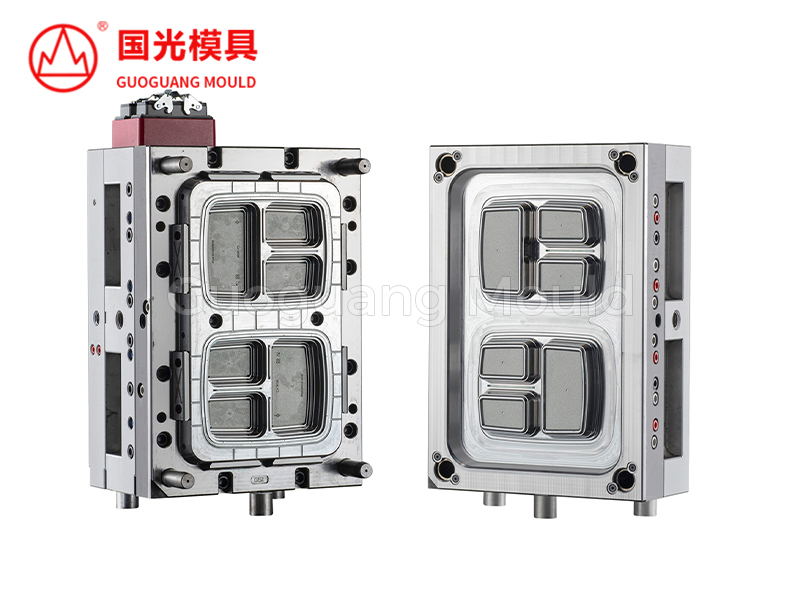
The Restaurant Packaged Three-Compartment Lunch Box Mold is designed for producing plastic lunch box...
See Details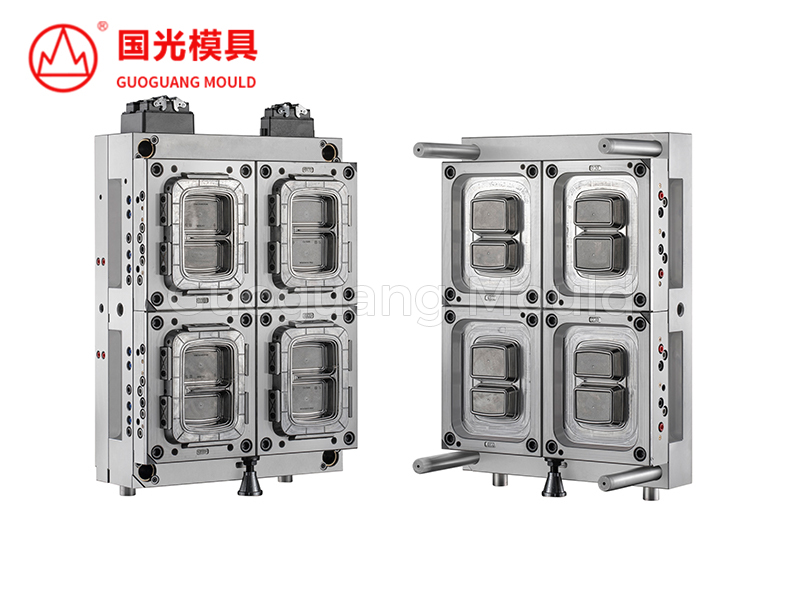
This mould is ideal for high-volume manufacturing, ensuring precise, efficient production of lunch ...
See Details
Guoguang are specialized in thin wall high-speed moulds, almost all cutlery moulds can be customized by us.
Copyright © Zhejiang Taizhou Guoguang Mould Plastic Co., Ltd. All Rights Reserved.
Thin Wall Mold Manufacturer
