 English
 中文简体
 Español
 عربى


Guoguang are specialized in thin wall high-speed moulds, almost all cutlery moulds can be customized by us.
Injection plastic round cap molds are specifically designed to manufacture round plastic caps with h...
See Details

In food packaging manufacturing, container appearance and production efficiency are closely connected. Packaging producers need mould systems that can form accurate container structures while integrating decorative labels into the finished plastic product. In-mould labeling (IML) provides a manufacturing approach that combines these two processes within one moulding cycle. As demand for printed food containers continues across different packaging categories, the China Plastic Mould For Iml Food Packaging Box has become a relevant equipment option for packaging manufacturers and international buyers.
An IML food container mould consists of several functional sections that work together during injection moulding. The cavity and core define the shape of the packaging box, while the mould base provides structural support for the complete assembly.
The cooling system plays an important role in controlling the temperature of the mould during production. Proper cooling channel arrangements help the plastic material solidify within the required production cycle.
The ejection system is another important component. Once the container reaches the required solid state, ejector components help release the finished product from the mould. Their arrangement needs to match the container geometry to support stable demoulding.
For IML production, additional attention is given to the label placement area. The mould design must provide suitable positioning conditions so that the label remains in the intended location when molten plastic enters the cavity.
Producing an IML mould involves several connected engineering stages. The process generally starts with product drawings and three-dimensional design data supplied by the packaging manufacturer.
Engineers use CAD software to develop the mould structure according to the required container dimensions, wall thickness, shape, and label position. Mould flow analysis may also be used to study how molten plastic fills the cavity and identify potential adjustments to the gate arrangement.
After the design stage, machining operations begin. CNC milling, precision drilling, electrical discharge machining, and other processing methods can be used to manufacture different mould components.
The individual parts are then assembled into a complete mould system. During this stage, engineers pay attention to component alignment, cavity structure, cooling channels, and ejection mechanisms.
A China Plastic Mould For Iml Food Packaging Box may also require customized cavity configurations according to the production capacity and container specifications of the packaging manufacturer.
Label positioning is a distinctive technical aspect of IML mould production. Unlike conventional injection moulding, the process requires a printed label to be placed accurately before the injection stage.
Depending on the equipment configuration, robotic systems can transfer labels into the mould cavity. The label is held in the required position through suitable positioning and retention arrangements.
When the mould closes, the injection unit introduces molten plastic into the cavity. The material flows against the label and forms the container body. Temperature, injection pressure, gate position, and cavity geometry all influence the bonding process and finished appearance.
For manufacturers developing a China Plastic Mould For Iml Food Packaging Box, coordination between the mould structure, injection machine, and label-handling system is an important part of the engineering work.
Food packaging manufacturers produce containers in different shapes and capacities. Round tubs, rectangular boxes, square containers, and other customized designs may require different mould structures.
Container dimensions, wall thickness, rim design, bottom geometry, and label coverage can all affect mould development. For example, a rectangular food box may require different corner arrangements and label positioning methods compared with a round container.
Multi-cavity mould designs are also available for production lines that need to manufacture several containers within one injection cycle. The number and arrangement of cavities depend on the injection machine, container dimensions, and production requirements.
A China Plastic Mould For Iml Food Packaging Box can therefore be developed around specific packaging drawings rather than relying on one standard mould configuration.
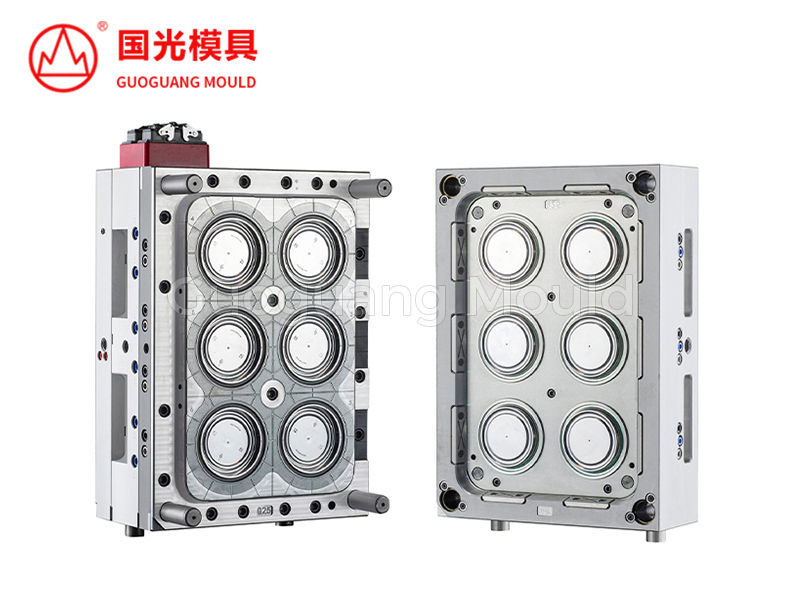
Injection plastic round cap molds are specifically designed to manufacture round plastic caps with h...
See Details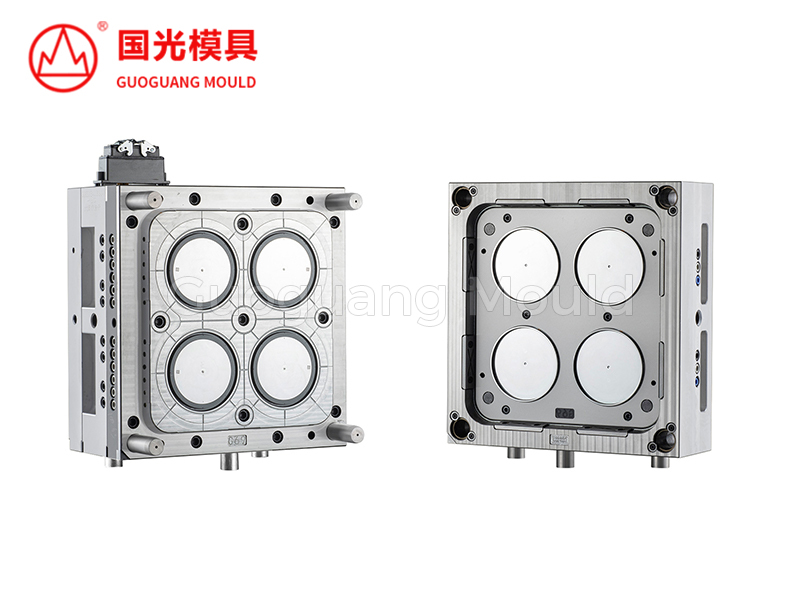
Injection plastic round bowl moulds are designed to create high-quality, durable plastic round bowls...
See Details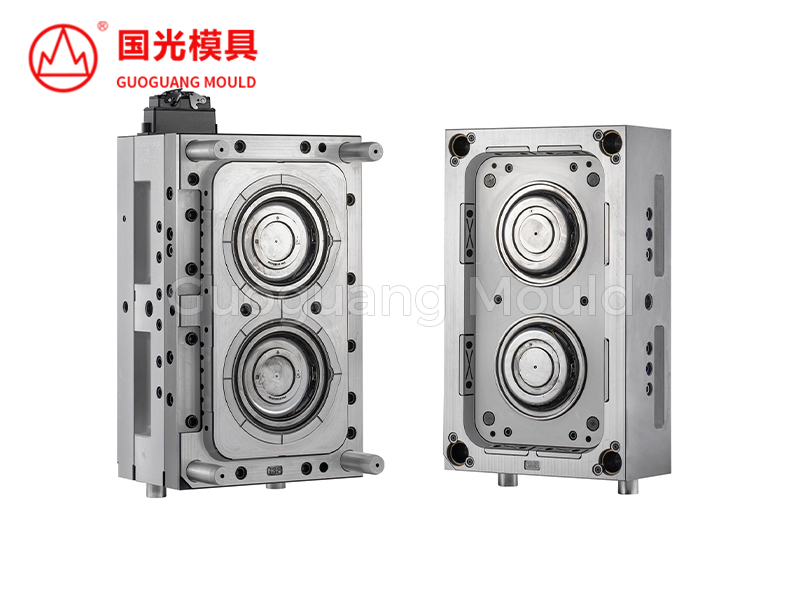
The Thin Wall American Style Large Round Cover Mould is a specialised tool designed for the producti...
See Details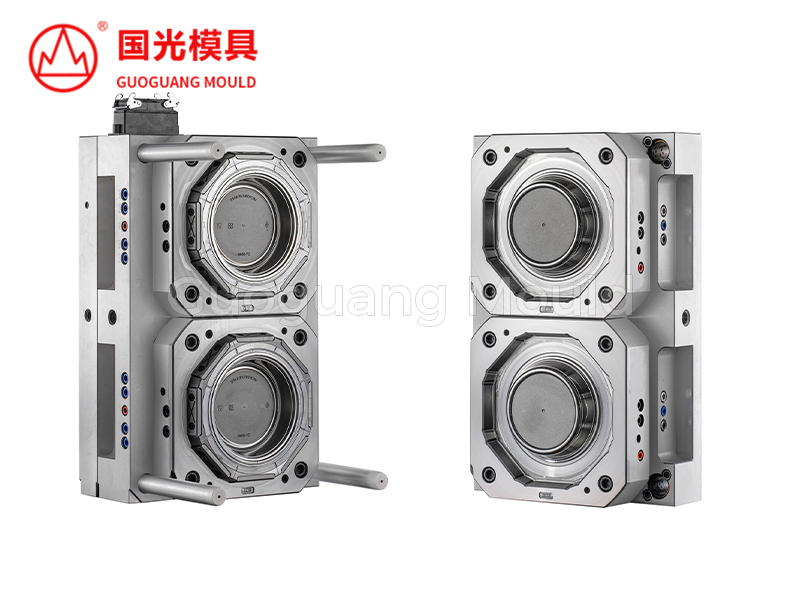
The Injection Plastic American Style Large Round Bowl Mold is an advanced tool designed specifically...
See Details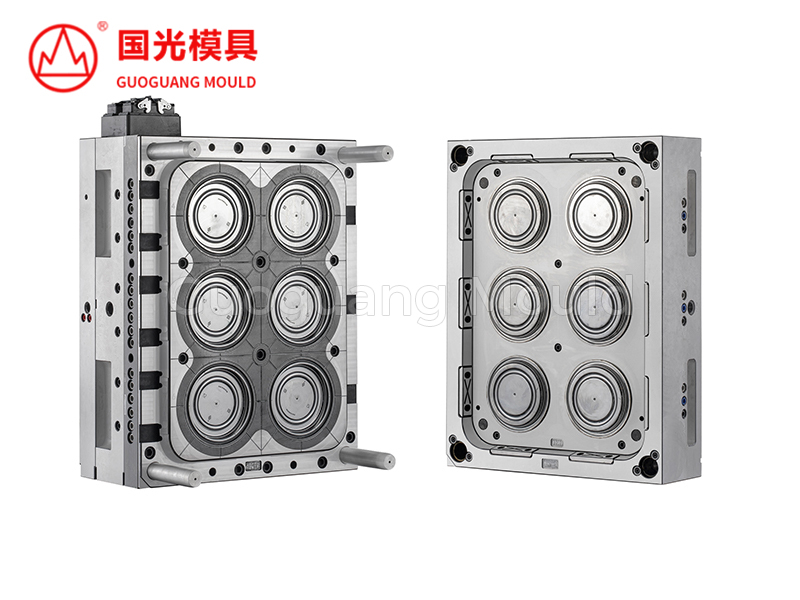
The Thin Wall American Medium Round Cap Mould is a highly efficient tool designed for the production...
See Details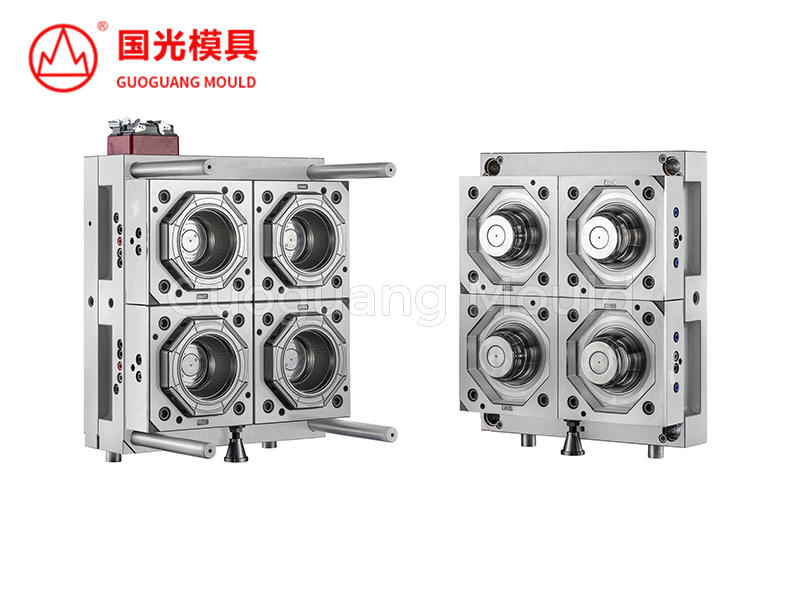
The Thin Wall Medium Size American Bowl Mould is designed for efficient production of medium-sized b...
See Details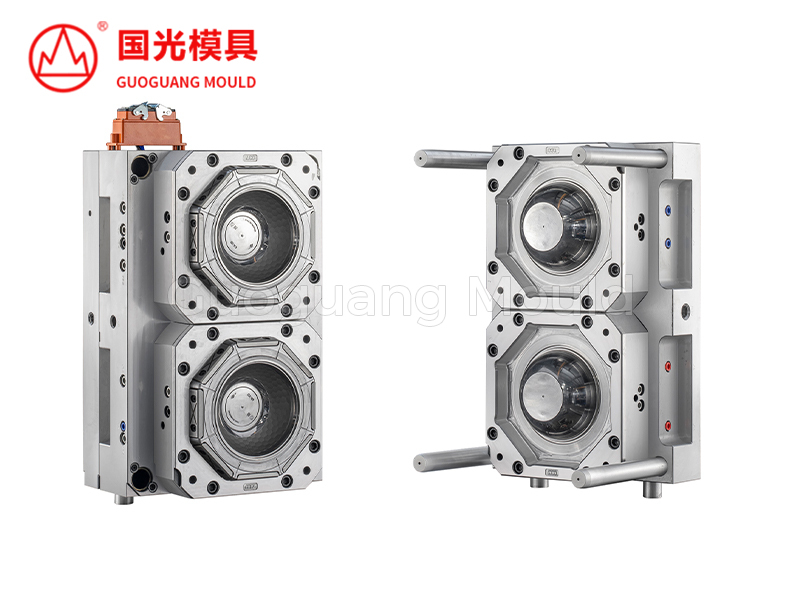
The Injection Plastic Large Round Bowl Mould is a specialized tool designed to produce large round p...
See Details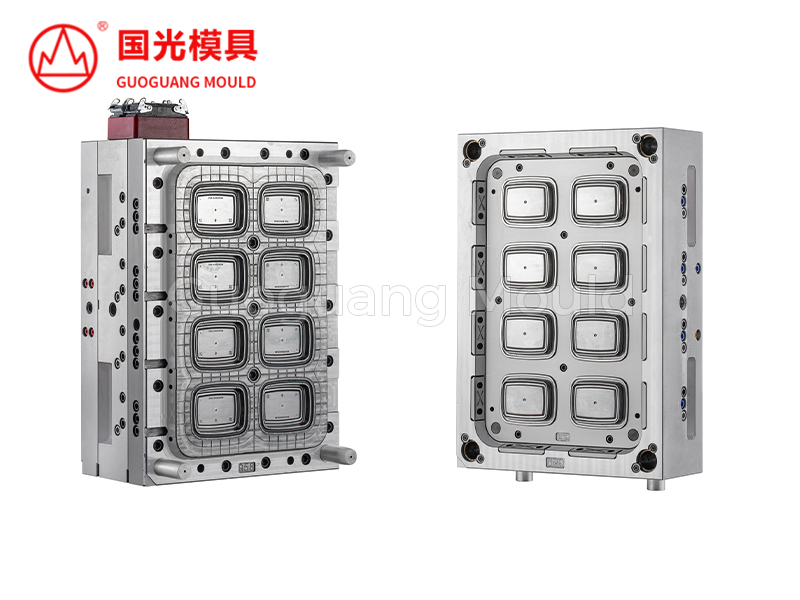
The Thin Wall American Style Small Square Cover Mold is designed for the production of small, square...
See Details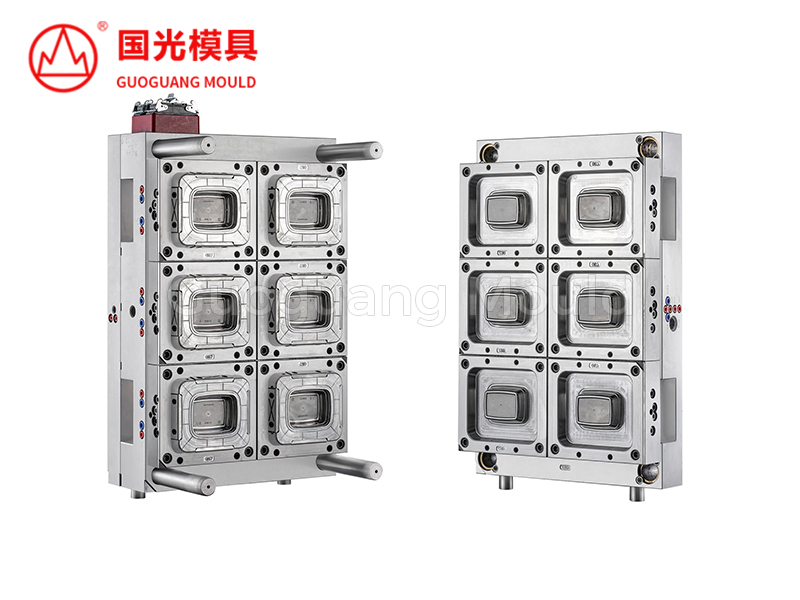
The Plastic Mould for Packaged Food Square Cover is an essential tool for creating square plastic co...
See Details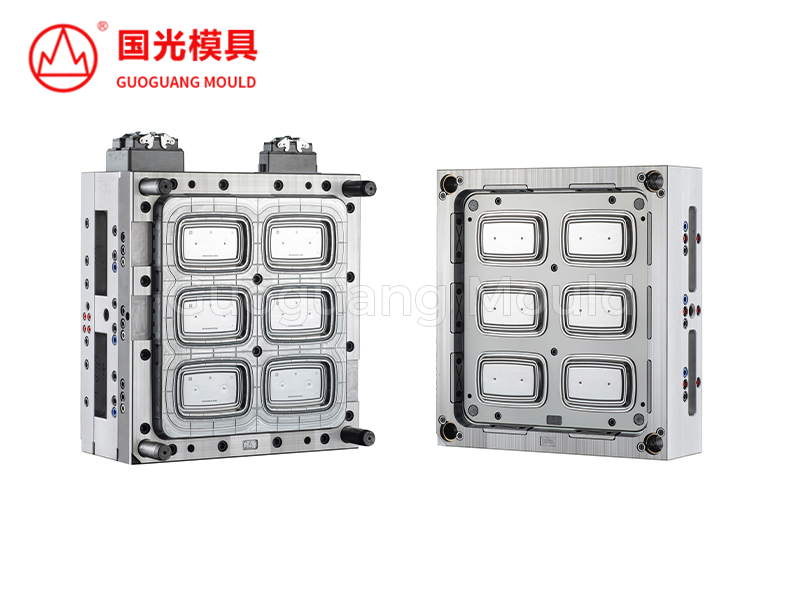
The Thin Wall Square Box Mould is designed for the production of small, square boxes, ensuring effic...
See Details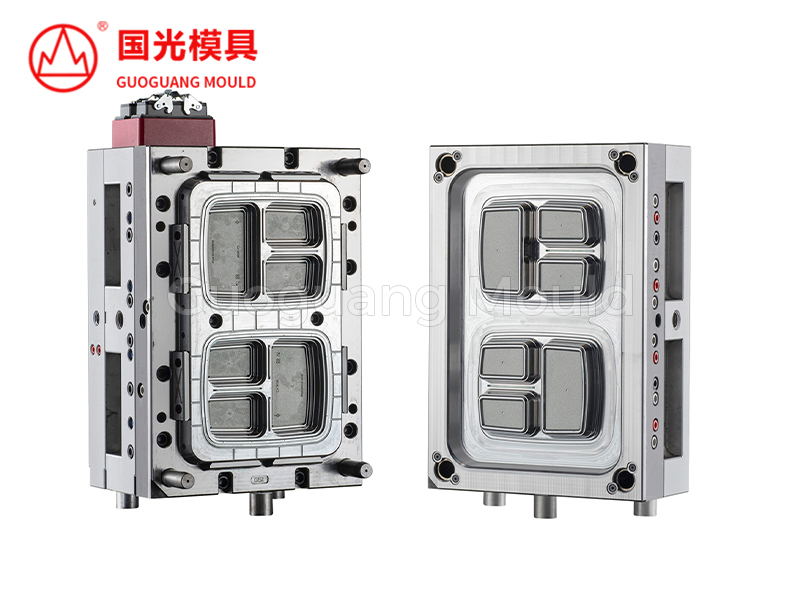
The Restaurant Packaged Three-Compartment Lunch Box Mold is designed for producing plastic lunch box...
See Details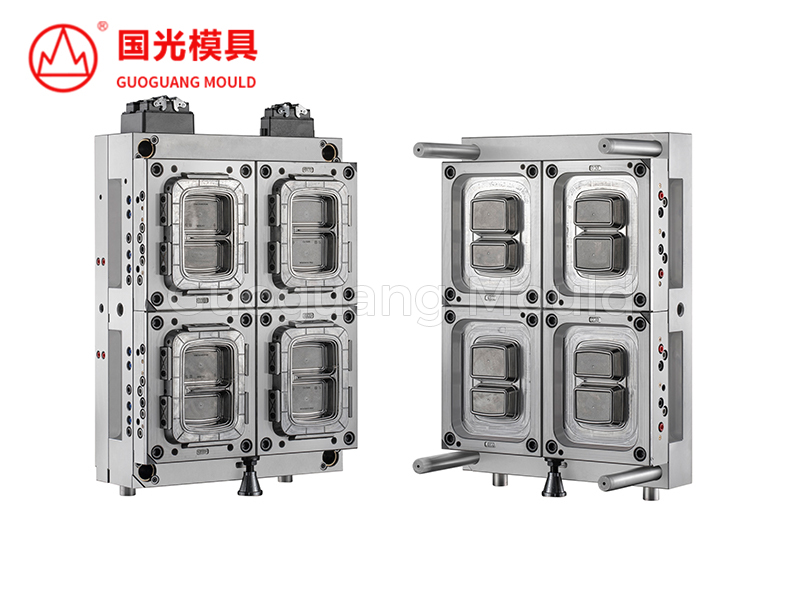
This mould is ideal for high-volume manufacturing, ensuring precise, efficient production of lunch ...
See Details
Guoguang are specialized in thin wall high-speed moulds, almost all cutlery moulds can be customized by us.
Copyright © Zhejiang Taizhou Guoguang Mould Plastic Co., Ltd. All Rights Reserved.
Thin Wall Mold Manufacturer
