 English
 中文简体
 Español
 عربى


Guoguang are specialized in thin wall high-speed moulds, almost all cutlery moulds can be customized by us.
Injection plastic round cap molds are specifically designed to manufacture round plastic caps with h...
See Details

China Professional Fork Mould Manufacture centers on the design and production of injection molds that shape plastic into disposable forks. Overseas buyers who source these tools for cutlery production lines examine cavity layout, steel selection, and cooling design. Clear details about mold construction help purchasing teams match the tooling to their expected output and resin types.
A typical mold from China Professional Fork Mould Manufacture contains multiple cavities arranged in a balanced pattern so that each fork forms under similar pressure and cooling conditions. The core and cavity inserts define the tine shape, handle profile, and surface texture. Runners and gates deliver molten plastic evenly to every cavity. Ejector systems then release the finished forks without distortion.
Cavity numbers vary according to the required hourly output and the available injection machine tonnage. Higher cavity counts increase productivity per cycle, while lower counts suit specialized fork designs or smaller presses. Parting-line placement and venting channels receive careful attention so that air escapes cleanly and flash remains minimal. These geometric choices form the foundation of consistent part quality across long production runs.
China Professional Fork Mould Manufacture commonly uses pre-hardened or fully hardened tool steels for the cavity and core inserts. The steel grade is chosen to resist wear from abrasive fillers or high-volume cycling. Surface treatments such as nitriding or chrome plating further extend insert life when the mold processes filled or glass-reinforced resins.
The mold base is usually made from standard steel plates that provide rigid support and accurate alignment of the moving halves. Guide pillars, bushings, and locating rings keep the two sides in register during every cycle. Cooling channels drilled through the inserts and base plates circulate water to remove heat quickly and keep cycle times predictable. Uniform cooling across all cavities reduces warpage and dimensional variation in the finished forks.
Fork molds must reproduce fine details such as tine spacing, tip sharpness, and handle ergonomics. Draft angles on the vertical surfaces allow clean ejection. Radius transitions at stress points prevent cracking in the plastic part. Texture on the handle surface can be added through etching or engraving of the cavity steel to improve grip without secondary operations.
Hot-runner systems appear frequently in China Professional Fork Mould Manufacture because they eliminate cold-runner waste and support faster color changes. Valve gates or open gates are selected according to the resin flow characteristics and the desired gate vestige on the finished fork. These decisions are finalized during the design-review stage so that the mold matches the buyer’s preferred injection process.
Molds from China Professional Fork Mould Manufacture serve producers of disposable cutlery for food service, airline catering, and institutional use. The same tooling principles apply to standard dessert forks, heavier-duty picnic forks, and specialized shapes required by particular markets. Multi-cavity layouts allow a single press to output large quantities of identical forks per hour, supporting steady supply to packaging lines.
Resin choices range from general-purpose polypropylene to higher-flow grades that fill thin tines more readily. The mold design accommodates these variations through appropriate gate sizing and venting. Consistent cavity geometry ensures that forks from different cavities stack and pack uniformly, which simplifies downstream handling.
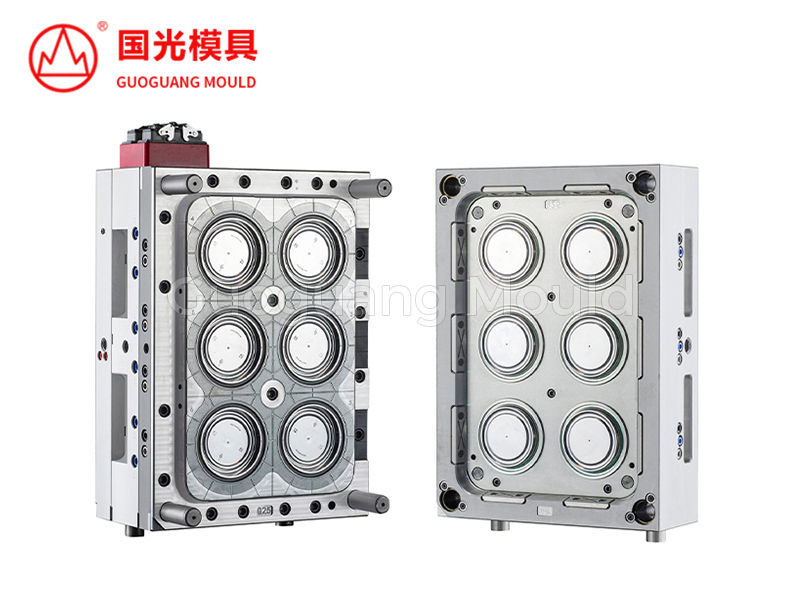
Injection plastic round cap molds are specifically designed to manufacture round plastic caps with h...
See Details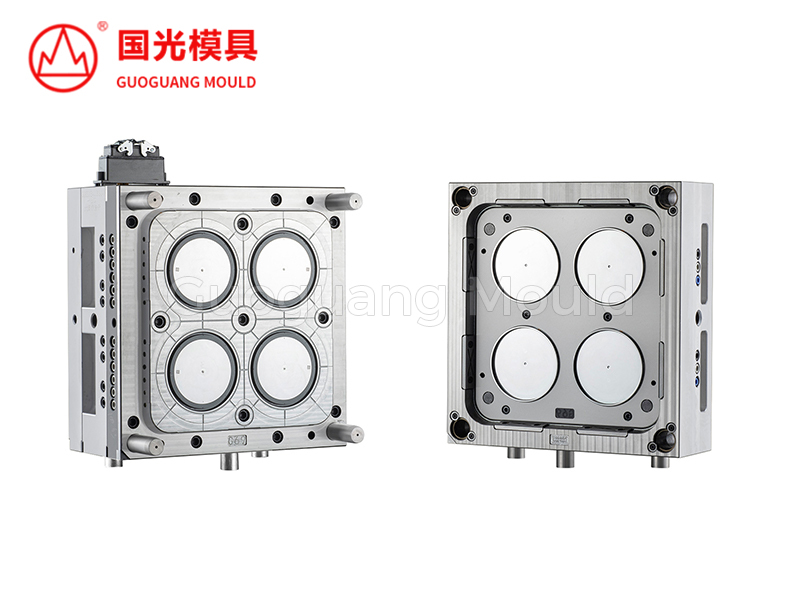
Injection plastic round bowl moulds are designed to create high-quality, durable plastic round bowls...
See Details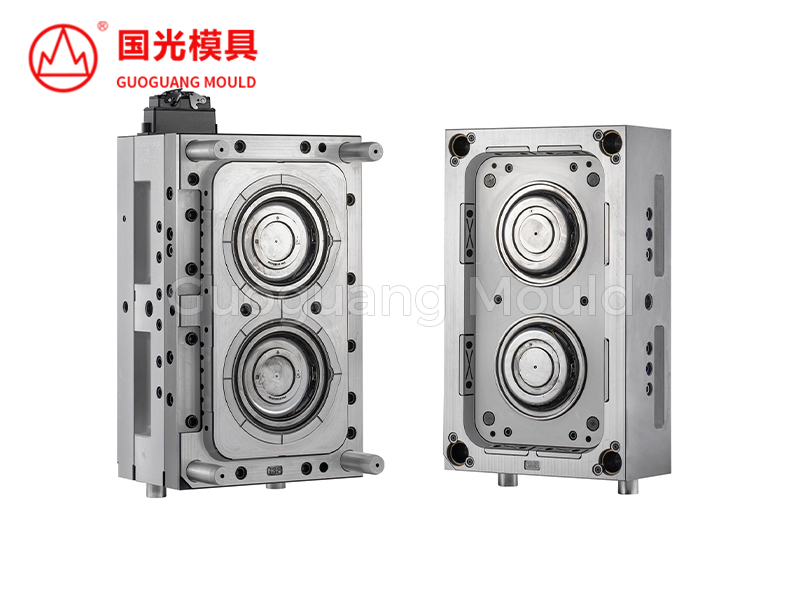
The Thin Wall American Style Large Round Cover Mould is a specialised tool designed for the producti...
See Details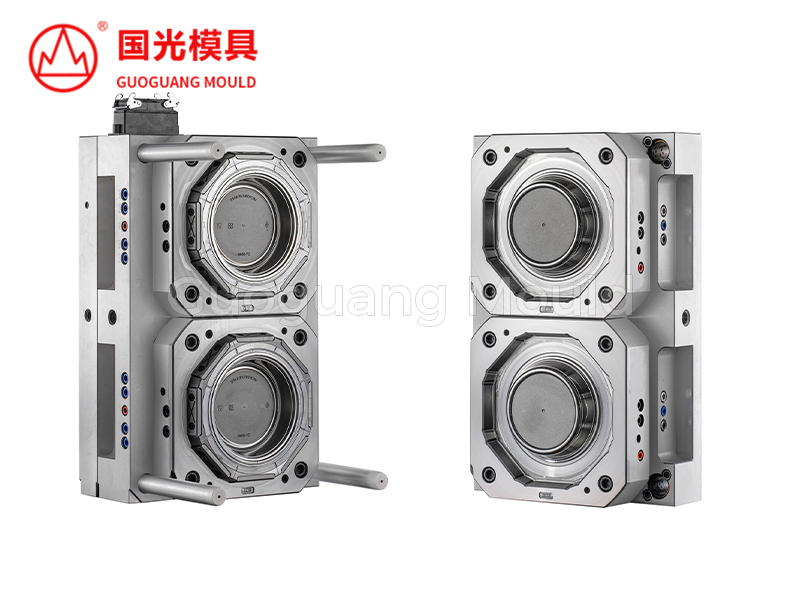
The Injection Plastic American Style Large Round Bowl Mold is an advanced tool designed specifically...
See Details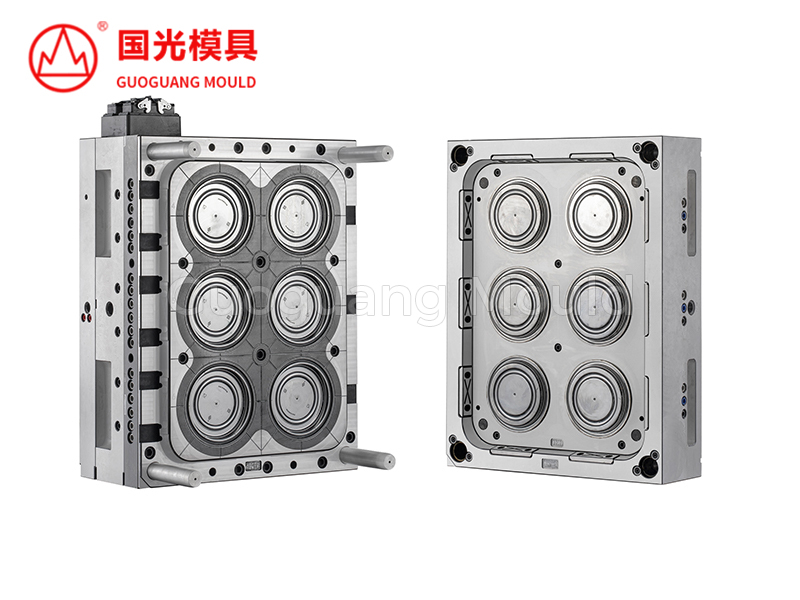
The Thin Wall American Medium Round Cap Mould is a highly efficient tool designed for the production...
See Details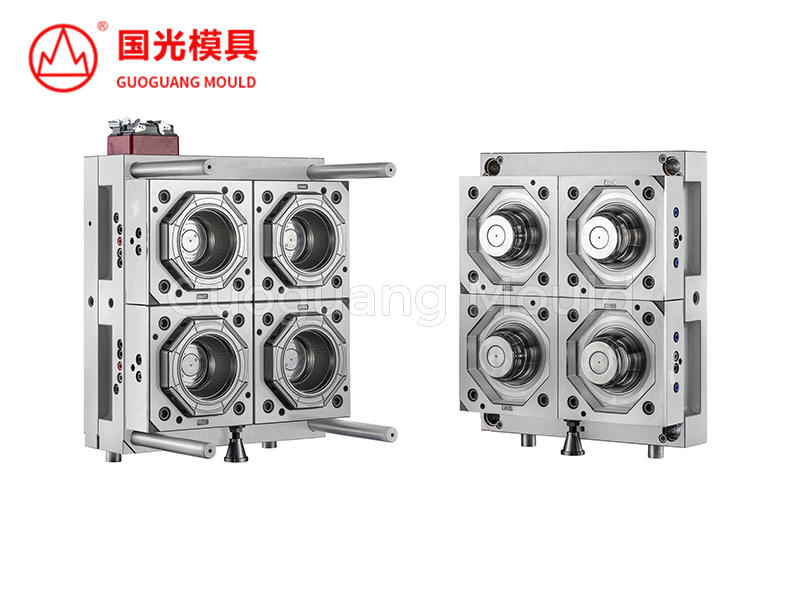
The Thin Wall Medium Size American Bowl Mould is designed for efficient production of medium-sized b...
See Details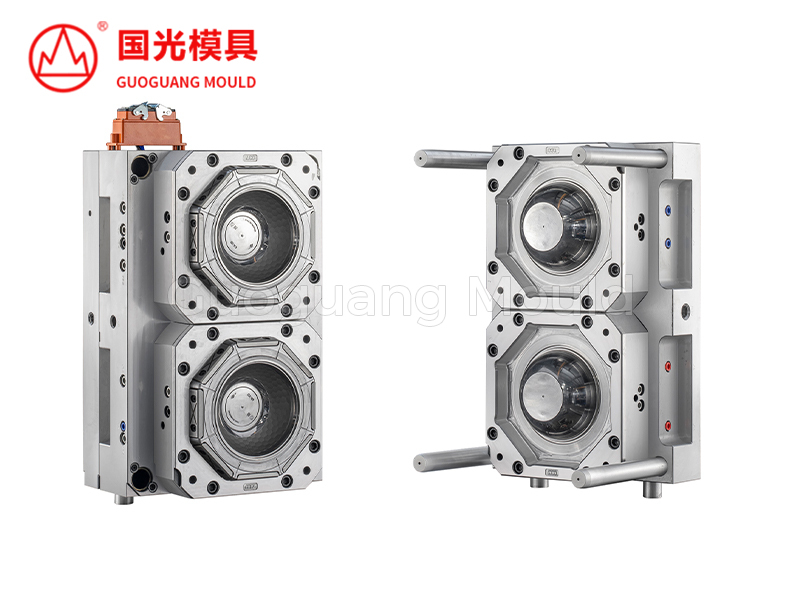
The Injection Plastic Large Round Bowl Mould is a specialized tool designed to produce large round p...
See Details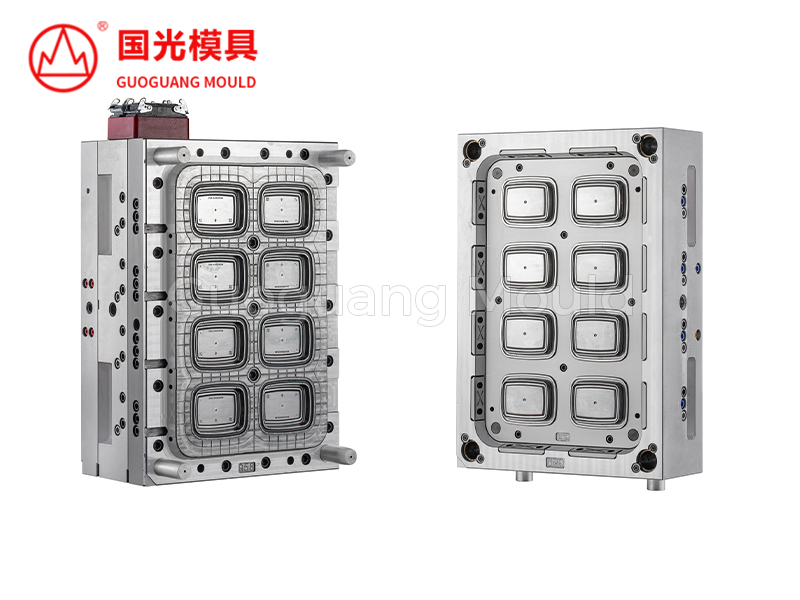
The Thin Wall American Style Small Square Cover Mold is designed for the production of small, square...
See Details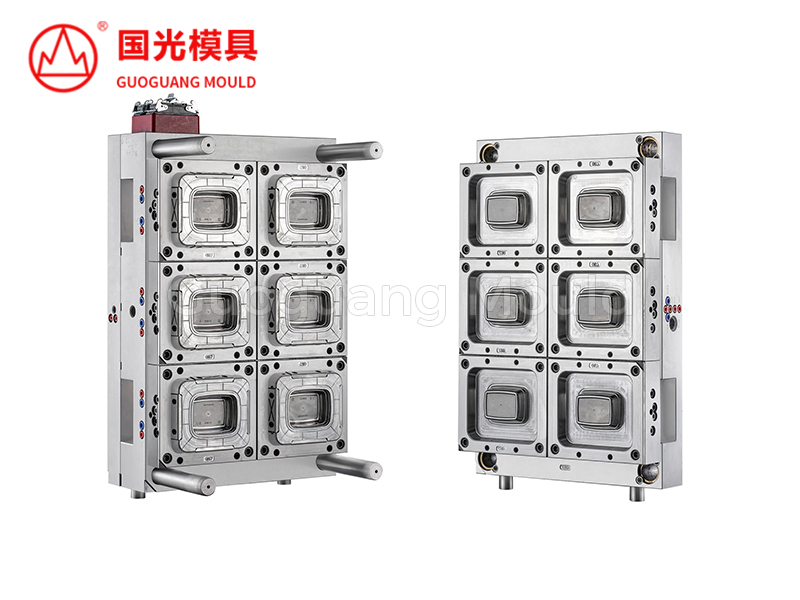
The Plastic Mould for Packaged Food Square Cover is an essential tool for creating square plastic co...
See Details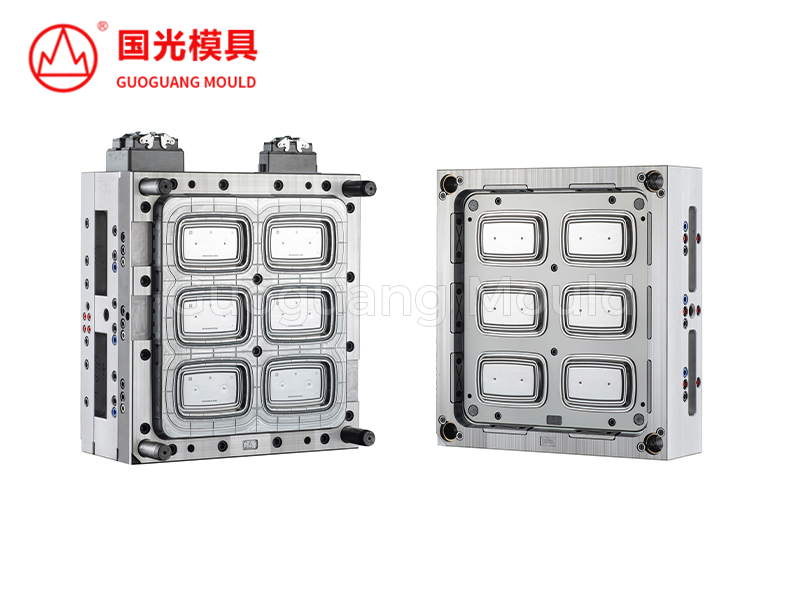
The Thin Wall Square Box Mould is designed for the production of small, square boxes, ensuring effic...
See Details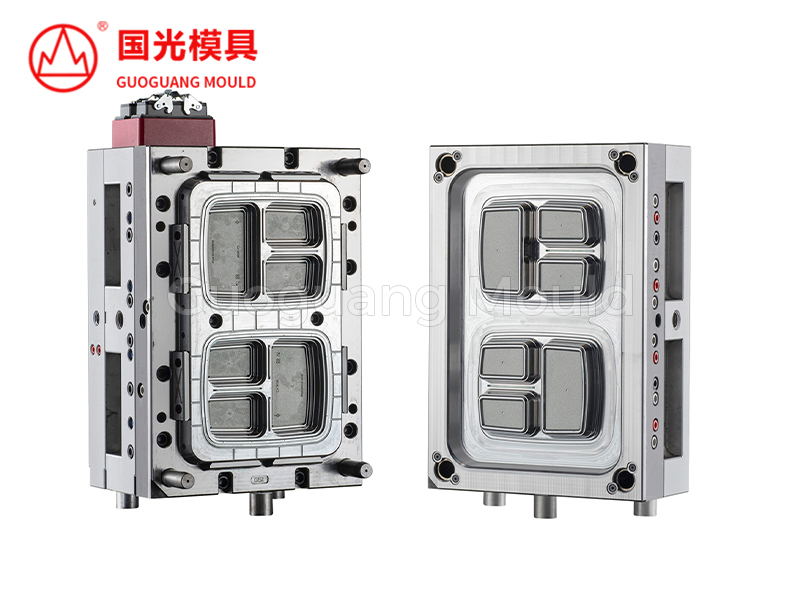
The Restaurant Packaged Three-Compartment Lunch Box Mold is designed for producing plastic lunch box...
See Details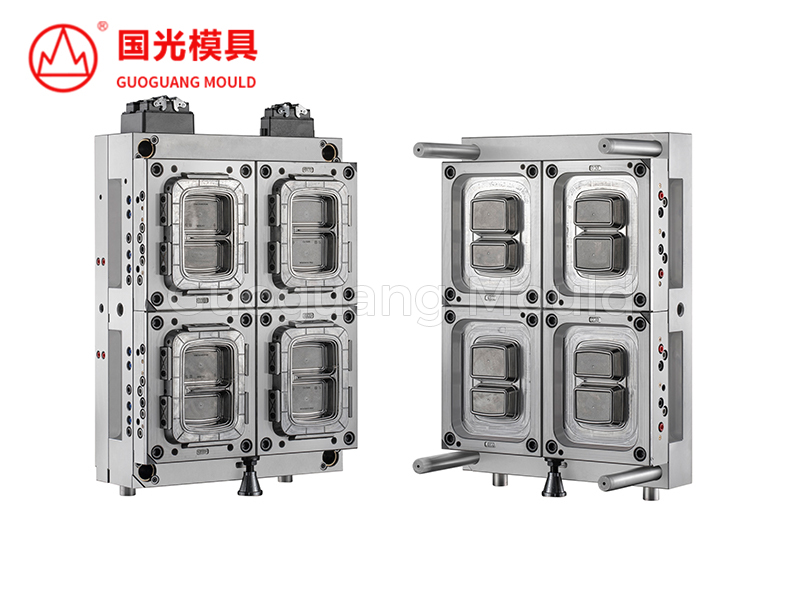
This mould is ideal for high-volume manufacturing, ensuring precise, efficient production of lunch ...
See Details
Guoguang are specialized in thin wall high-speed moulds, almost all cutlery moulds can be customized by us.
Copyright © Zhejiang Taizhou Guoguang Mould Plastic Co., Ltd. All Rights Reserved.
Thin Wall Mold Manufacturer
