 English
 中文简体
中文简体 Español
 عربى
عربى


Guoguang are specialized in thin wall high-speed moulds, almost all cutlery moulds can be customized by us.
Injection plastic round cap molds are specifically designed to manufacture round plastic caps with h...
See Details

Every takeout lunch has a quiet supporting actor: a thin plastic box that carries rice, noodles, or a burger without bending under its own contents. Behind that box stands a far heavier character — a block of precision-machined steel weighing several tons. The Fast-Food Thin-Wall Lunch Box Mold is where the food packaging story truly begins, long before any meal gets packed.
Decades ago, lunch boxes carried thick, sturdy walls. Then material costs climbed and supply chains tightened, and the industry asked a hard question: how thin can a wall go before it fails? The answer reshaped tooling.
Thin walls use less plastic per box, which means lower material consumption across billions of units. They also cool faster inside the mold, so each production cycle completes in seconds rather than minutes. High-cavity molds multiply that effect — a single machine can produce dozens of finished boxes per shot. For packaging factories running around the clock, those seconds compound into serious output.
Open up a Fast-Food Thin-Wall Lunch Box Mold and the interior resembles an engineered city. Multiple cavities sit in neat rows, each a mirror-image chamber of the finished box. A hot runner system feeds molten plastic to every cavity through heated channels, keeping the material flowing and reducing waste at each cycle.
Cooling lines wind through the steel like veins, carrying temperature-controlled water close to the cavity surfaces. Vent slots at parting lines let trapped air escape so plastic fills every corner. Ejector pins wait beneath each cavity, timed to push the rigid box free the instant it solidifies. Every component earns its place.
Thin-wall molding is a sprint. Molten plastic races through narrow gates at high pressure, filling a cavity in a blink. If flow hesitates anywhere — a cold corner, a blocked vent — the box arrives with short shots or weak ribs and heads straight to the scrap bin.
This is where mold quality shows its worth. Uniform cooling keeps every cavity cycling at the same rhythm. Balanced runner layouts deliver identical pressure to each station. On a well-built tool, a robotic arm sweeps in, lifts out a row of warm boxes, and the next shot begins while the previous stack travels down the line. The whole ballet repeats every few seconds, hour after hour.
Small geometry choices decide whether a lunch box delights or frustrates its end user. Rounded corners let plastic flow evenly and resist cracking when the box flexes. Ribs along the base add strength without adding thickness. A lid hinge must survive repeated opening; a seal rim must close with a satisfying snap that tells the packer the meal is secure.
Mold makers prototype these features, adjusting draft angles and wall thickness by fractions of a millimeter until the sample boxes nest tightly for shipping and separate easily at the food counter. Details this small live entirely inside the steel — invisible to diners, obvious to anyone who packs meals for a living.
Packaging companies evaluating a Fast-Food Thin-Wall Lunch Box Mold usually arrive with a familiar list. How many cavities fit the target machine? Which steel grade suits the production volume? How does the hot runner handle color changes between orders? What does the trial run schedule look like before full delivery?
Experienced buyers also ask about spare cavities and wear parts, since a mold running millions of cycles will eventually need components refreshed. A supplier who answers these questions with drawings, trial samples, and clear timelines tends to win the long relationship rather than just the purchase order.
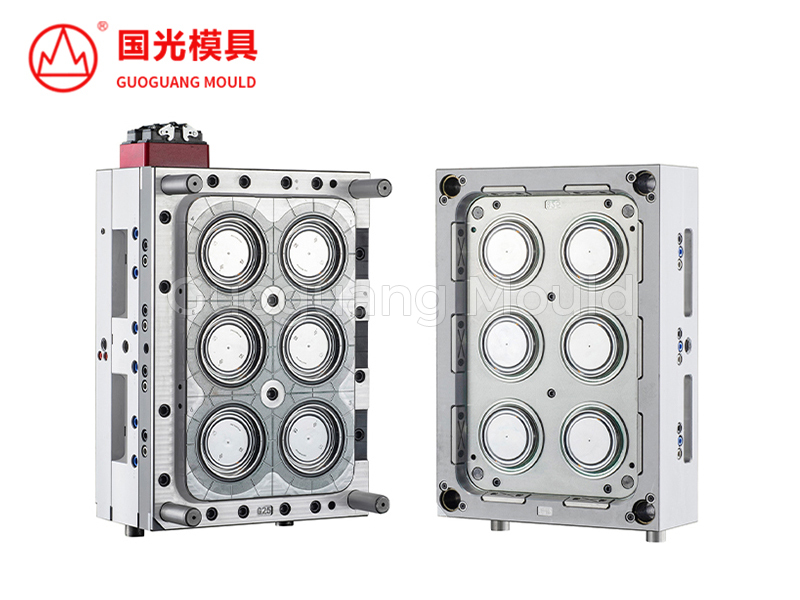
Injection plastic round cap molds are specifically designed to manufacture round plastic caps with h...
See Details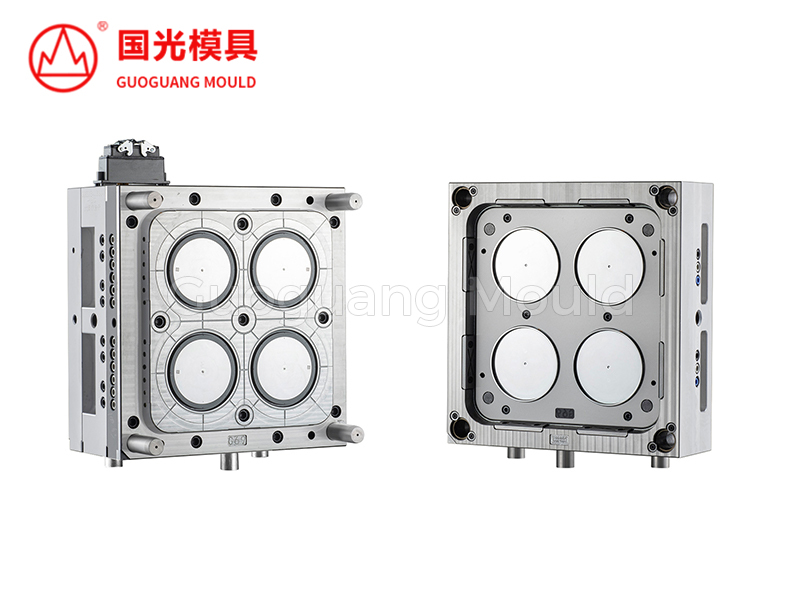
Injection plastic round bowl moulds are designed to create high-quality, durable plastic round bowls...
See Details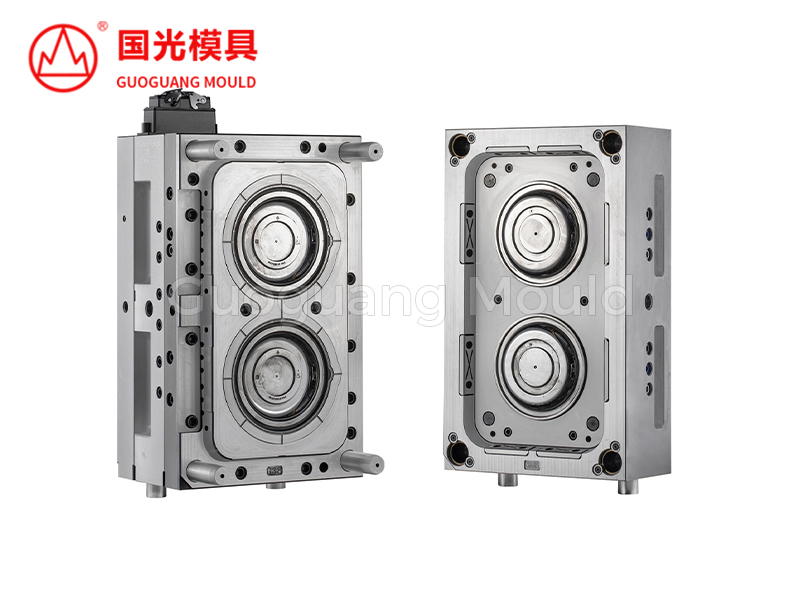
The Thin Wall American Style Large Round Cover Mould is a specialised tool designed for the producti...
See Details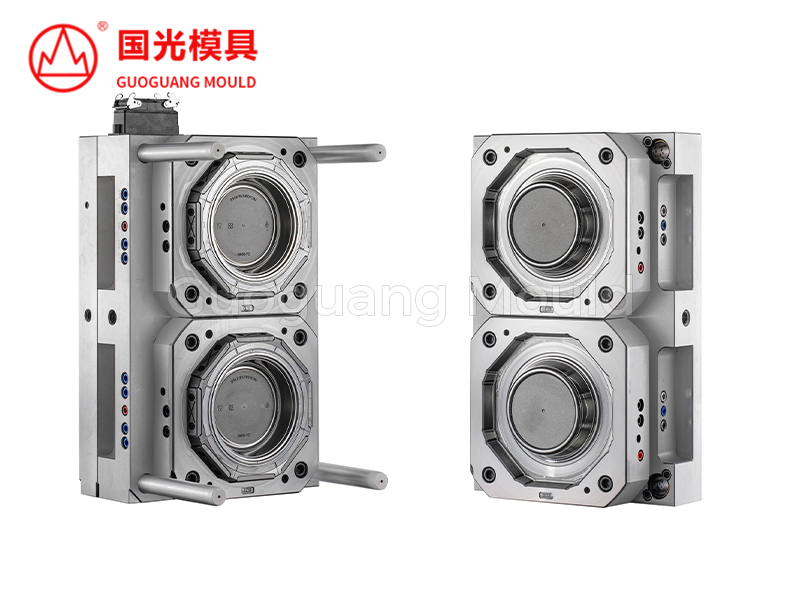
The Injection Plastic American Style Large Round Bowl Mold is an advanced tool designed specifically...
See Details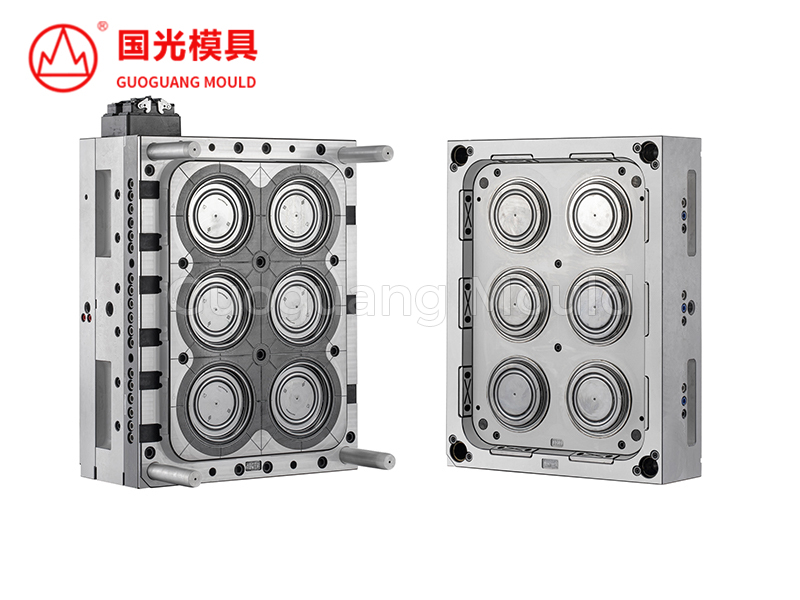
The Thin Wall American Medium Round Cap Mould is a highly efficient tool designed for the production...
See Details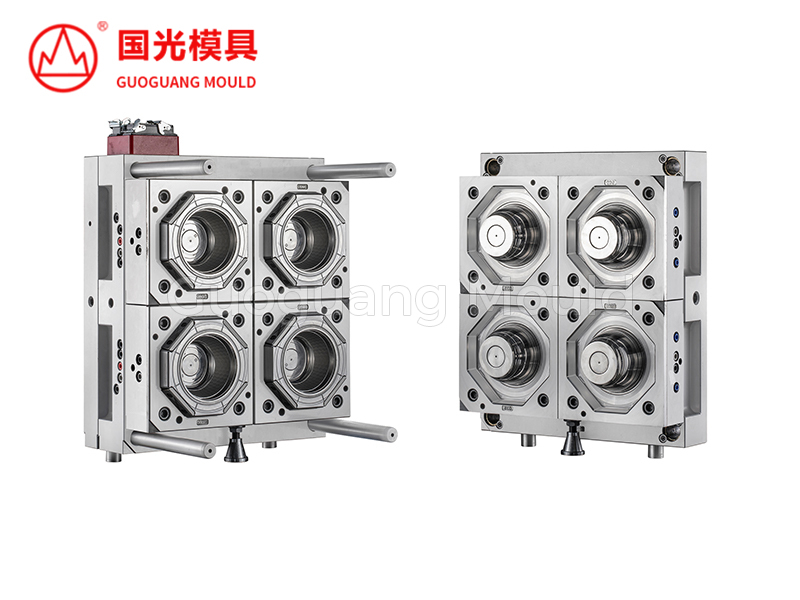
The Thin Wall Medium Size American Bowl Mould is designed for efficient production of medium-sized b...
See Details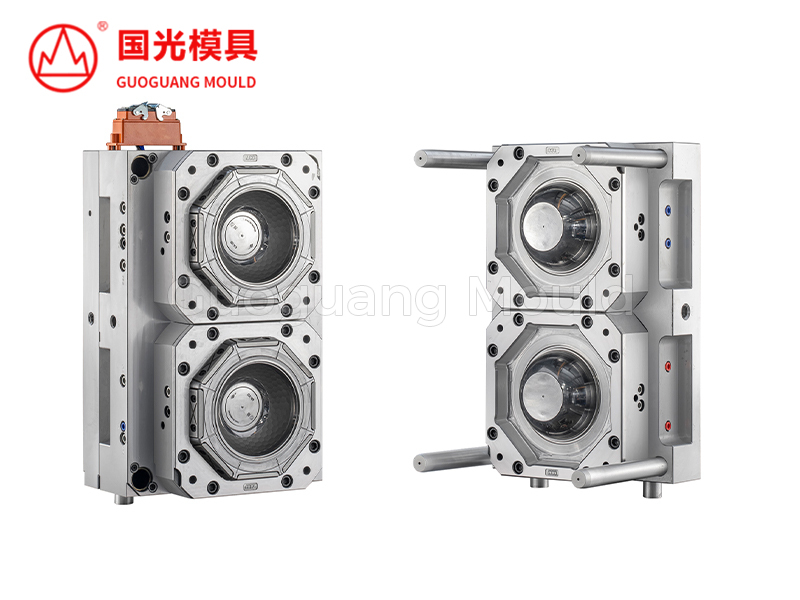
The Injection Plastic Large Round Bowl Mould is a specialized tool designed to produce large round p...
See Details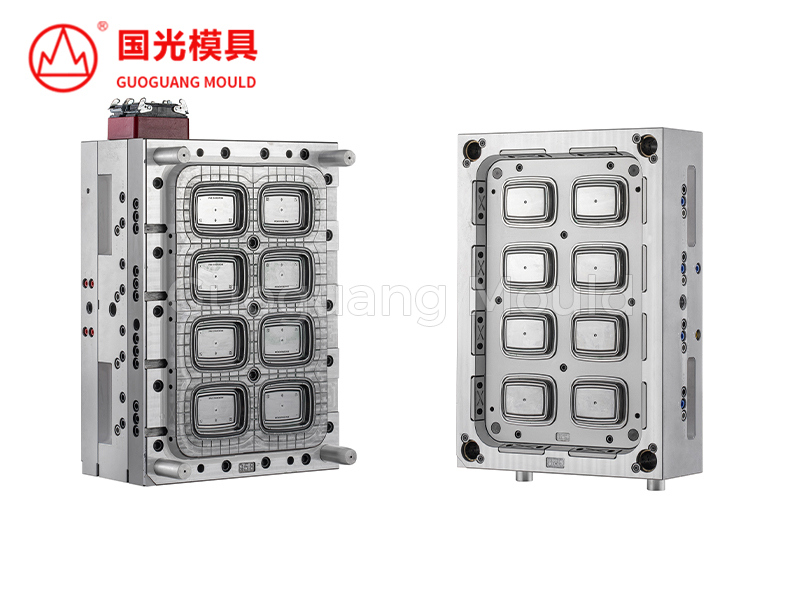
The Thin Wall American Style Small Square Cover Mold is designed for the production of small, square...
See Details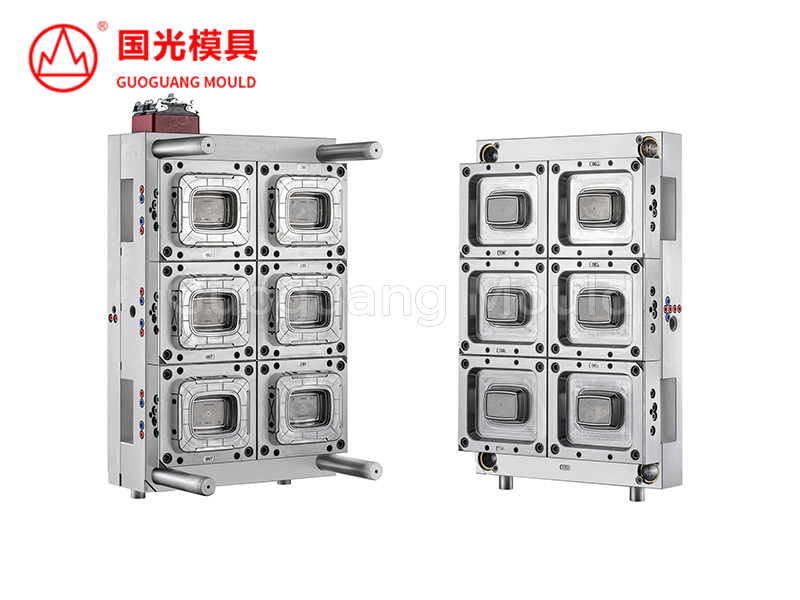
The Plastic Mould for Packaged Food Square Cover is an essential tool for creating square plastic co...
See Details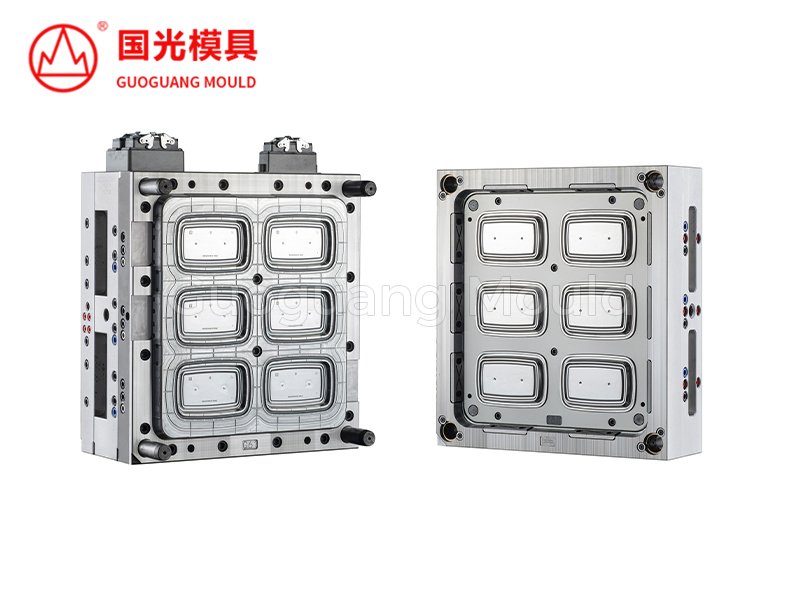
The Thin Wall Square Box Mould is designed for the production of small, square boxes, ensuring effic...
See Details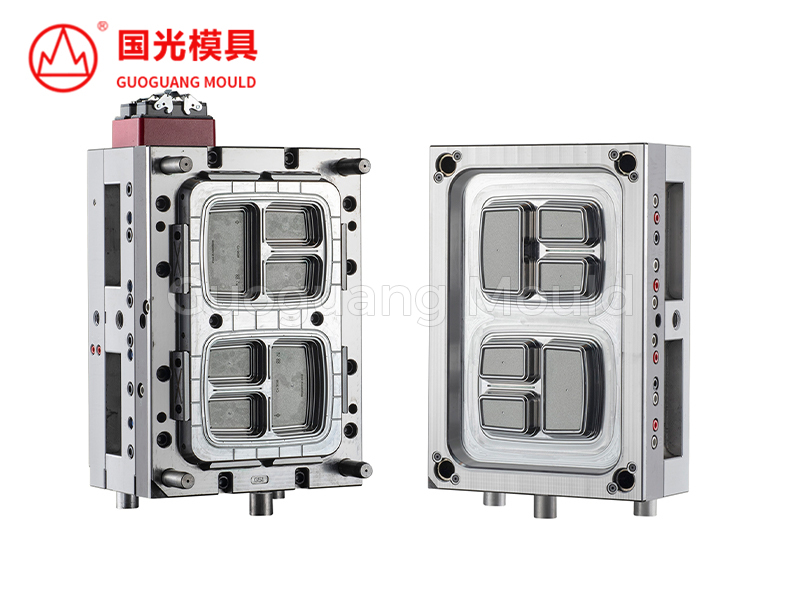
The Restaurant Packaged Three-Compartment Lunch Box Mold is designed for producing plastic lunch box...
See Details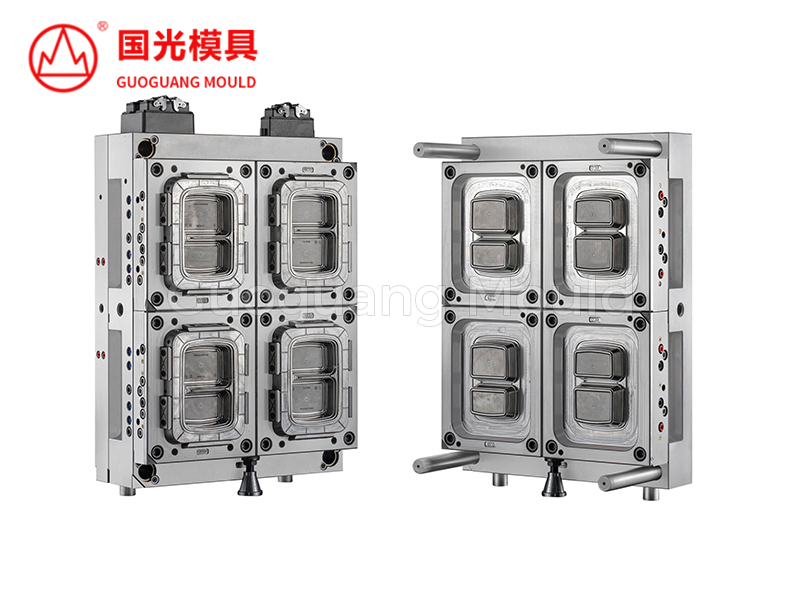
This mould is ideal for high-volume manufacturing, ensuring precise, efficient production of lunch ...
See Details
Guoguang are specialized in thin wall high-speed moulds, almost all cutlery moulds can be customized by us.
Copyright © Zhejiang Taizhou Guoguang Mould Plastic Co., Ltd. All Rights Reserved.
Thin Wall Mold Manufacturer
