 English
 中文简体
中文简体 Español
 عربى
عربى


Guoguang are specialized in thin wall high-speed moulds, almost all cutlery moulds can be customized by us.
Injection plastic round cap molds are specifically designed to manufacture round plastic caps with h...
See Details

A tiny plastic cup holding ketchup or soy sauce seems too small to think much about, until a stack of them won't nest properly or a lid pops off during delivery. Every detail in that outcome traces back to disposable sauce cup mould manufacture, since the mould cavity determines wall thickness, rim shape, and stacking tolerance long before a single cup ever gets filled.
Sauce cup moulds rarely run as single-cavity tools in commercial production, since output volume wouldn't justify the machine time required. Multi-cavity layouts — sixteen, thirty-two, sometimes more cavities arranged across one mould base — let a single injection cycle produce dozens of cups simultaneously, cutting per-unit cycle time dramatically compared to single-cavity alternatives.
Balancing that many cavities evenly matters more than people expect. Molten plastic needs to reach every cavity at roughly the same pressure and temperature, or cups from cavities positioned farther from the injection point end up with thinner walls or incomplete fill. Runner system design, the network of channels feeding plastic from the injection point to each cavity, gets engineered specifically to solve this distribution problem.
Thin walls keep material costs down and reduce cooling time, both priorities in disposable sauce cup mould manufacture given how price-sensitive this product category tends to be. But walls too thin risk structural weakness, particularly around the rim where a lid needs to seal tightly without cracking the cup edge during application.
Stacking tolerance presents its own separate challenge. Sauce cups typically ship nested inside each other by the hundreds, and even small dimensional inconsistency between cups can cause a stack to jam or separate unevenly. Mould cavities get machined with draft angles — slight tapers along the cup wall — calculated specifically to let cups nest smoothly while still releasing cleanly from the mould after each cycle.
A handful of design details recur across sauce cup mould projects:
Mould builders typically machine cavities from hardened steel when production volume justifies the tooling investment, since steel withstands the repeated heating and cooling cycles of continuous injection molding without losing cavity accuracy over time. Aluminum moulds show up occasionally for lower-volume runs or prototype testing, machining faster and cheaper but wearing down sooner under sustained production.
Surface finish inside each cavity gets polished to a specific standard depending on the plastic resin being used. Polypropylene, the common material choice for sauce cups given its resistance to oils and mild heat, releases cleanly from a properly polished cavity without needing excessive mould release agents that could otherwise affect food-contact surfaces.
Injection molding machine compatibility factors into mould design from the start, since clamping force, shot size, and platen dimensions all need to align with what a specific machine can handle. A mould built with more cavities than a given machine's shot capacity can properly fill won't perform as intended, regardless of how well the cavity geometry itself was engineered.
Buyers commissioning disposable sauce cup mould manufacture typically specify their existing machine specifications upfront alongside target cup volume, cup dimensions, and expected production rate, letting mould builders design cavity count and runner layout around equipment already sitting on their production floor rather than requiring a separate machine purchase to match a new mould.
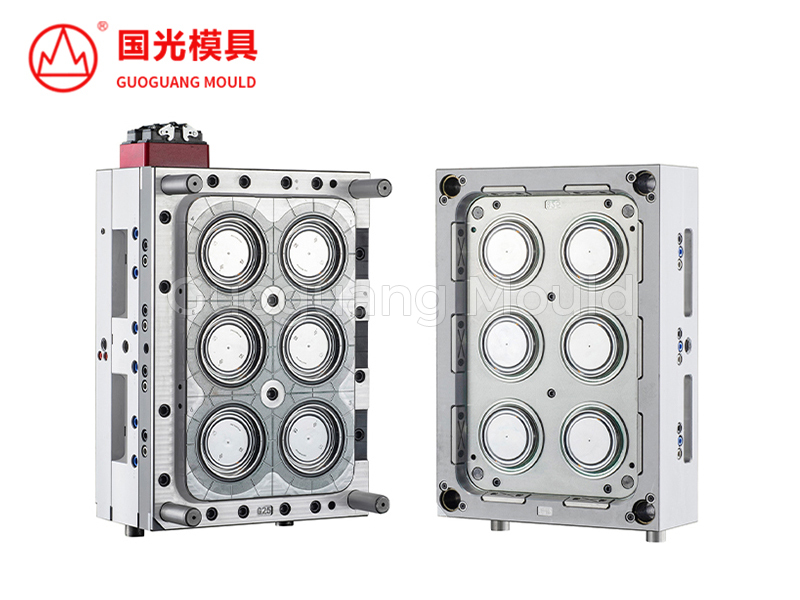
Injection plastic round cap molds are specifically designed to manufacture round plastic caps with h...
See Details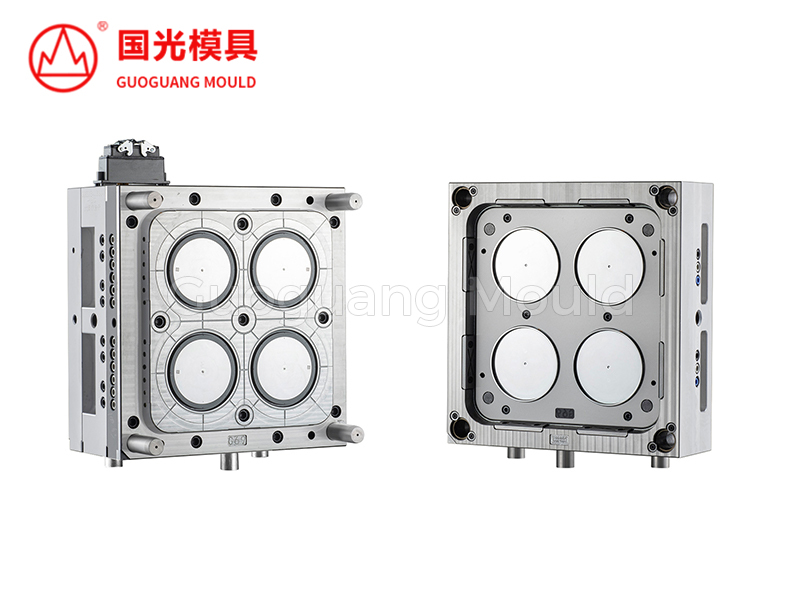
Injection plastic round bowl moulds are designed to create high-quality, durable plastic round bowls...
See Details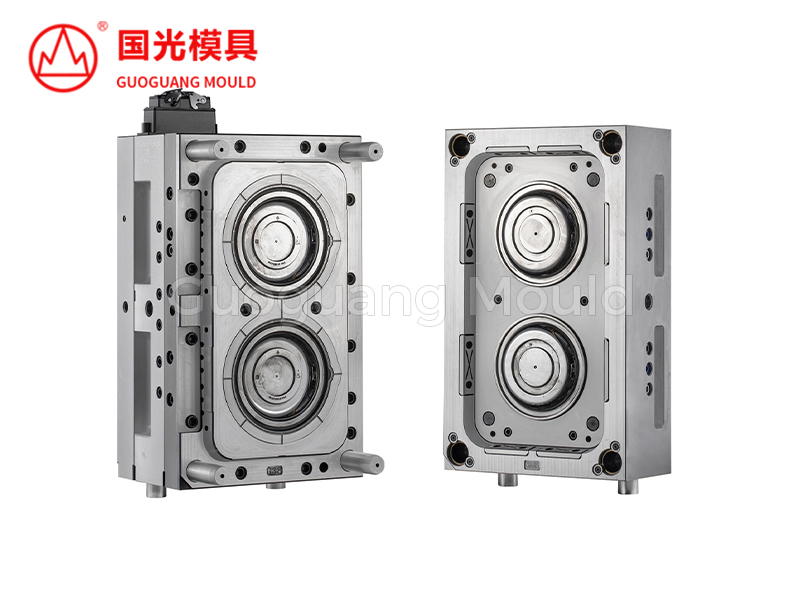
The Thin Wall American Style Large Round Cover Mould is a specialised tool designed for the producti...
See Details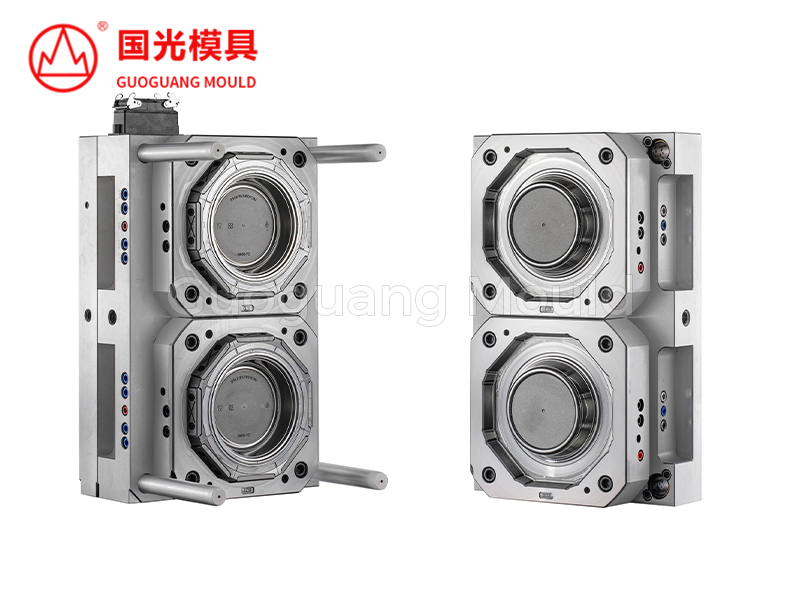
The Injection Plastic American Style Large Round Bowl Mold is an advanced tool designed specifically...
See Details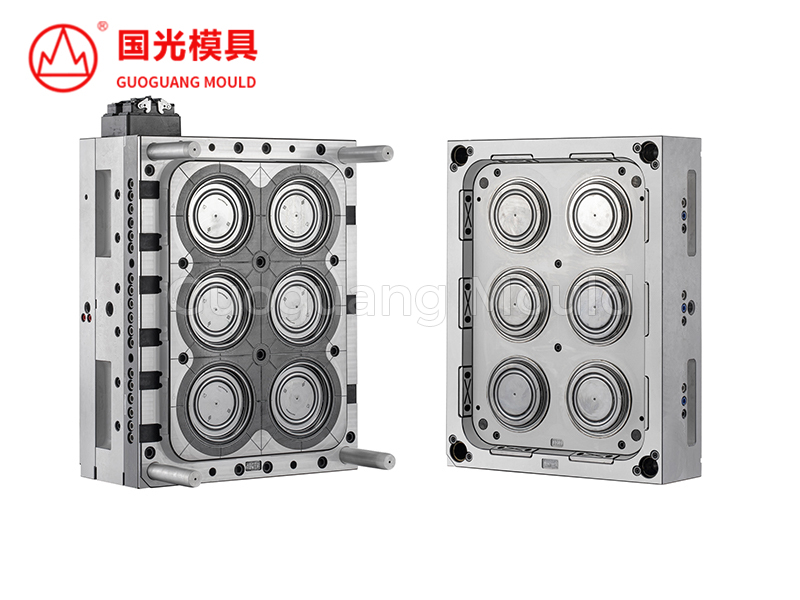
The Thin Wall American Medium Round Cap Mould is a highly efficient tool designed for the production...
See Details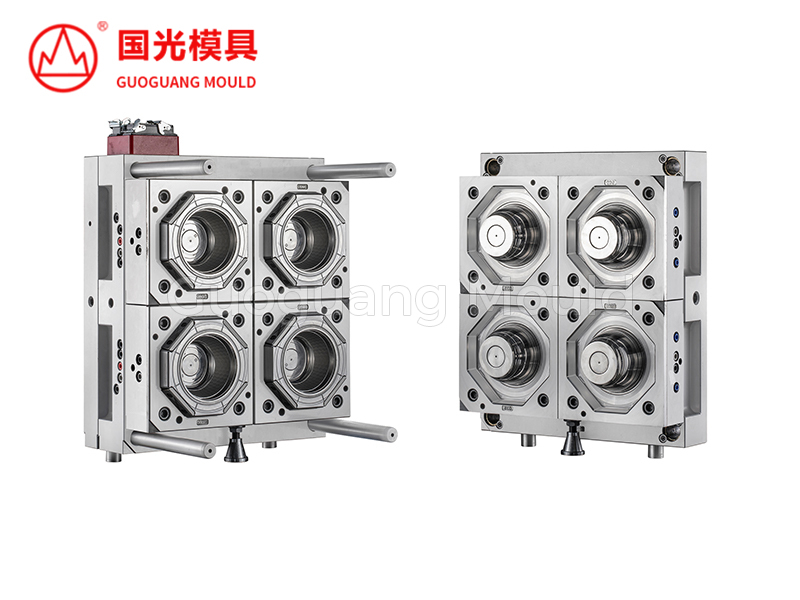
The Thin Wall Medium Size American Bowl Mould is designed for efficient production of medium-sized b...
See Details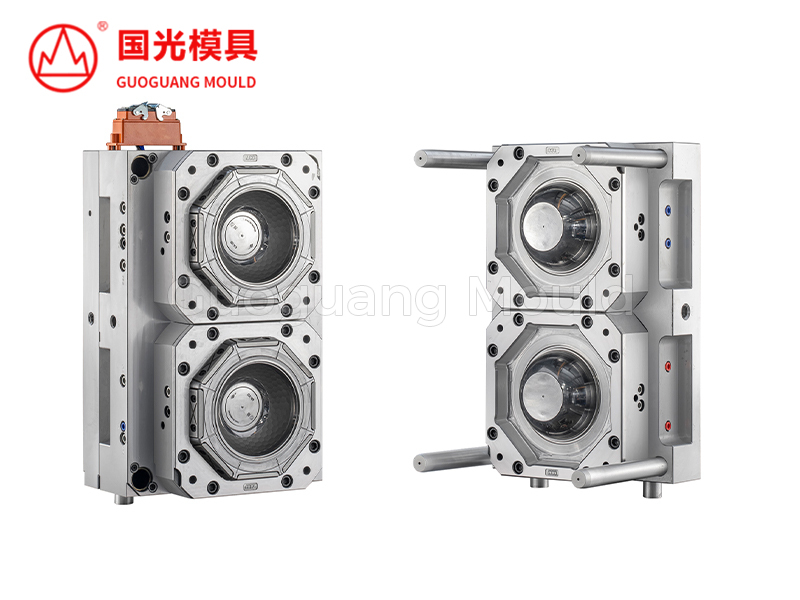
The Injection Plastic Large Round Bowl Mould is a specialized tool designed to produce large round p...
See Details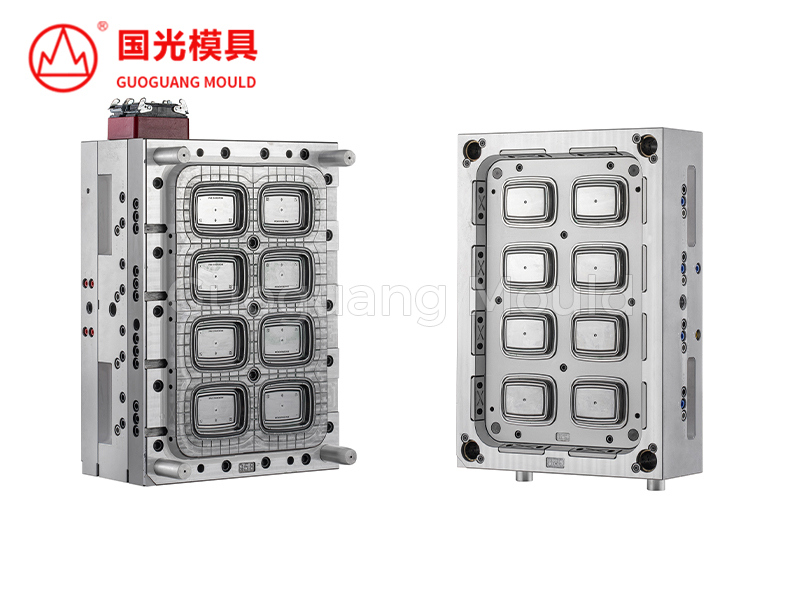
The Thin Wall American Style Small Square Cover Mold is designed for the production of small, square...
See Details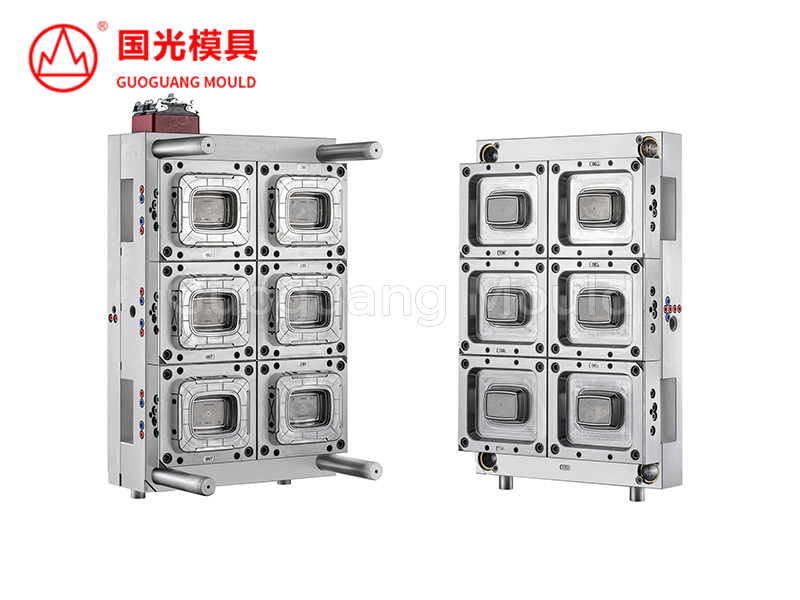
The Plastic Mould for Packaged Food Square Cover is an essential tool for creating square plastic co...
See Details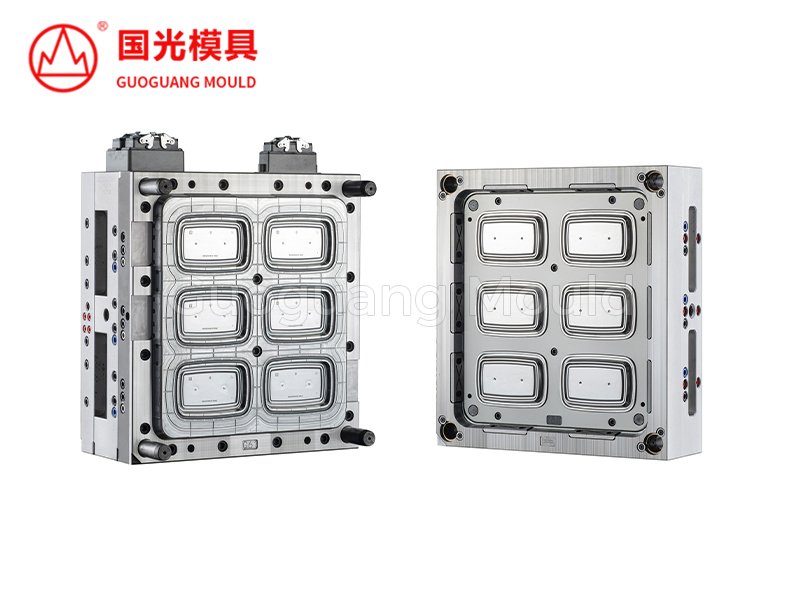
The Thin Wall Square Box Mould is designed for the production of small, square boxes, ensuring effic...
See Details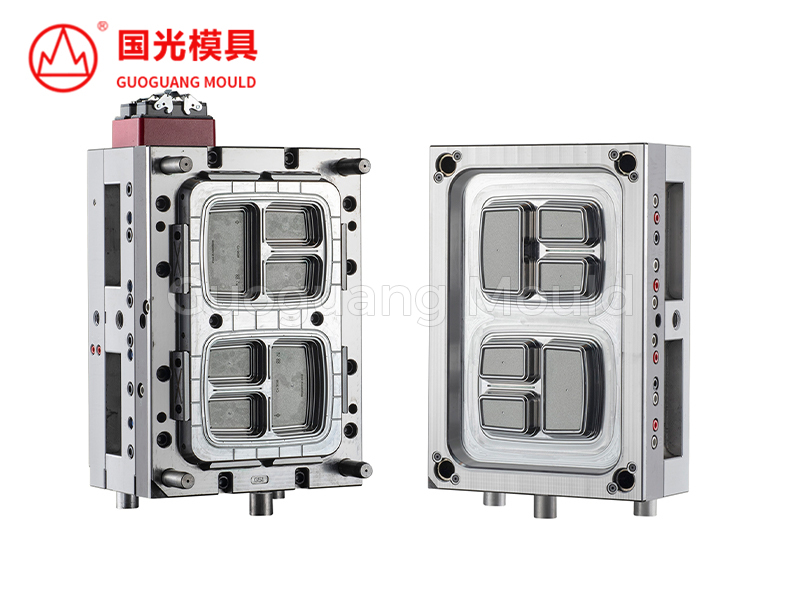
The Restaurant Packaged Three-Compartment Lunch Box Mold is designed for producing plastic lunch box...
See Details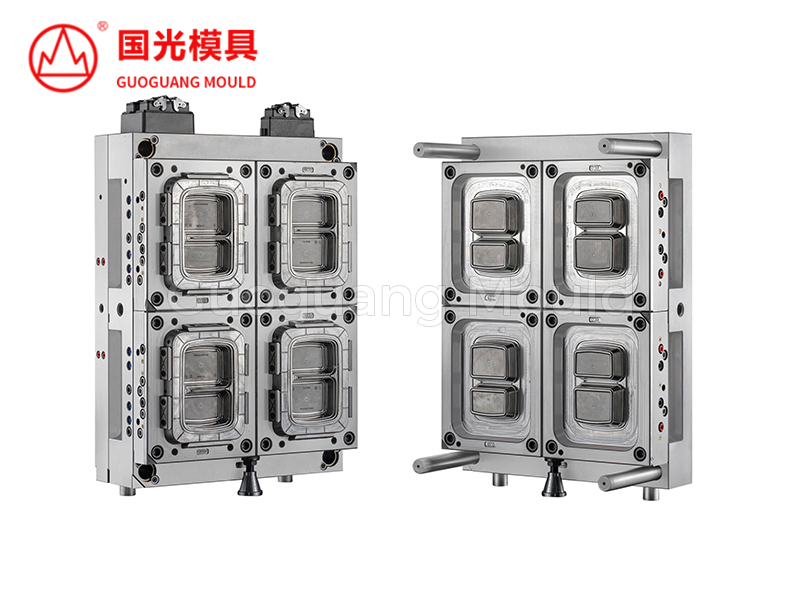
This mould is ideal for high-volume manufacturing, ensuring precise, efficient production of lunch ...
See Details
Guoguang are specialized in thin wall high-speed moulds, almost all cutlery moulds can be customized by us.
Copyright © Zhejiang Taizhou Guoguang Mould Plastic Co., Ltd. All Rights Reserved.
Thin Wall Mold Manufacturer
