 English
 中文简体
中文简体 Español
 عربى
عربى


Guoguang are specialized in thin wall high-speed moulds, almost all cutlery moulds can be customized by us.
Injection plastic round cap molds are specifically designed to manufacture round plastic caps with h...
See Details

An IML (In-Mold Labeling) plastic injection molding machine is an advanced manufacturing system used for the production of plastic products with labels directly integrated into the mold. This process involves inserting a pre-printed label into the mold cavity before the injection of molten plastic, resulting in a product with the label permanently affixed to the surface. IML technology has gained popularity due to its ability to enhance product appearance, improve durability, and reduce costs associated with additional labeling processes.
The key benefit of IML is that the label becomes an integral part of the molded plastic product, offering a clean, seamless finish. Unlike traditional methods, where labels are applied after molding, IML allows for the label to be applied during the molding process itself, reducing handling and labor costs. This is particularly advantageous in industries where high-volume production is required, such as packaging, containers, and consumer goods manufacturing.
The IML plastic injection molding process begins with the placement of the label into the mold cavity. The label, typically made of a thin plastic material, is printed with the desired design or brand information. It is then positioned precisely in the mold using automated systems. Once the label is secured, the mold is closed, and the injection molding machine injects molten plastic into the cavity under high pressure. The plastic flows around the label, bonding to it as it cools and solidifies, resulting in a product with a label that will not peel or fade over time.
IML technology is highly versatile, as it allows for the production of a wide range of products, from food containers to cosmetic packaging and household items. The machine can handle different types of plastic materials, such as polypropylene (PP), polyethylene (PE), and polystyrene (PS), depending on the requirements of the final product. The label material can also vary, including options like polypropylene or paper, depending on the desired aesthetic and durability.
The integration of IML in plastic injection molding also improves the overall design flexibility of the product. Manufacturers can create vibrant, high-resolution graphics on the label, which is often more durable than traditional printed labels. Since the label is embedded in the plastic, it is resistant to scratching, fading, and other types of damage that can affect surface-applied labels. This ensures that the branding and information remain intact for the entire lifecycle of the product.
Another advantage of IML is its environmental impact. Traditional labeling methods often require the use of adhesives, which can complicate recycling efforts. However, because IML labels are part of the molded product, the entire item is recyclable as a single unit. This reduces waste and supports sustainability efforts in industries that rely on large-scale plastic production.
IML plastic injection molding machines also offer significant cost savings over time. The efficiency of the process reduces the need for additional labeling steps, which can involve labor, time, and material costs. Furthermore, the high-speed production capabilities of IML molding machines ensure that large quantities of labeled products can be produced quickly and accurately, contributing to overall cost reduction.
In conclusion, IML plastic injection molding machines provide an efficient, cost-effective, and sustainable solution for producing high-quality plastic products with integrated labels. This technology offers numerous benefits, including improved product durability, design flexibility, and environmental advantages. It is widely used in industries such as packaging, consumer goods, and manufacturing, making it an essential tool for modern production processes.
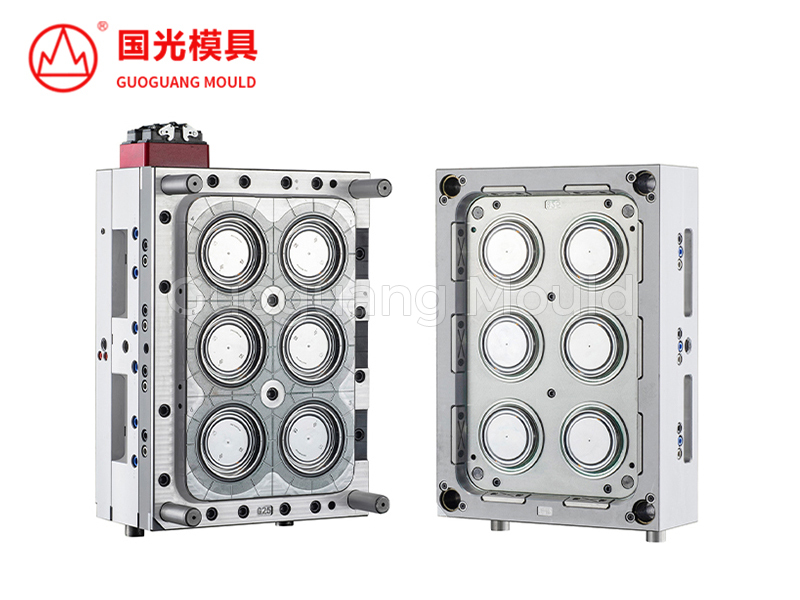
Injection plastic round cap molds are specifically designed to manufacture round plastic caps with h...
See Details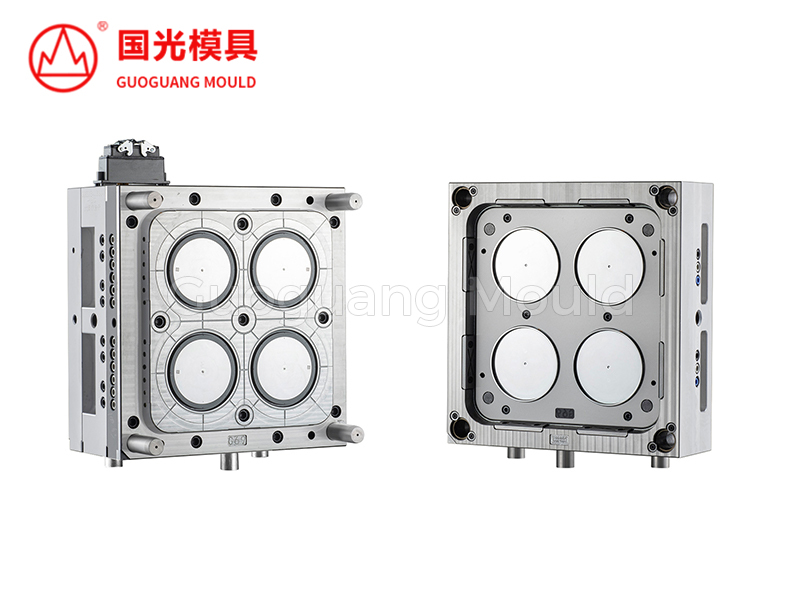
Injection plastic round bowl moulds are designed to create high-quality, durable plastic round bowls...
See Details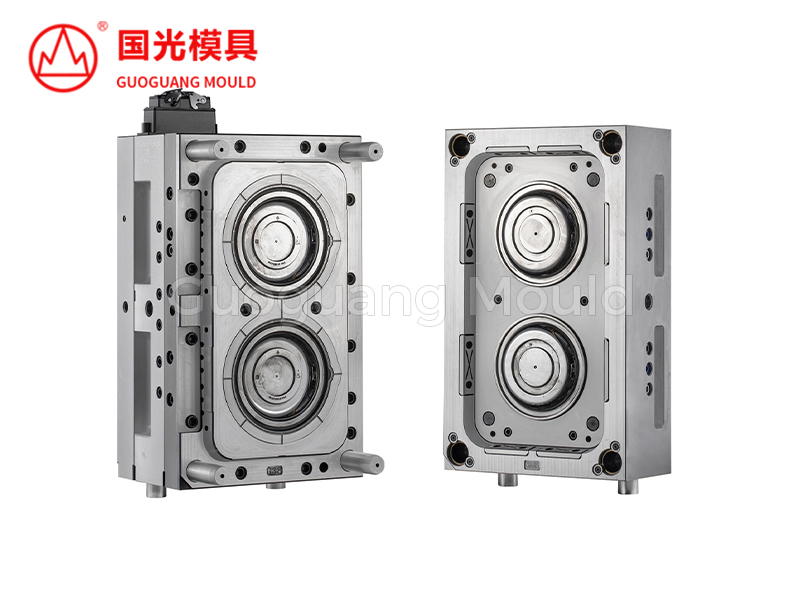
The Thin Wall American Style Large Round Cover Mould is a specialised tool designed for the producti...
See Details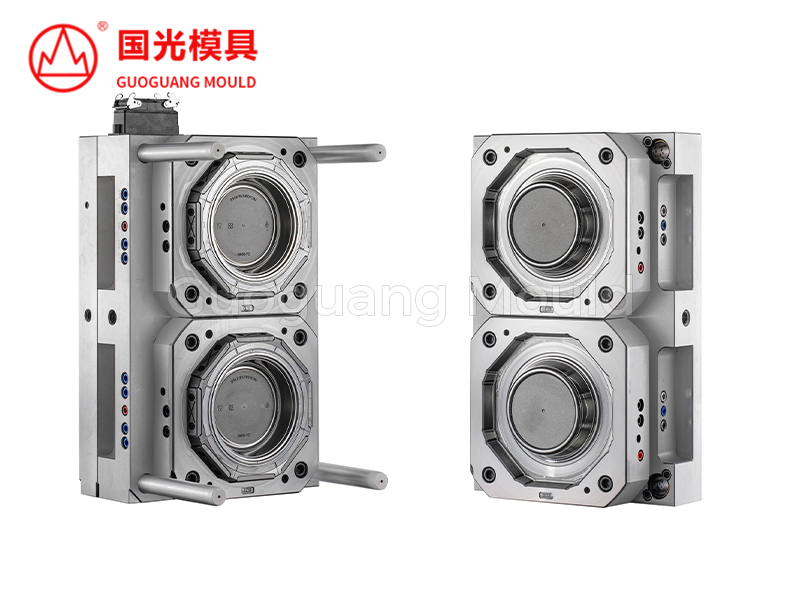
The Injection Plastic American Style Large Round Bowl Mold is an advanced tool designed specifically...
See Details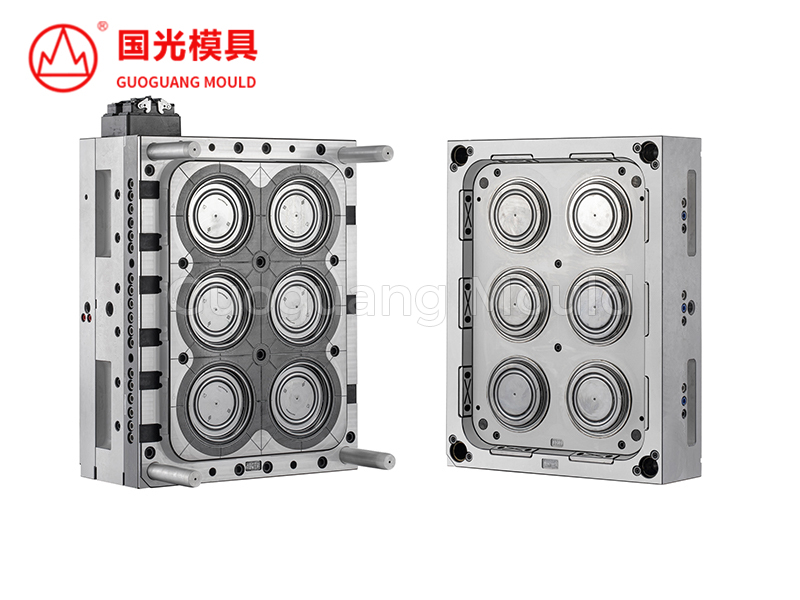
The Thin Wall American Medium Round Cap Mould is a highly efficient tool designed for the production...
See Details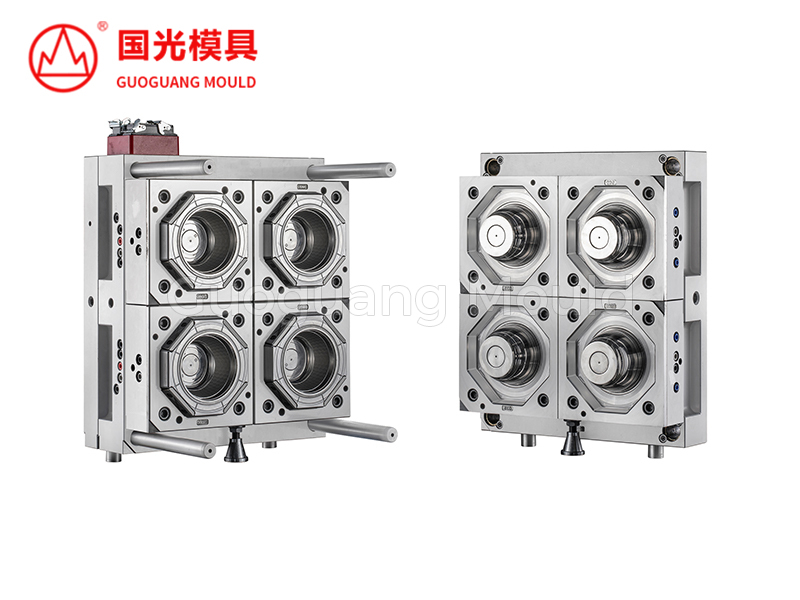
The Thin Wall Medium Size American Bowl Mould is designed for efficient production of medium-sized b...
See Details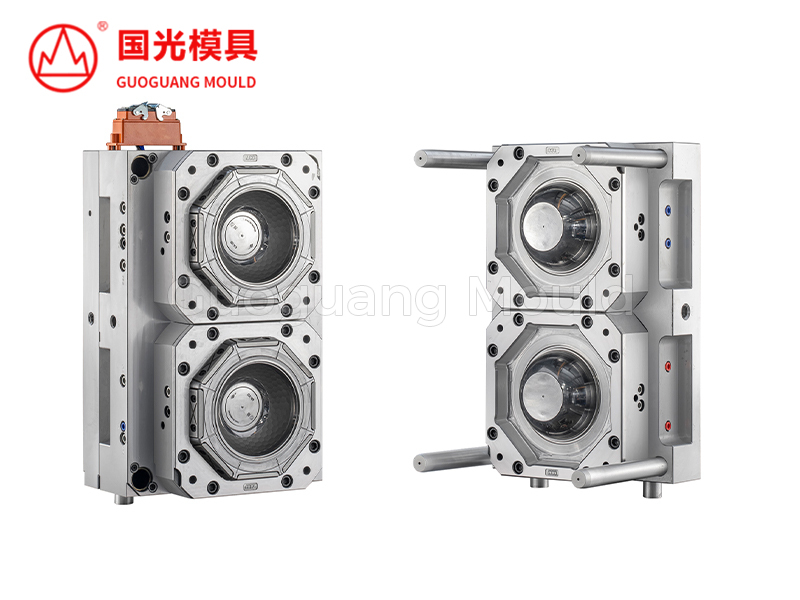
The Injection Plastic Large Round Bowl Mould is a specialized tool designed to produce large round p...
See Details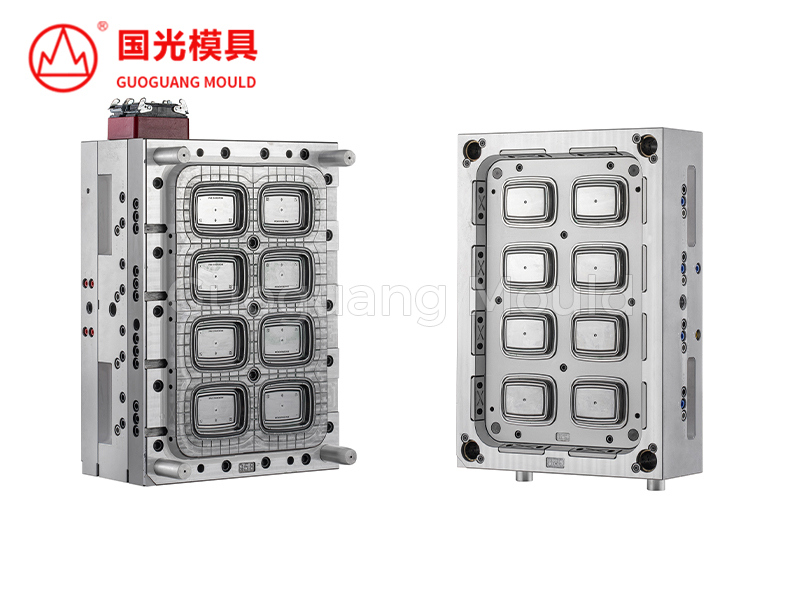
The Thin Wall American Style Small Square Cover Mold is designed for the production of small, square...
See Details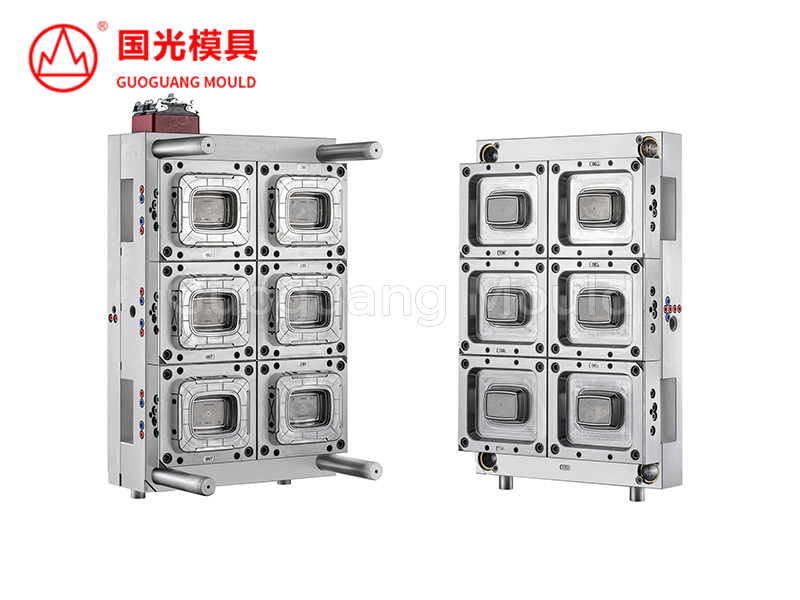
The Plastic Mould for Packaged Food Square Cover is an essential tool for creating square plastic co...
See Details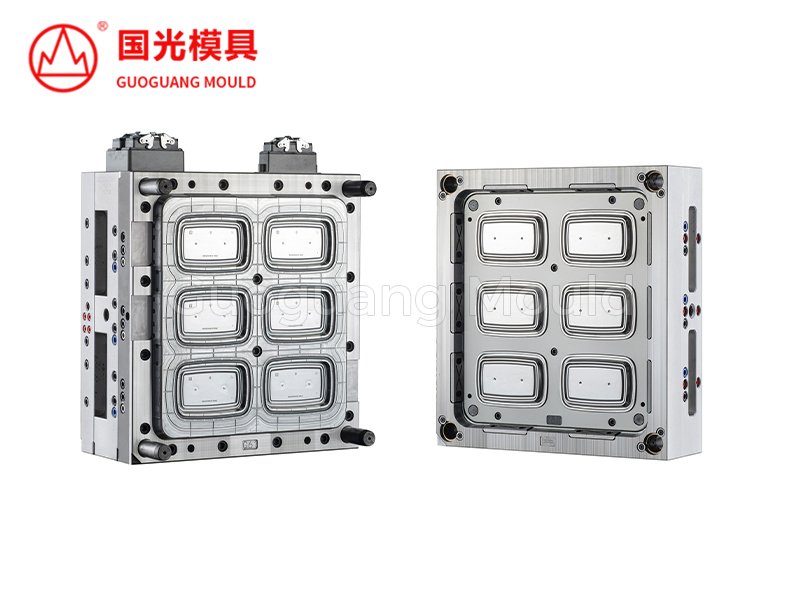
The Thin Wall Square Box Mould is designed for the production of small, square boxes, ensuring effic...
See Details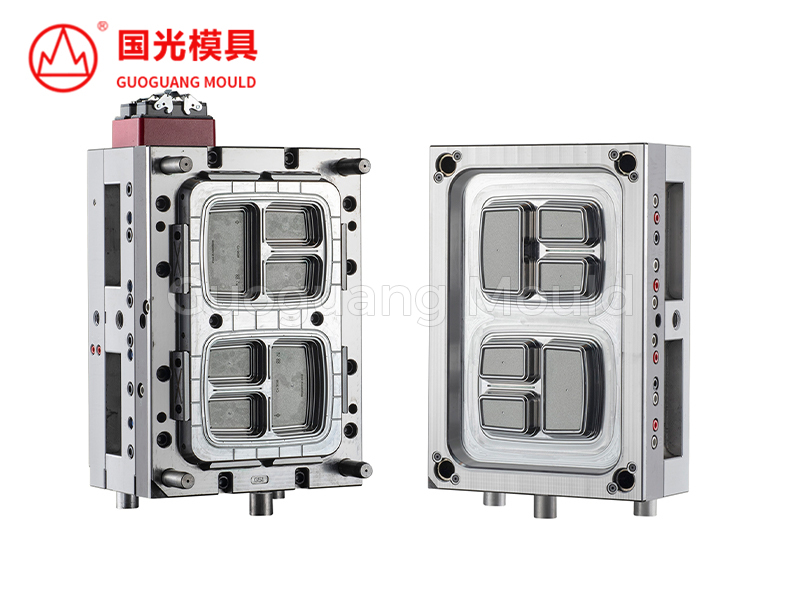
The Restaurant Packaged Three-Compartment Lunch Box Mold is designed for producing plastic lunch box...
See Details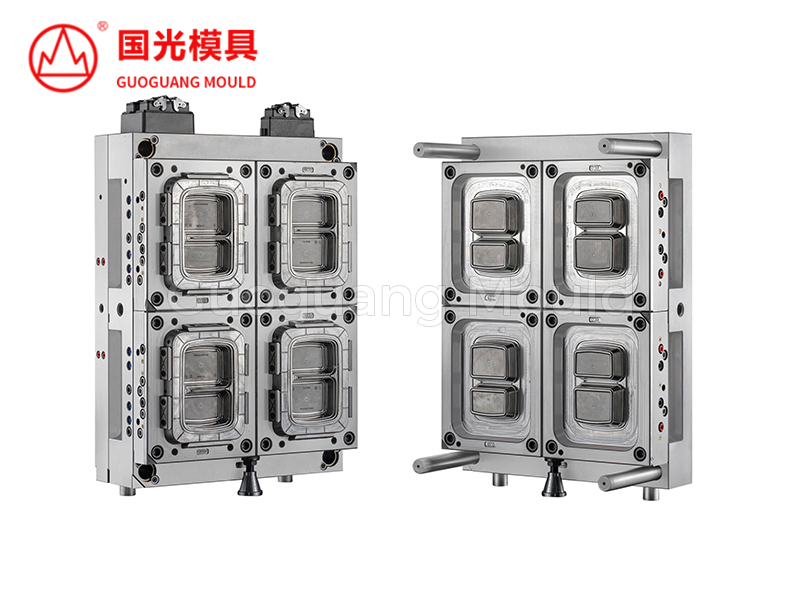
This mould is ideal for high-volume manufacturing, ensuring precise, efficient production of lunch ...
See Details
Guoguang are specialized in thin wall high-speed moulds, almost all cutlery moulds can be customized by us.
Copyright © Zhejiang Taizhou Guoguang Mould Plastic Co., Ltd. All Rights Reserved.
Thin Wall Mold Manufacturer
