 English
 中文简体
中文简体 Español
 عربى
عربى


Guoguang are specialized in thin wall high-speed moulds, almost all cutlery moulds can be customized by us.
Injection plastic round cap molds are specifically designed to manufacture round plastic caps with h...
See Details

A critical and highly specialized tool is central to the mass production of the disposable cups, lids, trays, and bowls ubiquitous in modern food service: the plastic injection thin wall food container mold. This precision engineering component is designed for the high-speed manufacturing of food-grade packaging with small material thickness. The evolution and refinement of the plastic injection thin wall food container mold directly impact production efficiency, material conservation, and the functional quality of the final product, making it a cornerstone of the global packaging supply chain.
The primary function of the plastic injection thin wall food container mold is to form molten polymer into specific, consistent shapes under high pressure and temperature. What defines this tool is its design for "thin-wall" injection molding, a process that produces items with wall thicknesses often measuring less than 0.5 millimeters. Creating a successful plastic injection thin wall food container mold requires advanced engineering to manage rapid material flow and cooling. The mold must feature a highly precise and polished cavity, a robust cooling system to solidify the plastic quickly, and an ejection system that can release the delicate, fast-cooled container without distortion. Every detail of the plastic injection thin wall food container mold, from gate design to venting, is optimized for cycle times measured in seconds.
The design and manufacturing of a high-performance plastic injection thin wall food container mold involve significant technical expertise. Mold makers utilize high-grade tool steels or aluminum alloys, machining them to exacting tolerances. The cavity surfaces are meticulously polished or textured to impart the desired finish on the final container, which can range from a high gloss to a matte anti-slip surface. Cooling channels are strategically routed throughout the mold body to ensure uniform temperature control, which is vital for preventing warping and ensuring dimensional stability in the thin-walled product. The development of a new plastic injection thin wall food container mold is a collaborative process, often involving close work between mold designers, polymer scientists, and end-users to balance aesthetics, stackability, rigidity, and production speed.
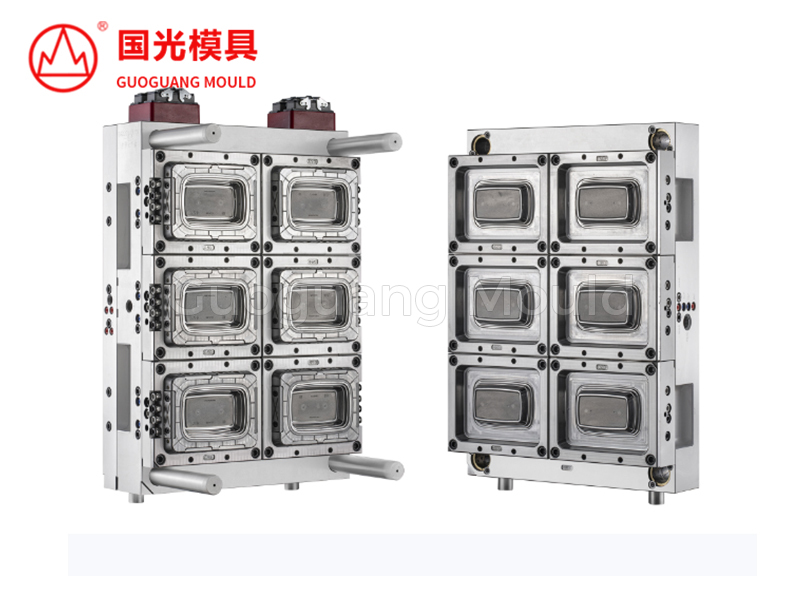
The economic and operational importance of the plastic injection thin wall food container mold is substantial for manufacturers. A well-engineered mold improves output by enabling faster cycling and reducing scrap rates. Its durability ensures it can produce millions of containers before requiring significant maintenance or refurbishment, providing a strong return on investment. Furthermore, the plastic injection thin wall food container mold is a key enabler of material efficiency. By allowing for the reliable production of containers with thinner walls, it reduces the amount of resin required per unit, lowering material costs and aligning with sustainability goals by small plastic usage without compromising container integrity for its intended use.
Innovation in the realm of the plastic injection thin wall food container mold will continue to focus on precision, speed, and adaptability. Advances in mold manufacturing, such as more sophisticated CNC machining and additive manufacturing for conformal cooling channels, will push the boundaries of efficiency. Integration with Industry 4.0 principles will see molds equipped with sensors to monitor pressure, temperature, and wear in real-time, enabling predictive maintenance. As the food packaging industry evolves with changing consumer preferences and regulatory landscapes, the plastic injection thin wall food container mold will remain an indispensable and highly engineered tool, quietly underpinning the rapid, efficient, and reliable production of the containers that serve modern food distribution and consumption.
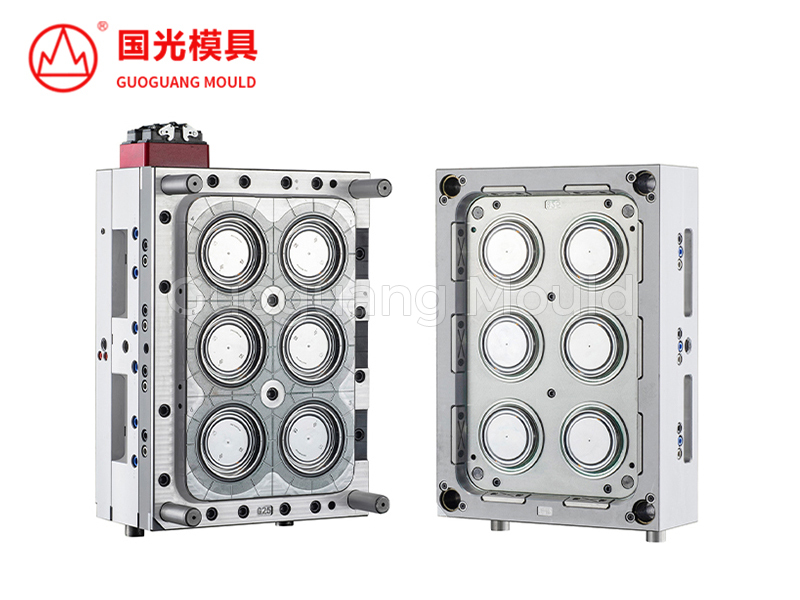
Injection plastic round cap molds are specifically designed to manufacture round plastic caps with h...
See Details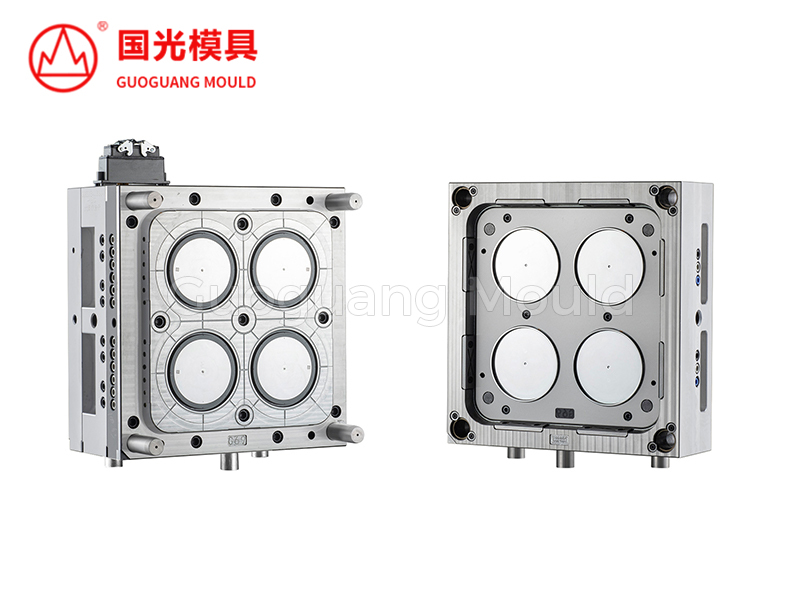
Injection plastic round bowl moulds are designed to create high-quality, durable plastic round bowls...
See Details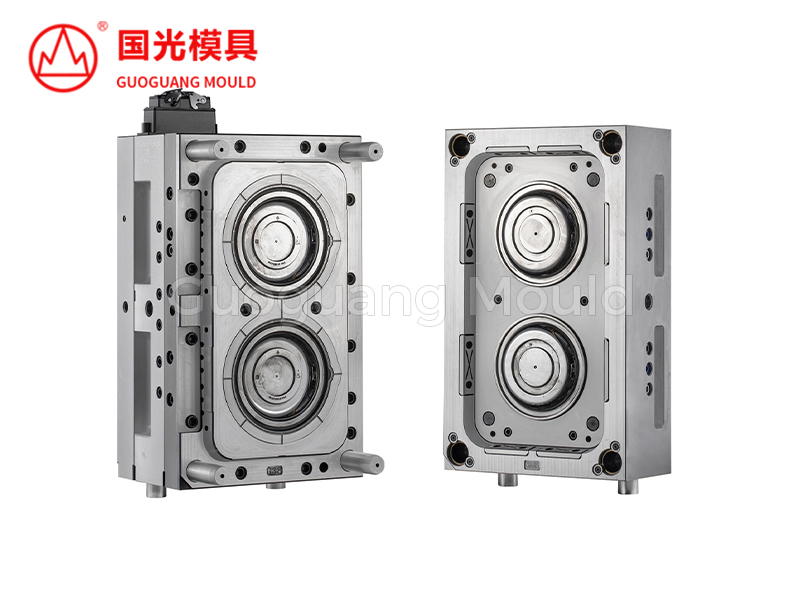
The Thin Wall American Style Large Round Cover Mould is a specialised tool designed for the producti...
See Details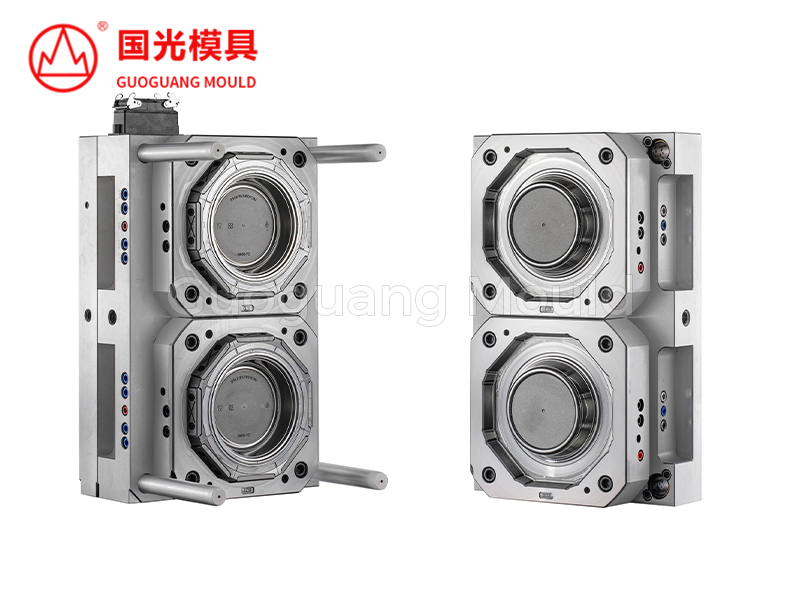
The Injection Plastic American Style Large Round Bowl Mold is an advanced tool designed specifically...
See Details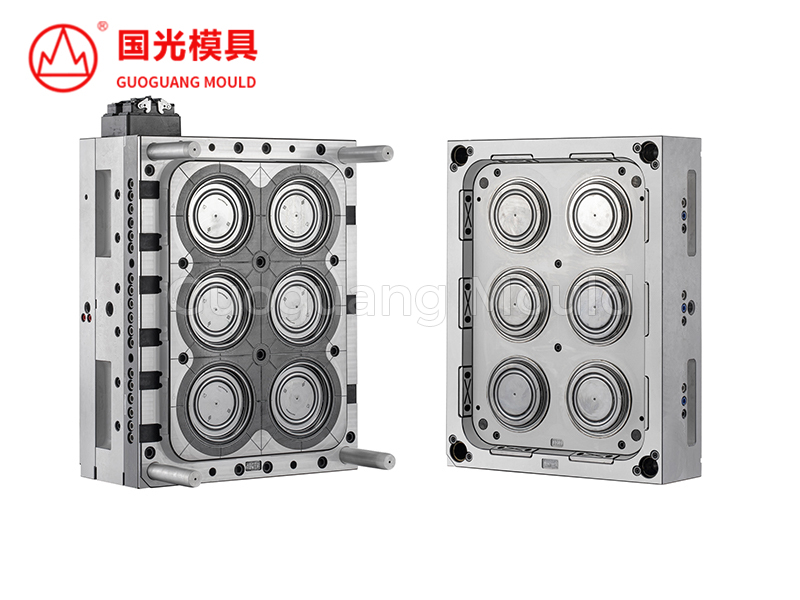
The Thin Wall American Medium Round Cap Mould is a highly efficient tool designed for the production...
See Details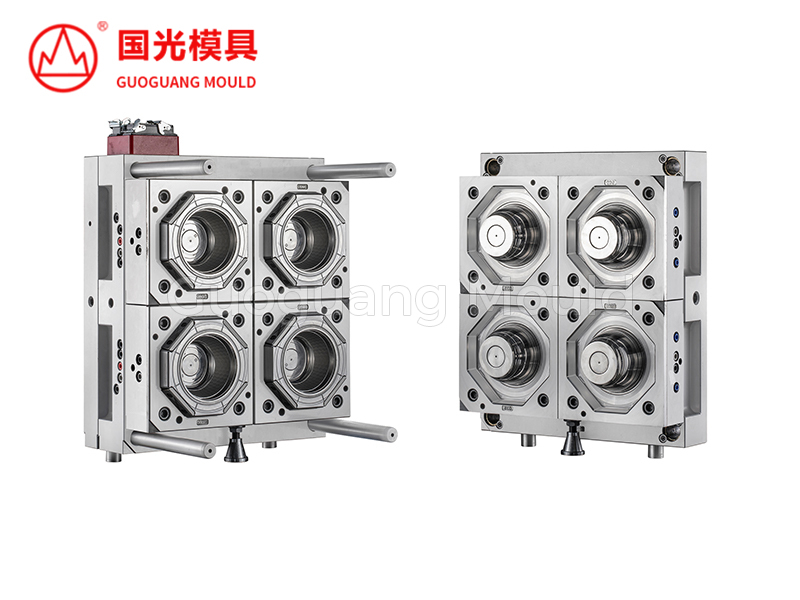
The Thin Wall Medium Size American Bowl Mould is designed for efficient production of medium-sized b...
See Details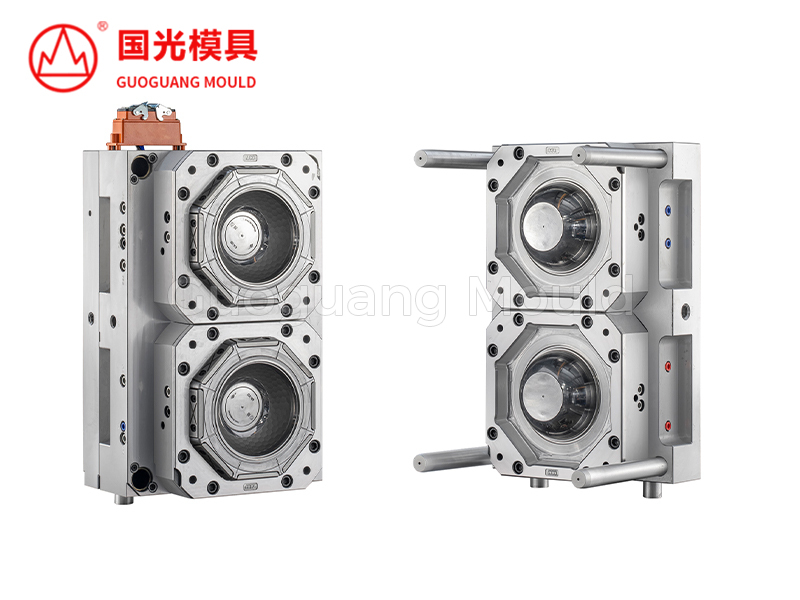
The Injection Plastic Large Round Bowl Mould is a specialized tool designed to produce large round p...
See Details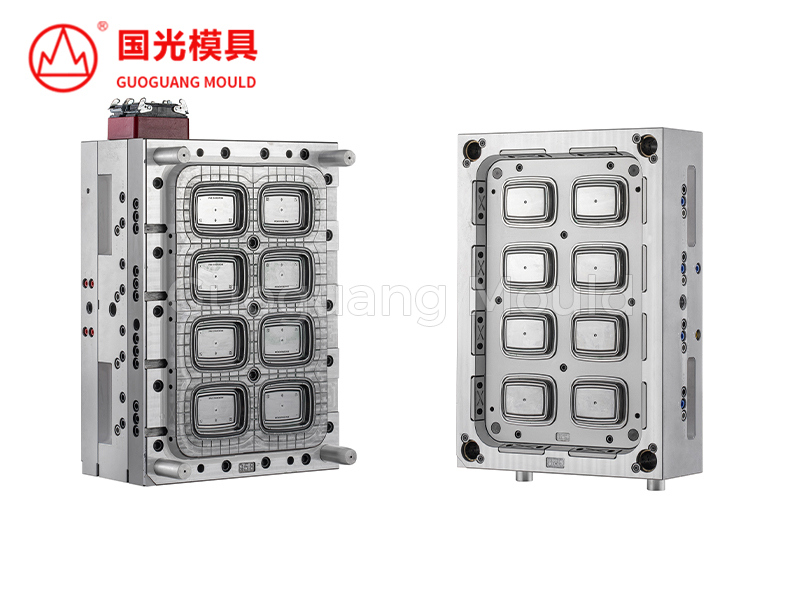
The Thin Wall American Style Small Square Cover Mold is designed for the production of small, square...
See Details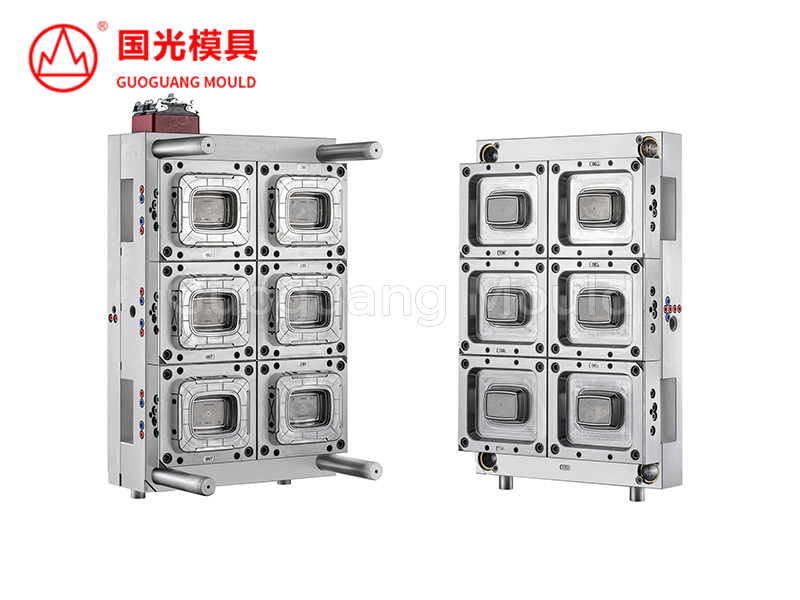
The Plastic Mould for Packaged Food Square Cover is an essential tool for creating square plastic co...
See Details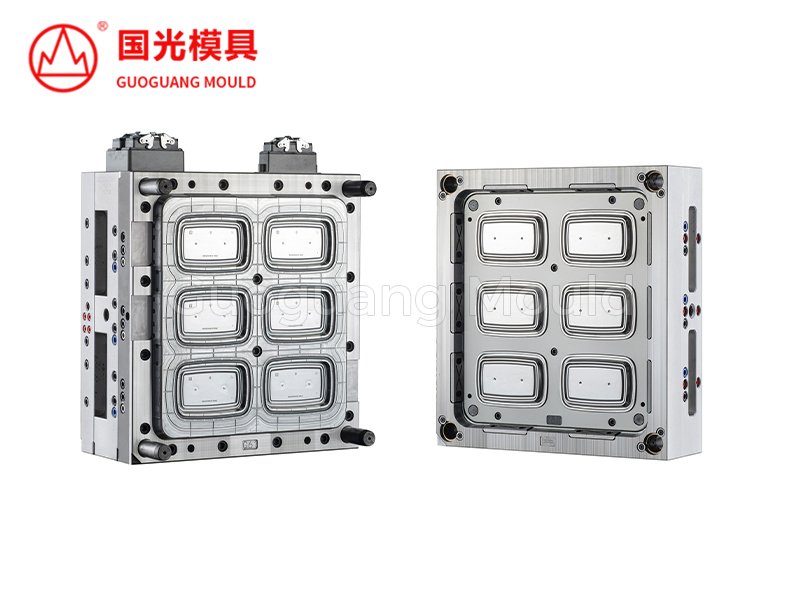
The Thin Wall Square Box Mould is designed for the production of small, square boxes, ensuring effic...
See Details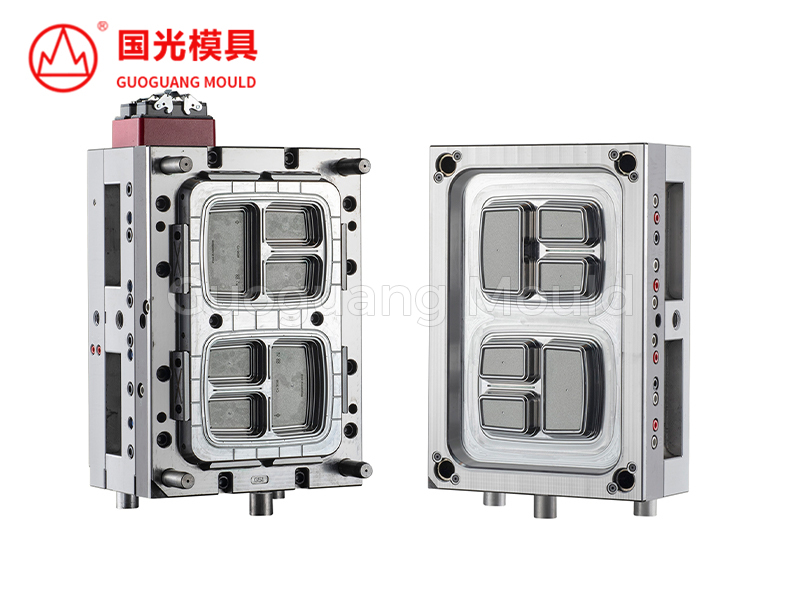
The Restaurant Packaged Three-Compartment Lunch Box Mold is designed for producing plastic lunch box...
See Details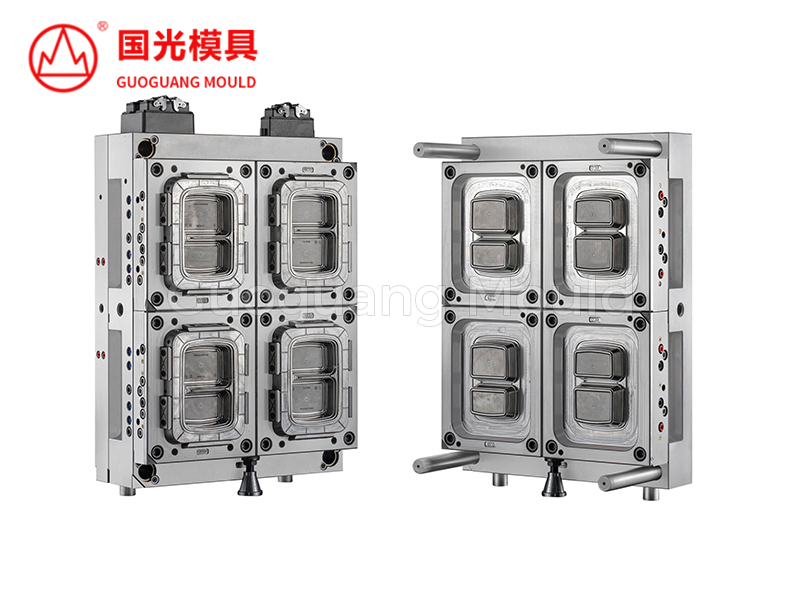
This mould is ideal for high-volume manufacturing, ensuring precise, efficient production of lunch ...
See Details
Guoguang are specialized in thin wall high-speed moulds, almost all cutlery moulds can be customized by us.
Copyright © Zhejiang Taizhou Guoguang Mould Plastic Co., Ltd. All Rights Reserved.
Thin Wall Mold Manufacturer
