 English
 中文简体
中文简体 Español
 عربى
عربى


Guoguang are specialized in thin wall high-speed moulds, almost all cutlery moulds can be customized by us.
Injection plastic round cap molds are specifically designed to manufacture round plastic caps with h...
See Details

Microwave food containers have become a common part of modern food packaging, creating demand for moulds that can produce containers in different shapes, sizes, and configurations. In this manufacturing field, Professional Microwave Container Mould Manufacture focuses on the connection between container design, mould structure, material flow, and production efficiency.
The design of the finished container is the starting point for mould development. A round container requires a different cavity arrangement from a rectangular or square container.
During Professional Microwave Container Mould Manufacture, engineers analyze the container dimensions, opening shape, bottom structure, corner radius, and surface details before developing the mould.
For example, a container designed with curved corners may require careful consideration of material flow around those areas. A container with a textured exterior may also need additional mould surface processing.
The number of cavities is an important factor in injection mould design. A single-cavity mould produces one container per injection cycle, while multi-cavity designs can produce several containers during one cycle.
Professional Microwave Container Mould Manufacture can involve two-cavity, four-cavity, eight-cavity, or other configurations depending on the container dimensions and production requirements.
Cavity arrangement also affects the overall mould layout. Engineers need to consider runner placement, cooling channels, ejector components, and available mould space when developing a multi-cavity structure.
Plastic injection moulding begins when molten plastic enters the mould cavity through the runner and gate system. The material then fills the cavity and takes the shape of the container.
For Professional Microwave Container Mould Manufacture, gate location is an important design consideration. A suitable gate position can help distribute material across the cavity and reduce filling differences between different sections.
Thin container walls can create additional challenges because molten material needs to travel through narrow spaces before solidifying. Mould engineers therefore consider wall thickness, flow distance, gate design, and injection conditions as part of the overall mould structure.
Cooling is another major part of injection mould construction. After molten plastic fills the cavity, the part needs to cool sufficiently before ejection.
Cooling channels are usually positioned inside the mould plates and around the cavity areas. Their layout can influence temperature distribution across the mould.
In Professional Microwave Container Mould Manufacture, cooling design needs to match the container geometry. Areas with thicker plastic sections may require different cooling arrangements from thin wall sections.
A well-planned cooling structure can also support more consistent part dimensions during repeated production cycles.
Once the container has cooled, the mould opens and an ejection system removes the finished part. The ejector structure needs to apply force at suitable locations.
Microwave containers often have relatively thin walls, so the ejection system needs to consider the strength and shape of the finished product. Excessive force in a small area can affect the appearance of the container.
During Professional Microwave Container Mould Manufacture, engineers may select ejector pins, sleeves, stripper plates, or combinations of these structures according to the container design.
The position of each ejector component is also planned to provide balanced movement during demoulding.
The mould surface determines many of the visible details on a finished container. Smooth surfaces can create a clean appearance, while textured surfaces can provide a different visual effect.
Logos, measurement marks, symbols, patterns, and other details can also be incorporated into the mould design.
Professional Microwave Container Mould Manufacture can therefore involve CNC machining, EDM processing, polishing, engraving, and other mould-making techniques.
These processes allow manufacturers to create mould cavities that match specific container designs and product concepts.
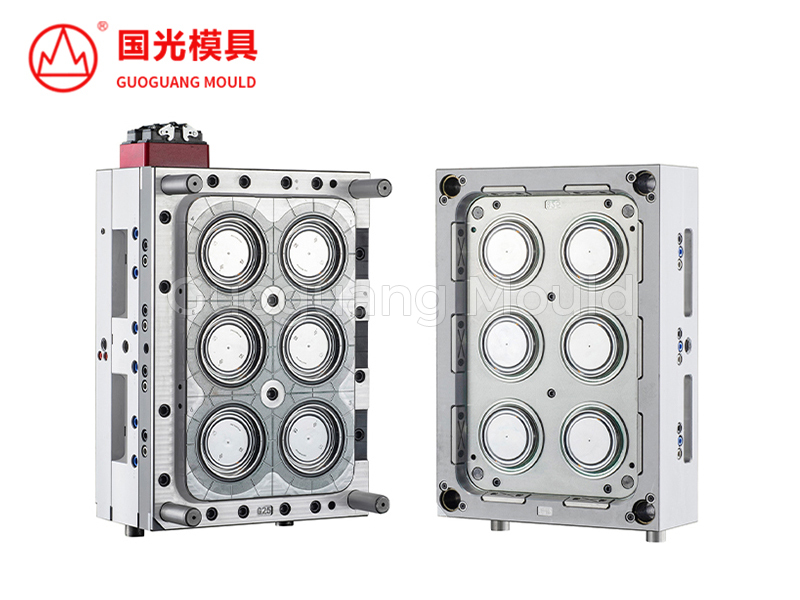
Injection plastic round cap molds are specifically designed to manufacture round plastic caps with h...
See Details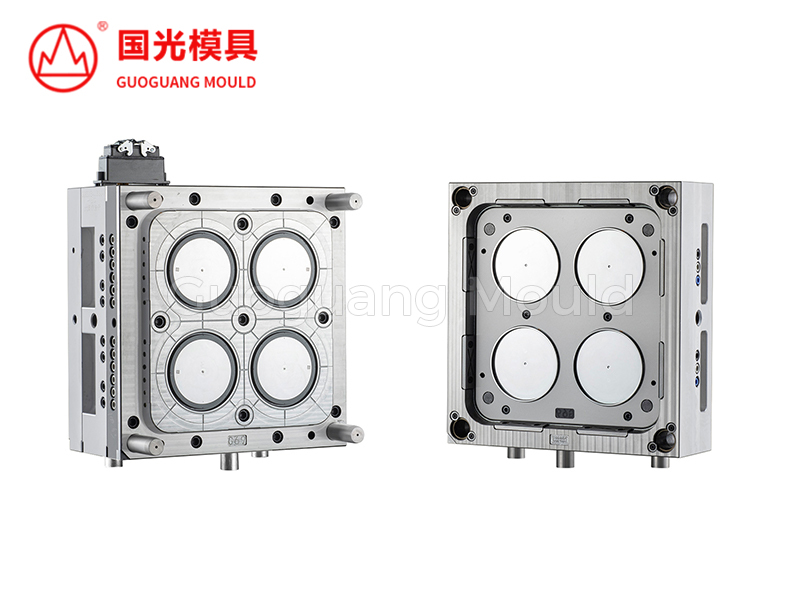
Injection plastic round bowl moulds are designed to create high-quality, durable plastic round bowls...
See Details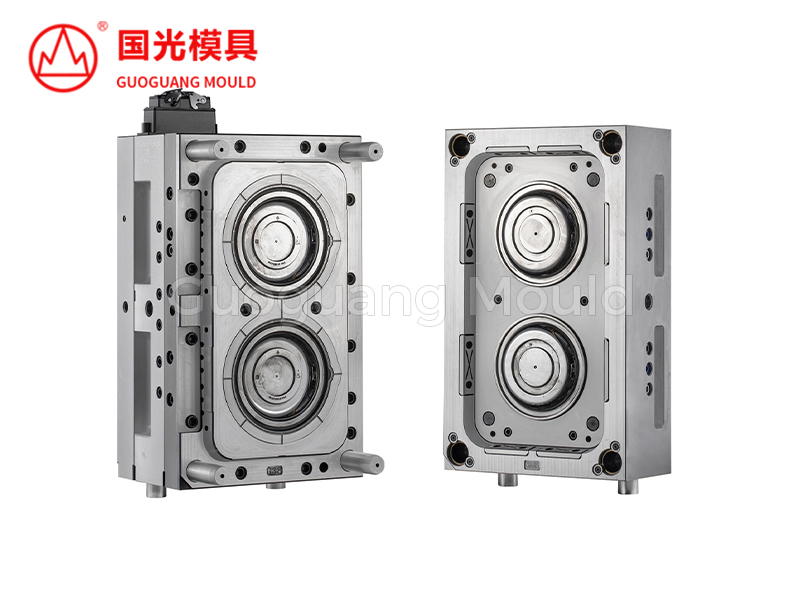
The Thin Wall American Style Large Round Cover Mould is a specialised tool designed for the producti...
See Details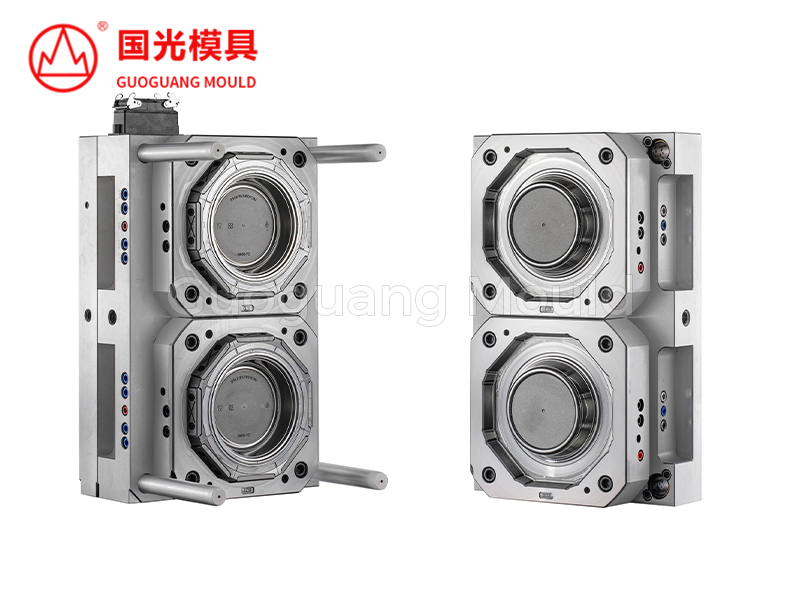
The Injection Plastic American Style Large Round Bowl Mold is an advanced tool designed specifically...
See Details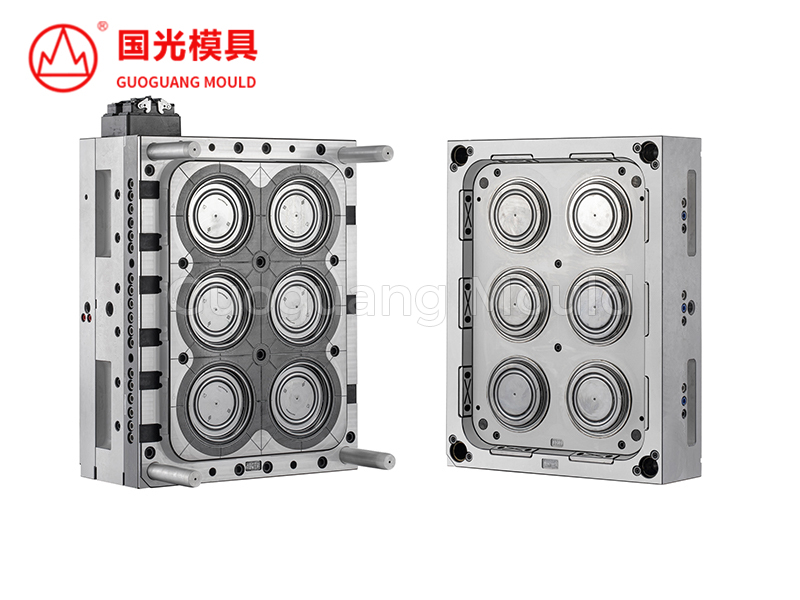
The Thin Wall American Medium Round Cap Mould is a highly efficient tool designed for the production...
See Details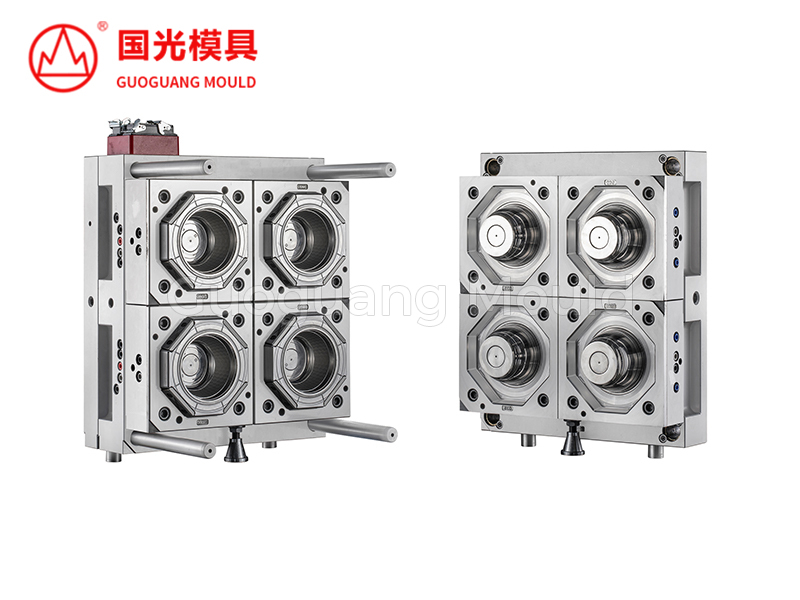
The Thin Wall Medium Size American Bowl Mould is designed for efficient production of medium-sized b...
See Details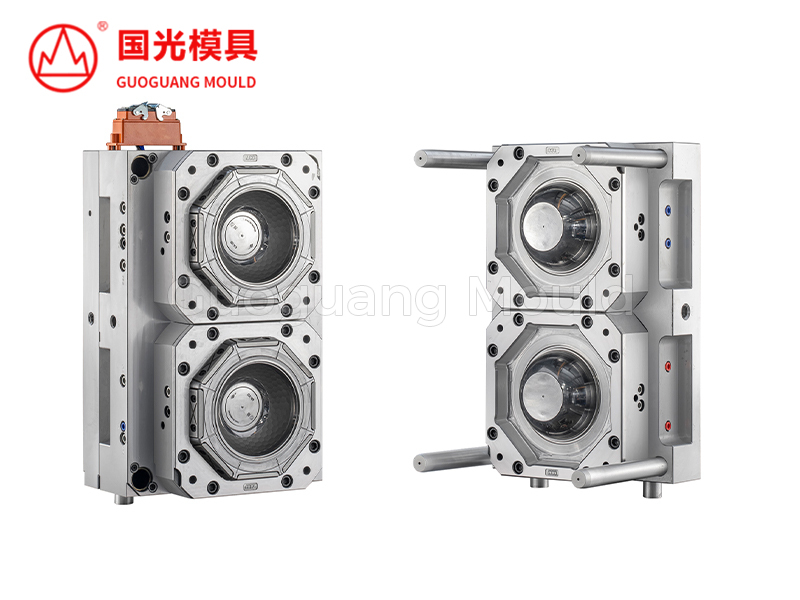
The Injection Plastic Large Round Bowl Mould is a specialized tool designed to produce large round p...
See Details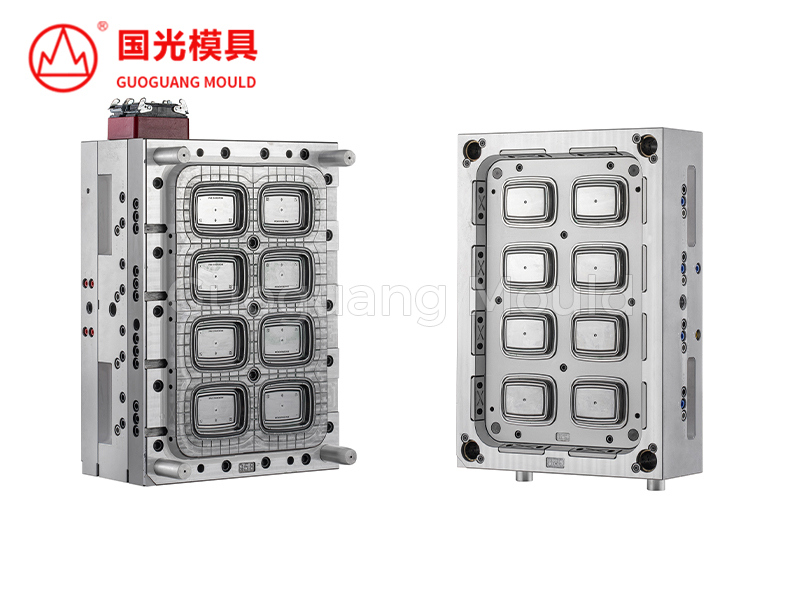
The Thin Wall American Style Small Square Cover Mold is designed for the production of small, square...
See Details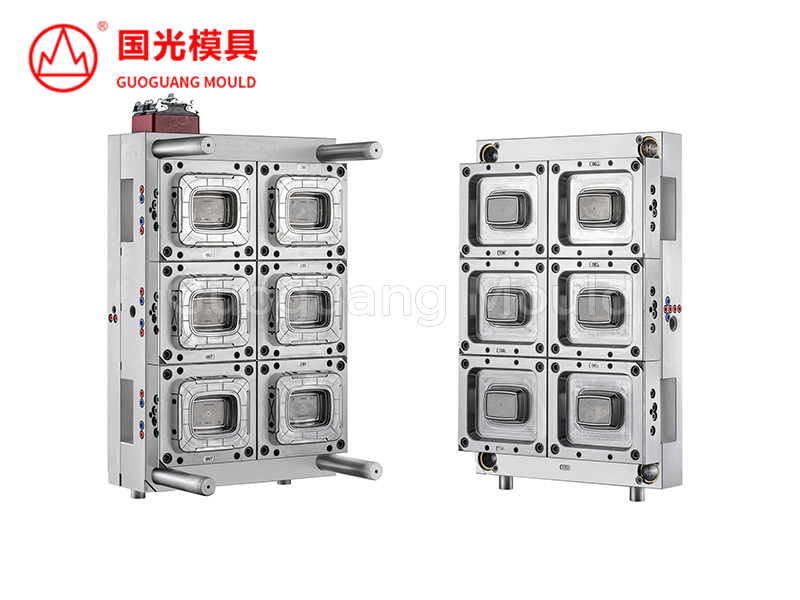
The Plastic Mould for Packaged Food Square Cover is an essential tool for creating square plastic co...
See Details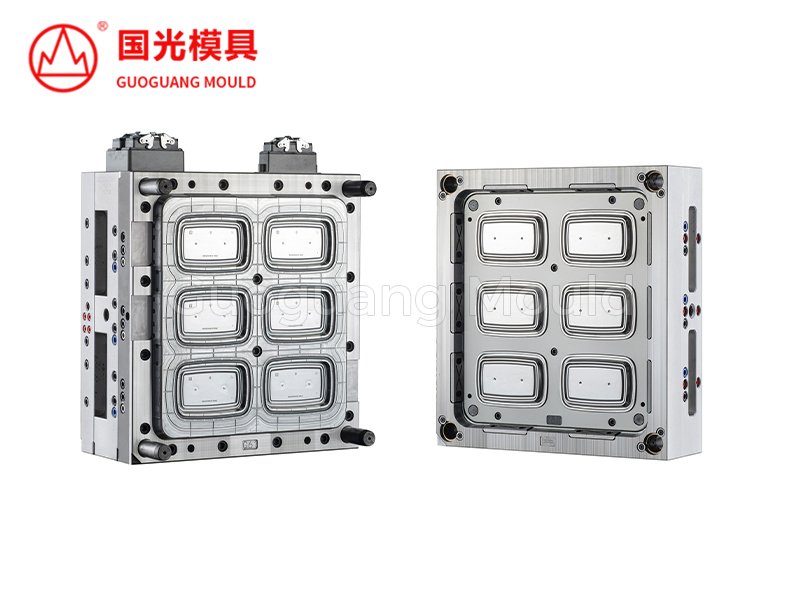
The Thin Wall Square Box Mould is designed for the production of small, square boxes, ensuring effic...
See Details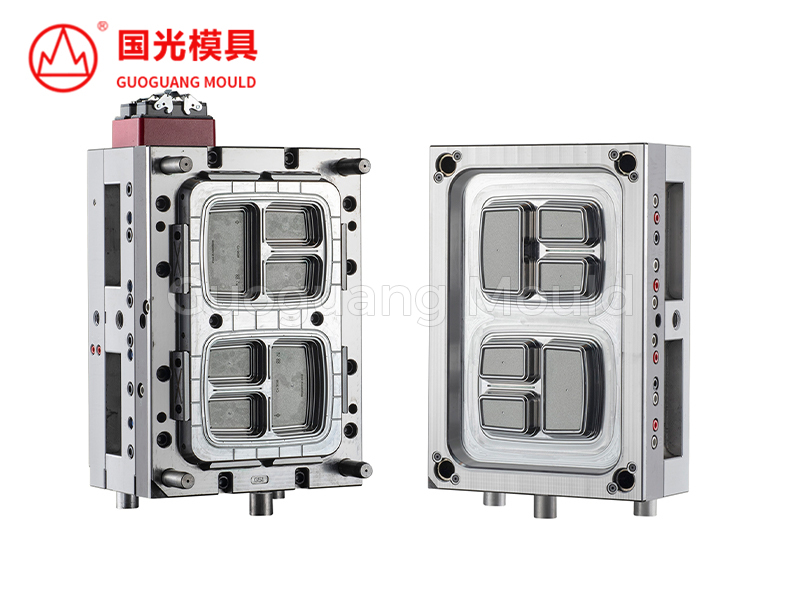
The Restaurant Packaged Three-Compartment Lunch Box Mold is designed for producing plastic lunch box...
See Details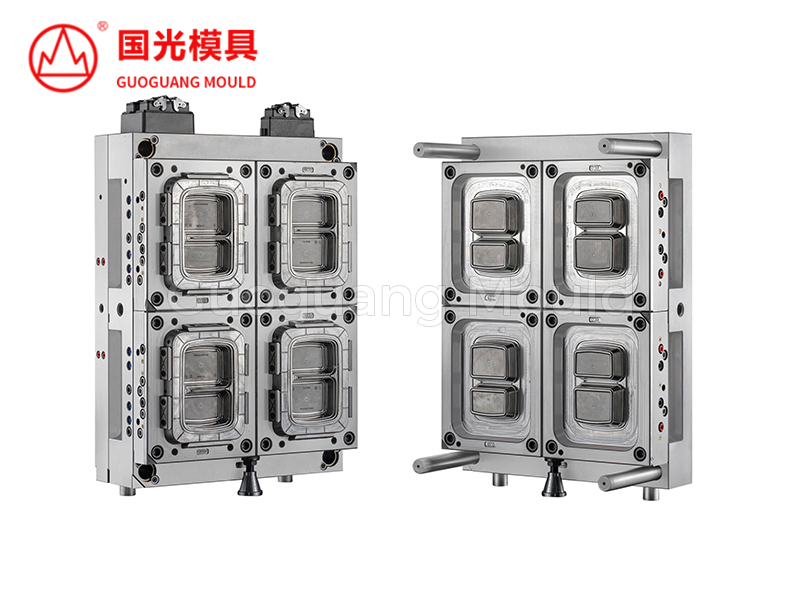
This mould is ideal for high-volume manufacturing, ensuring precise, efficient production of lunch ...
See Details
Guoguang are specialized in thin wall high-speed moulds, almost all cutlery moulds can be customized by us.
Copyright © Zhejiang Taizhou Guoguang Mould Plastic Co., Ltd. All Rights Reserved.
Thin Wall Mold Manufacturer
